
Smart Senior Care at Home: How AI Helps Aging Parents Live Safely
Finding ways to keep aging parents safe at home while respecting their independence presents one of the most challenging decisions families face today. More than 1 billion people worldwide are now aged 60 or older, and this number may double to 2.1 billion by 2050. For families seeking solutions that balance safety with independence, AI home care…

Keeping aging parents safe at home while respecting their independence is one of the hardest decisions families face. Over 1 billion people worldwide are now 60 or older, a number expected to reach 2.1 billion by 2050. AI-powered home care systems offer one way to balance safety and independence—worth exploring if you're weighing your options.
The tension is real: you want your parent to stay home, but falls, missed medications, and health emergencies create constant worry. AI monitoring systems sit in the middle. They watch for problems without feeling like surveillance, giving you peace of mind and your parent more room to live their life.
The results are concrete. A Japanese study of over 1,200 seniors found a 58% reduction in falls when AI monitoring systems were in place. Wearables now track vital signs and flag health changes early. Automated medication dispensers reduce errors on complex schedules. These tools catch problems that human caregivers might miss—especially if you live far away.
Beyond safety, these systems can spot health problems before they become emergencies, remind about medications, and provide companionship for seniors living alone. If you're researching care options, understanding what these tools actually do—and what they don't—matters for making a real decision.
This guide walks through how AI home care systems work and which ones might fit your family's situation.
- AI tools that support daily care at home
- Wearables for health tracking and alerts
- Smart home devices for reminders and safety
- Voice assistants for hands-free help
- How AI improves health monitoring and emergency response
- Predictive analytics to detect early health issues
- Fall detection and real-time alerts
- Remote monitoring for chronic conditions
- Emotional and social support through AI
- Virtual companions to reduce loneliness
- Cognitive games and memory prompts
- AI-powered communication tools for families
- Real-world examples of AI in senior care
- ElliQ: A social robot for companionship
- CarePredict: Behavior-based health alerts
- Alexa with healthcare skills for seniors
- Bottom line
- Key takeaways
- FAQs
AI tools that support daily care at home
AI home care technologies handle the basics: monitoring, reminders, and alerts. About 25% of older adults live in social isolation, and roughly one-third feel lonely. Modern AI systems address these through continuous monitoring, automated reminders, and companionship features.
Wearables for health tracking and alerts
Wearables have moved beyond step counting. Current models track:
- Heart rate and rhythm
- Blood oxygen levels
- Body temperature
- Blood pressure
Smartwatches like the Apple Watch can detect falls and irregular heartbeats, automatically alerting emergency contacts. About 20% of seniors over 70 now wear them, a sign that older adults are becoming more comfortable with the technology.
The FITVII GT5 PRO MAX continuously monitors blood pressure and alerts you to irregular heart rhythms, which can catch problems early. These devices give both you and your parent more confidence about daily activities.
Smart home devices for reminders and safety
Smart home systems create a basic safety network. Smart pill dispensers automatically release medications on schedule. AI sensors track movement patterns and detect falls, alerting caregivers when something seems off.
Smart smoke detectors from Google Nest sound an alarm and send alerts to your phone at the same time, so you know about problems even when you're not there.
The main benefits are straightforward:
- Medication dispensing with dosage tracking
- Fall detection with automatic alerts
- Movement pattern analysis to spot changes
- Environmental monitoring (smoke, gas, temperature)
- Remote access so you can check in
Voice assistants for hands-free help
Voice commands remove a big barrier to technology. Seniors with limited mobility, vision problems, or tech anxiety can simply speak instead of tapping a screen.
Amazon Alexa has healthcare skills for medication reminders, appointment scheduling, and emergency access. According to user surveys, 89% of older adults find appointment reminders most useful, followed by emergency help (79%) and health tracking (75%).
Voice assistants let your parent control their day without learning a new interface. They can set medication reminders, call family, check the weather, or reach emergency services—all by talking.
How AI improves health monitoring and emergency response
The shift is from reacting to problems to catching them early. About 75% of older adults have at least one chronic condition, so early detection systems matter for those staying at home.
Predictive analytics to detect early health issues
AI systems pull data from multiple sources—health records, wearables, daily activity patterns—to spot changes that signal emerging problems. Doctors can intervene early, before something becomes serious.
Researchers in France developed the eCOBALTH study, which uses biometric sensors to continuously track seniors and flag early signs of decline. They found that social isolation, age-related changes, and mental health issues most often lead to health deterioration.
Fall detection and real-time alerts
Falls are the leading injury-related cause of death for adults 65 and older. AI fall detection tackles this through:
- Sensors that use accelerometers and barometers to measure speed and pressure during a fall
- Machine learning that tells the difference between a real fall and a false alarm
- Automatic emergency response even if the person can't call for help
Recent research shows good accuracy—trunk-worn devices reach 97.5% sensitivity. The systems also spot changes in walking patterns that suggest increased fall risk, so you can take preventive steps.
Remote monitoring for chronic conditions
For seniors managing diabetes, high blood pressure, or lung disease, remote monitoring tracks health metrics continuously. A typical system includes:
- Connected devices that automatically send blood glucose, blood pressure, and oxygen readings
- Monitoring teams (nurses and healthcare professionals) who check the data
- Alerts that notify you when readings suggest a problem
Studies show these programs reduce unplanned hospitalizations and improve quality of life while saving money. For families worried about health management, remote monitoring provides safety without your parent losing independence.
Emotional and social support through AI
Safety monitoring is only part of the picture. Loneliness and social isolation affect many seniors. AI systems now offer real companionship and mental stimulation that can improve brain health and overall quality of life.
Virtual companions to reduce loneliness
Loneliness is a serious health risk, but AI companions have shown real success. A New York State study found that 95% of people using ElliQ robots felt less lonely. More importantly, 96% reported improvements in health and wellness, with 73% feeling more connected to their communities.
Seniors develop genuine connections with these devices. One 61-year-old said: "I'm so excited with her because she talks to me and everything, and I'm like, wow, I have my friend next to me." Many seniors interact with their AI companion more than 30 times a day, six days a week.
Cognitive games and memory prompts
Keeping your mind active matters more as you age. AI systems create customized brain games and memory puzzles that adapt to your level—challenging enough to help but not so hard they frustrate.
Daily memory help also counts. Tools like MemPal answer questions like "Where are my keys?" or "Did I lock the door?" Since someone develops dementia every 3.2 seconds worldwide, these memory aids help people stay independent longer.
AI-powered communication tools for families
Staying in touch is easier through AI-enhanced platforms. You can share photos, get automatic updates about daily activities, and receive insights from conversations so you stay informed without constant check-ins.
These platforms also create private networks for care coordination. Family members can share responsibilities, schedule visits, and discuss needs in one secure place. You stay closer to your parent while respecting their privacy and independence.
Real-world examples of AI in senior care
Several AI products have moved beyond theory to provide real daily support. Here's what actually works.
ElliQ: A social robot for companionship
ElliQ is an AI robot designed specifically to fight isolation. It starts conversations, suggests activities, and remembers personal details. Unlike voice assistants that wait for commands, ElliQ actively engages seniors throughout the day.
Studies show 80% of users feel less lonely with ElliQ. Many interact with it more than 30 times daily, six days a week. One 86-year-old said: "Oh my God, I'm so attached. She's my friend. She has changed my life."
The appeal: ElliQ tackles real isolation that affects millions of seniors. It learns what your parent cares about and responds naturally, not like a script. For families worried about a parent living alone, ElliQ provides constant companionship without replacing human contact.
CarePredict: Behavior-based health alerts
CarePredict uses AI to detect subtle changes in daily behavior through a wearable called Tempo. It monitors movement, eating, and routines to catch health problems before they become serious.
The results:
- 39% fewer hospitalizations
- 60% faster recovery from urinary tract infections through earlier detection
- 67% longer hospital stays according to NIH studies
The strength: CarePredict catches health changes that you might miss during weekly calls. It spots patterns in behavior that often come before illness, allowing earlier treatment. If your parent lives far away, this early warning system offers real peace of mind.
Alexa with healthcare skills for seniors
Amazon's Alexa has specialized skills for aging adults. Beyond medication reminders, Alexa answers medical questions using trusted sources like Mayo Clinic. "Alexa Together" lets family caregivers monitor loved ones remotely, with fall detection and emergency response built in.
The strength: Alexa removes tech barriers by responding to normal speech. Seniors who struggle with smartphones can ask questions, set reminders, or call for help using conversation. It's especially helpful for those with limited mobility or vision problems.
Bottom line
AI home care systems give families practical ways to keep aging parents safe while letting them stay independent. They address real concerns about falls, medication, and health monitoring without major disruption to daily life.
The best approach often combines multiple tools. Wearables track vital signs and detect falls. Smart home systems remind about medications and alert you to problems. Voice assistants offer hands-free help. Virtual companions reduce isolation.
The key is matching technology to your parent's actual needs and comfort level. Some benefit most from simple medication reminders. Others find companionship robots helpful for loneliness. The goal stays the same: supporting independence while keeping necessary watch.
These tools work best when they complement rather than replace human care. Family involvement still matters, but AI tools can ease the daily worry that comes with aging parents living independently. Many families start with one or two features, letting their parent get comfortable before adding more.
When looking at options, consider your parent's current health needs, their willingness to use technology, and your budget. Most systems offer trial periods or basic versions so you can test effectiveness before committing.
The evidence suggests these technologies can make real differences in safety and quality of life. If you've been torn between stepping in and allowing continued independence, AI monitoring systems may be the middle ground you're looking for.
Key takeaways
AI-powered senior care is changing how families support aging parents at home. Here's what matters:
• AI wearables provide round-the-clock health monitoring with fall detection reaching 97.5% accuracy and reducing hospitalizations by 39% through early intervention.
• Smart home systems create safety nets through medication reminders, emergency alerts, and predictive analytics that flag health problems early.
• Virtual companions significantly reduce loneliness, with 95% of seniors reporting better emotional health and many using them over 30 times daily.
• Voice assistants remove tech barriers with hands-free medication reminders, appointment scheduling, and emergency help through simple conversation.
• Real-world results show 58% fewer falls and 60% faster recovery from urinary tract infections when AI monitoring is in place.
These technologies enable millions of seniors to age in place with dignity while giving families peace of mind. The key is choosing tools that match your parent's specific needs and comfort with technology.
FAQs
Q1. What are some effective AI technologies for monitoring elderly parents at home?
Wearables, smart home systems, and voice assistants all work. Wearables provide continuous health tracking and fall detection. Smart home devices offer medication reminders and safety alerts. Voice assistants enable hands-free help for daily tasks and emergencies.
Q2. How can AI help reduce loneliness in seniors living alone?
AI virtual companions like ElliQ have shown strong results in reducing loneliness. These devices initiate conversations, suggest activities, and provide mental stimulation. Studies show up to 95% of users feel less lonely when using AI companions.
Q3. Are there AI solutions that can detect health issues in seniors before they become serious?
Yes. AI predictive analytics analyze data from wearables, sensors, and health records to identify subtle changes that suggest emerging problems. This allows for early intervention and can reduce hospitalizations.
Q4. How effective are AI fall detection systems for seniors?
AI fall detection systems have become quite accurate, with some devices reaching 97.5% sensitivity. They use specialized sensors and machine learning to distinguish real falls from false alarms, automatically alerting emergency contacts.
Q5. Can AI assist with medication management for elderly individuals?
Yes. Smart pill dispensers and reminder apps help seniors follow complex medication schedules. Voice assistants like Alexa can also be programmed with healthcare skills for medication reminders and to answer medical questions using trusted sources.
Frequently asked questions
Get matched
Looking for senior care for someone you love?
Tell us what you're considering. We'll share independent matches and pricing directly with you. No phone calls until you ask for one.
- Takes about two minutes to complete.
- Pricing details emailed to you. No phone calls until you ask for one.
- Independent matching. We do not own the communities we list.
Loading the matching form…
Powered by SilverAssist. By submitting this form you agree to our privacy policy.
More from our editors
All articles
Best Weekend Trips and Short Getaways for Seniors
The best weekend trips for seniors are short, close to home, and built around one relaxed idea. Here are the kinds of short getaways that work well for older travelers, with real examples and how to plan one.
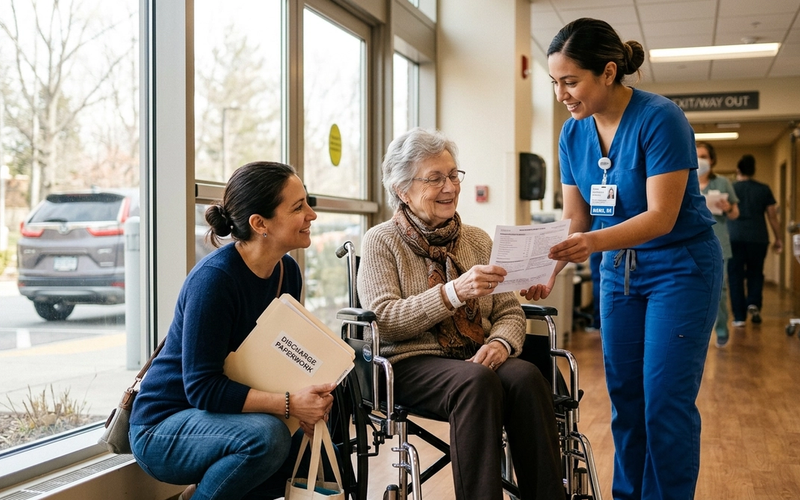
Hospital Discharge Planning for Seniors: A Family Guide
A hospital discharge for an older parent is a decision, not just a notice. Here is how discharge planning actually works, where families have leverage, and how to appeal a discharge you think is unsafe.

OTC Hearing Aids for Seniors: A 2026 Buyer's Guide
Over-the-counter hearing aids let adults with mild to moderate hearing loss skip the clinic and buy directly. Here is what they cost, who they fit, who should avoid them, and how they compare with prescription devices.
Explore senior living options
Comparing care for yourself or a family member? Browse communities by care type and see what each option typically costs.
- Assisted livingHelp with daily activities, costs, and how to choose a community.
- Independent livingMaintenance-free communities for active older adults.
- Home careIn-home support for seniors aging in place.
- Nursing homesSkilled nursing care and Medicare star ratings.
- Senior apartmentsAge-restricted, budget-friendly rental housing.
- Cost of senior livingCompare typical monthly prices by care type and state.