
Telemedicine in Canada: A Senior's Guide to Better Healthcare at Home
Healthcare access for Canadian seniors presents growing challenges as the population ages. According to Statistics Canada, the percentage of seniors is expected to increase from roughly 15% to more than 25% between 2010 and 2063. These demographic changes come alongside healthcare system pressures, with the average waiting time between referral to treatment reaching 20.9 weeks. Canadian seniors…

Canada's aging population is straining the healthcare system. Seniors made up about 15% of the population in 2010 and are projected to reach 25% by 2063, according to Statistics Canada. Average wait times from specialist referral to treatment now stretch to nearly 21 weeks.
Managing health gets more complicated as seniors age. The average senior takes 6.9 different drug classes per year, and one in four takes 10 or more medications. Geography adds another layer of difficulty: about 4.7 million Canadians aged 12 and older don't have a regular doctor.
The COVID-19 pandemic forced Canadian healthcare online. By April 2020, nearly 60% of primary care visits happened virtually, compared to just 10-20% in 2019. Telehealth stuck around. Researchers estimate virtual care saves Canadians about CAD 5 billion per year in time and travel costs.
This guide looks at how telemedicine can help you or a senior loved one manage chronic conditions at home, reach specialists more easily, and get healthcare on your own schedule.
- Telemedicine makes healthcare easier for seniors
- Managing chronic conditions from home
- Access to more doctors and specialists
- Bottom line
- FAQs
Telemedicine makes healthcare easier for seniors
Virtual care removes obstacles that make healthcare hard for Canadian seniors. The biggest one is travel. Older adults can see a doctor from home, which saves time and money—parking alone adds up. For those with limited mobility, staying home also means less exposure to crowds and infection.
Time savings matter, especially for seniors juggling multiple appointments. A recent study found that replacing just 4% of primary care visits with virtual ones saves Canadians 8.8 million hours annually—time that would have gone to travel and waiting rooms.
Other benefits include:
Flexible scheduling. Most telemedicine services operate evenings and weekends. You can book an appointment when it works for you, without arranging transportation or sitting in a clinic waiting room.
Lower costs. Virtual visits eliminate parking fees and are usually covered by provincial health insurance. In Ontario, virtual walk-in appointments are covered by OHIP.
- Shorter wait times. Virtual care takes pressure off hospitals and clinics for non-urgent issues, which helps everyone get faster appointments.
- These changes address real problems Canadian seniors encounter with traditional healthcare.
- Managing chronic conditions from home
About 75% of Canadian seniors live with at least one chronic condition. Telemedicine helps them manage these without constant trips to the doctor.
Remote monitoring tracks vital signs between visits. Doctors can spot problems early and adjust treatment quickly. Seniors use connected devices to send real-time health data directly to their physicians, which supports better self-care and catches issues before they worsen.
Diabetes management improves with continuous glucose monitoring (CGM) systems. These devices measure glucose in fluid under the skin and store data in the cloud, letting seniors adjust diet and insulin without constant finger pricks. Studies show CGM reduces glucose swings and lowers episodes of dangerously low blood sugar.
Heart failure patients benefit too. One major trial found that telemonitoring plus round-the-clock physician support cut hospital stays and deaths by 20% at 12 months, with overall mortality dropping 30%.
Blood pressure control also improves with daily home monitoring, especially when patients get personalized advice through mobile apps.
Prescription renewals now happen online. This matters because the average senior takes 6.9 different drug classes yearly. Many prescriptions refill in under an hour without a clinic visit.
These medications can usually be renewed remotely: diabetes drugs, cholesterol medications, blood pressure drugs, thyroid medications, and antidepressants. Controlled substances and narcotics are exceptions.
Access to more doctors and specialists
Waiting 21 weeks for a specialist appointment is common in Canada. Telemedicine cuts this wait. Research shows virtual care reduces average wait times by 25.4 days overall. For specialist consultations, the savings are even larger—34.7 days on average.
- Rural and remote seniors now reach specialists they couldn't access before. In Labrador, child psychiatry services moved almost entirely to telehealth. In Nunavut, 50% of telehealth sessions would have required patient or staff travel otherwise.
- The Geriatric Telemedicine Clinic at CAMH provides psychiatric consultations for seniors in remote parts of Ontario. Services include medication reviews, diagnostic assessments, and help managing dementia behavior.
- Seniors can now consult cardiologists, neurologists, endocrinologists, psychiatrists, and other specialists from home. Doctors can review test results and medical images and adjust treatments without an in-person visit.
- In emergencies, telehealth becomes a lifeline. Emergency physicians guide local healthcare workers through stabilizing patients and deciding whether transport is needed—crucial in remote areas where every minute counts.
- Bottom line
Telemedicine addresses real problems for Canadian seniors. Virtual appointments eliminate travel and time spent waiting. Remote monitoring helps the 75% of seniors managing chronic conditions track vital signs and get timely care without leaving home. Wait times for specialist referrals have dropped by an average of 25.4 days, with some specialist consultations saving 34.7 days. Rural and remote communities now have better access. Seniors who once couldn't see specialists can now consult cardiologists, neurologists, psychiatrists, and other doctors from home.
Telemedicine was adopted out of necessity during the pandemic but has remained because it works. The estimated CAD 5 billion in annual savings, combined with flexible hours and convenient scheduling, makes a real difference for older adults. As Canada's senior population grows from 15% to a projected 25% by 2063, healthcare pressures will only increase. Virtual appointments can't replace every in-person visit, but they handle many situations well and help seniors manage their health from home.
FAQs
Q1. How does telemedicine benefit Canadian seniors? Virtual care lets seniors see doctors from home, skip travel and parking, schedule appointments on their own time, and manage chronic conditions through remote monitoring.
Q2. Is telemedicine covered by provincial health insurance in Canada? Most provinces cover telehealth services. In Ontario, virtual walk-in appointments are covered by OHIP.
Q3. Can seniors access specialists through telemedicine? Yes. Seniors can consult cardiologists, neurologists, psychiatrists, and many other specialists remotely, which is especially helpful for those in rural or remote areas.
Q4. How does telemedicine help in managing chronic conditions? Remote monitoring lets doctors track vital signs between visits and catch problems early. It also simplifies medication renewals and prescription management.
Q5. Are there any limitations to telemedicine for seniors? Telemedicine can't replace a full physical exam. Some seniors also struggle with technology or unreliable internet, which can make virtual visits difficult.
Telehealth has become an essential lifeline for rural communities in emergency situations, providing immediate access to medical expertise when every minute counts. Through secure video consultations, emergency physicians can guide local healthcare providers in stabilizing patients and determining transportation needs.
Bottom Line
Telemedicine offers Canadian seniors practical solutions to common healthcare challenges. Virtual care eliminates travel requirements while saving time and reducing exposure to high-risk environments. Remote monitoring capabilities benefit the 75% of Canadian seniors managing chronic conditions, allowing them to track vital signs and receive timely interventions without frequent office visits.
Wait times between referral and treatment, which traditionally extend to nearly 21 weeks, have decreased significantly through telehealth options. Research shows an average reduction of 25.4 days overall, with specialist consultations seeing even greater improvements. This change makes a significant difference for seniors requiring prompt medical attention.
Rural and remote communities benefit from expanded healthcare access. Many seniors who previously lacked access to specialists can now connect with cardiologists, neurologists, psychiatrists, and other healthcare professionals from home. The geographical barriers that once limited quality care continue to fade as telehealth services expand across the country.
While initially adopted during the pandemic, telehealth has proven its lasting value. The estimated CAD 5 billion in economic value from time saved annually demonstrates its efficiency, while extended hours and flexible appointment scheduling offer considerable convenience for older adults.
Canadian seniors face unique healthcare challenges as their population grows from 15% to an expected 25% by 2063. Telemedicine provides a practical approach that balances quality care with accessibility. While virtual appointments cannot replace all in-person medical visits, they offer a valuable complement that addresses many obstacles seniors face when seeking healthcare. This technology helps older Canadians take greater control of their health while maintaining their independence at home.
FAQs
Q1. How does telemedicine benefit Canadian seniors? Virtual care lets seniors see doctors from home, skip travel and parking, schedule appointments on their own time, and manage chronic conditions through remote monitoring.
Q2. Is telemedicine covered by provincial health insurance in Canada? Most provinces cover telehealth services. In Ontario, virtual walk-in appointments are covered by OHIP.
Q3. Can seniors access specialists through telemedicine? Yes. Seniors can consult cardiologists, neurologists, psychiatrists, and many other specialists remotely, which is especially helpful for those in rural or remote areas.
Q4. How does telemedicine help in managing chronic conditions? Remote monitoring lets doctors track vital signs between visits and catch problems early. It also simplifies medication renewals and prescription management.
Q5. Are there any limitations to telemedicine for seniors? Telemedicine can't replace a full physical exam. Some seniors also struggle with technology or unreliable internet, which can make virtual visits difficult.
Frequently asked questions
Get matched
Looking for senior care for someone you love?
Tell us what you're considering. We'll share independent matches and pricing directly with you. No phone calls until you ask for one.
- Takes about two minutes to complete.
- Pricing details emailed to you. No phone calls until you ask for one.
- Independent matching. We do not own the communities we list.
Loading the matching form…
Powered by SilverAssist. By submitting this form you agree to our privacy policy.
More from our editors
All articles
Best Weekend Trips and Short Getaways for Seniors
The best weekend trips for seniors are short, close to home, and built around one relaxed idea. Here are the kinds of short getaways that work well for older travelers, with real examples and how to plan one.
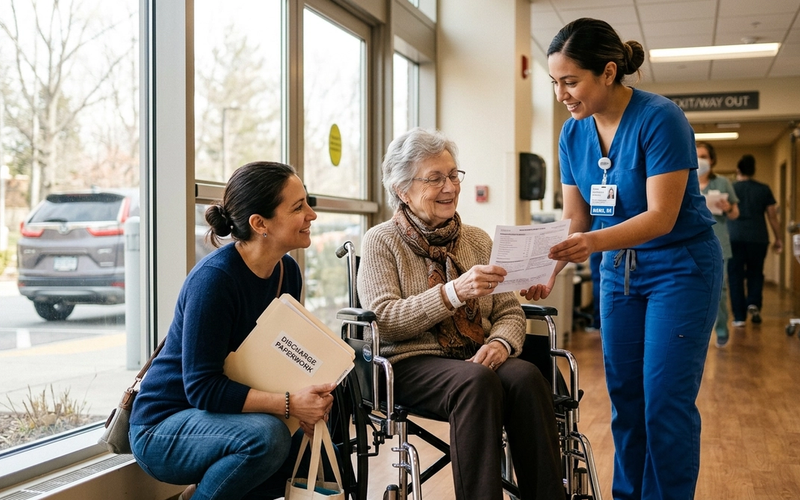
Hospital Discharge Planning for Seniors: A Family Guide
A hospital discharge for an older parent is a decision, not just a notice. Here is how discharge planning actually works, where families have leverage, and how to appeal a discharge you think is unsafe.

OTC Hearing Aids for Seniors: A 2026 Buyer's Guide
Over-the-counter hearing aids let adults with mild to moderate hearing loss skip the clinic and buy directly. Here is what they cost, who they fit, who should avoid them, and how they compare with prescription devices.
Explore senior living options
Comparing care for yourself or a family member? Browse communities by care type and see what each option typically costs.
- Assisted livingHelp with daily activities, costs, and how to choose a community.
- Independent livingMaintenance-free communities for active older adults.
- Home careIn-home support for seniors aging in place.
- Nursing homesSkilled nursing care and Medicare star ratings.
- Senior apartmentsAge-restricted, budget-friendly rental housing.
- Cost of senior livingCompare typical monthly prices by care type and state.