
The Abilities Care Approach: What Expert Dementia Caregivers Do Differently
Nearly 50 million people globally are affected by Alzheimer’s disease and other dementias, with this number projected to double every 20 years. As we face this growing challenge, the abilities care approach offers a revolutionary framework for supporting those living with cognitive decline. Despite traditional methods focusing on what people with dementia have lost, the new…

Nearly 50 million people worldwide have Alzheimer's disease or other dementias, and this number is expected to double every 20 years. The abilities care approach offers practical strategies for supporting people with cognitive decline.
Traditional dementia care focuses on what people have lost. More effective care takes a different approach: it emphasizes what abilities remain. When organizations and caregivers build on these strengths—through personalized routines, meaningful activities, and respect for dignity—people with dementia often improve their quality of life and maintain more independence.
The stakes are significant. Among the 44 million Americans serving as family caregivers, 8.5 million care for people with dementia. These caregivers report twice as many physical health problems, emotional strain, and financial difficulties as other caregivers. Nearly half of older adults in assisted living have some level of cognitive impairment.
This article explores what experienced dementia caregivers do differently. We'll look at practical strategies—from life history work to technology to creative therapies—that help people with dementia maintain their dignity and independence.
- Understanding the abilities care approach
- What is the personalized care approach?
- How it differs from traditional dementia care
- 1. Focusing on what the person can still do
- Shifting from deficits to strengths
- Examples of retained abilities in early and mid-stage dementia
- 2. Using personalized life histories to guide care
- Why knowing the person's past matters
- Creating meaningful daily routines
- 3. Integrating assistive and adaptive technologies
- Smart home tools for independence
- Wearables and safety devices
- 4. Enhancing engagement through creative therapies
- Art, music, and storytelling
- Reminiscence and sensory stimulation
- 5. Communication that builds trust and dignity
- Avoiding elderspeak and condescension
- Responding to emotional cues and unmet needs
- 6. Creating supportive environments and communities
- Designing dementia-friendly spaces
- Training staff and community members
- Conclusion
- FAQs
Understanding the abilities care approach
The Abilities Care Approach is an evidence-based method for people with dementia in skilled nursing facilities. It's built on a simple idea: even as memory declines, many capabilities remain. The approach uses personalized care strategies to engage these remaining abilities.
What is the personalized care approach?
Personalized dementia care recognizes that each person's experience is unique. Instead of applying the same strategies to all residents, this method tailors support to match each person's needs, preferences, and background.
Personalized dementia care is built on several key principles:
- Individualized assessment – Evaluating cognitive, physical, and emotional status to identify specific needs
- Life history integration – Using personal knowledge and background to create meaningful connections
- Strength-based focus – Emphasizing what abilities remain rather than what has been lost
- Environmental adaptation – Modifying surroundings to support independence and reduce confusion
The Abilities Care Approach applies Claudia Allen's Cognitive Disability Model, which identifies functional abilities at each stage of dementia. Occupational therapists use this framework to adapt daily activities to match each person's current cognitive level. They develop individualized activity prescriptions that the entire care team can use.
At certain stages of dementia, the brain can no longer form new memories. Interventions must change the environment and activities to match the person's abilities, rather than expecting the person to adapt to fixed routines.
How it differs from traditional dementia care
Traditional dementia care prioritizes physical needs over emotional and social well-being. The Abilities Care Approach treats all three as equally important, integrating physical care with emotional and social support.
Key differences include:
- Focus on deficits vs. abilities – Traditional care emphasizes what the person can no longer do. The Abilities Care Approach identifies and builds on what remains.
- Structured vs. flexible routines – Traditional approaches use rigid schedules for efficiency. Personalized care adjusts wake-up times, meals, and routines based on individual preferences.
- Symptom management vs. engagement – Traditional approaches often rely on medication to control behavioral problems. Personalized approaches use meaningful activities and environmental changes to reduce distress.
- One-size-fits-all vs. individualized – Traditional care may apply standard protocols to all residents. The Abilities Care Approach recognizes that dementia affects each person differently.
Special care units (SCUs) for people with dementia represent one evolution in dementia care. These units have staff trained to address behavioral and psychological symptoms without relying solely on medication.
SCUs differ from traditional nursing homes in two important ways: staff receive more frequent on-the-job training, and the physical environment is designed specifically for dementia. Research shows that residents with more privacy experience less anxiety and aggression.
When personalized approaches like the Abilities Care Approach are done well, they reduce behavioral problems, improve sleep, increase engagement, lower medication use, and prevent unnecessary hospitalizations. This approach also strengthens relationships between caregivers and residents, building trust and understanding.
1. Focusing on what the person can still do
People with dementia retain far more abilities than are lost during the early and middle stages of the disease. This insight is central to the abilities care approach: who the person is has more influence on their behavior than the diagnosis itself.
Shifting from deficits to strengths
The traditional medical model focuses on losses, creating an atmosphere of limitation. Research shows that looking at abilities instead of disabilities benefits both the person with dementia and their caregivers.
Building on the cognitive and daily living skills that remain:
- Improves life satisfaction for residents and staff
- Reduces burden for caregivers
- Supports retained abilities, leading to better adaptation
- Creates an atmosphere where success is possible and functional status can improve
When caregivers fail to support remaining strengths, "excess disability" occurs—the person loses functional ability due to factors other than the dementia itself. This preventable decline increases caregiver workload and sends the message that independence is no longer expected.
An interdisciplinary team can provide a comprehensive picture of each person's abilities and disabilities. This personalized assessment helps identify which abilities are not being supported in daily care.
A strength-based approach also empowers people with dementia to participate actively in their own wellness. When caregivers encourage them to practice retained skills, they become part of the care team rather than passive recipients, maintaining self-esteem and purpose.
Examples of retained abilities in early and mid-stage dementia
People at the same dementia stage often have very different capabilities. Some perform activities independently while others need help, even though they have the same diagnosis.
Procedural memory—the ability to perform routine tasks—often stays intact in Alzheimer's disease. While forming new facts becomes difficult, people can still develop and recall new memories through repeated practice.
For example, former accountants and math teachers may keep their number skills longer because these are "overlearned" abilities they used daily for years. Other examples include:
- Making a bed or folding laundry
- Riding a bicycle
- Caring for animals
- Playing familiar games like golf or bowling
- Leading group sing-alongs
One case study shows how procedural memory allows new learning despite cognitive decline. A woman with Alzheimer's learned to walk from her apartment to an activity room by following footprint decals for six weeks. After the decals were removed, she continued finding her way independently.
People with dementia also keep many emotional capacities. Even in late stages, they can feel pleasure, joy, and affection. Many maintain their sense of humor and sense of self. They often show heightened awareness of others' emotions and respond with empathy.
By recognizing these enduring capabilities, the abilities care approach creates opportunities for meaningful engagement that honor each person's dignity and sense of self.
2. Using personalized life histories to guide care
Life stories connect a person's past to their present care needs. Tom Kitwood, a dementia care researcher, wrote that knowing someone's history "becomes essential if that identity is still to be held in place." The abilities care approach is built on this principle: understanding someone's life story significantly improves care quality.
Why knowing the person's past matters
Understanding someone's biography helps preserve their identity as cognitive abilities decline. Life story work has become increasingly common in dementia care, with many resources now available for both professionals and families.
Life story work serves four important purposes:
- Emotional connections – Combating loneliness and building bonds
- Interactional connections – Enhancing communication between caregivers and residents
- Building new connections – Creating relationships with staff and other residents
- Practical care connections – Informing personalized care approaches
This matters because people with dementia often experience a shrinking social world. By understanding someone's history, caregivers can see beyond the dementia to the whole person.
It's important to be thoughtful about which memories to include. If someone has experienced trauma, caregivers might document these separately to help explain behavioral changes without repeatedly triggering distress.
Creating meaningful daily routines
Daily routines provide structure for both the person with dementia and their caregivers. As dementia care experts note, "People with dementia thrive on familiarity." Anchoring care in personally meaningful routines means caregivers spend less time deciding what to do and more time on activities that bring enjoyment.
The abilities care approach uses life histories to create personalized routines by:
- Observing existing patterns – Paying attention to bathing, dressing, eating and toileting preferences established over decades
- Integrating past occupations – A former teacher might lead a reading group, while a retired musician might enjoy daily music sessions
- Honoring preferences – From food choices to favorite TV programs to preferred celebration days
- Maintaining independence – Keeping routines the person has used throughout their life, such as morning bathing if that's been their pattern
Familiar routines can transfer into long-term memory even as cognitive abilities decline. One facility vice president noted, "Knowing both the joys and sorrows of their lives helps us make that immediate connection with them and helps us find their comfort."
Understanding what gave someone purpose throughout their life matters greatly. One practitioner observed about a resident who took pride in cooking and setting the table: "When we all get up in the morning, we need a purpose. We have to help our residents find theirs."
This life-story-informed approach yields real benefits: reduced agitation, improved sleep, increased engagement, decreased medication use, and fewer hospitalizations. It represents care that honors who the person has been throughout their entire life.
3. Integrating assistive and adaptive technologies
Technology can support dementia care by extending independence and safety. These tools don't replace human care—they enhance it by supporting retained abilities and helping with challenges. The technology landscape is evolving rapidly, from simple memory aids to sophisticated monitoring systems.
Smart home tools for independence
Assistive technology refers to devices or systems that help people perform everyday activities. These range from electronic pill boxes to comprehensive smart home systems.
Voice-activated assistants like Amazon Echo, Google Home, and Apple HomePod can serve as memory aids. These devices can:
- Set medication reminders
- Answer questions about time and date
- Create shopping lists
- Control home environment (lights, temperature, entertainment)
Smart homes also use automated lighting that turns on when someone moves through a room—especially helpful at night. Safety features like automatic shut-off devices prevent accidents by stopping gas or turning off cookers left unattended. Water isolation devices prevent flooding by shutting off taps.
These technologies work together to create what experts call "healthy homes"—intelligent environments designed to support independence. The goal is to empower people with dementia, not treat them as passive recipients of care.
Wearables and safety devices
Wearable technologies add another layer of support. Research shows that six in ten people with dementia will wander at some point, making location tracking valuable for safety without restricting freedom.
GPS tracking devices come in many forms—from shoe insoles to wristbands or pendants. These devices offer:
- Real-time location monitoring
- Geofencing alerts when boundaries are crossed
- Two-way communication in some models
Studies show these technologies reduce caregiver stress. In one study, 70% of people with dementia wore their GPS devices daily, giving caregivers peace of mind.
Health-monitoring wearables track vital signs, sleep, and activity levels, potentially catching health problems early. Fall sensors can detect falls and alert caregivers or emergency services.
The balance between safety and privacy matters. While monitoring can extend independence, it must respect dignity and autonomy. Technology should support personhood, not diminish it.
As older adults become more comfortable with digital technology, better aids may help them stay independent longer—supporting the core principle of focusing on abilities rather than limitations.
4. Enhancing engagement through creative therapies
Creative therapies offer powerful ways to engage people with dementia. They tap into abilities and emotional responses that often remain intact long after other cognitive functions decline.
Art, music, and storytelling
Art allows people with dementia to communicate when words fail. Art therapy works as a nonverbal form of expression, revealing someone's inner experience and affirming their sense of self. Creating artwork provides tangible memories people can recognize even as other memories fade.
Music therapy is particularly effective because musical perception uses many different brain areas, making it accessible even in late-stage dementia. Many people with Alzheimer's recall lyrics or tap a beat long after other abilities have faded. Benefits of music therapy include:
- Decreased depression and anxiety
- Reduced agitation and need for medication
- Enhanced memory recall
- Improved communication and social connection
Storytelling uses familiar narrative structure to support verbal reminiscence. This activity creates opportunities for connection through shared life experiences. Through storytelling, people with dementia can participate as equals, feel good about themselves, and experience success.
Reminiscence and sensory stimulation
Reminiscence therapy involves discussing memories and past experiences using prompts like photographs, familiar objects, music, or recordings. This approach draws on people's tendency to recall more memories from youth and adolescence.
Reminiscence therapy produces significant improvements in cognitive function and quality of life while reducing depression and behavioral symptoms. Digital versions—using personalized videos, photos, and mobile apps—have made reminiscence therapy more accessible.
Sensory stimulation activates one or more senses—taste, smell, sight, hearing, touch—to evoke positive memories and emotions. This approach helps people with dementia:
- Relax and feel safe
- Increase concentration and cognitive function
- Recall past experiences and happy memories
- Improve mood, self-esteem, and overall well-being
Sensory boxes filled with meaningful items—perfume, holiday photos, religious objects—provide accessible ways to create connection. Even in advanced dementia, these approaches open moments of engagement when traditional conversation doesn't work.
5. Communication that builds trust and dignity
How we communicate with people living with dementia directly affects their sense of worth and their willingness to cooperate. Research shows a clear connection between communication style and behavioral outcomes in dementia care.
Avoiding elderspeak and condescension
Elderspeak—communication that resembles baby talk—remains common in dementia care. It includes short sentences, simplified grammar, slow and high-pitched voice, intimate terms like "sweetie," and collective pronouns like "Are we ready for our bath?"
Caregivers may intend warmth, but research shows elderspeak triggers negative responses. Studies find a direct link between elderspeak and increased resistance to care. In one study, when staff reduced elderspeak from 35% to 14%, resistance to care dropped from 36% to 15%.
Dignified communication means:
- Addressing people by their preferred name
- Speaking in a normal tone at a natural pace
- Avoiding terms of endearment unless the person previously welcomed them
- Speaking directly to the person, not about them to others
Responding to emotional cues and unmet needs
People with dementia often experience changes in emotional expression due to brain changes. They may have less control over their feelings and how they show them. But these emotional reactions usually signal unmet needs that deserve attention rather than correction.
As cognitive abilities decline, it becomes important to look beyond words to what the person is feeling. Strong emotions often indicate needs like pain relief, hunger, social connection, or discomfort.
About 75% of people with dementia report at least one unmet need. "Getting information about memory problems" is the most frequently mentioned. Addressing these needs through compassionate communication greatly reduces distress.
Communication difficulties result from the disease, not from the person being deliberately difficult. When traditional verbal exchanges become hard, responding to emotional cues becomes the primary way to maintain connection, trust, and dignity.
6. Creating supportive environments and communities
Well-designed physical spaces and educated communities form the foundation of effective dementia care. The abilities care approach recognizes that good environmental design reduces confusion, promotes independence, and improves quality of life.
Designing dementia-friendly spaces
The physical environment significantly affects how people with dementia function. Research from The King's Fund's Enhancing the Healing Environment program showed that simple, cost-effective environmental changes reduced agitation and distress. Supportive design principles include:
Lighting and visibility – Maximize natural light during the day while allowing bedrooms to be darkened at night. Use even lighting with at least 300 lux to prevent shadows, glare, and reflections that can cause confusion.
Color and contrast – Use contrasting colors for walls, floors, furniture, toilet seats, and grab rails. This helps people with vision difficulties distinguish between surfaces and objects. Avoid bold patterns and stripes, which can be confusing.
Intuitive wayfinding – Clear signs using words and pictures help with navigation. Place signs slightly lower than usual, as older people tend to look down. Memory boxes or personal items near room entrances help residents identify their spaces.
Safety features – Install handrails, non-slip flooring, and automatic shut-off devices for appliances. Remove tripping hazards like loose rugs and ensure adequate drainage in wet areas.
Training staff and community members
A dementia-friendly environment extends beyond physical design to include educated communities. Training creates understanding and empathy throughout society.
The Alzheimer's Association recognizes several dementia care training programs based on evidence-based practices. These programs range from 3 to 20 hours and cover person-centered dementia care. Good training improves communication between caregivers and residents, reduces challenging behaviors, and increases job satisfaction.
Community education programs like Dementia Friends train "Dementia Champions" to lead interactive sessions about dementia and simple ways to support affected people. Participants learn signs of dementia and how to adjust their communication.
The Dementia Friendly America movement encourages communities to become "informed, safe and respectful of individuals living with dementia." With proper education and supportive environments, people with dementia can stay engaged in their communities longer.
Conclusion
The Abilities Care Approach represents a fundamental shift in dementia care philosophy. Throughout this article, we've explored six core components that distinguish experienced dementia caregivers from those using traditional methods. They focus on capabilities rather than deficits, helping people with dementia maintain dignity and purpose despite cognitive decline.
Life stories inform personalized routines that honor each person's identity and preferences. Assistive technologies extend independence while keeping people safe. Creative therapies—art, music, and reminiscence—tap into emotional abilities, allowing expression when speech becomes difficult.
Communication that avoids elderspeak and recognizes emotional cues significantly reduces resistance to care. Supportive physical environments and educated communities create the foundation for successful dementia care.
This holistic approach benefits everyone involved. People with dementia experience less agitation, better sleep, more engagement, and improved quality of life. Caregivers report less burnout, stronger relationships with residents, and greater job satisfaction. Family members see their loved ones receive care that respects the whole person.
With dementia becoming more common, we need more effective care strategies. The Abilities Care Approach offers a compassionate, evidence-based framework that improves the experience of cognitive decline. While dementia may alter cognitive function, personhood remains intact and deserves our respect and support.
Dementia care isn't about managing decline—it's about celebrating what remains. When we shift focus from what's lost to what's preserved, we find countless opportunities for connection and engagement. Expert dementia caregivers don't just provide care; they preserve dignity, nurture remaining abilities, and honor each person's essential humanity.
FAQs
Q1. What is the Abilities Care Approach in dementia care? The Abilities Care Approach is an evidence-based method that focuses on the remaining capabilities of individuals with dementia rather than their deficits. It emphasizes personalized care, life history integration, and meaningful engagement to maintain dignity and improve quality of life.
Q2. How does the Abilities Care Approach differ from traditional dementia care? Unlike traditional care focused on managing decline, the Abilities Care Approach emphasizes what a person can still do. It uses personalized routines, adaptive technologies, and creative therapies to support independence and engagement, while avoiding elderspeak and responding to emotional cues.
Q3. What role does technology play in the Abilities Care Approach? Technology is integrated to enhance independence and safety. This includes smart home tools for daily living, wearable devices for health monitoring and location tracking, and digital platforms for reminiscence therapy. These tools support retained abilities and address challenges without replacing human care.
Q4. How does the Abilities Care Approach use creative therapies? Creative therapies like art, music, and storytelling are key components. They tap into preserved emotional abilities and offer ways for individuals to express themselves, recall memories, and engage meaningfully when verbal communication becomes difficult.
Q5. What are some ways to create a supportive environment for people with dementia? Creating a supportive environment involves designing dementia-friendly spaces with proper lighting, color contrast, and clear wayfinding. It also includes training staff and community members to understand dementia and communicate effectively. These efforts reduce confusion, promote independence, and create more inclusive communities.
Frequently asked questions
Get matched
Looking for senior care for someone you love?
Tell us what you're considering. We'll share independent matches and pricing directly with you. No phone calls until you ask for one.
- Takes about two minutes to complete.
- Pricing details emailed to you. No phone calls until you ask for one.
- Independent matching. We do not own the communities we list.
Powered by SilverAssist. By submitting this form you agree to our privacy policy.
More from our editors
All articles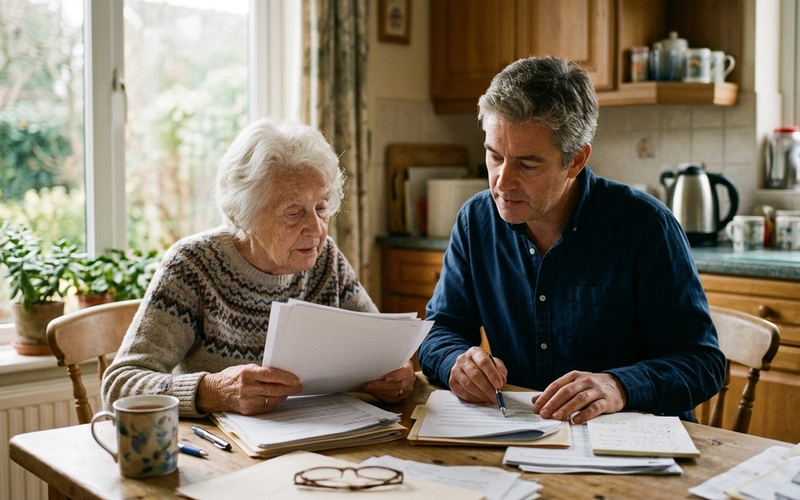
Filial Responsibility Laws: Can a Nursing Home Bill You for Your Parent's Care?
Most adult children don't know filial responsibility laws exist until a demand letter shows up. Twenty-nine states have statutes that can make you legally liable for a parent's nursing home costs. Here's when facilities actually use them and what to do if you get a bill.

GLP-1 Drugs and Older Adults: What Seniors Should Know Before Starting Ozempic or Wegovy
GLP-1 drugs work for weight loss in older adults, but the risks for people over 65 are largely absent from mainstream coverage. Muscle loss and bone density are the two concerns every senior and family member should understand before starting.
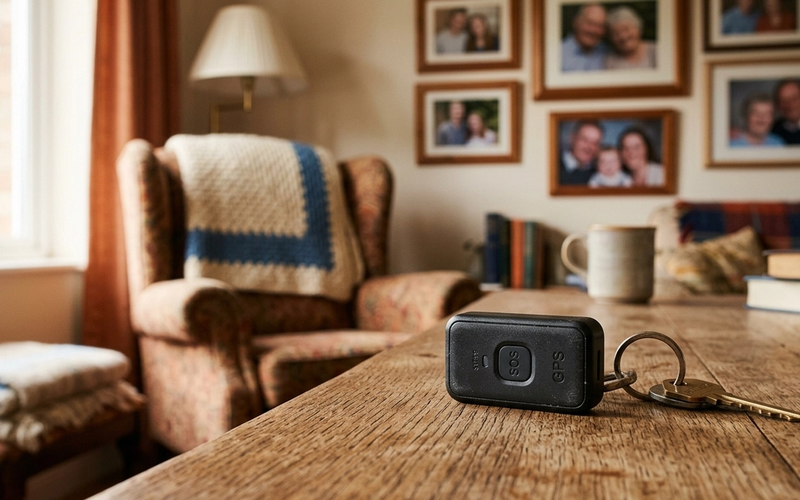
Best GPS Trackers for Seniors with Dementia in 2026: Tested for Real-World Use
GPS trackers for seniors with dementia range from clunky and unreliable to genuinely life-saving. Battery life, geofence response time, and tamper resistance matter more than brand names.