
The Hidden Benefits of Home Care for Elderly: A Family Guide
Home care for elderly has become a preferred option for many families seeking to support their aging loved ones. According to research, most older adults express a strong desire to “age in place” in familiar surroundings rather than relocate to assisted living facilities. This preference isn’t surprising when we consider the numerous advantages that come…

Most older adults prefer to age in place—staying in their own homes rather than moving to assisted living facilities. Research backs this up. Home care makes that possible, and it comes with real advantages beyond just convenience.
Home care covers personal assistance with bathing, dressing, and grooming. It includes help with household tasks, rides to medical appointments, and skilled nursing when needed. Services can be adjusted as needs change—whether for a few weeks of recovery or years of ongoing support. For many families, it costs less than residential facilities too.
This guide covers what home care actually does: how it lets older adults keep their dignity and independence, what it means for emotional health, how it helps family caregivers, and what safety tools are available. We'll also look at the financial side and what insurance might cover.
- What home care actually provides
- Personal care with respect
- Medical care at home
- Household help that matters
- Emotional and social benefits
- Companionship and connection
- Staying in a familiar place
- Keeping routines and independence
- Support for family caregivers
- Respite care and breaks
- Adult day programs
- Caregiver support groups
- The financial side
- Home care versus assisted living
- Medicare and Medicaid coverage
- Savings over time
- Safety at home
- Alert systems and fall detection
- Home modifications
- Regular check-ins
- Conclusion
- FAQs
What home care actually provides
Home care does more than handle basic tasks. It addresses what older adults actually need—physical help, medical support, and the chance to keep living the way they want to.
Personal care with respect
Help with bathing, dressing, and toileting happens with real respect for the person. A good caregiver asks before helping, knocks before entering a room, and treats these private moments as exactly that—private. Older adults feel the difference between being helped and being managed.
When seniors can make choices about their own care—what they wear, when they eat, how they spend their time—they stay more engaged and confident. Taking away those small decisions takes away something real.
Good caregivers understand this. They call people by their preferred name, ask permission, and let older adults do what they can for themselves even if it takes longer. That's not just kindness. It's how people stay themselves.
Medical care at home
Older adults recover faster at home than in hospitals and experience fewer complications. They avoid stressful trips to appointments and don't have to adjust to an institutional schedule.
Home health services can include:
- Skilled nursing for wound care and medication management
- Physical, occupational, and speech therapy
- Chronic disease monitoring (diabetes, heart conditions)
- Nutrition and IV therapy when needed
- Medicare covers many of these services. If you qualify, Medicare pays the full cost of skilled nursing care and home health aide services up to 8 hours a day, 28 hours a week.
Household help that matters
Cooking, cleaning, laundry, and grocery shopping get harder as people age. When caregivers handle these tasks, older adults eat better, their homes stay safe, and they don't exhaust themselves trying to do everything. Family caregivers get relief too.
Home care aides can handle meal prep, shopping, laundry, and light housekeeping. Some can coordinate grocery or pharmacy delivery. The combination means an older adult can focus on the things that matter instead of just surviving the day.
For family caregivers, this help is significant. The Mayo Clinic notes that caregivers without support face burnout—real physical and emotional exhaustion. Sharing household tasks means family members can actually spend time with their loved one instead of being locked in task mode.
Home care is flexible. You can get a few hours a week or round-the-clock care. You adjust as needs change. That makes it practical and usually cheaper than residential care.
Emotional and social benefits
Loneliness kills. Research consistently links isolation to heart disease, depression, and cognitive decline. Home care addresses that directly.
Companionship and connection
Nearly half of women over 75 live alone. A caregiver who comes regularly becomes a real presence in their life. These relationships often go beyond the professional—seniors talk about their caregivers as genuine friends.
Companion care means doing things together: walking, playing cards, listening to music, cooking a meal they both enjoy. These aren't activities designed to seem therapeutic. They're just what people do. And research shows seniors who have this kind of regular contact experience less depression, better mood, and a stronger sense that their life matters.
That last part is important. It's not just mood. It's purpose.
Staying in a familiar place
- About 80% of older adults want to stay in their homes. That's not stubbornness. A home holds decades of memory. The chair by the window. Where the light comes in at breakfast. Photos. Objects that mean something.
- Moving to a facility, even a nice one, strips that away. Older adults in their own homes are less likely to feel lonely or anxious. The confusion and stress that come with relocation often don't happen. The space itself is healing.
- These aren't just possessions. They're anchors. And having them nearby matters for mental health and quality of life more than most people realize.
- Keeping routines and independence
Daily routines sound simple but they're powerful. They create calm. They reduce anxiety. For people with cognitive decline, they provide structure that makes the day manageable.
A regular schedule helps seniors:
Feel safe and certain about what comes next
Reduce confusion, especially if memory is slipping
Move information into long-term memory
Keep doing things independently
When seniors help plan their own day, they feel in control. A caregiver's job is to support what the person can still do, not take over. That balance keeps people engaged and maintains their sense of self.
Home care makes routines possible even as physical abilities change. The caregiver helps without replacing—you still do what you can, they help with what you can't. That's how dignity stays intact.
- Support for family caregivers
- In 2021, family caregivers provided $600 billion worth of unpaid care. That's more than all formal long-term care spending in the US. That work is real and it's exhausting. It needs support.
- Respite care and breaks
- About one in five family caregivers develops depression. Respite care—temporary relief while someone else takes over—is the most basic prevention. A few hours a week or an overnight stay makes the difference between sustainable and burnt out.
Respite comes in different forms: in-home aides who care in your home, short stays at facilities when you need longer breaks, or daily programs. Most states cover respite through Medicaid, recognizing that caregiver health is part of keeping the whole system working.
Adult day programs
Adult day centers operate during business hours (some have extended hours) and provide structure: activities, meals, social time, sometimes medical services. For working caregivers, this means you can keep your job while your older adult stays active and engaged.
Most people attend two to five days a week for four to eight hours, depending on what fits. It's flexible and it works.
Caregiver support groups
A geriatric psychiatrist once told me that referring a stressed caregiver to a support group is "first-line treatment." Groups connect people facing the same thing—the exhaustion, the guilt, the unexpected emotions. You hear what works for others. You're not alone in this.
Organizations like the Family Caregiver Alliance run groups in person and online. There are specialized groups too: for African American caregivers, LGBTQ+ caregivers, young adult caregivers, people caring for someone with dementia or a specific illness.
- Home care for an older family member means someone also needs to care for the caregiver. Respite, day programs, and groups aren't luxuries. They're how people survive this job without breaking.
- The financial side
- Money matters. It's often the deciding factor in how families approach elder care.
- Home care versus assisted living
If your older adult needs 40 hours or less of care per week, home care is usually cheaper. Assisted living averages $4,995 a month nationwide. Home care at $30 an hour comes to about $5,720 a month for 44 hours of weekly care. But regional costs vary wildly—from $2,844 to $9,266 a month for assisted living depending on where you live.
Memory care or specialized services add another $1,150 monthly to assisted living costs. Whether you own or rent your home also changes the math.
If care needs grow to 24/7, costs can hit $200,000 a year or more—at that point, residential care might actually cost less. But for most people in the early and middle stages of needing help, home care wins financially.
Medicare and Medicaid coverage
Medicare covers home health services if you qualify. It pays 100% of the cost. You pay 20% coinsurance for durable medical equipment after you meet your Part B deductible.
Medicaid is broader. All 50 states cover some form of in-home care through regular Medicaid. Many offer Home and Community-Based Services (HCBS) waivers that expand what's covered. Some states let you hire family members as paid caregivers.
To qualify, you generally need to meet both income limits and demonstrate you need nursing-home level care. As of 2025, most states cap monthly income at either $1,304 (100% of the federal poverty level) or $967 (100% of SSI), with assets limited to $2,000.
Savings over time
Home-based care saves money long-term. Studies show it cuts costs 52% for people with chronic conditions compared to hospital care. The average savings per patient is about $15,000 a year. Hospital admissions drop 35%. Total medical costs fall 14%.
- That happens because home care prevents problems. You catch infections early. You manage medications correctly. You keep someone active. You don't have the cost explosion that comes from a fall or an ER visit.
- Home care is adjustable too. You pay for what you actually need. If care needs change, you adjust. That flexibility means you're not subsidizing unnecessary services.
- Safety at home
- A safe home is a foundation for everything else. Safety tools protect physical health and give families peace of mind.
Alert systems and fall detection
Falls are a real problem. One in four people 65 and older falls each year. Medical alert systems—small wearable devices—let your older adult call for help with a button press. Some detect falls automatically. GPS tracking helps if they wander. Setup costs vary, and monthly service typically runs $25–50. Insurance sometimes covers it; Medicare usually doesn't.
Fall detection pads are another option. Sensors placed on beds or chairs alert caregivers if someone tries to get up unsupervised. Some newer systems use radar to detect falls without any wearable device.
Home modifications
Simple changes prevent accidents: grab bars in bathrooms, ramps for wheelchairs, better lighting, walk-in showers. These let older adults move around safely while staying independent. They cost far less than dealing with a fall.
Financial help exists. Some states offer low-interest loans or grants for home modifications. Check what's available in your area.
- Regular check-ins
- If your older adult lives alone, daily check-ins provide safety and connection. Someone calls at a set time. If there's no answer, they alert a family member. It's a simple net. Beyond safety, it's a conversation. That matters for someone living alone.
- Smart home technology can do more: track movement patterns, remind about medications, monitor vital signs. Done right, it watches without intruding.
Conclusion
Home care works. It lets older adults stay in their own homes, keep doing what they can, maintain relationships, and stay engaged with their lives. For families, it's often the most realistic option—financially, emotionally, and practically.
It preserves what matters: identity, independence, dignity. Familiar spaces reduce anxiety. Chosen routines keep people engaged. Small decisions stay in their hands, not someone else's.
Companionship fights isolation. Real relationships—not activities designed to seem therapeutic—make a difference. Depression drops. Purpose returns.
- Family caregivers get relief through respite care, day programs, and groups with other people doing the same hard job. That support keeps the whole system from collapsing under its own weight.
- Financially, home care often costs less than residential care, at least for people who need 40 hours or fewer per week. Medicare and Medicaid cover pieces of it. Long-term, prevention saves money too.
- Safety tools—alert systems, home modifications, regular check-ins—give everyone peace of mind that the person living at home is actually safe.
Home care isn't a perfect answer. It requires finding good caregivers, managing coordination, handling the emotional weight of watching someone you love need more help. But it honors what older adults actually want: to stay home, keep some control, and age surrounded by the things and people they know. For most families, that's worth fighting for.
FAQs
Q1. What are the main benefits of home care? Older adults stay in familiar surroundings, which reduces anxiety and confusion. They recover faster from illness. They maintain routines and independence. They get companionship, which prevents isolation. Family caregivers get support and breaks.
Q2. How does home care help family caregivers? It provides respite—time off so you don't burn out. Adult day programs let working caregivers keep their jobs. Support groups connect you with others doing the same thing. That combination makes caregiving survivable.
- Q3. Is home care cheaper than assisted living? Usually yes, if your older adult needs 40 hours or less of weekly care. Costs vary by region and level of care needed. As care needs increase toward 24/7, residential facilities sometimes become cheaper. Compare your specific situation.
- Q4. What safety measures work at home? Medical alert systems let older adults call for help or detect falls. Home modifications like grab bars and better lighting prevent accidents. Regular check-ins provide a safety net. Smart home technology can monitor without intruding.
- Q5. How does home care affect emotional health? Staying home reduces anxiety and confusion. Regular interaction with caregivers prevents isolation and depression. Maintaining routines and independence keeps people engaged. Familiar spaces provide comfort and stability.
Home care works because it can change as needs change. You adjust care hours and services. You pay only for what you actually need. That flexibility saves money and makes sure seniors get the right support without overpaying for services they don't use.
Safety and peace of mind at home
A secure home matters. Safety measures protect physical health and give families confidence that their older adult is actually secure.
Emergency alert systems and fall monitors
Falls are common. Over 25% of people 65 and older fall each year. Medical alert systems use wearable devices that connect seniors with help when needed. They can detect falls, track location via GPS, and immediately call emergency services or family members. Setup costs vary, and monthly service usually runs about $25–50. Insurance sometimes covers it; Medicare typically doesn't.
Fall prevention monitors add another layer. Weight-sensing pads on beds, chairs, or floors alert caregivers when someone tries to get up without help. Some newer systems use radar to detect falls without any wearable device at all.
Home modifications for accessibility
Simple changes dramatically reduce accident risk. Install grab bars in bathrooms, ramps for wheelchairs, better lighting, walk-in showers. These changes let seniors move safely while keeping their independence.
Financial help is available. Some states offer low-interest loans or grants for home modifications. Check your state and local programs to see what you qualify for.
Regular check-ins and monitoring services
Daily check-ins matter when someone lives alone. A caregiver calls at the same time each day. If there's no answer, they contact a family member. It's simple, but it works. And there's another value: it's a conversation. That counts for someone who's isolated.
Smart home technology can help too: tracking movement patterns, reminding about medications, monitoring vital signs. The best systems watch without invading privacy.
Conclusion
Home care works because it respects what older adults actually want: to stay home, keep some control, stay connected to the people and things they know.
It preserves identity and autonomy. Familiar surroundings reduce anxiety. The routines that matter to the person stay in place. Daily choices stay in their hands.
Regular companionship from caregivers fights isolation—the kind of isolation that damages health. These relationships often become genuine friendships. That matters.
Family caregivers benefit too. Respite care keeps you from burning out. Adult day programs let you work. Support groups put you in a room with people who get it. You actually survive this.
Financially, home care usually costs less than assisted living for people needing under 40 hours of weekly care. Medicare and Medicaid cover parts of it. Prevention also saves money in the long run.
Safety matters too. Alert systems, fall monitors, home modifications, regular check-ins—they all reduce risk and give everyone peace of mind.
Home care isn't perfect. Finding good caregivers takes work. Managing the coordination is exhausting. Watching someone you love need more help is hard. But it honors what your older adult actually wants. For most families, that's worth the effort.
FAQs
Q1. What are the key advantages of home care for seniors? Older adults stay in familiar surroundings, which reduces anxiety and confusion. They recover faster from illness. They maintain routines and independence. They get companionship, which prevents isolation. Family caregivers get support and breaks.
Q2. How does home care support family caregivers? Respite care provides time off to prevent burnout. Adult day programs let working caregivers keep their jobs. Support groups connect you with others facing the same challenges. That combination makes caregiving survivable.
Q3. Is home care more cost-effective than assisted living? Generally yes, if your older adult needs 40 hours or less of weekly care. Costs vary by location and level of care needed. As care needs increase toward 24/7, residential care sometimes becomes cheaper. Compare your specific situation.
Q4. What safety measures can be implemented for home care? Medical alert systems let older adults call for help or detect falls. Home modifications like grab bars and better lighting prevent accidents. Regular check-ins provide a safety net. Smart home technology can monitor without invading privacy.
Q5. How does home care impact the emotional well-being of seniors? Staying home reduces anxiety and confusion. Regular interaction with caregivers prevents isolation and depression. Maintaining routines and independence keeps people engaged. Familiar spaces provide comfort and stability.
Frequently asked questions
Get matched
Looking for senior care for someone you love?
Tell us what you're considering. We'll share independent matches and pricing directly with you. No phone calls until you ask for one.
- Takes about two minutes to complete.
- Pricing details emailed to you. No phone calls until you ask for one.
- Independent matching. We do not own the communities we list.
Loading the matching form…
Powered by SilverAssist. By submitting this form you agree to our privacy policy.
More from our editors
All articles
Best Weekend Trips and Short Getaways for Seniors
The best weekend trips for seniors are short, close to home, and built around one relaxed idea. Here are the kinds of short getaways that work well for older travelers, with real examples and how to plan one.
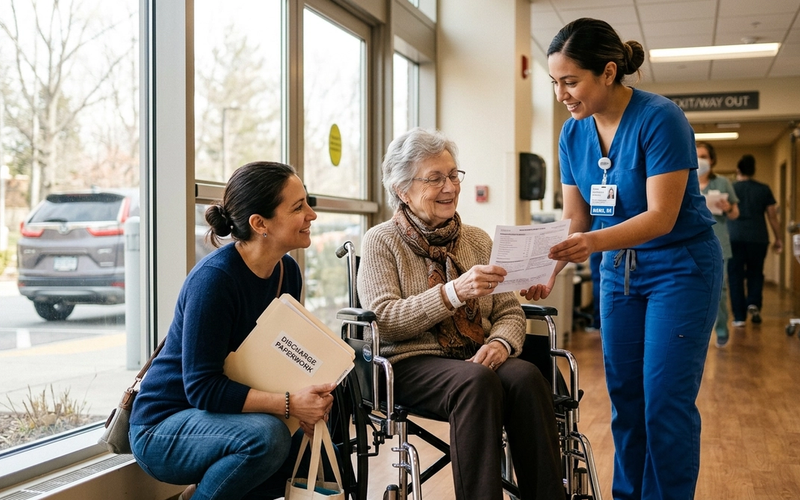
Hospital Discharge Planning for Seniors: A Family Guide
A hospital discharge for an older parent is a decision, not just a notice. Here is how discharge planning actually works, where families have leverage, and how to appeal a discharge you think is unsafe.
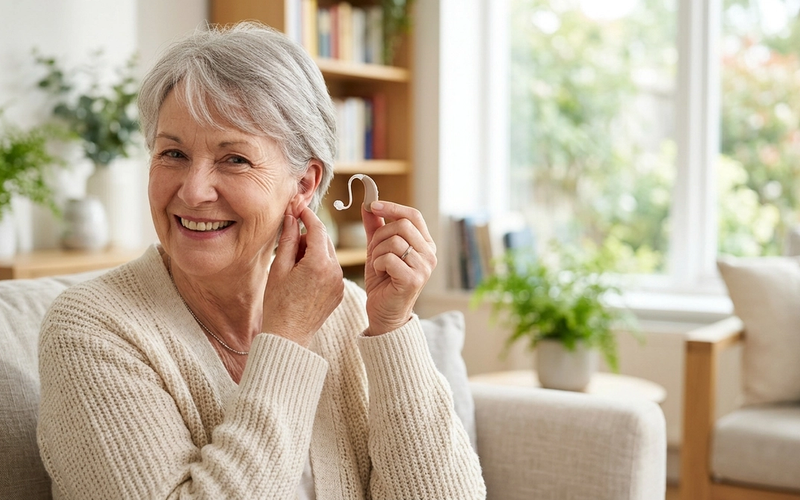
OTC Hearing Aids for Seniors: A 2026 Buyer's Guide
Over-the-counter hearing aids let adults with mild to moderate hearing loss skip the clinic and buy directly. Here is what they cost, who they fit, who should avoid them, and how they compare with prescription devices.
Explore senior living options
Comparing care for yourself or a family member? Browse communities by care type and see what each option typically costs.
- Assisted livingHelp with daily activities, costs, and how to choose a community.
- Independent livingMaintenance-free communities for active older adults.
- Home careIn-home support for seniors aging in place.
- Nursing homesSkilled nursing care and Medicare star ratings.
- Senior apartmentsAge-restricted, budget-friendly rental housing.
- Cost of senior livingCompare typical monthly prices by care type and state.