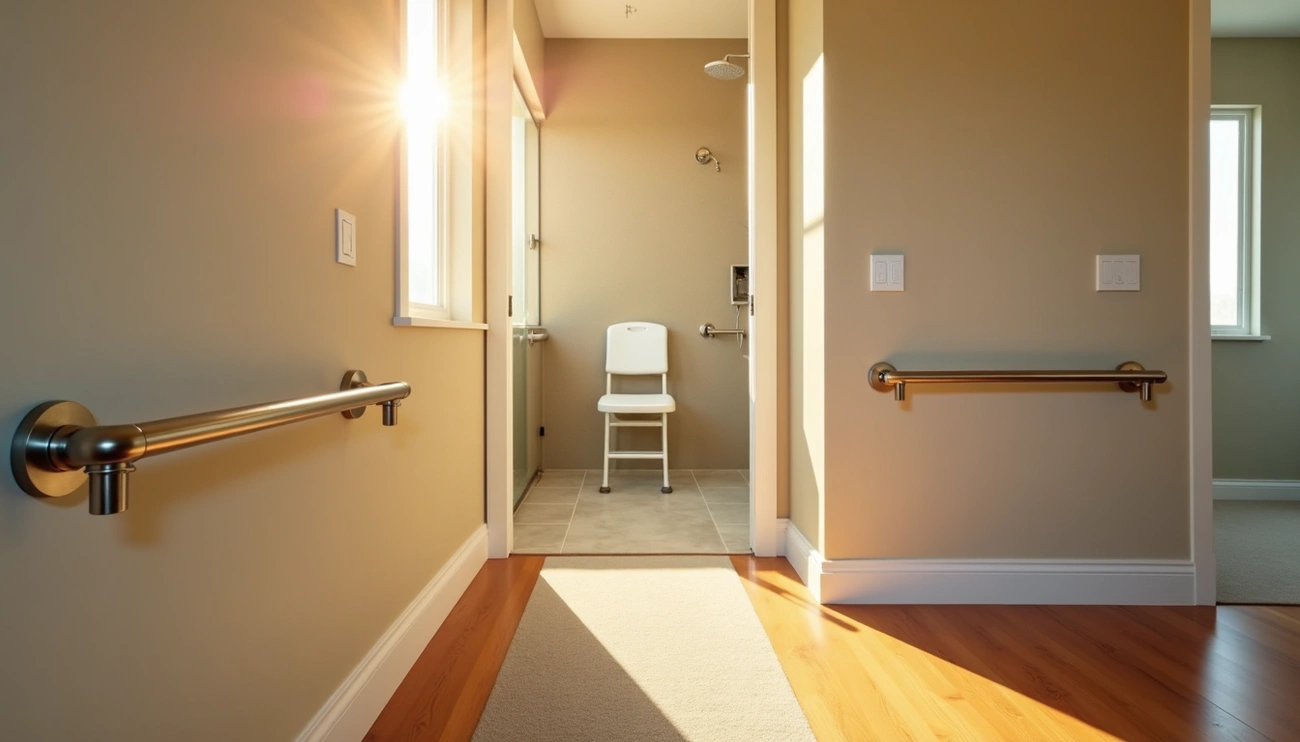

Assisted living facilities provide housing and care for approximately 750,000 people across the United States. These communities help seniors maintain their independence while receiving necessary support with daily activities. The nation currently has around 31,000 assisted living facilities, far exceeding the 15,700 nursing homes counted in 2012.
Assisted living facilities offer a residential option for seniors who need some help with daily tasks but don’t require the intensive medical care found in nursing homes. These communities address a common challenge many seniors face when living alone: isolation. Facility sizes vary considerably, from smaller settings with as few as 25 residents to larger communities housing 100 or more people. The term encompasses both commercial buildings and residential homes known as Residential Assisted Living homes or “RAL”.
Finding the right care option for your loved one requires understanding what assisted living provides. This guide explores assisted living services, typical costs (currently averaging around $4,500 per month or $54,000 annually), and the types of care available. You’ll also learn who benefits most from this living arrangement, with current data showing that 54 percent of residents are 85 years or older, while 74 percent are female.
What is an assisted living facility?
An assisted living facility provides housing and personalized care for individuals who need help with daily activities but don’t require constant medical supervision. These communities create a supportive environment where residents can maintain their independence while receiving assistance when needed.
Definition and purpose
An assisted living facility offers individualized care to meet specific needs and preferences. These facilities serve individuals who need assistance with activities of daily living (ADLs) such as bathing, dressing, and medication management. The purpose of assisted living is helping people live as independently as possible while providing support when necessary. Residents typically have their own apartment with a kitchenette and private bath, plus access to common areas for dining, exercise, and recreation.
How it differs from nursing homes
Assisted living facilities provide a different level of care than nursing homes. Nursing homes offer 24-hour skilled nursing care for people with serious health conditions, while assisted living serves those who need support but not intensive medical services. Assisted living residents often drive their own cars and come and go as they please, maintaining greater independence. These communities focus on social engagement and quality of life rather than medical treatment.
Common misconceptions
Some people believe moving into an assisted living facility means giving up independence. These communities are actually designed to help residents maintain independence as long as possible. Another myth suggests assisted living costs are prohibitively expensive. When you compare costs of home modifications, utilities, meals, and potential emergency support, assisted living often proves more predictable and manageable. Some worry assisted living won’t feel like home, but residents can decorate their spaces and maintain their own schedules. Many assume residents face isolation, when these communities actually foster connections through social activities and events.
Types of Assisted Living Facilities
Assisted living communities come in various forms, each designed to meet different needs and preferences. Whether you’re looking for an intimate, home-like setting or a full-service community with multiple care levels, understanding these options helps you find the right fit.
Residential Care Homes
Residential care homes, also called board and care homes, house 20 or fewer residents in a family-like atmosphere. These smaller facilities offer personal care, meals, and 24-hour staff availability, though medical care is usually limited. The higher staff-to-resident ratio than larger facilities creates a more personalized experience for residents.
Cost considerations for residential care homes include:
- Average monthly fees around $3,932 in some areas
- Often more affordable than larger assisted living communities
- Fewer amenities but more individualized attention
Continuing Care Retirement Communities
Continuing care retirement communities (CCRCs), sometimes called life plan communities, offer independent living, assisted living, and skilled nursing care on a single campus. With approximately 1,900 CCRCs nationwide, these communities allow residents to transition between care levels as their needs change without relocating to a different facility.
CCRCs require significant financial commitment:
- Entrance fees averaging about $402,000
- Monthly fees averaging $3,555
- Stability and predictability for long-term care planning
Memory Care Units
Memory care units provide specialized care for individuals with Alzheimer’s disease, dementia, and other cognitive impairments. This fastest-growing sector in senior housing increased by nearly 84% between 2013 and 2023. These secure environments prevent wandering through features like alarmed doors, coded elevators, and enclosed outdoor spaces. Staff members receive specialized training in dementia care techniques.
Memory care costs typically fall between standard assisted living and nursing homes, with private rooms averaging $116,800 annually.
Luxury and Budget Options
Assisted living communities range from budget-friendly to high-end luxury facilities. Luxury communities offer upscale amenities like swimming pools, gourmet dining with on-site chefs, and concierge services. Budget-friendly communities focus on essential services and practical care without premium features, while still providing comfortable living spaces, basic meal plans, and social activities at more affordable rates.
Your choice between luxury and budget options depends on personal preferences, lifestyle expectations, and financial resources.
What Services Are Provided in Assisted Living?
Assisted living facilities offer much more than just housing. These communities provide support services that help seniors maintain their independence while receiving assistance with tasks that have become challenging.
Help with Daily Activities
Currently, 81% of residents receive assistance with activities of daily living. Facilities typically provide help with the following tasks:
- Bathing and personal hygiene
- Dressing and grooming
- Toileting assistance
- Housekeeping and laundry
- Meal preparation
Many communities create personalized care routines for each resident. You might find morning dressing assistance or evening bathing schedules tailored to individual preferences. Staff members remain available 24 hours daily to respond to both planned and unexpected needs. This approach allows seniors to receive necessary help while maintaining as much independence as possible.
Medical and Medication Support
Medication management represents one of the primary reasons families choose assisted living for their loved ones. The average resident takes approximately 13 medications, with three required daily. Services include medication reminders, dose tracking, and proper administration.
Many facilities employ full-time registered nurses who provide round-the-clock availability for health questions and medical assessments. Additional medical support often includes:
- Regular health assessments
- Fall prevention programs
- Specialized meal plans for dietary restrictions
- Coordination with outside healthcare providers
Social and Recreational Programs
Social activities form a central part of quality assisted living. Communities design diverse programs to match different abilities and interests. Popular activities include arts and crafts, cooking classes, fitness programs, dancing, and game tournaments. Many facilities also organize outings to museums, local attractions, and community events.
These programs serve important purposes beyond entertainment. Research shows that social participation connects to improved cognitive function, increased longevity, and enhanced overall well-being.
Transportation and Housekeeping
Transportation services are available in most assisted living communities, with more than half providing complimentary rides and about 75% offering transportation for a fee. Scheduled transportation typically covers medical appointments, shopping trips, and social activities.
Housekeeping services remove the stress of home maintenance for residents. Professional staff handle:
- Regular cleaning of private apartments and common areas
- Laundry services
- General maintenance tasks
Housekeeping teams follow strict safety and infection control protocols to maintain a clean, healthy environment for all residents.
Who is assisted living for?
Assisted living serves a diverse population with varying needs, from long-term residents to those seeking short respite stays. Understanding who benefits from these communities helps you make informed decisions about your loved one’s care.
Typical resident profiles
Most assisted living residents are women (67%) and predominantly white (92%). The majority are 85 and older (53%), with 31% ages 75-84, 10% ages 65-74, and 6% younger than 65. Health conditions commonly found among residents include high blood pressure (58%), Alzheimer’s disease or dementia (44%), heart disease (33%), and depression (26%). Currently, 62% of residents need help with three or more activities of daily living.
Signs it may be time to consider assisted living
You might consider assisted living when your loved one experiences:
- Daily activities becoming challenging (bathing, dressing, medication management)
- Recent health changes or increased falls
- Home maintenance becoming overwhelming
- Social isolation or depression developing
- Memory issues affecting safety
- Family caregivers experiencing burnout
As one caregiver noted, “I couldn’t continue to do what I was doing”.
Short-term vs long-term stays
The average stay in assisted living lasts approximately 22 months. Many seniors eventually transition to nursing facilities for more intensive care. Short-term stays serve several purposes: post-hospitalization recovery, caregiver respite, or trying out a community before committing. These temporary options typically include the same services as long-term residence but without permanent commitment.
Bottom Line
Choosing an assisted living facility requires understanding your loved one’s specific needs and preferences. Assisted living bridges the gap between independent living and nursing home care, offering personalized support while maintaining dignity and autonomy.
The decision often comes down to practical considerations: Can your loved one safely manage daily activities? Are family caregivers feeling overwhelmed? Has social isolation become a concern? These facilities address these challenges through structured support, social engagement, and 24-hour staff availability.
Consider your options carefully. Residential care homes offer intimate settings with higher staff-to-resident ratios. Continuing care retirement communities provide long-term stability with multiple care levels available on one campus. Memory care units specialize in dementia support with secure environments and trained staff.
Start your search by identifying your loved one’s care needs and budget constraints. Visit facilities in person, ask about services included in monthly fees, and inquire about care plan flexibility as needs change. Many communities offer short-term stays that allow families to experience the environment before making long-term commitments.
Remember that the average stay lasts approximately 22 months, and many residents eventually require nursing home care. Choose a facility that can adapt to changing needs or has transition options available. The monthly cost averaging $4,500 often provides more predictable expenses than managing care needs at home.
Finding the right assisted living facility takes time and research, but the investment in your loved one’s safety, social engagement, and quality of life makes the effort worthwhile.
Key Takeaways
Understanding assisted living facilities helps families make informed decisions about senior care options that balance independence with necessary support.
• Assisted living bridges independence and care – These facilities serve 750,000+ Americans who need daily activity help but not intensive medical supervision like nursing homes provide.
• Multiple facility types match different needs – Options range from intimate 20-resident care homes ($3,932/month) to luxury CCRCs with entrance fees averaging $402,000.
• Comprehensive services beyond housing – 81% of residents receive daily living assistance, plus medication management, social programs, transportation, and 24/7 staff availability.
• Typical residents are women 85+ needing help – 67% are female, 53% are 85+, with average stays lasting 22 months before potential nursing home transition.
• Consider when safety and isolation become concerns – Key indicators include difficulty with daily tasks, recent falls, overwhelming home maintenance, or family caregiver burnout.
The average cost of $4,500 monthly often proves more predictable than home care expenses when factoring in modifications, utilities, meals, and emergency support needs.
FAQs
Q1. What is the main difference between an assisted living facility and a nursing home? Assisted living facilities provide support for daily activities while promoting independence, whereas nursing homes offer round-the-clock medical care for those with serious health conditions. Assisted living residents often maintain more autonomy, such as driving their own cars and participating in social activities.
Q2. What services are typically provided in an assisted living facility? Assisted living facilities offer a range of services including help with daily activities (bathing, dressing, etc.), medication management, social and recreational programs, transportation, and housekeeping. Many also provide 24-hour staff availability and coordination with outside healthcare providers.
Q3. How long do residents typically stay in assisted living? The average stay in an assisted living facility is approximately 22 months. However, this can vary significantly depending on individual needs and circumstances. Some residents may stay for shorter periods, while others may remain for several years.
Q4. Who is the typical resident in an assisted living facility? The majority of assisted living residents are women (67%) and over 85 years old (53%). Most need help with three or more activities of daily living and may have conditions such as high blood pressure, heart disease, or early-stage dementia.
Q5. How much does assisted living usually cost? The average cost of assisted living is around $4,500 per month or $54,000 annually. However, costs can vary widely depending on location, amenities, and level of care needed. Some facilities offer luxury options, while others provide more budget-friendly alternatives.