
What Is the Sandwich Generation? A Real Parent's Guide to Double Duty Care
Finding yourself caring for both your children and aging parents simultaneously can feel overwhelming. If you’re feeling stretched between supporting your growing children while also helping your aging parents, you’re part of what researchers call the sandwich generation. According to the Pew Research Center, almost half of adults aged 40 to 59 find themselves balancing caregiving roles…

If you're caring for both your children and aging parents at the same time, you're far from alone. Nearly half of adults aged 40 to 59 do this, according to the Pew Research Center. The term for it—sandwich generation—captures that squeezed feeling of being pulled in two directions at once.
The numbers tell the story. More than 1 in 10 parents are supporting an adult child while also caring for an aging parent. That dual responsibility takes a real toll: sandwich caregivers spend roughly $10,000 per year on caregiving, lose sleep to competing demands, and face serious financial and emotional strain. The burden falls heaviest on women, who make up 60% of sandwich caregivers and typically spend 45 minutes more each day on these tasks than men do.
This guide walks through what sandwich caregiving actually looks like and what you can do about it. You'll find concrete strategies for managing the stress, along with resources for when you need support. The focus is on real problems and solutions you can use, not theory.
- What is the sandwich generation?
- Definition and age range
- Why this generation is growing
- Cultural and demographic factors
- The double duty dilemma: common challenges
- Time constraints and burnout
- Financial strain and caregiving costs
- Emotional toll and mental health impact
- Real-life caregiving: stories from the frontline
- Balancing a full-time job and caregiving
- When your child and parent need you at once
- Making hard choices between generations
- Practical solutions for managing dual caregiving responsibilities
- Establish clear boundaries and share responsibilities
- Take advantage of digital tools and apps
- Request workplace flexibility
- Connect with support networks
- Develop an organized caregiving plan
- Bottom line
- Key takeaways
- FAQs
What is the sandwich generation?
The sandwich generation describes middle-aged adults caring for both aging parents and their own children at the same time. The term emerged in the 1980s. It's not a specific age group like Baby Boomers—it's a caregiving situation. These adults find themselves squeezed between the needs of two generations.
Definition and age range
Most sandwich caregivers are between 40 and 59 (about 71% of the group). Around 19% are younger than 40, and 10% are 60 or older. Men and women are equally likely to take on this role.
Caregiver expert Carol Abaya divides this into three categories:
- Traditional sandwich caregivers care for aging parents and dependent children.
- Club sandwich caregivers are in their 40s or 60s and care for aging parents, adult children, and grandchildren.
- Open-faced sandwich caregivers are anyone else involved in elder care.
Why this generation is growing
People are living longer thanks to medical advances, which means more years of potential care needs for chronic conditions. At the same time, many adults delay having children. The average age for a first-time mother is now 27, and many wait until their 30s or 40s. These two trends collide: adult children whose parents are aging while those children still need support.
Economic pressure made it worse. After the 2008 financial crisis, millions of young adults moved back in with their parents—about 29% of adults aged 25 to 34 still live at home. Student debt and high education costs mean parents support adult children longer than previous generations did.
Cultural and demographic factors
Hispanic adults (31%) are more likely than white (24%) or Black (21%) adults to be sandwich caregivers. This reflects cultural values: many Hispanic families see nursing home care as unacceptable and prefer keeping aging parents at home.
Income and education matter too. About 43% of people earning $100,000 or more annually are sandwich caregivers, compared to just 17% of those making under $30,000. About 30% of adults with bachelor's degrees take on this dual role, versus 20% with less education.
Married adults (36%) are nearly three times more likely than unmarried adults (13%) to be sandwich caregivers, probably because shared household responsibilities make it more feasible to absorb both caregiving roles.
The double duty dilemma: common challenges
Sandwich caregiving affects nearly every part of your life—your time, your money, your health, your relationships. These challenges are real and they compound each other.
Time constraints and burnout
Sandwich caregivers spend about 50 hours per week on caregiving: 22 hours for aging parents, 28 hours for children under 18. That's essentially a second full-time job on top of work. There's little time left for yourself. Burnout is common and severe.
Financial strain and caregiving costs
The money pressure is substantial:
- 47% can't cover basic household expenses because of caregiving costs.
- 36% report serious financial difficulty—double the rate of those caring only for elderly parents.
- 90% cut expenses (34%), drain emergency savings (26%), or take on debt (26%) to manage caregiving.
- 51% sacrifice their own financial security to provide care.
- 45% accumulate credit card debt from caregiving expenses.
Emotional toll and mental health impact
The psychological weight is significant. After COVID-19, dual caregivers reported worse well-being and more loneliness than non-caregivers. Sandwich caregivers are twice as likely to experience substantial emotional difficulty (44%) compared to those caring only for elderly parents (32%).
Women shoulder more of this emotional burden: 50% report mental health impacts, versus 39% of men. The stress leads to poor decisions—40% of caregivers make financial choices they later regret. Physical health suffers too: neglected medical appointments, skipped self-care, and stress-related illness are common.
Real-life caregiving: stories from the frontline
Statistics describe the sandwich generation, but real stories show what it actually feels like.
Balancing a full-time job and caregiving
Karen is a legal aide who enjoys her work. But her mother's dementia is advancing, and Karen is facing the possibility of leaving her job. She's one of 61% of family caregivers who also work full-time. Working caregivers juggle employer demands with care recipient needs: help with daily living, medical tasks, coordinating services, driving to appointments.
It looks like scheduling doctor's appointments during lunch breaks, taking calls from home health aides between meetings, using vacation days for eldercare emergencies. The constant negotiation between professional duties and caregiving wears people down.
When your child and parent need you at once
One caregiver said: "I feel like I'm running from one task to the next without a break." That's the reality. You're driving your teenager to soccer while your parent's doctor calls. You're helping with homework while sorting your father's weekly medications. These moments demand quick choices and careful planning.
There's no perfect answer. Many caregivers find that talking openly with both generations helps everyone understand the competing demands and why certain choices have to be made.
Making hard choices between generations
One woman faced an impossible choice: her aunt's deathbed or her son's first band concert. She chose the concert. Her aunt, an opera singer, would have approved. These moments capture the impossible choices sandwich caregivers make regularly.
These decisions are never easy, but open communication with both generations can ease the guilt and help family members understand what's necessary.
Practical solutions for managing dual caregiving responsibilities
You don't have to figure this out alone. Several concrete strategies can reduce overwhelm and help you manage both roles more effectively.
Establish clear boundaries and share responsibilities
Before taking on new caregiving tasks, ask yourself honestly: can I actually do this? Setting clear expectations with your parents and children helps establish limits that protect your well-being. It's okay to say no.
When you decline a request, explain without frustration so your parents understand. Look for tasks other family members can handle remotely—managing calendars, organizing paperwork—to save yourself time.
Take advantage of digital tools and apps
Technology can simplify logistics. CareMobi connects family caregivers, in-home aides, and doctors in one place. Care3 stores health records, tracks current health status, coordinates appointments, and organizes tasks. CareZone and Lotsa Helping Hands handle medication schedules, shared calendars, and task assignments.
These tools reduce scheduling conflicts and confusion. Everyone sees the same calendar and knows who's handling what.
Request workplace flexibility
Many employers offer accommodations for caregivers: remote work, adjusted hours (like 10am–7pm), compressed workweeks, or job sharing. The Family and Medical Leave Act (FMLA) provides up to 12 weeks of unpaid, job-protected leave for caregiving. Talk to your employer directly. 70% of caregivers have successfully negotiated changed work hours to accommodate caregiving.
Don't assume it's impossible. Most employers prefer keeping good employees over replacing them.
Connect with support networks
Support groups matter. They teach practical skills—boundary setting, asking for help, managing difficult emotions. They also reduce the isolation of caregiving. Ask your doctor for referrals, search online, or contact local hospitals and community centers.
Groups range from professional-led meetings to informal peer discussions. Find what works for you.
Develop an organized caregiving plan
A master schedule prevents things from falling through the cracks. List all caregiving duties clearly: medical appointments, medications, household tasks, transportation, personal care, social activities. Designate one person to coordinate updates. Mobile apps can automate scheduling and send real-time updates.
The point isn't just organization—it's building in regular breaks for yourself so you don't burn out. You can't care for anyone if you're depleted.
Bottom line
Sandwich caregiving creates real, significant challenges. The time demands are heavy. The financial burden is real. The emotional weight is considerable. But these challenges can be managed.
What works is a combination of clear boundaries, practical tools, workplace flexibility, and support from others. You don't have to do everything alone. Delegate to other family members. Use apps to reduce coordination overhead. Access community resources. Many employers have programs for caregivers, and FMLA can provide crucial protection.
The sandwich generation will keep growing as people live longer and family structures shift. With the right strategies and support, you can meet both generations' needs without sacrificing your own health. Taking care of yourself allows you to take care of everyone else.
Key takeaways
Nearly half of adults aged 40–59 are sandwich caregivers, spending 50 hours per week on caregiving while often maintaining full-time jobs.
Financial strain is significant: caregivers spend $10,000 annually on caregiving, and 47% can't cover basic household expenses.
Set clear boundaries, delegate tasks, and use caregiving apps to streamline coordination.
Seek workplace flexibility—70% of caregivers have successfully changed their work hours to accommodate caregiving.
Join a support group and build realistic schedules that include breaks for yourself to prevent burnout.
Caring for two generations is hard work. With proper planning, boundaries, and support, you can fulfill these responsibilities while protecting your own health.
FAQs
Q1. What is the sandwich generation?
The sandwich generation refers to middle-aged adults—typically 40–59 years old—caring simultaneously for aging parents and their own children. They're squeezed between the needs of two generations.
Q2. Why do sandwich caregivers experience high stress?
They face time constraints, financial strain, and emotional pressure. Spending about 50 hours per week on caregiving while holding a job, managing $10,000 in annual caregiving expenses, and juggling the emotional needs of two generations leads to serious burnout.
Q3. Where did the term "sandwich generation" come from?
The term was coined in the 1980s to describe adults caught between caring for parents and children. It's not a specific age group but a caregiving situation.
Q4. What strategies help sandwich caregivers manage their responsibilities?
Set clear boundaries, delegate tasks, use caregiving apps, request workplace flexibility, join support groups, and create realistic schedules that include time for yourself.
Q5. Are there different types of sandwich caregivers?
Yes. Traditional sandwich caregivers support aging parents and dependent children. Club sandwich caregivers support aging parents, adult children, and grandchildren. Open-faced sandwich caregivers are anyone else involved in elder care.
Q3. How did the term “sandwich generation” originate? The term “sandwich generation” was coined in the 1980s to describe adults caught between caring for their parents and children. It’s not a specific age group, but rather a caregiving situation where individuals feel squeezed between the needs of two generations.
Q4. What practical strategies can help sandwich generation caregivers manage their responsibilities? Sandwich generation caregivers can benefit from setting clear boundaries, delegating tasks, using caregiving apps and tools, seeking workplace flexibility, joining support groups, and creating realistic caregiving schedules. These strategies can help manage stress and maintain a better work-life balance.
Q5. Are there different types of sandwich generation caregivers? Yes, there are three main types of sandwich generation caregivers: traditional sandwich (caring for aging parents and dependent children), club sandwich (caring for aging parents, adult children, and grandchildren), and open-faced sandwich (anyone else involved in elder care).
Frequently asked questions
Get matched
Looking for senior care for someone you love?
Tell us what you're considering. We'll share independent matches and pricing directly with you. No phone calls until you ask for one.
- Takes about two minutes to complete.
- Pricing details emailed to you. No phone calls until you ask for one.
- Independent matching. We do not own the communities we list.
Loading the matching form…
Powered by SilverAssist. By submitting this form you agree to our privacy policy.
More from our editors
All articles
Best Weekend Trips and Short Getaways for Seniors
The best weekend trips for seniors are short, close to home, and built around one relaxed idea. Here are the kinds of short getaways that work well for older travelers, with real examples and how to plan one.
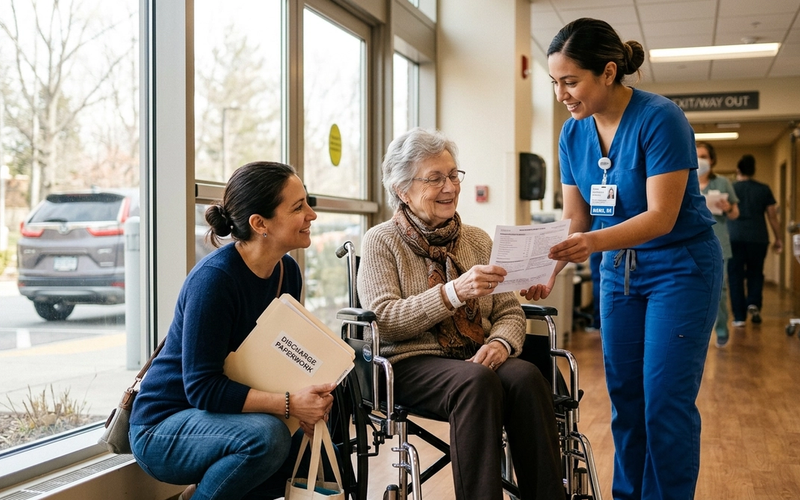
Hospital Discharge Planning for Seniors: A Family Guide
A hospital discharge for an older parent is a decision, not just a notice. Here is how discharge planning actually works, where families have leverage, and how to appeal a discharge you think is unsafe.

OTC Hearing Aids for Seniors: A 2026 Buyer's Guide
Over-the-counter hearing aids let adults with mild to moderate hearing loss skip the clinic and buy directly. Here is what they cost, who they fit, who should avoid them, and how they compare with prescription devices.
Explore senior living options
Comparing care for yourself or a family member? Browse communities by care type and see what each option typically costs.
- Assisted livingHelp with daily activities, costs, and how to choose a community.
- Independent livingMaintenance-free communities for active older adults.
- Home careIn-home support for seniors aging in place.
- Nursing homesSkilled nursing care and Medicare star ratings.
- Senior apartmentsAge-restricted, budget-friendly rental housing.
- Cost of senior livingCompare typical monthly prices by care type and state.