Key Takeaways
- Senior wellness centers should offer evidence-based programs that have proven health benefits. Look for research-backed activities like SilverSneakers, chronic disease management workshops, and structured fitness classes that demonstrate measurable improvements in health outcomes.
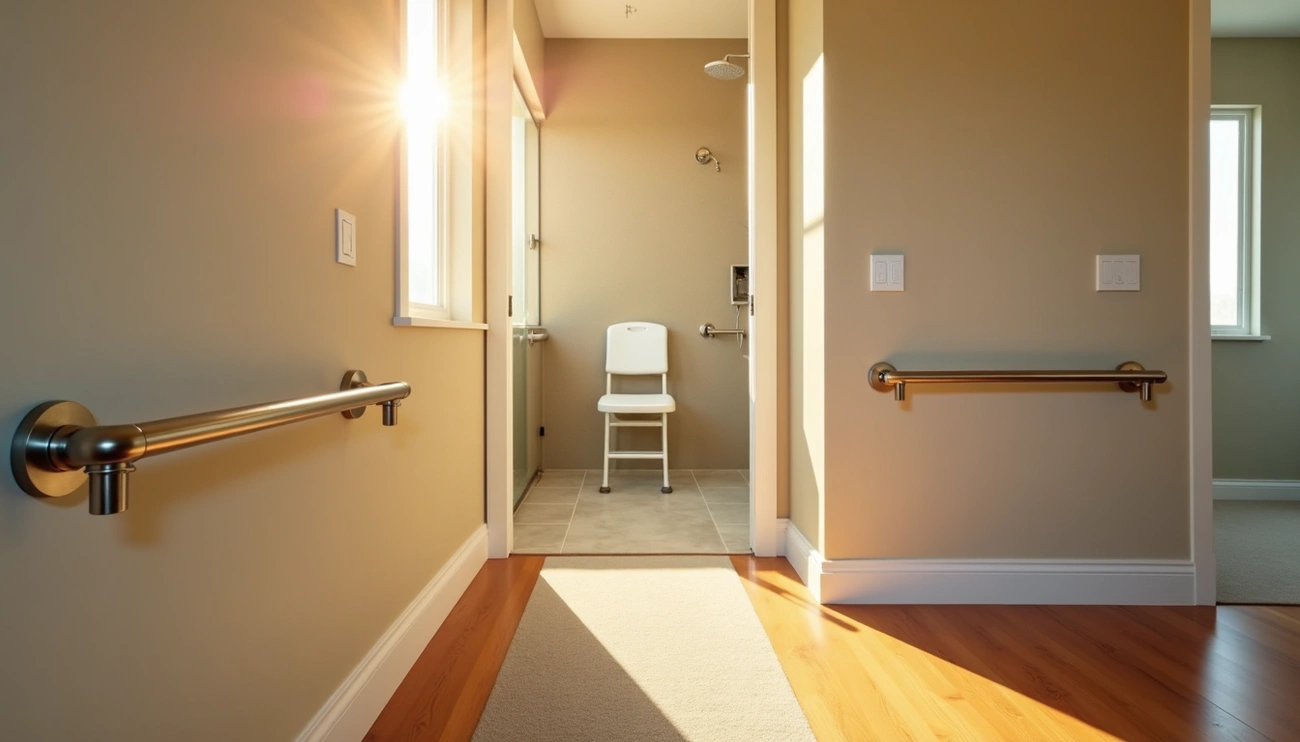
- Accessibility features determine whether you can safely use the facility. Quality centers include step-through equipment, 36-42 inch clear aisles, grab bars, and low step-up heights to accommodate different mobility levels.
- Staff qualifications directly impact your safety and care quality. Verify that staff hold CPR/First Aid certifications, food safety credentials like ServSafe, and specialized training for working with older adults.
- Community partnerships expand the services available to you. The best centers work with healthcare providers, universities, and local organizations to offer services beyond basic programming.
- Your input should shape the programs offered. Centers that actively seek member feedback through formal councils and implement participant-driven programming create more relevant experiences.
Choosing the right senior wellness center can significantly impact your quality of life as you age. Senior centers throughout Tennessee offer accessible options, with facilities located in communities across the state. These centers provide social, emotional, and physical well-being support for adults age 60 and over. Understanding what makes a quality facility becomes essential when you search for health clubs for seniors or wellness centers in your area.
This guide explores the core features that distinguish exceptional senior health and wellness centers. Whether you’re researching community-based centers or private facilities, knowing which amenities and services matter most helps you make informed decisions for active aging.
What to Look for in Senior Wellness Center Programs
Programs at quality senior wellness centers go well beyond basic exercise classes. You’ll want to find centers that offer evidence-based programs – those that have undergone rigorous evaluation through randomized controlled trials and receive independent assessment for research quality and dissemination readiness.
Physical activity programs form the core of what you should expect. SilverSneakers operates at over 17,000 locations nationwide, offering classes from strength training to water aerobics. Programs like EnhanceFitness, Tai Chi for Arthritis and Falls Prevention, and Stay Active and Independent for Life provide structured approaches to improve mobility, balance, and strength. Research shows older adults with active lifestyles develop fewer diseases and experience longer lifespans.
Educational opportunities help keep minds sharp. Lifelong learning programs through institutions like Osher Lifelong Learning Institute serve citizens 50 and older with non-competitive, noncredit courses. Digital literacy classes address technology skills, covering everything from basic computer functions to social media navigation.
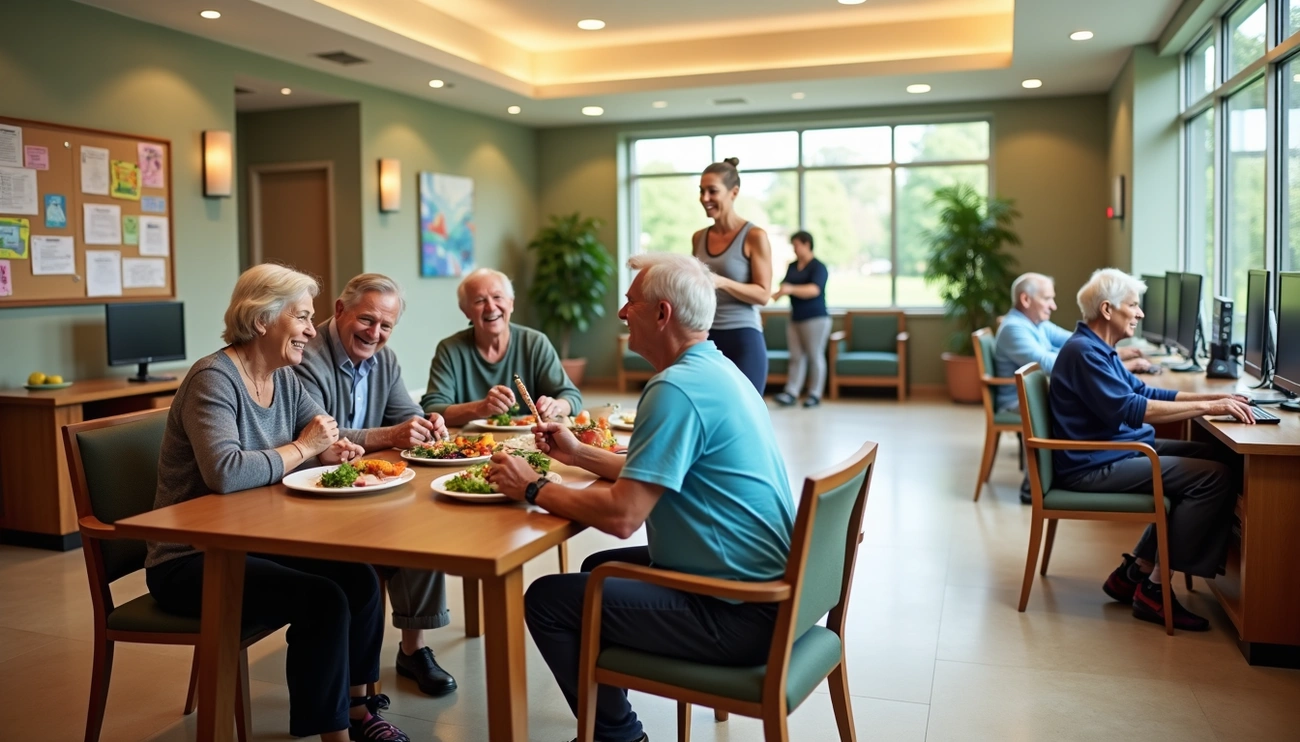
Nutrition services deserve equal consideration when you evaluate centers. Congregate meal programs provide hot, nutritious meals meeting USDA dietary guidelines while creating social connection opportunities. About 54% of participants report these meals supply at least half their daily food.
You should also look for chronic disease self-management workshops. These teach participants techniques for managing conditions like diabetes, arthritis, and chronic pain through six-week structured programs developed at Stanford University.
What to Look for in Senior Wellness Center Facilities
Physical accessibility determines whether a senior wellness center can truly serve your needs. When you’re evaluating exercise equipment for seniors, accessibility features like handrails, grab bars, and non-slip materials become essential safety requirements. Universal design principles create spaces that work for everyone, much like automatic sliding doors that help people regardless of their mobility level.
Equipment specifications make a significant difference in your safety and comfort. Look for machines with step-through access, low start speeds, and extended handrails to reduce fall risk. Recumbent bikes, seated cross-trainers, and treadmills with low step-up heights accommodate different mobility needs. Accessibility standards require facilities to maintain 36 to 42 inch clear aisles and provide 60 inch turning circles for wheelchairs and mobility devices.
Outdoor fitness areas need thoughtful planning to be effective. Quality centers place equipment in shaded locations or add shade sails to protect you from sun exposure. You’ll want to see wide spacing between machines so wheelchairs and walkers can move through easily. Seating between workout stations allows for rest periods when needed.
Dining spaces have changed considerably from traditional cafeteria setups. Modern senior health and wellness centers typically offer multiple dining venues, with an average of three per community, and many seniors now prefer casual settings over formal dining rooms. Open kitchens and demonstration areas create opportunities for interaction, while multipurpose rooms can adapt for different activities throughout the day. Natural lighting through skylights and large windows helps boost vitamin D production and supports healthy sleep patterns.
What to Look for in Staff Qualifications and Community Connections
Quality senior wellness centers maintain rigorous professional standards that set them apart from basic facilities. When evaluating a center, ask about staff training requirements. All full-time staff must complete training in Basic First Aid, CPR, and the Heimlich Maneuver, with at least one trained person present whenever participants attend. Food safety carries equal importance. At least one staff member certified by an American National Standards Institute accredited organization, such as ServSafe, stays present during food preparation, handling, or serving.
Look beyond basic safety certifications when assessing staff qualifications. Center management should demonstrate appropriate knowledge of working with elderly populations, manage administrative requirements accurately, and complete assessment documents and fiscal reports in a timely manner. The Certified Senior Advisor certification represents the leading credential for professionals serving older adults, with over 2,800 professionals currently certified across the United States. This designation requires passing a rigorous exam and upholding high ethical standards.
Participant input drives the most successful programs. Programs get implemented by and with participants, not for them. Ask whether center management has developed formal mechanisms for soliciting input through site councils, using feedback to plan and evaluate activities. Centers that actively seek member opinions create more engaging experiences.
Community partnerships can significantly expand available services. Senior wellness community centers collaborate with healthcare providers, universities, nonprofits, and local businesses to expand services. Nearly 300 senior centers have completed the National Institute of Senior Centers accreditation process, meeting nine standards of excellence for senior center operations. These partnerships often provide access to specialized programs you might not find at standalone facilities.
Conclusion
Finding the right senior wellness center means looking beyond basic amenities. Focus on facilities that offer evidence-based programs, accessible equipment, and certified professional staff. Equally important, choose centers where participant involvement shapes program development and community partnerships expand available services. When you research senior wellness community centers in your area, use these essential features as your checklist. The right center becomes your partner for maintaining independence, building connections, and thriving throughout your active aging journey.
FAQs
Q1. What types of programs should I look for in a quality senior wellness center? Look for evidence-based programs that include physical activity classes (like SilverSneakers, Tai Chi, and balance training), educational workshops, digital literacy courses, congregate meal programs, and chronic disease self-management workshops. The best centers offer structured programs that have been evaluated through research and proven effective for older adults.
Q2. What accessibility features are essential in senior wellness center facilities? Essential accessibility features include handrails, grab bars, non-slip flooring, automatic sliding doors, and equipment with step-through access and low start speeds. Facilities should have 36 to 42 inch clear aisles, 60 inch turning circles for mobility devices, and exercise equipment with extended handrails to minimize fall risk.
Q3. What staff qualifications should a senior wellness center have? All full-time staff should be trained in Basic First Aid, CPR, and the Heimlich Maneuver. At least one staff member should be certified in food safety by an accredited organization like ServSafe. Management should demonstrate knowledge of working with elderly populations and hold appropriate certifications, such as the Certified Senior Advisor credential.
Q4. How important are meal programs at senior wellness centers? Meal programs are very important, as they provide hot, nutritious meals meeting USDA dietary guidelines while creating opportunities for social connection. Research shows that 54% of participants report these congregate meals supply at least half their daily food intake, making them a vital service for many seniors.
Q5. What role do community partnerships play in senior wellness centers? Community partnerships significantly expand the services and resources available to members. Centers collaborate with healthcare providers, universities, nonprofits, and local businesses to enhance programming, increase access to specialized services, and create a more comprehensive support network for older adults.