
Senior living costs vary significantly across the United States, presenting planning challenges for families researching retirement care options. Independent living communities range from $1,500 to $4,000 per month depending on your location, with a nationwide median cost of $3,145 per month. Seniors who need additional assistance face higher expenses.
The monthly median cost of assisted living reaches $5,350, with dramatic state-by-state variations from $3,800 in Mississippi to $9,563 in the District of Columbia. Costs fluctuate based on apartment size, available amenities, and individual care needs, making it difficult to determine a standard cost for senior living facilities. The average Social Security income of just over $17,500 annually covers only the lower range of independent living expenses.
This guide examines the actual costs of various senior living options, explores factors that influence pricing, reviews payment methods, and compares senior living expenses to aging at home. You’ll find specific cost information and practical guidance to help you make informed decisions about senior living expenses for yourself or your loved one.
Understanding the Different Types of Senior Living
Senior living communities offer different levels of care to match individual needs and abilities. Each type provides specific services at corresponding cost levels.
Independent living: average monthly cost and services
Independent living communities serve active adults age 55 and older who can manage their daily activities without assistance. The nationwide median cost is $3,145 per month, though prices range from $1,500 to $10,000 depending on location and amenities. These communities typically include the following in their base fee:
- Housing and utilities
- Meal plans
- Housekeeping services
- Transportation
- Social activities and events
Independent living costs about 40% less than assisted living, making it the most affordable option for seniors who maintain their independence.
Assisted living: what it includes and how much it costs
Assisted living communities provide support with daily activities while allowing residents to maintain their independence. The national median cost reaches $5,190 per month, with state averages ranging from about $4,000 to $8,000. Most communities charge a base rate plus additional fees based on care needs determined during your initial assessment.
Assisted living services typically include meals, housekeeping, transportation, social activities, and assistance with bathing, dressing, medication management, and other personal care needs.
Memory care: specialized services and pricing
Memory care communities offer specialized support for residents with Alzheimer’s disease or other forms of dementia. The nationwide median cost is $6,450 per month, approximately 25% higher than standard assisted living. Memory care communities provide enhanced features designed for dementia care:
- Enhanced security systems
- 24-hour supervision with lower staff-to-resident ratios
- Specialized cognitive therapies
- Dementia-specific programming and activities
These communities generally charge all-inclusive fees that accommodate increasing care needs over time.
Skilled nursing: highest level of care and cost
Skilled nursing facilities provide the most intensive level of care, with median monthly costs of $9,277 for semi-private rooms and $10,646 for private rooms. These facilities offer 24-hour nursing care, specialized therapies, and complex medical interventions for residents who require ongoing medical attention.
Medicare coverage for skilled nursing care is limited. Medicare may cover the first 20 days completely, then charge a $200 daily copay for days 21-100, with no coverage beyond 100 days.
Key Factors That Influence Senior Living Costs
Several key factors work together to determine final pricing for senior living. Understanding what drives these costs can help you make informed decisions about the best options for your situation.
Location and regional cost of living
Geographic location substantially impacts senior living costs. Urban areas like New York City, San Francisco, and Los Angeles have higher expenses compared to rural settings. State variations are significant, with Alaska reporting some of the highest nursing home costs at approximately $30,000 per month for a semi-private room. Meanwhile, the same type of care in Texas averages about $5,000 monthly.
These differences stem from several factors:
- Local real estate values
- Property taxes
- Insurance costs
- Regional economic conditions
Level of care and medical needs
Care needs directly affect pricing. Basic assistance costs less, but specialized services like memory care for those with Alzheimer’s or dementia can increase expenses by 50-75%. This occurs because specialized care environments require higher staffing ratios and extensive training for team members. A thorough assessment determines exactly what level of assistance is needed, which ultimately affects pricing.
Amenities and lifestyle services
The services and amenities offered significantly influence costs. Communities with fitness centers, swimming pools, movie theaters, gourmet dining options, beauty salons, and transportation services command higher monthly fees. Luxury communities with resort-quality amenities such as wellness clinics, chauffeur services, and medical concierge suites naturally cost more. These premium features enhance residents’ quality of life but add to the overall expense.
Community size and apartment type
The size and type of living arrangements also affect pricing. Consider these typical variations:
- Private rooms typically cost more than shared ones
- Larger apartments (one or two-bedroom) increase monthly fees by 10-20% compared to studios
- Sharing an apartment with a roommate can reduce costs by 10-20%
- Some communities offer various floor plans to accommodate different budgets and preferences
How to Pay for Senior Living
So, how do you pay for senior living? The answer likely differs for everyone. Many seniors pull together living expenses from several sources, while others may have access to savings or investments that cover all housing costs. Here are common revenue sources to cover costs for senior living:
Using Social Security and retirement income
Most seniors rely on monthly Social Security benefits as their primary income source for senior living expenses. The average monthly benefit of $1,979 provides consistent income, though it covers only a portion of total costs. Many combine Social Security with pension payments and retirement savings from 401(k) plans or IRAs. Social Security alone falls short of covering full expenses, particularly when the national median for assisted living reaches $4,401 monthly.
Medicaid and long-term care insurance
Medicaid assists with specific aspects of senior living, primarily covering care services rather than room and board. Eligibility typically requires monthly income below $2,901 and assets under $2,000. Long-term care insurance specifically designed for elder care costs approximately $900 annually for a 55-year-old male seeking $165,000 in coverage. This insurance should ideally be purchased between ages 40-50 before health issues develop.
Private pay and out-of-pocket options
Many seniors pay from personal resources including savings, home equity, investments, and annuities. Some use real estate by selling or renting property. Bridge loans provide immediate funds while waiting for home sales or benefit approvals. Family members often contribute financially to share expenses.
Veterans benefits and other assistance programs
Veterans and surviving spouses may qualify for the Aid and Attendance benefit, providing up to $2,358 monthly for single veterans or $2,795 for married veterans. Eligibility requires at least 90 days of active duty with one day during wartime. Various state supplemental programs offer additional financial support for eligible seniors.
Comparing Senior Living to Aging at Home
Many people assume aging at home costs less than senior living, but the complete financial picture tells a different story.
Hidden costs of staying at home
Staying home involves expenses beyond mortgage or rent payments. A median-priced $400,000 home generates monthly costs of approximately $3,725, including property taxes, home insurance, utilities, regular maintenance, and repairs. Additional expenses accumulate over time:
- Housekeeping services ($177 monthly)
- Lawn care ($40-$80 per service)
- Groceries ($257 monthly for one person)
- Transportation ($819 monthly)
Home modifications and in-home care expenses
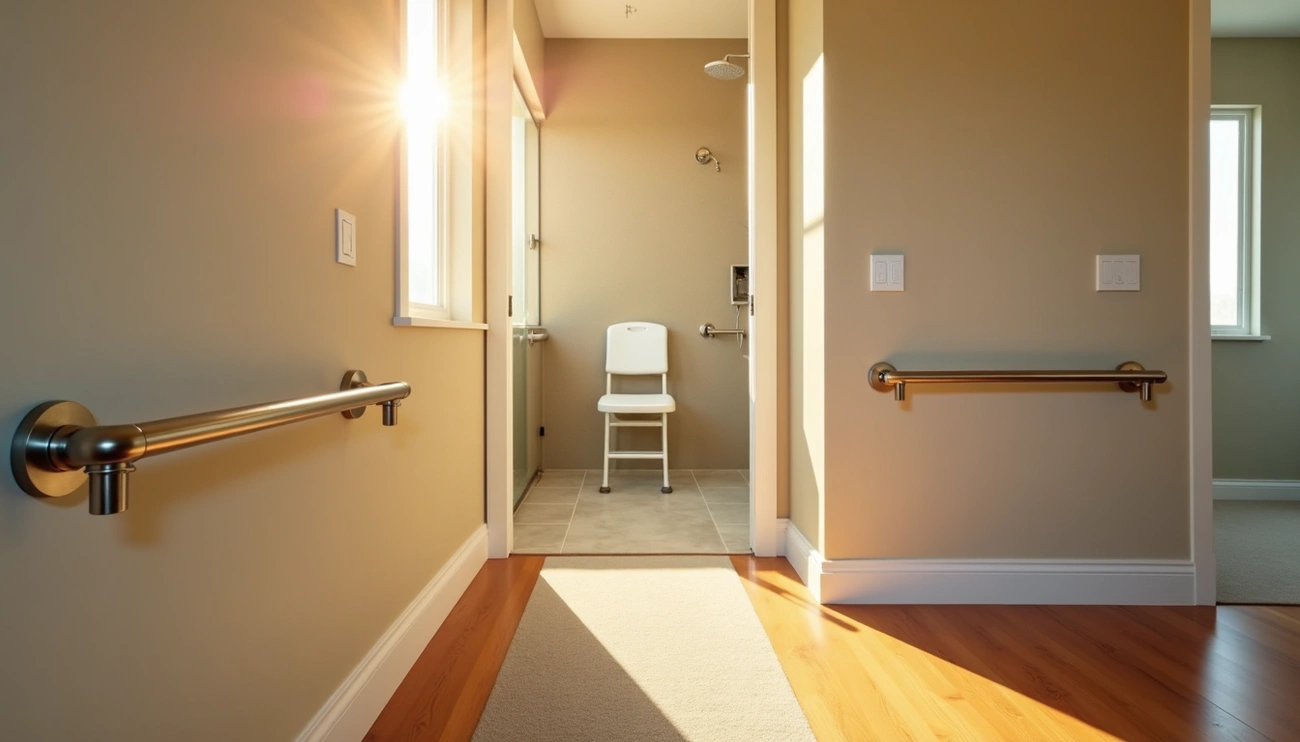
Accessibility needs often start small but expand with age. Basic safety modifications like grab bars cost $100-$500 each, while major renovations such as wheelchair ramps ($1,000-$4,000) or bathroom remodels ($3,000-$15,000) require substantial one-time investments. In-home care averages $33 per hour, with part-time care (4 hours daily, 5 days weekly) costing approximately $2,640 monthly.
When senior living becomes more cost-effective
Senior living typically becomes more economical once in-home care exceeds 40 hours weekly. With 44 hours of weekly care combined with home maintenance expenses, total costs reach approximately $9,533 monthly-exceeding the $5,350 median cost for assisted living. As care needs increase, senior communities offer predictable pricing along with stability and support services.
Bottom Line
Senior living costs require careful financial planning, with monthly expenses varying significantly based on your location and care needs. Someone requiring minimal assistance may find independent living communities affordable, while those with specialized care needs should expect higher costs for memory care or skilled nursing facilities.
Financial planning works best when started years before senior living becomes necessary. Social Security benefits cover only a portion of senior living expenses, making additional funding sources essential. Long-term care insurance, veterans benefits, and home equity can provide crucial supplemental income for those who plan ahead.
Aging at home may not always be the most economical choice. Once in-home care reaches 40 hours weekly, the combined costs of caregiving and home maintenance can exceed many assisted living options, while providing less support and social engagement.
Consider consulting with financial advisors who specialize in retirement planning to explore your options. You may also want to tour different senior living communities in your area to understand what services and amenities are included in their monthly fees. Understanding your specific care needs and available payment options will help you choose the most appropriate senior living arrangement for your situation.
Key Takeaways
Understanding senior living costs is crucial for retirement planning, as expenses vary dramatically by care level and location, making informed financial preparation essential.
• Senior living costs range from $3,145/month for independent living to $10,646/month for private skilled nursing care, with significant state-by-state variations.
• Social Security’s average $1,979 monthly benefit covers only a fraction of senior living expenses, requiring additional funding sources like long-term care insurance or veterans benefits.
• Aging at home becomes more expensive than assisted living once in-home care exceeds 40 hours weekly, challenging the assumption that staying home is always cheaper.
• Location dramatically impacts costs-identical services can cost twice as much in expensive states compared to affordable regions like Mississippi or Texas.
• Financial planning should begin years before senior living becomes necessary, as waiting until care is needed limits payment options and increases financial stress.
The key to managing senior living expenses lies in early planning, understanding true costs across all care levels, and exploring multiple funding sources to create a sustainable long-term strategy.
FAQs
Q1. What is the average monthly cost for different types of senior living? The average monthly cost varies by type of care. Independent living averages $3,145, assisted living $5,190, memory care $6,450, and skilled nursing ranges from $9,277 for semi-private rooms to $10,646 for private rooms.
Q2. How does location affect senior living costs? Location significantly impacts costs. Urban areas and states with higher costs of living tend to have more expensive senior living options. For example, assisted living can range from $3,800 in Mississippi to $9,563 in Washington D.C.
Q3. What financial options are available to pay for senior living? Several options exist, including Social Security benefits, retirement savings, long-term care insurance, Medicaid (for eligible individuals), veterans benefits, and private pay options such as selling a home or using personal savings.
Q4. Is it cheaper to age at home or move to a senior living community? While many assume aging at home is cheaper, it can become more expensive than assisted living once in-home care exceeds 40 hours weekly. Hidden costs of home maintenance, modifications, and care services can add up quickly.
Q5. How early should one start planning for senior living expenses? It’s advisable to start planning years before senior living becomes necessary. Early planning allows for more options, such as purchasing long-term care insurance or exploring various funding sources, which can significantly reduce financial stress later on.