
Why Elderly Sleep Problems Happen (And Expert Solutions That Work)
Elderly sleep problems affect between 40% and 70% of older adults, with up to half of these cases going undiagnosed. If you’ve noticed your senior loved one struggling with sleep, you’re witnessing a challenge that millions of families face. According to the Centers for Disease Control and Prevention (CDC), approximately 1 in 3 American adults report not…

Sleep problems affect 40 to 70 percent of older adults, and about half go undiagnosed. If your aging parent or spouse struggles to sleep, you're watching something millions of families deal with. The CDC reports that roughly one in three American adults say they don't get enough sleep.
You might wonder why your older loved one can't sleep through the night. It's not just getting older. Insomnia is the most common sleep disorder in people over 60, but the causes pile up. Some older adults barely notice changes, while others battle chronic sleep problems. As people age, a brain region called the suprachiasmatic nucleus (SCN) deteriorates—it's what tells you when to feel tired and when to stay alert.
Poor sleep causes real damage beyond daytime tiredness. Seniors who sleep poorly face higher rates of depression, memory problems, daytime sleepiness, and falls. Sleep loss also links to stroke, obesity, and heart and kidney disease. About 40 percent of people over 65 take five or more medications, many of which interfere with sleep.
This guide covers practical ways to help seniors sleep better. You'll find solutions for common sleep challenges and learn when to call a doctor. Understanding what causes the problem and what fixes it can help your loved one get the sleep they need.
- Why sleep changes as we age
- How circadian rhythms shift with age
- Melatonin and hormone changes
- Light exposure and its role in sleep
- Common causes of sleep problems in the elderly
- Chronic pain and discomfort
- Sleep apnea and breathing issues
- Restless legs and movement disorders
- Medication side effects
- Mental health and stress
- Why seniors struggle with nighttime sleep
- Consequences of poor sleep in older adults
- Increased risk of falls and injuries
- Cognitive decline and memory issues
- Mood disorders and depression
- Weakened immune system
- Solutions that help seniors sleep better
- Helping seniors get more deep sleep
- Sleep schedule consistency
- Bedroom environment improvements
- Dietary and exercise timing
- Addressing chronic insomnia
- When professional help is needed
- Bottom line
- Key takeaways
- FAQs
Why sleep changes as we age
Sleep patterns shift naturally over a lifetime. Most older adults experience lighter, more fragmented sleep with more frequent wake-ups during the night.
How circadian rhythms shift with age
Your internal biological clock—the suprachiasmatic nucleus (SCN)—sits in the brain's hypothalamus and controls when you feel sleepy and alert. This clock deteriorates with age and changes how you sleep.
Around age 60 to 65, circadian rhythms shift earlier, a process called "phase advance." Older adults become alert early in the morning, feel sleepy around 7 to 8 p.m., and wake around 3 to 4 a.m. based on their internal clock—earlier than they'd prefer.
Age also weakens the strength of circadian rhythms. This means seniors spend more time in light sleep and less in the deep, restorative sleep they need.
Melatonin and hormone changes
Melatonin, the body's natural sleep hormone, drops sharply with age. By ages 15 to 20, people produce 80 percent less melatonin than they did as children, and it keeps declining. This decrease directly contributes to sleep problems in older adults.
Cortisol patterns also change with aging. Cortisol levels stay higher at night and don't vary as much during the day, leading to more nighttime wake-ups.
Light exposure and its role in sleep
Many older people get only about an hour of daylight per day. This limited exposure is a problem because aging eyes absorb less light, particularly the blue wavelengths that regulate sleep-wake cycles.
Age-related vision changes—cataracts, yellowing lenses, and retinal wear—reduce the light reaching the SCN. Since light is the main signal for maintaining healthy circadian rhythms, these vision changes significantly affect sleep quality.
Common causes of sleep problems in the elderly
Several health conditions beyond normal aging disrupt sleep in older adults. Knowing what causes the problem helps explain why sleep issues are so common.
Chronic pain and discomfort
About 59 percent of people over 65 have chronic pain from arthritis. This persistent discomfort disrupts sleep. People with severe pain are more than twice as likely to have trouble falling asleep. Half of older adults with chronic pain report sleeping poorly, which also worsens pain-related distress.
Sleep apnea and breathing issues
Sleep-related breathing disorders are common in seniors. When throat muscles relax during sleep, the airway narrows or closes, stopping breathing momentarily. These episodes can occur 5 to 30 times per hour. Risk factors include excess weight, smoking, nasal congestion, and conditions like heart failure.
Restless legs and movement disorders
Restless leg syndrome (RLS) affects up to 25 percent of adults over 65. This neurological condition creates an urge to move the legs while resting, making it hard to fall asleep. Periodic limb movements also affect many seniors, causing involuntary leg movements every 20 to 40 seconds.
Medication side effects
Many common medications disrupt sleep. Pain medications, alpha-blockers, stimulants, and steroids can all cause sleep problems. Even sedatives and sleeping pills often backfire in older adults, making sleep worse.
Mental health and stress
Depression and anxiety disrupt sleep in seniors. About 40 percent of nursing home residents report depressive symptoms. Poor sleep worsens depression, which then worsens sleep further.
Why seniors struggle with nighttime sleep
The combination of aging changes, chronic conditions, frequent nighttime urination, medication effects, and stress creates multiple obstacles to sleep. Despite 40 to 70 percent of seniors reporting sleep problems, only about 19 percent have these issues documented by a doctor, suggesting the problem is underrecognized.
Consequences of poor sleep in older adults
Poor sleep affects much more than energy levels. The health risks extend to serious medical concerns that can drastically affect quality of life.
Increased risk of falls and injuries
Sleep quality and fall risk are closely connected. Seniors with sleep disturbances have a 14 percent higher risk from shorter sleep duration, a 30 percent higher risk from sleep disruptions, and a 21 percent higher risk from daytime dysfunction. Falls remain a leading cause of both fatal and non-fatal injuries in older adults.
Cognitive decline and memory issues
Sleep deprivation accelerates brain aging. Older adults with moderate sleep problems show brains that appear 1.6 years older than their actual age. Those with severe sleep problems show brains appearing 2.6 years older. Poor sleep also directly affects memory, with bad sleepers showing weaker word learning and visual memory.
Mood disorders and depression
Sleep problems and depression feed each other. Older adults with poor sleep face 5.6 times higher depression risk. Those with worsening insomnia have nearly 30 times the odds of having major depression.
Weakened immune system
Sleep supports immune function. Sleep loss disrupts immune responses and increases inflammation, potentially raising infection risk, weakening anti-tumor responses, and increasing vulnerability to heart disease and diabetes.
Solutions that help seniors sleep better
Finding relief from elderly sleep problems requires proven approaches. Research shows one in two older adults report sleep difficulties, but many improve with the right strategies.
Helping seniors get more deep sleep
Physical activity is one of the most effective ways to improve sleep quality in older adults. Moderate exercise three times weekly for 12 weeks to 6 months produces the best results. Tai chi, yoga, and walking work well because they promote relaxation while providing the physical exertion that helps sleep.
Sleep schedule consistency
Going to bed and waking up at the same time every day, including weekends, helps regulate the internal clock. If your loved one naps, keep it before 3 p.m. and limit naps to 30 minutes or less.
Bedroom environment improvements
Room temperature matters. Research shows older adults sleep best between 68 and 77 degrees Fahrenheit. Other helpful changes include:
- Blackout curtains or shades to block light
- Earplugs or a white noise machine to reduce disturbances
- Removing televisions, smartphones, and other electronic devices
Dietary and exercise timing
Stop caffeine by mid-afternoon—it stays in the system for hours. Avoid alcohol within 4 hours of bedtime. While it may help you fall asleep, it causes wake-ups later. Exercise at least 1 to 2 hours before bed so endorphin levels drop and body temperature falls.
Addressing chronic insomnia
Cognitive Behavioral Therapy for Insomnia (CBT-I) is the most effective long-term treatment and works better than sleep medications. Relaxation techniques also outperform medications, which carry risks including falls and cognitive problems.
When professional help is needed
See a sleep specialist if your loved one has daytime sleepiness that affects memory or concentration, falls asleep unexpectedly during activities, snores loudly, or has sleep problems lasting over a month. Those with high blood pressure, diabetes, or COPD should also get evaluated because they're at higher risk for sleep apnea.
Bottom line
Sleep challenges affect millions of seniors, but families can take concrete steps to help their older loved ones rest better. Understanding the root causes and available solutions makes a real difference.
Sleep changes naturally with age, but many factors compound sleep difficulties. Chronic pain, sleep apnea, and medication side effects often make things worse. Poor sleep increases fall risk, accelerates cognitive decline, and weakens the immune system.
Effective solutions exist. Regular physical activity offers substantial benefits, especially when done consistently three times per week. A strict sleep schedule helps regulate the body's internal clock, and an optimal bedroom environment promotes better rest. Simple changes like avoiding caffeine after mid-afternoon and limiting evening alcohol make a noticeable difference.
Don't dismiss persistent sleep problems as normal aging. Professional evaluation may reveal treatable conditions or medication adjustments that help. Cognitive Behavioral Therapy for Insomnia (CBT-I) works better than sleep medications for long-term improvement.
Your older family members deserve quality sleep and the energy that comes with it. You now understand how to recognize sleep problems and identify solutions that work. Addressing sleep issues helps seniors stay independent and enjoy better quality of life.
Key takeaways
Sleep problems affect 40 to 70 percent of older adults, but understanding the causes and using proven solutions can significantly improve sleep quality and overall health.
• Age-related changes disrupt natural sleep patterns—Circadian rhythms shift earlier, melatonin production drops 80 percent, and reduced light exposure weakens the internal clock.
• Multiple health factors compound sleep issues—Chronic pain, sleep apnea, restless legs, medication side effects, and depression create a perfect storm for sleep disturbances.
• Poor sleep accelerates aging and increases serious health risks—Sleep problems raise fall risk by 30 percent, make brains appear 2.6 years older, and increase depression risk by 560 percent.
• Regular exercise and consistent sleep schedules significantly improve sleep quality—Moderate physical activity three times weekly and going to bed at the same time daily make a measurable difference in seniors.
• Cognitive Behavioral Therapy for Insomnia (CBT-I) beats medication for long-term relief—CBT-I proves more effective than sleep medications without the risks of falls or cognitive impairment.
Don't accept poor sleep as normal aging. With the right combination of lifestyle changes, environmental improvements, and professional guidance when needed, seniors can reclaim restful nights and energetic days.
FAQs
Q1. What are the main causes of sleep problems in older adults? Sleep problems stem from changes in circadian rhythms, decreased melatonin production, chronic pain, sleep apnea, medication side effects, and mental health issues like depression or anxiety.
Q2. How much sleep does an average senior need? Most older adults need 7 to 9 hours per night, though needs vary by person. Focus on sleep quality, not just the number of hours.
Q3. What are some effective non-medication solutions for elderly sleep problems? Maintaining a consistent sleep schedule, regular moderate exercise, an optimal sleep environment, and good sleep hygiene all help. Cognitive Behavioral Therapy for Insomnia (CBT-I) has also proven highly effective.
Q4. How does poor sleep affect the health of older adults? Poor sleep increases fall risk, accelerates cognitive decline, triggers mood disorders, weakens the immune system, and worsens existing health conditions.
Q5. When should an older adult seek professional help for sleep issues? Consult a sleep specialist if your loved one has persistent daytime sleepiness that affects memory or concentration, falls asleep unexpectedly, snores loudly, or has sleep problems lasting over a month. Those with high blood pressure, diabetes, or COPD should also get evaluated due to higher sleep apnea risk.
Frequently asked questions
Get matched
Looking for senior care for someone you love?
Tell us what you're considering. We'll share independent matches and pricing directly with you. No phone calls until you ask for one.
- Takes about two minutes to complete.
- Pricing details emailed to you. No phone calls until you ask for one.
- Independent matching. We do not own the communities we list.
Loading the matching form…
Powered by SilverAssist. By submitting this form you agree to our privacy policy.
More from our editors
All articles
Best Weekend Trips and Short Getaways for Seniors
The best weekend trips for seniors are short, close to home, and built around one relaxed idea. Here are the kinds of short getaways that work well for older travelers, with real examples and how to plan one.

Hospital Discharge Planning for Seniors: A Family Guide
A hospital discharge for an older parent is a decision, not just a notice. Here is how discharge planning actually works, where families have leverage, and how to appeal a discharge you think is unsafe.
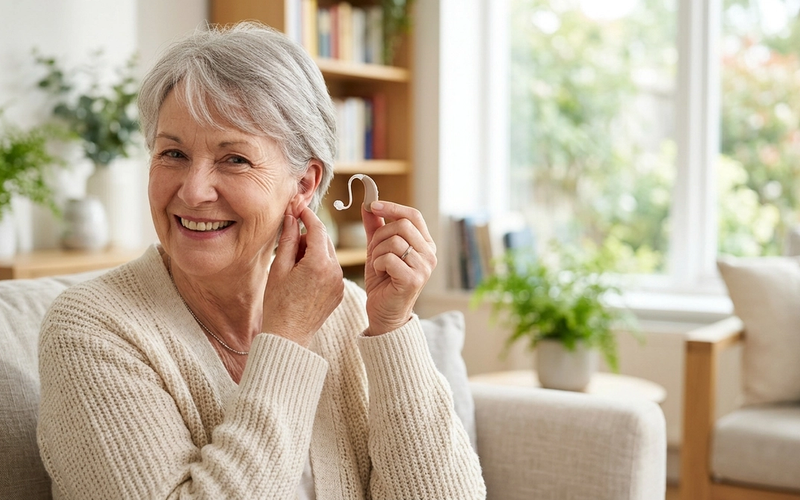
OTC Hearing Aids for Seniors: A 2026 Buyer's Guide
Over-the-counter hearing aids let adults with mild to moderate hearing loss skip the clinic and buy directly. Here is what they cost, who they fit, who should avoid them, and how they compare with prescription devices.
Explore senior living options
Comparing care for yourself or a family member? Browse communities by care type and see what each option typically costs.
- Assisted livingHelp with daily activities, costs, and how to choose a community.
- Independent livingMaintenance-free communities for active older adults.
- Home careIn-home support for seniors aging in place.
- Nursing homesSkilled nursing care and Medicare star ratings.
- Senior apartmentsAge-restricted, budget-friendly rental housing.
- Cost of senior livingCompare typical monthly prices by care type and state.