
Why Medical Alert Systems Are a Game Changer for Seniors
Growing older often comes with a unique set of challenges. For many seniors, striking a balance between maintaining their independence and ensuring their safety becomes increasingly important. After thoroughly exploring a variety of senior-focused products, there’s one that stands out and comes highly recommended – the medical alert system. These devices promise a harmonious blend…

Getting older brings real challenges. Many seniors want to stay independent but also need to know they're safe. Medical alert systems address both—they let people live on their own while keeping help within reach.

- Understanding medical alert systems
- Why medical alert systems matter for seniors
- 1. Safety in an emergency
- 2. Living independently
- 3. Help for different types of emergencies
- 4. Automatic fall detection
- 5. Health monitoring
- In summary
Understanding medical alert systems
A medical alert system is a direct line to help. Most include a base unit connected to your phone line and a wearable button. When you press it, a response center operator answers and can send emergency services, call family, or just check in.
The options have expanded. Newer systems work outside the home using GPS, detect falls automatically, and track health metrics. You're no longer limited to staying near your base unit.
Why medical alert systems matter for seniors
1. Safety in an emergency
The main draw is knowing help is available instantly. Whether it's a fall, chest pain, a break-in, or a fire, you can reach someone trained to handle it. The operator assesses what's happening and calls the right people—paramedics, police, or family.
2. Living independently
Independence matters, especially as you age. A medical alert system lets you live alone with confidence. Your family knows you have backup if something goes wrong.
3. Help for different types of emergencies
Medical emergencies are the obvious case, but seniors also face fires, break-ins, and other crises. A system works for all of these—one button covers a lot of ground.
4. Automatic fall detection
Some systems detect falls automatically. If you fall and can't reach the button, the device alerts the response center on its own.
5. Health monitoring
Newer systems include medication reminders and activity tracking. These features support overall wellness, not just emergency response.
In summary
A medical alert system balances two things seniors need: the ability to live independently and the certainty that help is available if something goes wrong. It's practical backup that lets you age in place with less worry—for you and your family.
Get matched
Looking for senior care for someone you love?
Tell us what you're considering. We'll share independent matches and pricing directly with you. No phone calls until you ask for one.
- Takes about two minutes to complete.
- Pricing details emailed to you. No phone calls until you ask for one.
- Independent matching. We do not own the communities we list.
Loading the matching form…
Powered by SilverAssist. By submitting this form you agree to our privacy policy.
More from our editors
All articles
Best Weekend Trips and Short Getaways for Seniors
The best weekend trips for seniors are short, close to home, and built around one relaxed idea. Here are the kinds of short getaways that work well for older travelers, with real examples and how to plan one.
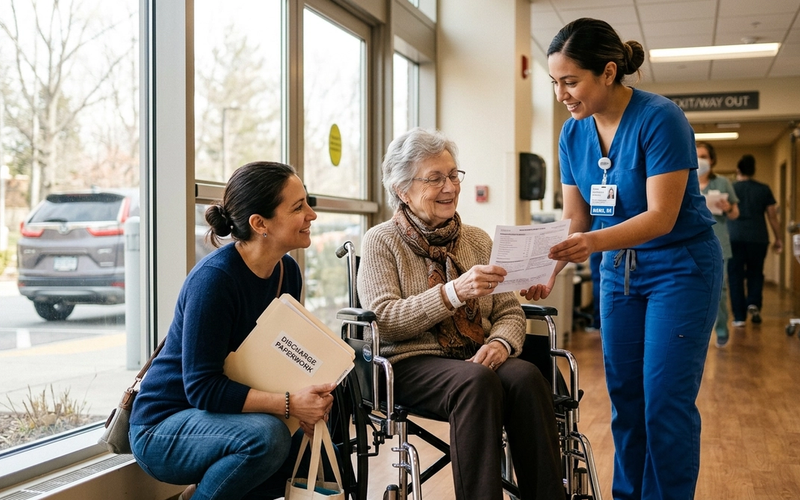
Hospital Discharge Planning for Seniors: A Family Guide
A hospital discharge for an older parent is a decision, not just a notice. Here is how discharge planning actually works, where families have leverage, and how to appeal a discharge you think is unsafe.
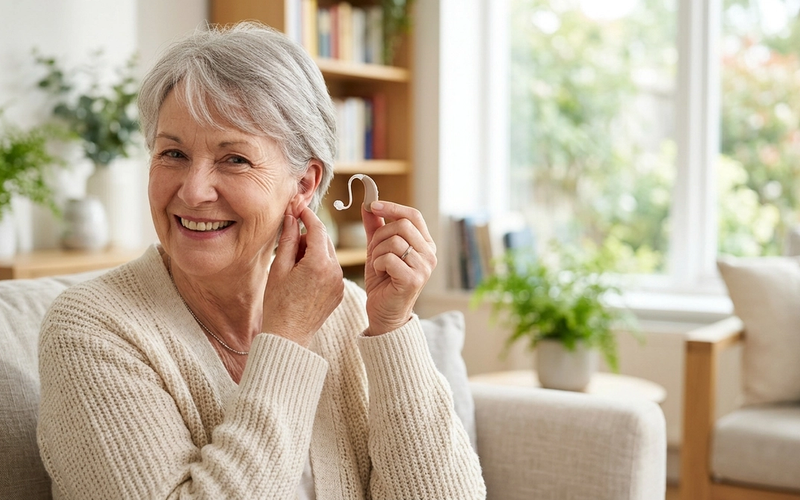
OTC Hearing Aids for Seniors: A 2026 Buyer's Guide
Over-the-counter hearing aids let adults with mild to moderate hearing loss skip the clinic and buy directly. Here is what they cost, who they fit, who should avoid them, and how they compare with prescription devices.
Explore senior living options
Comparing care for yourself or a family member? Browse communities by care type and see what each option typically costs.
- Assisted livingHelp with daily activities, costs, and how to choose a community.
- Independent livingMaintenance-free communities for active older adults.
- Home careIn-home support for seniors aging in place.
- Nursing homesSkilled nursing care and Medicare star ratings.
- Senior apartmentsAge-restricted, budget-friendly rental housing.
- Cost of senior livingCompare typical monthly prices by care type and state.