
Why Most Caregivers Burn Out: The Self-Care Guide You Need Today
Caregiver self care often falls to the bottom of our priority list, yet the statistics are alarming – more than 60% of caregivers experience symptoms of burnout. With approximately 1 in 3 adults in the United States serving as informal or family caregivers, this represents a silent health crisis affecting millions. Unfortunately, caregiver stress doesn’t…

More than 60% of caregivers experience burnout. About 1 in 3 American adults serve as a family caregiver, and many don't recognize themselves in that role. The stress is widespread but often invisible.
Caregiver stress can increase your risk of heart disease and diabetes. Common signs include excessive worry, depression, sleep problems, changes in appetite, and losing interest in things you used to enjoy. This guide will help you recognize burnout and take steps toward self-care before you reach a breaking point.
We'll look at why caregivers are vulnerable to burnout, how to spot the warning signs, and practical ways to care for yourself—even with a busy schedule. Regular breaks aren't luxuries. They're necessary to keep you healthy while you care for someone else.
- Why caregivers burn out so often
- The emotional and physical toll of caregiving
- Why caregiving often goes unrecognized
- The hidden cost of always being on call
- Recognizing the signs of caregiver burnout
- Emotional symptoms: anxiety, guilt, and sadness
- Physical symptoms: fatigue, headaches, and sleep issues
- Behavioral changes: withdrawal, irritability, and neglecting self-care
- The self-care guide every caregiver needs
- 1. Set realistic expectations for yourself
- 2. Create a daily routine that includes breaks
- 3. Prioritize sleep, nutrition, and hydration
- 4. Use mindfulness or relaxation techniques
- 5. Stay socially connected
- 6. Make time for hobbies and joy
- Asking for help and building a support system
- How to ask family and friends for help
- Using respite care and community services
- Joining caregiver support groups
- Conclusion
- Taking the first step toward sustainable caregiving
- FAQs
Why caregivers burn out so often
Caregiving is one of the most demanding roles most people will ever take on. Between 20 and 30 million Americans serve as family caregivers—and the real number is probably higher. Understanding why caregivers burn out helps you develop self-care strategies before you reach that point.
The emotional and physical toll of caregiving
Caregiving takes a real toll on physical and mental health. Between 40% and 70% of caregivers develop depression, with about one-quarter meeting criteria for major depression. Caregivers also report chronic conditions like heart disease, diabetes, and arthritis at nearly double the rate of non-caregivers (45% versus 24%). The stress is even worse for those caring for someone with dementia—30% to 40% of these caregivers experience depression and emotional distress.
Why caregiving often goes unrecognized
Caregivers often don't identify as such. Many see themselves as simply "helping out" a family member, so they don't access the support and resources available to them. Healthcare providers rarely check in on the caregiver's wellbeing because the person receiving care is the "patient." Cultural expectations around family care also make it harder to acknowledge struggle or ask for help.
The hidden cost of always being on call
Constant vigilance creates a unique kind of chronic stress. Caregiving demands are unpredictable and never-ending, and you have to stay alert at all times. At the same time, your social network often shrinks—caregiving limits time with friends, coworkers, and extended family. The financial cost is significant too. Unpaid caregivers provide roughly $600 billion in care annually, often sacrificing their own career growth, education, and financial security.
Effective self-care starts with recognizing these challenges and understanding that asking for support isn't weakness—it's necessary to keep going.
Recognizing the signs of caregiver burnout
Burnout doesn't happen overnight. It builds slowly as caregiving demands pile up. Catching the warning signs early gives you a chance to change course before hitting a wall.
Emotional symptoms: anxiety, guilt, and sadness
Emotional distress usually shows up before physical symptoms. Studies show 46% to 59% of caregivers are clinically depressed, and more than 40% experience significant anxiety. You might feel helpless, sad, or constantly worried. Guilt is common too—guilt about wanting a break, guilt about feeling frustrated with your loved one, guilt about perceived shortcomings in care. Guilt often becomes a major driver of stress and burnout.
Physical symptoms: fatigue, headaches, and sleep issues
Your body sends clear signals when caregiver stress becomes overwhelming:
- Persistent exhaustion despite adequate rest
- Frequent headaches or unexplained muscle pain
- Sleep disturbances, including insomnia or disrupted sleep patterns
Sleep problems are particularly common among caregivers. Lack of sleep then creates more problems—obesity, illness, irritability, impatience, and mental fogginess. Physical symptoms often get worse over time and can contribute to serious health conditions if left unaddressed.
Behavioral changes: withdrawal, irritability, and neglecting self-care
Burnout changes how you act. You might withdraw from friends or activities you once enjoyed. You become more irritable, reacting strongly to minor frustrations. Many caregivers stop taking care of themselves—skipping medical appointments, eating poorly, abandoning exercise routines.
If you notice several of these signs showing up consistently, take it as an urgent signal. Something needs to change in how you approach caregiving.
The self-care guide every caregiver needs
Protecting your wellbeing isn't selfish—it's essential for sustainable caregiving. Here are six strategies that work.
1. Set realistic expectations for yourself
Perfect caregiving doesn't exist. Give yourself credit for doing your best in a difficult role. Setting boundaries keeps you healthy—they're not punishments but a way to sustain your caregiving over time. Sometimes expecting nothing is more realistic than expecting perfection.
2. Create a daily routine that includes breaks
A consistent routine reduces anxiety for both you and the person you care for. It ensures medications get taken on time and appointments don't get missed. But the routine also needs to include breaks: an hour here, a full day off there, an occasional vacation. These aren't nice-to-haves. They prevent burnout.
3. Prioritize sleep, nutrition, and hydration
Your physical health affects your ability to care for someone else. Poor sleep makes you irritable, tired, and foggy. A simple 10-minute wind-down routine at night can improve sleep. Eating regular meals matters—skipping meals makes you irritable and exhausted. Stay hydrated too. Dehydration raises your stress hormone levels; drinking water reduces stress.
4. Use mindfulness or relaxation techniques
Even brief mindfulness practice can reduce stress and help you manage emotions:
- Deep breathing: Inhale for five counts, hold for five, exhale for five
- Meditation: Focus on the present moment without judgment
- Progressive muscle relaxation: Tense and release muscle groups
- Yoga or gentle stretching
5. Stay socially connected
Social isolation increases risk of depression, heart disease, and cognitive decline. Schedule regular time with family and friends. Consider joining a caregiver support group where people understand what you're going through.
6. Make time for hobbies and joy
Hobbies keep you connected to who you are outside of caregiving. They reduce stress, stimulate your mind, and offer a break from caregiving demands. Whether it's reading, gardening, cooking, or photography—the things you enjoy matter for your emotional health.
Asking for help and building a support system
A strong support network is crucial to preventing burnout. But asking for help often feels impossible. It's worth doing anyway.
How to ask family and friends for help
Many caregivers hesitate to ask for help, viewing it as admission of failure rather than strength. In fact, asking shows self-awareness and realistic thinking about what you can handle. When you reach out, be direct and specific about what you need. Instead of vague requests, try "Could you prepare meals twice a week?" or "Would you drive Mom to her appointment next Thursday?"
People often want to help but don't know how. A care calendar shared electronically lets others sign up for tasks based on their availability. Say thank you afterward—it strengthens these connections.
Using respite care and community services
Respite care gives you a break while your loved one continues receiving proper care. Options include:
- In-home care through professional agencies
- Adult day services in community centers
- Short-term stays at assisted living or nursing facilities
- Volunteer respite services available in many communities
Respite services reduce caregiver depression, anxiety, and stress. About 74% of caregivers say these services helped them continue caregiving longer than they otherwise could have.
Joining caregiver support groups
Support groups provide a safe space to learn from others facing similar challenges. You get emotional support, practical advice, and validation. Both online and in-person groups exist, including groups tailored to specific conditions or communities—such as groups for African American caregivers or LGBTQ+ caregivers—that address unique needs.
Accepting help isn't giving up. It's ensuring sustainable care for both you and your loved one.
Conclusion
Taking the first step toward sustainable caregiving
Caregiver burnout affects millions of Americans who dedicate themselves to caring for loved ones. We've covered the toll caregiving takes, warning signs of burnout, self-care strategies that work, and how to build support networks.
Self-care isn't selfish. Many caregivers put their own needs aside until they hit a wall. That approach doesn't serve you or the person you care for. Even small self-care practices add up over time.
Start small today. Pick one strategy from this guide—maybe a five-minute breathing exercise, scheduling a short break, or calling someone to ask for specific help. Be gentle with yourself as you do this. Caregiving comes with real challenges, and no one does it perfectly.
Your wellbeing matters as much as the person you care for. Taking care of yourself actually enables you to provide better care. Self-care isn't something extra you squeeze in despite being a caregiver. It's part of what makes caregiving sustainable.
You're not alone in this. Millions of people are on similar paths, facing the same challenges, and seeking the same balance. Communities, resources, and support systems exist for people like you. Reaching out takes strength, not weakness.
Caregiving transforms you—sometimes in hard ways but also through growth, compassion, and resilience. With intentional self-care and willingness to ask for support, you can sustain this meaningful work while keeping your own health intact and finding moments of joy along the way.
FAQs
Q1. What are some effective strategies to prevent caregiver burnout? Set realistic expectations, create a daily routine with breaks, prioritize sleep and nutrition, practice mindfulness, stay connected to friends and family, make time for hobbies, and ask for help. Build a support system early.
Q2. How does practicing self-care benefit caregivers? Self-care maintains your physical and emotional health, reduces stress, and improves mood. It lets you provide care for longer periods, decreases depression and anxiety, and helps you stay connected to who you are beyond caregiving.
Q3. What are the signs of caregiver burnout? Emotional signs include anxiety, guilt, and sadness. Physical signs include fatigue, headaches, and sleep problems. Behavioral changes include withdrawing from friends, becoming irritable, and neglecting your own health.
Q4. Why is it important for caregivers to seek help and support? Help reduces burnout risk and lets you provide care longer. Support comes from family, friends, respite care services, and support groups. It improves outcomes for both you and the person you care for.
Q5. How can caregivers balance their own needs with those of the person they're caring for? Recognize that self-care is essential, not selfish. Set boundaries, build personal time into your schedule, use respite care when needed, and remember that your wellbeing directly affects care quality. Self-care is part of being an effective caregiver.
Frequently asked questions
Get matched
Looking for senior care for someone you love?
Tell us what you're considering. We'll share independent matches and pricing directly with you. No phone calls until you ask for one.
- Takes about two minutes to complete.
- Pricing details emailed to you. No phone calls until you ask for one.
- Independent matching. We do not own the communities we list.
Loading the matching form…
Powered by SilverAssist. By submitting this form you agree to our privacy policy.
More from our editors
All articles
Best Weekend Trips and Short Getaways for Seniors
The best weekend trips for seniors are short, close to home, and built around one relaxed idea. Here are the kinds of short getaways that work well for older travelers, with real examples and how to plan one.
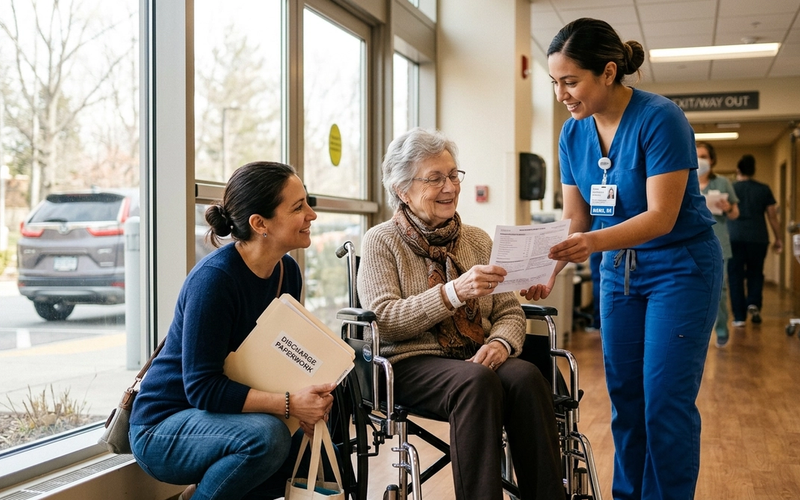
Hospital Discharge Planning for Seniors: A Family Guide
A hospital discharge for an older parent is a decision, not just a notice. Here is how discharge planning actually works, where families have leverage, and how to appeal a discharge you think is unsafe.

OTC Hearing Aids for Seniors: A 2026 Buyer's Guide
Over-the-counter hearing aids let adults with mild to moderate hearing loss skip the clinic and buy directly. Here is what they cost, who they fit, who should avoid them, and how they compare with prescription devices.
Explore senior living options
Comparing care for yourself or a family member? Browse communities by care type and see what each option typically costs.
- Assisted livingHelp with daily activities, costs, and how to choose a community.
- Independent livingMaintenance-free communities for active older adults.
- Home careIn-home support for seniors aging in place.
- Nursing homesSkilled nursing care and Medicare star ratings.
- Senior apartmentsAge-restricted, budget-friendly rental housing.
- Cost of senior livingCompare typical monthly prices by care type and state.