
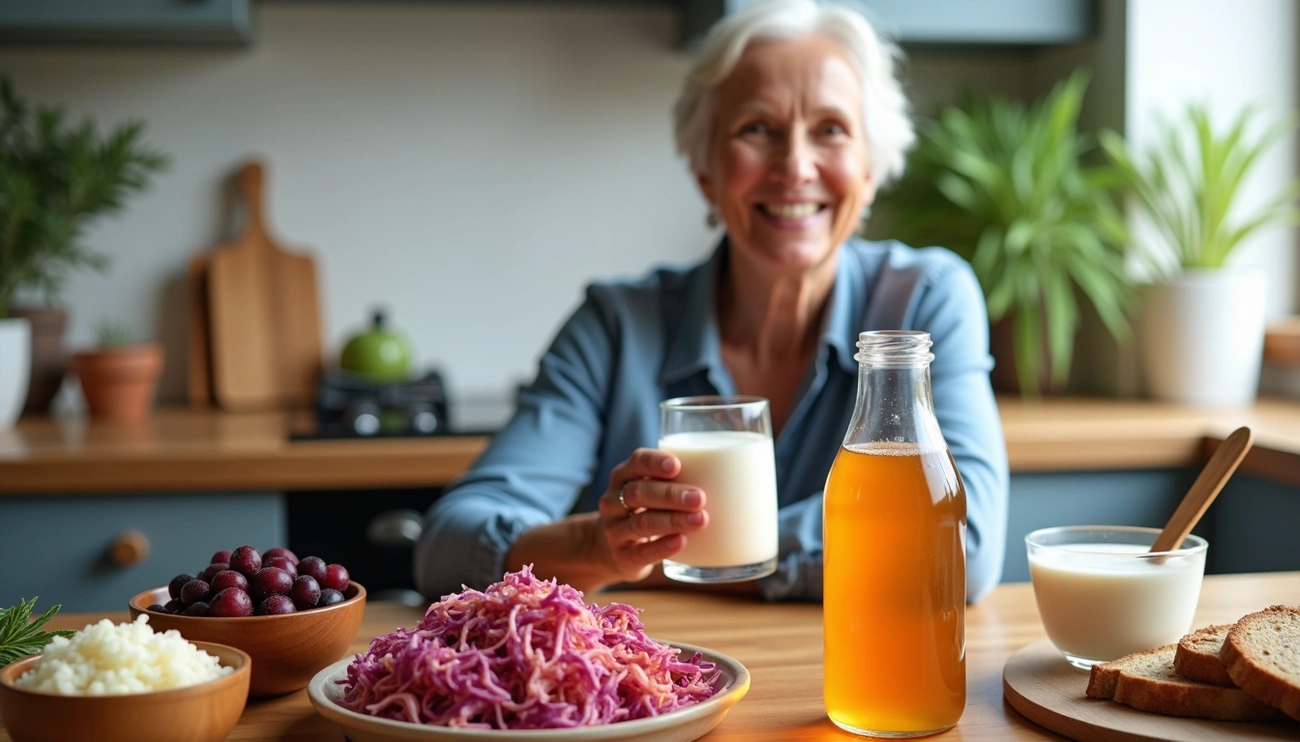
Finding ways to maintain your health as you age can feel like navigating an endless maze of conflicting advice. You may have heard about gut health and wondered whether probiotics could actually make a difference in how you feel day to day. Recent research suggests there might be more to this connection than you realize.
Scientists studying healthy aging have found compelling links between gut bacteria and longevity. A study tracking older adults over time revealed that those whose gut microbiome showed greater changes actually lived longer than those with less microbiome variation. This finding challenges assumptions about aging and suggests our intestinal bacteria play a more active role in healthy aging than previously understood.
Centenarians – people who live past 100 – provide particularly interesting insights. Their gut microbiota demonstrates unique characteristics that support intestinal health and may contribute to their exceptional longevity. These individuals maintain microbiome patterns capable of producing beneficial compounds that support gut function. Research now suggests that changes in gut bacteria composition may directly influence health outcomes in later life.
So how might probiotics fit into your health routine? Studies show that probiotic supplementation can help counteract age-related shifts in gut bacteria composition and diversity. Research on healthy older adults consistently demonstrates that probiotics can modify gut microbiota in measurable ways. Scientists are exploring how targeting the microbiome might help prevent or reduce age-related health concerns. Understanding these connections, particularly what we can learn from centenarians’ gut bacteria patterns, offers practical insights for supporting health as we age.
This guide explores how probiotics might support your health during aging and provides practical guidance for incorporating them into your routine. We’ll examine the research, identify specific strains that show promise for seniors, and help you make informed decisions about whether probiotics deserve a place in your health strategy.
How Your Gut Bacteria Change as You Age
Your gut microbiome transforms dramatically over your lifetime, with some of the most significant shifts occurring during your senior years. These changes create a fundamentally different intestinal environment than what existed in your younger years, potentially affecting various aspects of your health and well-being.
Declining Bacterial Diversity
One of the most consistent changes researchers observe is a reduction in gut microbiome diversity as people enter their senior years. This loss of microbial variety often signals an unhealthy microbiome and correlates with chronic conditions such as obesity and type 2 diabetes. Studies consistently confirm that gut microbial diversity tends to decrease with age, though the timeline varies among individuals.
Research reveals interesting patterns across different age groups. People aged 45-49 show the highest richness of gut bacteria, while overall diversity remains relatively stable from adolescence through middle age. The most noticeable changes appear between ages 60-80, with even more pronounced shifts in those over 80. This bacterial “aging signature” often corresponds with increased frailty and declining health outcomes.
Centenarians and supercentenarians present a fascinating exception to this pattern. Their microbiomes often maintain greater diversity than expected, suggesting that preserving bacterial variety might contribute to exceptional longevity.
Bacterial Population Shifts
Beyond simple diversity loss, the types of bacteria living in your gut undergo significant changes. This age-related imbalance, sometimes called “microb-aging,” follows predictable patterns.
Beneficial bacteria typically decline with age. Older adults show decreases in important species such as Bifidobacterium, Faecalibacterium, Bacteroidaceae, and Lachnospiraceae. This decline matters because these bacteria produce anti-inflammatory compounds and help maintain your gut’s protective barrier.
At the same time, potentially harmful bacteria increase. Studies document higher levels of Klebsiella variicola and Prevotella in older adults, along with increased pathobionts such as Enterobacteriaceae. This shift toward pro-inflammatory bacteria creates conditions that may contribute to inflammaging – the chronic, low-grade inflammation characteristic of aging.
External Factors That Accelerate Changes
Your gut bacteria don’t age in isolation. Several lifestyle and health factors influence how quickly and dramatically these changes occur.
Diet changes significantly impact your microbiome. Many seniors experience appetite changes, food sensitivities, or chewing difficulties that alter their nutritional intake. Reduced fiber consumption particularly affects beneficial gut bacteria responsible for defending against pathogens and maintaining gut barrier integrity. Seniors in long-term care facilities show especially reduced microbial diversity compared to those living independently, largely due to dietary restrictions and reduced consumption of vegetables, fruits, and varied proteins.
Medication effects represent another major influence. The typical older adult takes multiple medications, many of which alter gut bacteria even when they’re not antibiotics. Research indicates that 24% of approximately 1,200 non-antibiotic medications inhibit at least one common gut microbe. Medications that commonly affect gut bacteria include:
- Proton pump inhibitors (acid blockers)
- Antidepressants
- Statins (cholesterol medications)
- Laxatives
Physical activity levels also shape your gut microbiome composition. Exercise increases production of beneficial short-chain fatty acids and promotes butyrate-producing bacteria. Since mobility often decreases with age, this creates another pathway through which aging affects gut health.
These external factors can either speed up or slow down age-related gut changes. Understanding their impact highlights why personalized approaches to gut health become increasingly important as you age, and why selecting probiotics may require considering your individual circumstances rather than following general recommendations.
Biome-Aging: Understanding How Gut Changes Affect Your Health
Scientists now recognize that your gut bacteria don’t simply change as you get older – they may actively influence how you age. This concept, called “biome-aging,” helps explain why some people maintain better health in their later years while others face more challenges.
What biome-aging means for your health
Biome-aging describes the specific changes in gut microbiome composition and function that occur with age and potentially drive aspects of the aging process itself. Your gut microbiome acts as both a participant in and a reflection of how your body ages .
Advanced research techniques have revealed how intestinal microbes maintain balance during youth but undergo significant shifts throughout life . These bacterial changes connect to various age-related conditions, including cardiovascular problems and cognitive decline .
The term goes beyond simple population changes in your gut bacteria. Biome-aging refers to functional alterations in how these microorganisms interact with your body, produce beneficial compounds, and influence processes that affect your overall health span and longevity.
Your gut microbiome as a biological clock
Research shows that gut microbiome patterns can predict chronological age with remarkable precision. Scientists using machine learning analyzed stool samples from 90,303 individuals and found they could determine biological age from microbial genes with accuracy comparable to human gene expression .
Your gut microbiome functions as a biological clock that may reveal your true biological age beyond calendar years. This becomes particularly interesting when examining people who live exceptionally long lives – their gut bacteria composition often resembles that of much younger individuals, suggesting microbiome health contributes to longevity .
Studies of healthy older adults found that those with more distinctive gut microbiome patterns lived longer than those with less variation . These individuals showed lower LDL cholesterol, higher vitamin D levels, and beneficial blood compounds like tryptophan-derived indole, which reduces inflammation and extends lifespan in research studies .
Recognizing signs of an aging gut microbiome
Understanding the characteristics of an aging gut microbiome helps identify when intervention might be helpful. Key indicators include:
- Declining diversity: Gut microbiota diversity typically decreases after age 65, becoming more pronounced after age 80 . This reduction in microbial variety signals potential microbiome dysfunction.
- Compositional shifts: Healthy aging involves a “flip-flop” where previously dominant bacteria (Bacteroides) decline while formerly minor microbes (Clostridia) become more prevalent . Older individuals who maintained Bacteroides dominance actually showed higher mortality rates over four years .
- Loss of beneficial producers: Aging guts show reduced levels of bacteria that produce short-chain fatty acids and butyrate, compounds that strengthen gut barrier function . Without these protective substances, intestinal walls become more permeable, potentially contributing to chronic inflammation.
- Inflammatory signature: Older microbiomes often shift toward species that thrive in inflammatory environments (Escherichia and Klebsiella), creating a cycle where inflammation selects for bacteria that promote more inflammation .
Recognizing these patterns helps explain why probiotics for elderly people might target specific aspects of the aging microbiome. Understanding biome-aging provides insight into how probiotics for older adults might help restore beneficial bacterial populations, enhance production of protective compounds, and potentially slow certain aspects of the aging process.
How Gut Imbalances Contribute to Age-Related Health Concerns
The gut microbiome‘s influence reaches well beyond digestive comfort, with gut imbalances emerging as significant contributors to chronic conditions that affect many seniors. When your gut bacteria become unbalanced as you age, the effects don’t stay localized to your intestines. Instead, these changes can trigger wide-reaching consequences throughout your body’s systems.
Brain Health and Memory Concerns
Research reveals concerning links between gut imbalances and cognitive function. Studies show that disrupted gut bacteria composition contributes to brain inflammation and memory problems, potentially accelerating conditions like Alzheimer’s disease. Cognitive impairment affects approximately 11% to 40% of people in clinical settings and 1.0% to 12% in community settings.
Your gut communicates with your brain through several pathways. Gut bacteria produce neurotransmitters, help maintain your intestinal barrier, create beneficial metabolites like short-chain fatty acids, and influence immune function. When this system becomes disrupted, the consequences can be serious.
Gut imbalances contribute to Alzheimer’s disease through immune system disruption, brain inflammation, compromised blood-brain barrier function, and impaired nerve connections. Research examining older adults with heart disease and mild memory problems found they had significantly disrupted gut bacteria patterns compared to those with normal cognitive function.
The loss of beneficial bacteria that produce short-chain fatty acids, particularly Faecalibacterium and Oscillospira, correlates with increased blood-brain barrier permeability and poorer thinking abilities. These helpful bacteria produce butyrate, which strengthens the blood-brain barrier by supporting the proteins that form tight connections between cells.
Heart Disease Risk and TMAO
Gut imbalances significantly affect cardiovascular health through multiple mechanisms. One particularly important pathway involves trimethylamine N-oxide (TMAO), a compound produced when certain gut bacteria process substances found in animal products.
High TMAO levels increase mortality risk substantially. Studies show people in the highest TMAO group face a 30% higher risk of death from any cause compared to those in the lowest group. TMAO promotes atherosclerotic plaque formation, increases inflammation, makes blood platelets more reactive, and impairs the body’s ability to remove cholesterol.
The Cardiovascular Health Study found that not only TMAO but its building blocks (choline, betaine, and carnitine) and related compounds (butyrobetaine) are associated with higher death rates. The PEGASUS-TIMI 54 trial confirmed that elevated TMAO levels were linked to cardiovascular death and stroke.
Immune System Changes and Chronic Inflammation
Gut imbalances both cause and result from age-related immune system dysfunction. Aging typically involves chronic low-grade inflammation called “inflammaging,” which contributes to various age-related diseases. This condition is characterized by elevated levels of inflammatory markers like IL-6, TNF-α, and C-reactive protein.
Studies in mice demonstrate that transferring gut bacteria from older animals to younger ones promotes inflammaging, suggesting gut bacteria actively drive this inflammatory process. When researchers transferred young mice gut bacteria into older mice, they could reverse some aging-related metabolic and immune changes.
The inflammatory cycle begins when gut imbalances increase intestinal permeability, allowing bacterial toxins like lipopolysaccharide to enter your bloodstream and trigger system-wide inflammation. This inflammation then favors bacteria that thrive in inflammatory environments, creating a cycle that perpetuates itself.
Intestinal Barrier Problems and Increased Permeability
Age-related intestinal barrier dysfunction represents a key mechanism connecting gut imbalances to broader health problems. Your intestinal barrier normally prevents harmful substances from entering your bloodstream, but aging weakens this protective function.
Studies show that older adults experience increased intestinal permeability, sometimes called “leaky gut”. This condition allows partially digested food particles, toxins, and microbes to penetrate tissues beneath your gut lining. The loss of beneficial bacteria that produce short-chain fatty acids further weakens barrier function, since these compounds are essential for maintaining the tight connections between intestinal cells.
Research confirms that age-related intestinal permeability problems correlate with inflammation markers and physical function. A study of 288 older adults with metabolic conditions found that higher levels of LPS-binding protein (a marker indicating bacterial toxins in the bloodstream) were significantly associated with poorer physical function, even after accounting for age, gender, and body weight.
Understanding these connections helps explain why probiotics for seniors might address multiple health concerns simultaneously by targeting the underlying issue: gut bacterial imbalances.
How Probiotics Can Support Seniors’ Health
Given what we now understand about gut dysbiosis and age-related health concerns, probiotics emerge as a practical intervention that addresses multiple aspects of gut health simultaneously. These beneficial microorganisms work through several key mechanisms to counteract the bacterial imbalances that often develop with age.
Restoring microbial balance
Probiotics help rebalance gut bacteria composition, which typically becomes skewed toward less beneficial microbes in older adults. Clinical research consistently shows that probiotic supplementation can modify the bacterial landscape in elderly individuals, increasing beneficial bacteria while reducing potentially harmful opportunistic pathogens.
The effects extend beyond the gut itself. Older adults who consumed probiotic-rich foods or supplements experienced a 20% reduction in respiratory infection duration compared to those who didn’t take probiotics. This suggests that probiotics influence immune function throughout the body.
Different probiotic strains offer distinct benefits for elderly populations. Bifidobacterium longum increases the abundance of beneficial bacteria including B. catenulatum, B. bifidum, and B. breve in older adults. Bifidobacterium bifidum and B. lactis supplementation increases overall Bifidobacteria populations in elderly individuals. Lactobacillus plantarum P-8 significantly reduces opportunistic pathogens while increasing beneficial Bifidobacterium levels.
Perhaps most importantly, several studies indicate that probiotic supplementation can enhance microbial diversity in older individuals. This finding holds particular significance since decreased diversity characterizes aging microbiomes and correlates with poorer health outcomes.
Enhancing short-chain fatty acid production
Probiotics offer substantial benefits for seniors through their ability to increase production of short-chain fatty acids (SCFAs). These compounds serve as the primary energy source for intestinal epithelial cells and may provide up to 10% of our daily caloric requirements.
Lactobacillus and Bifidobacterium species are particularly effective producers of propionic, lactic, and butyric acids. Clinical trials confirm that probiotic intervention significantly increases propionic and butyric acid levels in human subjects.
These SCFAs provide multiple health benefits. Butyric acid provides direct energy to intestinal epithelial cells and demonstrates immunoregulatory effects. SCFAs stimulate MUC2 gene expression and mucin production, creating a protective layer against pathogens. Propionic acid beneficially modulates host metabolism and reduces inflammation. SCFAs help induce apoptosis (programmed cell death), which may help prevent colon cancer.
One clinical study found that consumption of probiotic yogurt containing Bifidobacterium bifidum, Lactobacillus acidophilus, or Lactobacillus gasseri resulted in significantly higher acetate levels compared to standard yogurt. This increase in acetate was associated with improved protective function of intestinal epithelium.
Improving gut barrier function
Probiotics help strengthen the intestinal barrier, addressing the increased gut permeability that contributes to many age-related health concerns. A stronger gut barrier prevents harmful substances from entering circulation and triggering systemic inflammation.
Research demonstrates that probiotics improve intestinal barrier function through multiple pathways. They increase mucus production, secretory IgA, and antimicrobial peptides. Probiotics also enhance tight junction integrity between epithelial cells, essentially sealing gaps in the intestinal lining.
A human clinical study revealed that probiotic supplementation improved intestinal barrier function by up to 48%, as measured by reduced lipopolysaccharide (LPS) levels in the bloodstream. This finding carries particular significance since LPS is a bacterial toxin that triggers inflammation when it enters circulation. Probiotic therapy significantly increases the expression of tight junction proteins such as ZO1 and Occludin in intestinal tissues. These proteins form the physical barriers between intestinal cells, preventing unwanted substances from passing through.
Through these mechanisms, probiotics for elderly individuals offer a targeted approach to addressing age-related gut changes and their effects on overall health.
Probiotic Strains That Show Promise for Seniors
Research has identified specific bacterial strains that demonstrate particular benefits for older adults. These probiotics show measurable effects in addressing age-related gut changes and supporting health concerns common among seniors.
Bifidobacterium longum
B. longum naturally decreases as we age, making supplementation potentially beneficial for older adults. Clinical studies show that B. longum BB536 helps elderly patients with chronic constipation, with participants experiencing significant improvement in bowel movements and abdominal symptoms after just 4 weeks of supplementation.
The cognitive benefits may be equally impressive. Research on B. longum BB68S found healthy elderly adults improved their total cognitive assessment scores by 18.89 points after intervention. The improvements included better immediate memory, attention span, and visual-spatial abilities.
What’s Great About Bifidobacterium longum:
This strain addresses multiple concerns that commonly affect seniors. Beyond digestive support, it strengthens immune function when combined with L. helveticus, increasing beneficial T cells and enhancing natural killer cell activity. For seniors managing both digestive issues and concerns about cognitive health, B. longum offers a dual benefit approach.
Lactobacillus rhamnosus
This strain shows particular promise for seniors concerned about heart health. Clinical research demonstrates that L. rhamnosus significantly improved LDL cholesterol levels in elderly subjects. The mechanism involves restoring the balance between gut bacteria and bile acids while strengthening intestinal barrier function.
L. rhamnosus GG, a well-researched clinical strain, preserves intestinal barrier integrity and helps counter gut bacteria imbalances. Studies suggest this strain may also support cognitive performance in middle-aged and older adults with cognitive concerns.
What’s Great About Lactobacillus rhamnosus:
L. rhamnosus addresses cardiovascular risk factors while supporting gut health. For seniors taking cholesterol medications or those with family histories of heart disease, this strain offers targeted support that works alongside conventional treatments.
Akkermansia muciniphila
This bacterium represents an exciting development in gut health research for seniors. A. muciniphila colonizes the mucus layer of the intestine and, despite typically declining with age, appears enriched in the guts of healthy centenarians.
Animal studies show A. muciniphila supplementation prevented age-related thinning of the intestinal mucus layer while reducing inflammation. Research on prematurely aged mice found that this bacterium actually extended healthy lifespan. The European Food Safety Authority recently approved pasteurized A. muciniphila as safe for human consumption.
What’s Great About Akkermansia muciniphila:
This strain specifically targets age-related gut changes, strengthening the intestinal barrier while supporting metabolic health. Research shows it improved glucose sensitivity, reduced inflammation, and enhanced immune function in aging studies [84,85]. For seniors focused on healthy aging, A. muciniphila represents a targeted approach to supporting longevity.
Faecalibacterium prausnitzii
F. prausnitzii makes up approximately 5% of gut bacteria and serves as one of the most important anti-inflammatory microbes in the intestine. This bacterium produces butyrate, a short-chain fatty acid essential for gut health, inflammation control, and gut-brain communication.
Research on people in their 80s found declining levels of F. prausnitzii, suggesting that maintaining adequate levels may support healthier aging. This bacterium also produces additional anti-inflammatory compounds including shikimic and salicylic acids.
What’s Great About Faecalibacterium prausnitzii:
F. prausnitzii specifically addresses inflammation, which increases with age and contributes to many chronic conditions. For seniors managing inflammatory conditions or those focused on prevention, this strain offers targeted anti-inflammatory support through natural metabolite production.
Research Supporting Probiotics for Senior Health
Clinical research provides concrete evidence that probiotics offer measurable health benefits for older adults. Multiple studies demonstrate specific improvements across key areas of concern for seniors, from immune function to cognitive performance.
Immune System Benefits
Research consistently shows that probiotic supplementation strengthens immune function in elderly individuals. A systematic review analyzing 17 controlled trials with 733 participants found that probiotics significantly increased immune cell activity, including enhanced natural killer (NK) cell function and improved pathogen-fighting capacity. These improvements appeared within 3 to 12 weeks of starting supplementation.
Studies reveal that probiotics stimulate production of immunoglobulin A (IgA), which serves as a first line of defense against harmful microorganisms. Certain probiotic strains also boost CD4+ cell counts, particularly important for seniors who may be more susceptible to infections.
Real-world evidence supports these laboratory findings. Clinical data shows that older adults who consumed probiotic-rich foods experienced a 20% reduction in respiratory infection duration compared to those who didn’t. This suggests probiotics offer practical protection against common illnesses that can significantly impact senior health.
Brain Health and Cognitive Function
Clinical trials reveal promising connections between probiotics and cognitive function in older adults. A randomized, placebo-controlled study examined Bifidobacterium bifidum BGN4 and Bifidobacterium longum BORI supplementation in healthy seniors over 12 weeks. Results showed significant improvements in mental flexibility tests and stress management compared to placebo groups.
The probiotic group also demonstrated increased levels of BDNF (brain-derived neurotrophic factor), a protein essential for learning, memory, and stress resilience. This biological marker suggests probiotics may support brain health at the cellular level.
For seniors with existing cognitive concerns, evidence appears even more compelling. Nine out of ten studies involving participants with Alzheimer’s disease or mild cognitive impairment showed measurable cognitive improvements after probiotic supplementation. Benefits typically became apparent after 12-24 weeks and included:
- Enhanced immediate and delayed memory
- Improved visuospatial abilities
- Better attention and executive function
- Increased mental flexibility
Digestive Health and Nutrient Support
Probiotics effectively address constipation, one of the most common digestive complaints among seniors. Multiple clinical studies document improved bowel movements and reduced constipation symptoms following probiotic supplementation.
Beyond digestive comfort, probiotics appear to enhance nutrient absorption and status. A clinical trial found that multistrain probiotic supplementation significantly increased vitamin B12 levels after 12 weeks of treatment. This finding holds particular importance for elderly populations, as B12 deficiency becomes more common with age and can cause serious neurological and blood-related problems.
Research shows that probiotic bacteria, particularly Lactobacillus and Bifidobacterium species, can produce various B vitamins. Studies document increased blood levels of vitamin B12 and folate, along with reduced homocysteine levels, following commercial probiotic supplementation. Lower homocysteine levels are associated with reduced cardiovascular and cognitive risks.
These clinical findings demonstrate that probiotics offer a practical, low-risk intervention with documented benefits across multiple health concerns that commonly affect older adults.
Selecting Probiotics: A Practical Guide for Seniors
Selecting the right probiotic supplement requires careful consideration of several factors. You may find yourself facing dozens of products claiming to support senior health, yet understanding what actually matters can help you make an informed choice.
Key features to consider
Strain specificity represents the most important factor when selecting probiotic supplements. Benefits come from specific bacterial strains rather than general categories . You’ll want to see complete strain names on labels, such as L. rhamnosus GG or B. lactis HN019, rather than just “Lactobacillus” or “Bifidobacterium.” Without this specificity, you’re essentially purchasing an unknown product.
Quality assurance should be your next consideration. Look for companies that provide transparent information about their testing procedures, ensuring products maintain potency throughout their shelf life . Third-party testing for purity, bacterial viability, and absence of contaminants like heavy metals offers additional confidence in product quality.
The delivery system deserves attention as well. Stomach acid creates harsh conditions that can destroy beneficial bacteria before they reach your intestines. Some manufacturers use enteric coatings or other protective technologies to help bacteria survive this journey .
Understanding CFU counts and formulation
Despite marketing claims suggesting otherwise, higher CFU (Colony Forming Units) numbers don’t necessarily mean better results. What matters is whether the specific dose of a particular strain has demonstrated benefits in clinical research . Some effective probiotics work at relatively low doses, while others may require higher concentrations.
You might wonder whether to choose single-strain or multi-strain formulations. Single-strain products can be effective for specific concerns, while combination formulas may address multiple aspects of age-related health challenges . Your individual needs and health goals should guide this decision.
When professional guidance helps
Consider consulting your healthcare provider before starting probiotic supplements if you:
- Take medications that affect immune function
- Have chronic health conditions
- Recently completed antibiotic treatment
- Experience ongoing digestive issues
While probiotics are generally safe, certain populations may experience side effects or interactions . Those with compromised immune systems should be particularly cautious about introducing new bacterial strains .
Keep in mind that not everyone needs probiotic supplements. A diet rich in diverse plant foods, fermented products, and adequate fiber often supports beneficial gut bacteria naturally . Supplements work best when used strategically rather than as a general health insurance policy.
The answer to whether probiotics are right for you likely depends on your individual circumstances, current health status, and specific goals for healthy aging.
Supporting Gut Health Through Daily Choices
While targeted probiotic supplementation offers measurable benefits for seniors, you can enhance these effects through practical lifestyle approaches. These natural strategies work alongside probiotics to create a more supportive environment for beneficial gut bacteria.
Foods that feed beneficial bacteria
Plant compounds called polyphenols, abundant in colorful fruits and vegetables, selectively support beneficial gut bacteria while inhibiting harmful ones. These compounds promote growth of helpful microbes like Bifidobacterium and Lactobacillus.
Research on older adults shows that polyphenol-rich foods help maintain gut barrier integrity. Studies found that consuming just three daily servings of berries, pomegranate juice, green tea, or dark chocolate significantly reduced markers of intestinal permeability.
Consider incorporating these fiber and polyphenol sources into your routine:
- Fresh or frozen berries with breakfast
- Green tea as an afternoon beverage
- Dark leafy greens with lunch or dinner
- Nuts and seeds as snacks
Foods containing both fiber and polyphenols create particularly powerful effects, consistently increasing bacteria that produce beneficial short-chain fatty acids.
Movement and rest for gut health
Physical activity influences gut bacteria composition in measurable ways. Even simple activities like standing more throughout the day correlate with higher levels of butyrate-producing bacteria. Regular moderate-to-vigorous exercise increases beneficial Lachnospiraceae bacteria.
Sleep quality affects your gut microbiome as well. Poor sleep patterns can disrupt beneficial bacteria, while sleep deprivation causes microbiome dysfunction. Aim for consistent sleep schedules and adequate rest to support your gut health efforts.
Protecting your microbiome from medication effects
Antibiotics dramatically reduce the diversity of gut bacteria. Single courses of broad-spectrum antibiotics can double harmful bacterial loads while reducing beneficial diversity.
To protect your gut microbiome:
- Use antibiotics only for confirmed bacterial infections, not viral illnesses like colds or flu
- Complete the full prescribed course to prevent antibiotic resistance
- Discuss with your doctor whether antibiotics are necessary for your specific condition
These natural approaches complement probiotic supplementation and help create the optimal environment for maintaining healthy gut bacteria as you age.
Bottom Line
Research on probiotics and aging reveals promising opportunities for supporting your health as you get older. The connection between gut bacteria changes and age-related health concerns offers a practical target for intervention that many seniors can access.
Your gut microbiome naturally shifts as you age, typically losing beneficial diversity while potentially harmful bacteria increase. These changes contribute to health issues that were once considered inevitable parts of getting older. Probiotics help address this imbalance through three main mechanisms: restoring beneficial bacterial populations, increasing short-chain fatty acid production, and strengthening your intestinal barrier.
The benefits extend beyond digestive health. Clinical evidence supports specific strains for particular concerns – Bifidobacterium longum for cognitive support, Lactobacillus rhamnosus for cardiovascular health, and Akkermansia muciniphila for overall longevity benefits. Studies consistently show improvements in immune function and cognitive performance among seniors taking quality probiotic supplements.
Quality matters significantly when choosing probiotics. Look for products that specify exact strain names, not just general bacterial categories. Work with your healthcare provider to determine whether probiotics make sense for your situation, especially if you take medications or have underlying health conditions.
Probiotics work most effectively as part of a broader approach to gut health. A diet rich in fiber and polyphenols, regular physical activity, adequate sleep, and careful antibiotic use all support a healthy microbiome. These lifestyle factors may be just as important as any supplement you might take.
The science connecting gut health to healthy aging continues developing, but current evidence suggests maintaining a diverse, healthy microbiome represents one of the most accessible strategies for supporting both lifespan and quality of life as you age. Whether through targeted probiotic supplements, dietary choices, or lifestyle modifications, supporting your gut bacteria offers a practical way to invest in your future health.
Key Takeaways
Understanding the connection between gut health and aging reveals why probiotics could be your most powerful tool for maintaining vitality in your golden years.
• Gut diversity declines with age, but probiotics can restore balance – Age-related loss of beneficial bacteria contributes to chronic diseases, while targeted probiotic strains help rebuild healthy microbial communities.
• Specific strains offer targeted benefits for seniors – Bifidobacterium longum improves cognitive function, Lactobacillus rhamnosus supports heart health, and Akkermansia muciniphila may extend healthy lifespan.
• Probiotics strengthen the gut-brain connection – Clinical studies show 12-week probiotic supplementation significantly improves memory, mental flexibility, and stress management in older adults.
• Quality matters more than quantity in probiotic selection – Look for strain-specific formulations with clinically validated doses rather than products boasting astronomical CFU counts.
• Combine probiotics with lifestyle changes for maximum impact – Fiber-rich diets, regular exercise, adequate sleep, and avoiding unnecessary antibiotics create synergistic effects that amplify probiotic benefits.
The emerging science of “biome-aging” suggests that maintaining a youthful gut microbiome through strategic probiotic use, combined with healthy lifestyle choices, may be one of the most effective approaches to extending both lifespan and healthspan as we age.
FAQs
Q1. Are probiotics beneficial for seniors over 80 years old? Yes, probiotics can be beneficial for seniors over 80. Studies show they help maintain a healthy gut, support immune function, and combat harmful bacteria that become more common with age. However, it’s best to consult a doctor before starting any new supplement regimen.
Q2. How do probiotics contribute to healthy aging? Probiotics support healthy aging by helping restore balance to the gut microbiome, which often becomes imbalanced with age. They can improve immune function, enhance cognitive performance, and potentially reduce inflammation associated with various age-related conditions.
Q3. What are the best probiotic strains for older adults? Some of the most beneficial probiotic strains for seniors include Bifidobacterium longum for cognitive health, Lactobacillus rhamnosus for cardiovascular support, and Akkermansia muciniphila for overall longevity. The effectiveness depends on individual health needs and goals.
Q4. Can probiotics help with age-related cognitive decline? Research suggests that certain probiotic strains may help improve cognitive function in older adults. Clinical studies have shown improvements in memory, mental flexibility, and attention after probiotic supplementation, particularly with strains like Bifidobacterium longum.
Q5. Are there any side effects of probiotics for elderly individuals? While probiotics are generally safe, some seniors may experience mild side effects like increased gas or bloating. In rare cases, those with compromised immune systems might be at risk for infections. It’s important to start with a low dose and consult a healthcare provider, especially if you have underlying health conditions.