
Why Robots for Elderly Care Are Becoming Essential Companions
The demographics of aging present clear challenges for families and caregivers. Research shows that 1 in 5 people will be aged 60 years or older by 2050 globally, with this demographic shift expected to occur even sooner in the USA, by 2030. Life expectancy continues to increase by about three months per year, creating additional demands on…

The number of people aged 60 and older is growing rapidly. By 2050, one in five people globally will be 60 or older, and this shift is arriving sooner in the USA—by 2030. Life expectancy continues to increase, roughly three months per year, straining care services.
About one in four adults aged 65 and older experiences social isolation, according to the National Academies of Sciences, Engineering, and Medicine. This isolation is more than emotionally painful—it carries real health risks. Research has found that robot companions can help seniors stay healthier, maintain independence, and combat loneliness. In studies, 80% of seniors felt less lonely with a robot companion, and 74% reported better quality of life afterward.
Technology offers new ways to tackle the problem of isolation. A full-time human caregiver costs roughly $75,000 per year on average, while a robot setup runs about $85,000. The upfront robot cost is higher, but robots can provide round-the-clock companionship and monitoring that traditional caregiving sometimes cannot.
- The growing need for companionship in elderly care
- Loneliness and its health impact
- Why traditional care models fall short
- The rise of aging-in-place preferences
- How robot companions address senior care challenges
- Understanding robot companions for seniors
- Features that make social and assistive robots effective
- Robot companion options: ElliQ and Joy for All pets
- Benefits of using robots for seniors
- Emotional support and reduced loneliness
- Cognitive stimulation and memory support
- Health monitoring and medication reminders
- Encouraging physical activity and routines
- Considerations for robot caregiver implementation
- User acceptance and trust
- Technical requirements and maintenance
- Privacy and data security
- Cost and accessibility barriers
- Bottom line
- Key takeaways
- FAQs
The growing need for companionship in elderly care
Companionship matters in elderly care because many seniors face isolation. Social connection affects not just how people feel, but their actual health and quality of life.
Loneliness and its health impact
About one in three adults in the U.S. feels lonely. Among people 65 and older living in the community, roughly 24% experience social isolation. The health consequences are serious: social isolation raises the risk of dementia by 50%, heart disease or stroke by 30%, and premature death by 26%.
Isolated seniors tend to move less, drink more, and smoke more often. Loneliness and depression feed each other—when seniors are lonely, depression sets in, and their thinking gets foggy faster.
Why traditional care models fall short
Traditional care often misses what seniors actually need: someone to talk to. About 55% of older adults say their care needs aren't being met. Modern life has pulled apart the systems that used to provide support:
• Families spread across different cities and states • Adult children living far from parents
• Fewer multigenerational households • More people moving for work
Nursing homes and agencies run things top-down in ways many seniors find confusing. Even family caregivers often lack training for serious health problems. The strain is real: spouses who feel stressed about caregiving are two-thirds more likely to die within four years than non-caregivers.
The rise of aging-in-place preferences
Most seniors want to stay home. A 2021 AARP survey found 77% of adults over 50 prefer to age in place, and in 2024 that figure remained 75%.
But staying home is hard financially. Among adults 50 and older, 44% worry about affording their housing. The biggest costs are rent or mortgage (71% cite this), home maintenance (60%), and property taxes (55%). About half of older adults know they need a home that lets them stay independent.
Robot companions could help fill this gap: offering companionship, enabling people to live at home longer, and helping them keep their independence.
How robot companions address senior care challenges
Robots designed for elderly care can fill some of the gaps that traditional care leaves. They offer both emotional and practical help.
Understanding robot companions for seniors
Robot companions are machines built to keep seniors company. Unlike hospital equipment, these robots actively talk and engage with people. They bridge the gap between what seniors can do alone and what they need help with. Depending on the model, they can comfort people, help with tasks, and help seniors stay independent longer.
Features that make social and assistive robots effective
Good companion robots have several things in common:
- They talk and respond using voice, sounds, screens, hand movements, and physical contact.
- They learn what each person likes and adjust their behavior over time.
- They start conversations instead of waiting to be talked to.
- They track health and remind you about medications.
- They offer games, trivia, and memory exercises.
The design also matters—how human-like they look, how expressive their faces are, their size, and what they're made of. The best ones feel like they understand you, not just help you.
Robot companion options: ElliQ and Joy for All pets
ElliQ, made by Intuition Robotics, has a head that tilts and lights up when you talk to it. It starts conversations, suggests activities, and helps you connect with family and friends.
Users report that ElliQ helps them feel healthier. Studies show 96% of ElliQ users say their health and wellness improved, and 94% say their quality of life got better. The robot takes the first step in conversations, which matters for seniors who might otherwise go hours without talking to anyone.
Joy for All Companion Pets work differently. They look and feel like real cats or dogs, responding to petting with purring or barking sounds. They work especially well for people with dementia, helping them feel less alone without the work of caring for a real pet. PARO (a seal-like robot) and TIAGo (which monitors health and offers support) are other options.
Benefits of using robots for seniors
Seniors who use robot companions report real changes in their daily lives. These machines address both the emotional and physical sides of aging.
Emotional support and reduced loneliness
Robot companions help seniors feel less alone. Studies show 96% of users report better wellness afterward. Many seniors feel less depressed and form real attachments to their robots. One 80-year-old said: "She has been a tremendous help to me. A lot of times, life gets difficult, and it's nice to have somebody to look after me."
Cognitive stimulation and memory support
Robots keep seniors' minds active through:
- Memory games and brain exercises
- Tasks designed to slow mental decline
- Interactions tailored to what each person can do
Research shows these activities help preserve thinking skills, especially for people with dementia. Interactive games strengthen mental abilities and can show improvement on memory tests.
Health monitoring and medication reminders
Seniors living at home often forget doses or miss them entirely. Robots provide reliable reminders—something many seniors prefer to a person nagging them. Some robots also track vital signs so doctors can catch problems early.
Encouraging physical activity and routines
Exercise matters for healthy aging. Robot companions suggest gentle workouts, cheer you on, and keep you company during walks. Research shows that AI robots help seniors stick with exercise, do it more often, and work out longer. This helps keep people moving and independent.
Considerations for robot caregiver implementation
Robot companions work well in theory, but real-world adoption faces several hurdles. These barriers often decide whether a robot actually helps or ends up sitting in a closet.
User acceptance and trust
Seniors' comfort with robots varies. Men tend to be more open to them than women. People with college degrees or professional jobs are more likely to try them. Overall, 76% of older adults surveyed felt positive about companion robots, but 24% had doubts.
Technical requirements and maintenance
Robots need constant care. They need charging every day, regular cleaning, and repairs when they break. Caregivers report problems with robots malfunctioning, getting stuck in hallways, or upsetting residents with dementia. Most facilities also need fast Wi-Fi everywhere, and many don't have it in every room.
Privacy and data security
Privacy is a real concern. Seniors and their families worry about being watched and about who has access to their data. Some people worry that robots might:
- Replace human contact (mentioned by 10% of people surveyed)
- Deceive seniors (6%)
- Treat them like children rather than adults
These worries are different from what seniors actually experience using the robots.
Cost and accessibility barriers
Price is the biggest obstacle. High-end robots cost between $135,000 and $600,000 each. This creates a fairness problem—rich people can afford them, poor people cannot. When surveyed, seniors rated "equal access regardless of income" as their top concern. The expense often means facilities have to share one robot among many residents, raising hygiene concerns, especially post-COVID.
Bottom line
Robot companions address real problems: isolation, the desire to live at home, and the shortage of affordable care. Options like ElliQ and Joy for All pets offer companionship without the cost of a full-time caregiver.
But obstacles remain. Some seniors welcome robots; others do not. Robots break down and need repairs. Privacy questions and ethical concerns are worth discussing. And cost is still a barrier for most people.
Money is probably the biggest problem. Current prices shut out anyone without substantial resources or access to well-funded care homes. If robots become cheaper, more people could use them.
Robots do some things that human caregivers cannot. They do not get tired, do not call in sick, and can help seniors feel less alone 24 hours a day. They can remind you to take pills, suggest exercise, and play memory games. They are not a replacement for human connection, but they can add something real.
The best approach is probably a mix: robots handling some tasks and routines, human caregivers providing actual care and emotional connection. As our population ages and technology improves, combining both might be how elderly care actually works going forward.
Key takeaways
Robot companions address a growing problem—one in four seniors lives in isolation—while letting people stay in their own homes.
• Loneliness is serious: It raises dementia risk by 50%, heart disease by 30%, and early death by 26%.
• Robot companions show results: 96% of users report better health, 80% feel less lonely, and 74% have better quality of life.
• They do more than keep you company: They remind you about medications, track your health, offer brain games, and motivate you to exercise.
• Cost is the real barrier: Robots cost $135,000 to $600,000, which means mainly wealthy people can afford them.
• Robots work best alongside human care: The goal should be mixing robot assistance with real human relationships, not replacing one with the other.
The challenge ahead is figuring out how to use technology without losing the human touch. Seniors need both—tools that help them stay independent and people who actually care about them.
FAQs
Q1. How do robot companions benefit elderly care? They reduce loneliness, help with medication reminders, track health, offer memory games, and encourage exercise. Mostly, they provide consistent companionship for seniors who live alone or isolated.
Q2. Are robot companions effective in reducing loneliness among the elderly? Yes. Studies show 80% of seniors felt less lonely using robots and 96% reported better overall wellness. They offer regular social contact that might otherwise not happen.
Q3. What features do robot companions for elderly care typically have? They talk and listen, learn your preferences, start conversations, remind you about medications, track vital signs, and offer games and exercises. Design matters too—they should feel approachable, not robotic.
Q4. How do robot companions compare to traditional caregiving in terms of cost? A full-time human caregiver costs about $75,000 per year. Robot setup is roughly $85,000 upfront, though high-end models run $135,000 to $600,000. Robots work 24/7 without overtime, but humans provide actual emotional care.
Q5. What challenges exist in adopting robot caregivers for the elderly? Not all seniors want them. They break down and need repairs. Privacy worries exist. And cost shuts most people out. Acceptance also varies by gender, education, and comfort with technology.
Frequently asked questions
Get matched
Looking for senior care for someone you love?
Tell us what you're considering. We'll share independent matches and pricing directly with you. No phone calls until you ask for one.
- Takes about two minutes to complete.
- Pricing details emailed to you. No phone calls until you ask for one.
- Independent matching. We do not own the communities we list.
Loading the matching form…
Powered by SilverAssist. By submitting this form you agree to our privacy policy.
More from our editors
All articles
Best Weekend Trips and Short Getaways for Seniors
The best weekend trips for seniors are short, close to home, and built around one relaxed idea. Here are the kinds of short getaways that work well for older travelers, with real examples and how to plan one.
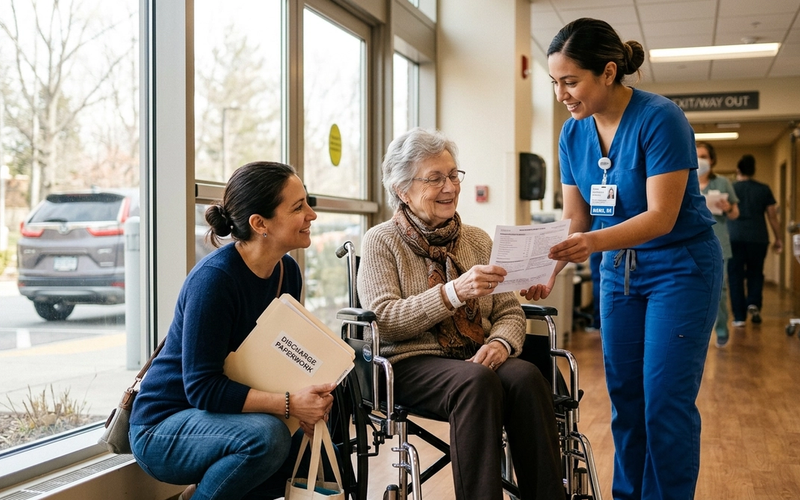
Hospital Discharge Planning for Seniors: A Family Guide
A hospital discharge for an older parent is a decision, not just a notice. Here is how discharge planning actually works, where families have leverage, and how to appeal a discharge you think is unsafe.

OTC Hearing Aids for Seniors: A 2026 Buyer's Guide
Over-the-counter hearing aids let adults with mild to moderate hearing loss skip the clinic and buy directly. Here is what they cost, who they fit, who should avoid them, and how they compare with prescription devices.
Explore senior living options
Comparing care for yourself or a family member? Browse communities by care type and see what each option typically costs.
- Assisted livingHelp with daily activities, costs, and how to choose a community.
- Independent livingMaintenance-free communities for active older adults.
- Home careIn-home support for seniors aging in place.
- Nursing homesSkilled nursing care and Medicare star ratings.
- Senior apartmentsAge-restricted, budget-friendly rental housing.
- Cost of senior livingCompare typical monthly prices by care type and state.