
Why Smart Technology in Senior Living Is Essential for Aging in Place
Key Takeaways Smart home technology offers practical solutions for seniors who want to age at home safely, addressing common concerns while maintaining independence and quality of life. • Smart devices help prevent emergencies – Fall detection systems, medication dispensers, and health monitors create safety nets, with some systems achieving up to 98% accuracy in emergency detection. • Home…

- Key takeaways
- Why seniors need better aging in place technology
- Growing senior population numbers
- Safety and health risks at home
- Home care costs versus assisted living
- Benefits of staying home
- How smart technology helps seniors stay independent
- Daily activity monitoring and assistance
- Emergency response and fall detection
- Medication management solutions
- Remote health monitoring capabilities
- Social connection and reducing isolation
- Smart home devices that support independent living
- Personal emergency response systems
- Smart medication dispensers
- Video doorbells and security cameras
- Voice-activated assistants
- Smart lighting and climate control
- Wearable health monitors
- Common concerns about smart technology for seniors
- Learning new technology skills
- Adapting devices for physical changes
- Finding affordable options
- Protecting privacy and security
- Getting started with smart technology for senior care
- Evaluating your senior's specific needs
- Getting family members involved
- Beginning with simple solutions
- Choosing professional help versus doing it yourself
- Conclusion
- FAQs
Key takeaways
Smart home technology can help seniors age at home safely while staying independent and maintaining their quality of life.
• Smart devices prevent emergencies. Fall detection systems, medication dispensers, and health monitors catch problems early. Some fall detection devices are accurate up to 98% of the time.
• Home technology often costs less than assisted living. When you need 20-40 hours of help per week, smart devices combined with home care usually cost less than a facility.
• Start with one or two devices, then add more. Choose devices that solve your biggest problems first, then expand as you get comfortable.
• Family support makes a real difference. When caregivers know how to use the technology, seniors use it successfully and consistently.
• You can manage privacy concerns. Use strong passwords, secure your Wi-Fi, and enable two-factor authentication to protect your information while enjoying the benefits of technology.
Aging at home successfully means choosing technology that protects your dignity while giving you real safety and health support.
More than 90% of older adults prefer to spend their later years at home rather than move to an assisted living facility. A 2023 U.S. News & World Report survey found that 93% of older adults want to age in place.
The population is aging rapidly. In some states, one in four people will be over 60 by 2030. A 2024 AARP report found that 75% of Americans ages 50 and older plan to spend their later years at home. Smart home technology makes aging at home more realistic by creating safer environments and offering practical support. Wearable devices track health while newer systems provide personalized solutions for daily living.
With the right devices and family support, you can stay in your familiar home while getting the care and safety monitoring you need. This guide shows how smart technology helps seniors maintain independence, safety, and quality of life at home.
Why seniors need better aging in place technology
The senior population is growing rapidly, creating real challenges for people who want to stay independent at home. Understanding these changes helps identify practical solutions.
Growing senior population numbers
The United States is experiencing major demographic shifts. Between 2010 and 2020, the population aged 65 and over grew 38.6%—the fastest growth rate since 1880-1890—reaching 55.8 million people. By 2050, the number of Americans ages 65 and older will reach 82 million, up from 58 million in 2022.
This trend is global. The World Health Organization projects that by 2030, one in six people worldwide will be aged 60 or older. The population of people aged 80 and older is expected to triple between 2020 and 2050, reaching 426 million.
Safety and health risks at home
Seniors aging at home face serious safety challenges. Falls are the biggest risk: more than 14 million people aged 65 and older fall each year, causing hip fractures, broken bones, and traumatic brain injuries. These falls send about 3 million people to the emergency room annually.
Physical limitations make daily life harder. The U.S. Census Bureau reports that 40% of people over 65 have at least one disability, and two-thirds have difficulty walking or climbing stairs. Managing medications gets complicated too—nearly 35% of adults ages 60-79 take five or more prescription medications.
Social isolation is another serious problem. About 28% of older adults in the U.S. live alone (13.8 million people). Isolation contributes to cognitive decline, depression, and heart disease.
Home care costs versus assisted living
Cost matters when deciding where to age. The choice between home care and assisted living mainly depends on how many hours of help you need per week.
When you need 20-40 hours of weekly assistance, home care costs less than assisted living. Once care needs exceed 40 hours weekly, an assisted living facility's fixed monthly fee typically becomes cheaper.
Here's what this means in practice: 24/7 home care runs about $5,544 weekly, compared to about $1,475 weekly for assisted living. The median assisted living facility cost $5,900 monthly in 2023, while home health aide services (44 hours per week) in Tampa averaged $5,720 monthly.
Benefits of staying home
Aging at home has real emotional advantages. Studies show that nearly 89% of older adults prefer to remain in their homes for their well-being, not just comfort.
Familiar surroundings reduce anxiety and stress. For people with memory problems, staying home means less confusion because the environment is already known and comfortable.
Your home holds your memories, relationships, and sense of who you are. These connections matter more than any institutional setting can provide.
Smart technology is making aging in place more realistic by addressing safety concerns and health management while protecting your independence.
How smart technology helps seniors stay independent
Smart technology offers practical solutions for daily challenges seniors face at home. These devices work together to address safety, health management, and social connection while preserving independence.
Daily activity monitoring and assistance
Motion-sensor systems track your daily routine without using cameras. These systems learn your normal habits and alert caregivers when something changes. Motion sensors in bathrooms, bedrooms, and kitchens track your movements and signal when activity seems unusual.
For example, if you start getting up more frequently at night, the motion detection catches this change, which might signal a urinary tract infection or other health problem. Caregivers can intervene early before issues become serious.
Emergency response and fall detection
Falls are a serious threat—one in four older adults falls each year, and more than half happen at home. Fall detection technology uses accelerometers, barometers, and algorithms to identify when a fall occurs and automatically call for help.
Research shows chest-worn fall detection devices achieve up to 98% accuracy. These systems can encourage seniors to stay active at home by providing confidence that help arrives quickly if needed.
Medication management solutions
Smart medication dispensers work better than traditional pill organizers. These devices automatically sort, schedule, and dispense medications at preset times. They offer:
- Audible and visual reminders when medication is due
- Locked compartments that release medication only at designated times
- Automatic tracking of whether you've taken doses
- Alerts sent to caregivers when you miss doses
Studies show these systems help seniors stay independent by reducing reliance on caregivers for medication management. They prevent serious mistakes like taking wrong doses or missing doses entirely.
Remote health monitoring capabilities
Wearable devices and home-based systems now monitor your health continuously. Instead of relying only on occasional doctor visits, these systems track daily measurements of weight, blood pressure, oxygen levels, and other vital signs.
This ongoing data helps healthcare providers spot developing problems and intervene early. Clinical studies show remote monitoring reduces hospital visits while improving health outcomes. Newer systems use artificial intelligence to identify patterns and predict potential health issues before they become serious.
Social connection and reducing isolation
Technology helps combat isolation among seniors. Research shows older adults with access to phones, computers, and messaging services have significantly lower rates of social isolation than those without.
Virtual tours, classes, and social events designed for seniors provide meaningful engagement that reduces loneliness and improves well-being, especially for people with mobility limitations.
Smart home devices that support independent living
Today's smart home technology offers practical solutions for aging at home safely. These devices address common challenges while helping you maintain independence and peace of mind.
Personal emergency response systems
Emergency response devices have expanded beyond basic help buttons. Modern wearable systems include automatic fall detection, GPS location tracking, and direct communication with trained operators. When emergencies happen, these devices connect you to monitoring centers where staff assess the situation and contact family or emergency services.
Falls remain serious—they caused over 38,000 deaths in 2021 alone. Devices like the UnaliWear Kanega Medical Alert Watch offer protection both inside and outside your home, automatically connecting to live operators during emergencies.
Smart medication dispensers
Smart medication dispensers handle the complexity of managing multiple prescriptions. These devices sort, schedule, and dispense medications at the right times. They include:
- Audible and visual reminders when it's time to take medication
- Locked compartments that release medication only at designated times
- Automatic tracking of whether you've taken doses
- Alerts sent to family members when medications are missed
The Hero Smart Pill Dispenser stores up to 90 days of 10 different medications and sends notifications to both you and caregivers through a smartphone app.
Video doorbells and security cameras
Smart doorbell cameras let you see and speak with visitors without leaving your chair. About 22% of U.S. homes now have video doorbells. These devices notify you on your smartphone when someone approaches, letting you screen visitors from anywhere. Most include night vision, weather resistance, and two-way audio.
Voice-activated assistants
Digital assistants like Amazon Alexa and Google Assistant respond to voice commands, helping with daily tasks without requiring advanced technical skills. About 29% of adults ages 50 and older use digital assistants, and adoption among seniors is growing. These devices provide weather updates, news, entertainment, and medication reminders. They also offer companionship through conversation and routine check-ins.
Smart lighting and climate control
Automated lighting reduces fall risk by illuminating pathways when you get up at night using motion sensors. Smart thermostats maintain comfortable temperatures while reducing energy costs. You control these devices through voice commands or smartphone apps, eliminating manual adjustments.
Wearable health monitors
Health tracking devices monitor your vital signs, activity, and potential emergencies. About 67% of older adults who use wearable devices find them beneficial for healthier living. Advanced models like the Apple Watch 4 detect falls automatically and generate ECG readings similar to medical electrocardiograms, giving you important health data to share with your healthcare providers.
Common concerns about smart technology for seniors
Finding the right technology can feel overwhelming, especially when considering the unique needs of older adults. Understanding these common concerns helps you make informed decisions about which devices will work best.
Learning new technology skills
Many seniors worry about using new devices effectively. Without proper support, older adults often struggle to connect devices or remember how to use features. Several resources can help. Programs like Cyber-Seniors provide free technology support designed for older adults, while many public libraries offer free digital literacy classes.
Results from these programs are encouraging. GetSetUp online classes report that 56% of participants felt more comfortable with digital tools, and 80% felt more confident about living independently after completing training.
Adapting devices for physical changes
Effective devices work well for seniors experiencing vision, hearing, or mobility changes. Look for technology with larger buttons, simplified screens, and voice commands. Devices should allow extra time for seniors to complete tasks, since typing or navigating screens takes longer.
Battery life matters, especially for seniors with mobility challenges who find frequent charging difficult. Choose devices that run several days between charges when possible.
Finding affordable options
Cost is a real barrier for many seniors on fixed incomes. Several programs help. The California Department of Aging's Digital Connections Program provides devices, service plans, and training to help seniors access technology.
When budgeting for technology, start with simple devices that address your most pressing needs. Focus on technology that genuinely improves daily life rather than trying to implement multiple devices at once.
Protecting privacy and security
Privacy concerns about home monitoring systems are valid, especially regarding sensors in private areas like bathrooms and bedrooms. Some seniors find the trade-offs acceptable when technology helps them maintain independence.
You can reduce security risks through proper setup. Use strong passwords, enable two-factor authentication when available, and secure your Wi-Fi network. These steps protect your information while letting you benefit from helpful technology.
Getting started with smart technology for senior care
Setting up technology for senior living can seem overwhelming, but a step-by-step approach makes it manageable. Careful planning creates an effective system that genuinely benefits your loved one.
Evaluating your senior's specific needs
Start by identifying the most pressing concerns in your loved one's daily life. Research shows that gradual adoption helps seniors become more comfortable with smart home technology compared to installing many devices at once. Focus on technologies that address age-related challenges like decreased mobility, vision problems, and fall risk.
Ask yourself: Does your loved one forget medications? Do they struggle with falls or mobility? Are they isolated from family and friends? Your answers guide which devices to prioritize first.
Getting family members involved
Family caregivers play a crucial role in technology success. Caregivers under 50 tend to be more comfortable with technology than older caregivers, and their comfort level directly affects whether seniors will use it.
Involve family members in the setup process to create a support system that enhances senior care technology. Family members can help with initial training, troubleshooting, and encouragement when seniors feel frustrated.
Beginning with simple solutions
Introduce one device at a time. Studies show seniors prefer starting with one or two devices before adding more. Choose solutions addressing immediate needs first, then expand as confidence grows. This approach prevents overwhelming your loved one while building trust in the technology.
If medication management is your biggest concern, start with a smart pill dispenser before adding fall detection or home monitoring systems.
Choosing professional help versus doing it yourself
Consider your family's technical skills when deciding between professional installation and DIY. Professional installers ensure correct placement, proper integration, and optimal performance. Though more expensive initially, expert installation often prevents problems and provides ongoing support.
DIY works well for simple plug-and-play devices but may be challenging for complex systems requiring electrical work or extensive networking. Voice assistants and pill dispensers typically need minimal setup, while comprehensive home monitoring systems often benefit from professional installation.
Conclusion
Smart home technology has changed aging in place, making it safer and more practical for seniors who want to maintain independence. These devices address the most pressing challenges older adults face: falls, medication errors, and health changes. They create safety nets while preserving dignity and autonomy.
Aging at home offers real emotional benefits beyond practical safety. Familiar surroundings reduce anxiety and stress in ways institutional settings cannot match. Smart technology often proves more cost-effective than full-time care when implemented thoughtfully.
The reality is clear: our population is aging rapidly. Millions of seniors need scalable solutions. Smart technology provides customizable systems that adapt to individual circumstances and abilities.
Success requires thoughtful planning. Starting small with devices addressing specific needs builds confidence before expanding to broader solutions. Family involvement significantly improves adoption rates and effectiveness.
Privacy concerns and technical barriers exist, but they can be addressed through education, support, and thoughtful system design. Many seniors find the trade-offs worthwhile when technology enables them to maintain independence.
Technology is ultimately a tool, not an end in itself. The real goal is helping seniors live with dignity, safety, and quality of life at home. Smart technology makes this achievable for millions who might otherwise face difficult choices between safety and independence.
Technology keeps improving, becoming more intuitive, accessible, and useful each year. These advances will enable even greater support for aging in place, letting more seniors maintain control over their lives while receiving necessary assistance.
FAQs
Q1. How does smart technology enhance quality of life for seniors aging in place?
Smart technology supports seniors through daily activity monitoring, emergency response systems, medication management, and social connection tools. These devices help maintain independence, improve safety, and reduce isolation, allowing seniors to age comfortably at home.
Q2. What are some essential smart home devices for seniors?
Key devices include personal emergency response systems, smart medication dispensers, video doorbells, voice-activated assistants, smart lighting and climate control, and wearable health monitors. These technologies address safety, health management, convenience, and social connection.
Q3. How does technology help overcome independent living challenges for older adults?
Technology addresses falls, medication mistakes, and isolation. Smart devices detect falls, provide medication reminders, monitor vital signs, and facilitate social connections. This support helps seniors stay independent while ensuring safety and well-being.
Q4. What are the cost benefits of using smart technology for aging in place?
Smart technology can cost less than full-time care or assisted living, especially when seniors need fewer than 40 hours of weekly assistance. While initial setup costs exist, long-term savings and the ability to stay home often outweigh these expenses.
Q5. How can seniors and caregivers overcome barriers to adopting smart home technology?
Start with simple, user-friendly devices addressing specific needs. Introduce technology gradually and involve family members in setup. Use resources like digital literacy classes and seek professional installation for complex systems. Address privacy concerns with strong security measures and by explaining the benefits.
Frequently asked questions
Get matched
Looking for senior care for someone you love?
Tell us what you're considering. We'll share independent matches and pricing directly with you. No phone calls until you ask for one.
- Takes about two minutes to complete.
- Pricing details emailed to you. No phone calls until you ask for one.
- Independent matching. We do not own the communities we list.
Loading the matching form…
Powered by SilverAssist. By submitting this form you agree to our privacy policy.
More from our editors
All articles
Best Weekend Trips and Short Getaways for Seniors
The best weekend trips for seniors are short, close to home, and built around one relaxed idea. Here are the kinds of short getaways that work well for older travelers, with real examples and how to plan one.
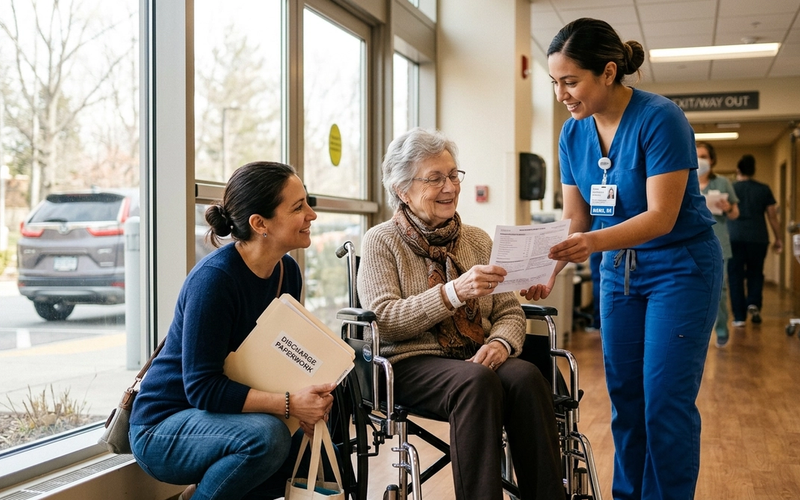
Hospital Discharge Planning for Seniors: A Family Guide
A hospital discharge for an older parent is a decision, not just a notice. Here is how discharge planning actually works, where families have leverage, and how to appeal a discharge you think is unsafe.

OTC Hearing Aids for Seniors: A 2026 Buyer's Guide
Over-the-counter hearing aids let adults with mild to moderate hearing loss skip the clinic and buy directly. Here is what they cost, who they fit, who should avoid them, and how they compare with prescription devices.
Explore senior living options
Comparing care for yourself or a family member? Browse communities by care type and see what each option typically costs.
- Assisted livingHelp with daily activities, costs, and how to choose a community.
- Independent livingMaintenance-free communities for active older adults.
- Home careIn-home support for seniors aging in place.
- Nursing homesSkilled nursing care and Medicare star ratings.
- Senior apartmentsAge-restricted, budget-friendly rental housing.
- Cost of senior livingCompare typical monthly prices by care type and state.