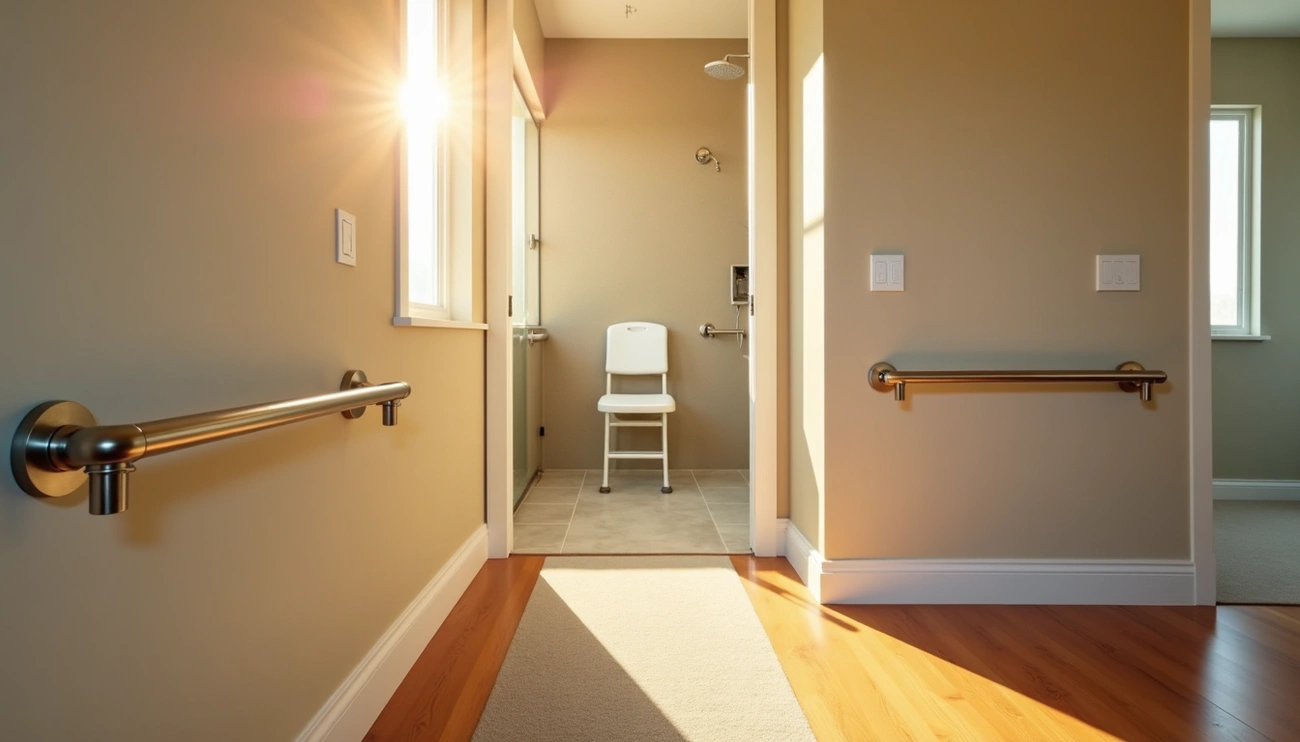

Falls present a significant concern for people entering their mid-sixties. Studies indicate that one in three adults aged 65 will fall each year, with this risk climbing to 50% by age 80. For seniors seeking safe yet effective exercise options, water-based activities offer distinct advantages that traditional land-based workouts cannot provide.
Water aerobics provides notable protection against these common falls. Research from Australia, which evaluated 1,700 men aged 70 and older, found swimmers were 33% less likely to experience falls compared to non-swimmers. Another study demonstrated that participants experienced a 47.5% reduction in fall frequency after just 15 weeks of aquatic exercise. These findings underscore the safety benefits of water-based physical activity for older adults.
The advantages of water exercises extend well beyond fall prevention. Water supports approximately 90% of body weight during exercise, substantially reducing pressure on aging joints. The natural resistance of water also strengthens muscles without creating joint strain. This combination of buoyancy and resistance allows seniors to improve cardiovascular health, build strength, and enhance mobility while avoiding the discomfort often experienced with conventional exercise routines.
This guide examines why water exercises offer superior benefits for seniors and explores how aquatic activities can improve health outcomes for older adults seeking safe, practical physical activity options.
Why Water Exercises Work Better for Aging Joints
Joint health becomes increasingly important as you age, with everyday movements potentially causing discomfort. Water exercises offer distinct advantages over traditional workouts, particularly for seniors dealing with joint concerns.
How Buoyancy Reduces Joint Stress
Water’s natural buoyancy creates the primary advantage for aging joints. When you’re submerged up to neck level, water supports approximately 90% of your body weight. This weight reduction can transform your exercise experience if you’re dealing with joint issues.
Consider this practical example: a 150-pound person weighs just 15 pounds when submerged to neck level. This dramatic decrease means substantially less pressure on your joints. The amount of support depends on how deep you go:
- Waist level: approximately 50% weight reduction
- Chest level: approximately 75% weight reduction
- Neck level: approximately 90% weight reduction
Buoyancy works by counteracting gravity’s downward force. If you have arthritis or joint stiffness, this creates conditions where movement becomes possible with minimal discomfort.
Why Warm Water Improves Mobility
Water temperature plays a crucial role in aquatic therapy effectiveness. Most rehabilitation pools maintain temperatures between 32–34°C, creating optimal conditions for joint healing.
Warm water provides multiple benefits for aging joints. It promotes increased blood circulation, helping to clear pain-producing chemicals. The warmth also relaxes tense muscles around stiff joints, making movement much easier.
Seniors with arthritis often find their symptoms respond particularly well to heat, as it reduces both pain and stiffness. The warmth reaches multiple affected joints simultaneously throughout your body.
Research shows warm water pools averaging 36.2°C were used for elderly exercise programs, while land-based activities typically occurred in rooms around 20.1°C. This temperature difference explains why many seniors feel more comfortable exercising in water than on land.
Comparison with Land-Based Workouts
Land-based exercises certainly provide health benefits, but water activities often prove superior for aging populations. Water’s hydrostatic pressure naturally reduces joint inflammation and swelling-something land exercises cannot achieve.
For resistance training, water offers a unique advantage. Moving through water requires six times more force to complete the same program at the same speed as on land. Despite this increased resistance, your joints experience less stress, creating ideal conditions for strength training.
Research indicates aquatic exercise relieves pain more effectively than land-based exercise. This pain reduction likely explains why people stick with water-based rehabilitation programs better than land-based therapy.
Perhaps most telling, many seniors simply enjoy water exercises more. Dr. Robert P. Cusick of Kansas Joint & Spine Institute notes that patients don’t dread or skip water therapy appointments-instead, “they want to go more than they are allowed to”.
Land-based exercise can provide similar health benefits for those without access to heated pools. However, if you have joint pain, limited mobility, or fear of falling, water exercises create an ideal environment to stay active while protecting your joints.
Balance Training and Fall Prevention Through Water Exercise
Balance becomes increasingly important as we age, and aquatic activities provide unique advantages for improving stability and preventing dangerous falls. The water environment offers training conditions that traditional workouts simply cannot match.
Water’s Role in Balance Training
Water’s supportive properties create an exceptional environment for balance improvement. The buoyancy facilitates muscle contraction while providing gentler conditions for balance practice. This supportive environment allows seniors to perform functional exercises with greater confidence.
Hydrostatic pressure offers a key benefit by providing longer processing time for balance reactions and improved movement perception. Older adults with fall risks can safely practice balance exercises without fear of injury.
Water sessions involve constant postural adjustment due to the fluid nature of the environment. This continuous challenge improves body awareness as participants receive steady feedback from water resistance.
For those concerned about stability, water exercises allow safe practice of challenging balance activities. Beginners can start by standing perpendicular to the pool wall for support. This safety approach encourages seniors to attempt more demanding balance exercises they might otherwise avoid.
Understanding Fall Risks for Seniors
Falls remain the leading cause of injury among adults 65 and older. More than 14 million older adults-approximately 1 in 4-report falling each year.
The consequences often prove severe. Falls caused 38,000 deaths among those 65+ in 2021 and resulted in 3 million emergency department visits. These incidents create substantial financial burdens, with total healthcare costs for non-fatal older adult falls reaching $80 billion annually.
Perhaps most concerning, falling once doubles the risk of falling again. This cycle emphasizes the importance of proactive balance training through water-based exercise programs.
How Water Resistance Improves Stability
Water resistance creates an effective environment for stability training. Moving through water requires substantially more effort than moving through air, strengthening the muscles needed for balance.
Water workouts particularly help develop dynamic balance-the ability to stay steady while moving-more effectively than land exercises. Research comparing land and water exercises found that while both improved strength and flexibility, the water group showed greater gains in dynamic balance.
Studies confirm that aquatic exercises contribute significantly to balance improvement. One study observed substantial enhancement in Berg Balance Scale scores after participants completed a moderate-intensity aquatic program featuring stretching plus static and dynamic balance training.
These improvements involve optimized recruitment of ankle, knee, and hip muscles in postural strategies. This muscle strengthening directly contributes to fewer stumbles and falls. The water environment allows postural reactions to be planned and corrected safely.
Water exercises offer the opportunity to practice balance challenges with minimal risk. As one expert notes, “Water moves and ‘pushes’ on the body increasing the balance challenges. The water allows you to challenge yourself more as there is minimal risk of injury when balance is lost”.
Physical Health Benefits of Water Workouts for Seniors
Water-based exercise programs deliver measurable improvements to physical health that extend well beyond joint protection and fall prevention. The unique properties of aquatic environments support physiological changes that benefit multiple body systems.
Enhanced Flexibility and Range of Motion
Seniors participating in water-based flexibility training often achieve larger ranges of motion than possible through land-based stretching. The supportive nature of water allows older adults to safely extend their flexibility limits without experiencing joint strain.
Consistent water flexibility exercises practiced two to three times weekly typically produce noticeable improvements within a month. Heated pools, maintained at temperatures between 84-92°F, enhance these benefits as warm water relaxes tense muscles surrounding stiff joints.
Optimal flexibility gains occur when seniors hold each stretch for 30-60 seconds and repeat the sequence three times per session. This approach effectively increases joint mobility across major muscle groups.
Cardiovascular System Improvements
Moving through water provides approximately six times more resistance than air-based movement, creating simultaneous benefits for both muscular and cardiovascular systems. This dual-action approach makes aquatic workouts particularly efficient for heart health.
Research comparing Masters swimmers to age-matched individuals revealed significant cardiovascular advantages. Swimmers were more than twice as likely to maintain normal blood pressure levels. These aquatic exercisers also demonstrated 15% better lung function and cholesterol levels that were 8-10% lower.
The American Heart Association’s recommendation of 150 minutes weekly of cardiovascular activity can be effectively met through water-based exercise programs while reducing stress on aging joints.
Weight Management and Muscle Development
Water exercise burns calories more efficiently than comparable land-based activities:
- A 150-pound person burns approximately 250 calories during 30 minutes of land-based jogging
- The same individual burns about 350 calories jogging in water for the same duration
Walking in water can burn up to 3.5 times more calories than similar land activities. This calorie-burning efficiency contributes to the significant reductions in weight and body fat mass documented in aquatic therapy studies.
Water’s natural resistance builds muscle strength without requiring heavy equipment. This muscle development addresses age-related muscle loss concerns common among seniors. Those seeking additional challenge can incorporate equipment such as foam dumbbells or paddles to enhance strength gains.
One notable example demonstrates these combined benefits: An 85-year-old woman achieved a 35-pound weight loss and significant leg strength improvements through regular underwater treadmill sessions.
Movement and Mobility Improvements from Water Exercise
Research shows that water-based activities provide measurable biomechanical improvements that extend beyond the general benefits already discussed. These specific enhancements directly affect how seniors move and respond to balance challenges.
Gait Recovery After Stumbling
Quick recovery after a stumble can determine whether a senior maintains balance or experiences a fall. Studies demonstrate that aquatic therapy programs significantly reduce stride time following perturbations. This faster recovery indicates improved stability and more efficient gait patterns.
Participants who completed water exercise programs showed remarkable improvements in their gait recovery mechanics. Following the program, seniors could resume normal walking patterns more efficiently after simulated stumbles. This improvement develops because water’s natural resistance forces participants to strengthen stepping patterns and improve weight-shifting abilities during each session.
The muscle memory gained through these water-based movements translates directly to better fall prevention on land.
Enhanced Joint Function and Force Generation
Water exercise produces measurable improvements in joint mechanics. Research reveals statistical differences and interaction effects in maximum ankle moment (p<0.05) and knee moment (p<0.05) following aquatic therapy.
These technical terms describe the rotational forces that occur at joints during movement. For seniors, this means generating greater force at ankles and knees after water training. Enhanced joint function translates to improved stability and movement efficiency during daily activities like climbing stairs or walking on uneven surfaces.
Water resistance strengthens the muscles surrounding these critical joints without the impact stress associated with land-based strength training.
Reaction Time and Cognitive Benefits
Age-related decreases in reaction speed contribute significantly to fall risk. Water exercise addresses this challenge through multiple mechanisms. The hydrostatic pressure of water creates an environment where movements occur more slowly, providing additional processing time for movement planning and execution.
Water immersion also increases cerebral blood flow, improving cognition and motor learning. Research shows that adults immersed in chest-deep water demonstrated quicker motor learning and enhanced memory recall compared to land-based exercise groups.
These cognitive improvements, combined with the physical benefits, create a comprehensive approach to fall prevention that addresses both the mental and physical aspects of balance and mobility.
Water Aerobics: A More Sustainable Exercise Choice for Seniors
The success of any exercise program depends on consistency, and water-based activities offer distinct advantages that help seniors maintain regular physical activity.
Pain Relief Creates Positive Exercise Experiences
Many seniors stop traditional exercise programs due to joint discomfort, but water aerobics provides a comfortable alternative. The buoyancy of water supports body weight while reducing impact on joints, substantially decreasing perceived pain intensity. Warm water naturally relaxes muscles, relieving stiffness and facilitating easier movement. This comfort transforms exercise from something seniors endure into an activity they genuinely anticipate.
Community Connection Through Group Classes
Water aerobics classes foster natural connections among participants. Many seniors identify the social aspect as a primary motivator for starting and continuing their exercise routine. Group sessions create opportunities for conversation and friendship development. This socialization addresses feelings of isolation that commonly affect older adults. Research demonstrates that aquatic exercise programs reduce depression and anxiety while improving functional autonomy in elderly individuals with depression.
Superior Program Adherence Rates
Compliance with water-based rehabilitation programs exceeds that of land-based alternatives. One physician observes that patients “don’t dread that, they don’t cancel, they don’t skip appointments. In fact… they want to go more than they are allowed to”. This enthusiasm results from both pain reduction and genuine enjoyment. Water exercises can also be easily adapted for different fitness levels, making them accessible regardless of individual ability.
Bottom Line
Water exercises offer practical advantages for seniors seeking safe, effective physical activity. The natural buoyancy reduces joint stress by up to 90%, allowing movement without the pain often associated with land-based exercises.
Warm water therapy provides specific benefits for seniors with arthritis or joint stiffness. The combination of temperature and buoyancy explains why many older adults find water exercises more comfortable than traditional workouts. Water resistance strengthens muscles effectively without straining joints, creating a suitable environment for building strength safely.
Water aerobics can significantly reduce fall risk. The supportive properties allow seniors to practice balance exercises with reduced danger while strengthening muscles needed for stability. Given that falls remain the leading cause of injury among adults 65 and older, this benefit makes water exercise particularly valuable.
Regular water workouts provide additional physiological improvements. Seniors experience enhanced cardiovascular health, increased flexibility, improved muscle tone, and better gait mechanics. Aquatic environments also support faster reaction times and more efficient movement patterns.
Seniors tend to maintain water exercise programs longer than land-based alternatives. The combination of pain reduction, social connection, and enjoyment creates motivation to continue consistent practice. This adherence affects the long-term success of any exercise program.
Water exercises provide a practical option for seniors concerned about safety and comfort during physical activity. For those seeking to maintain mobility, strength, and independence throughout their later years, water exercises offer a viable addition to their wellness routine.
Key Takeaways
Water exercises offer unique advantages that make them superior to traditional workouts for seniors, combining safety with remarkable health benefits.
• Water supports 90% of body weight, dramatically reducing joint stress and making exercise pain-free for seniors with arthritis or mobility issues.
• Aquatic workouts reduce fall risk by 33% and improve balance through constant postural challenges in a safe, supportive environment.
• Water resistance burns 3.5x more calories than land exercises while strengthening muscles without joint strain or injury risk.
• Seniors show 47% higher adherence to water programs due to reduced pain, social connections, and genuine enjoyment of aquatic activities.
• Warm water therapy enhances flexibility and mobility by relaxing muscles and improving blood circulation to affected joints.
The combination of safety, effectiveness, and enjoyment makes water aerobics the ideal exercise choice for seniors seeking to maintain independence, prevent falls, and improve overall health without the discomfort of traditional workouts.
FAQs
Q1. Why are water exercises particularly beneficial for seniors? Water exercises provide unique benefits for seniors by reducing joint stress, improving balance, and enhancing overall mobility. The buoyancy of water supports up to 90% of body weight, allowing for pain-free movement and effective strength training without straining joints.
Q2. How do water workouts compare to land-based exercises for older adults? Water workouts often outperform land-based exercises for seniors. They offer greater resistance for muscle strengthening, burn more calories, and provide a safer environment for balance training. Additionally, the warm water helps relax muscles and increase flexibility, making movement easier for those with joint issues.
Q3. Can water aerobics help prevent falls in seniors? Yes, water aerobics can significantly reduce fall risk in seniors. Studies show that swimmers are 33% less likely to fall compared to non-swimmers. The aquatic environment allows for safe balance practice and strengthens muscles crucial for stability, leading to improved gait and reaction time.
Q4. What are the cardiovascular benefits of water exercises for older adults? Water exercises provide excellent cardiovascular benefits for seniors. The resistance of water makes the heart work harder, improving overall heart health. Research shows that regular swimmers are more likely to have lower blood pressure, better lung function, and lower cholesterol levels compared to their non-swimming counterparts.
Q5. Why do seniors tend to stick with water exercise programs more than other types of workouts? Seniors often adhere better to water exercise programs due to reduced pain, increased enjoyment, and social benefits. The low-impact nature of water workouts makes them more comfortable for those with joint issues. Additionally, the social aspect of group classes and the overall enjoyment of being in water contribute to higher motivation and consistency in participation.