
8 Low Income Senior Housing Resources in Massachusetts for 2026
Massachusetts faces mounting pressure on senior housing resources as demographic projections show residents aged 60 and older will make up 25% of the state's population by 2030. The Boston Housing Authority, New England's largest public housing provider, currently serves 58,000 residents across its properties, yet demand continues to outpace availability.

Massachusetts is aging faster than it is building. By 2030, residents 60 and older will make up about a quarter of the state's population, and the housing to support them simply isn't keeping pace. The Boston Housing Authority, the region's largest public housing provider, already shelters 58,000 residents, yet far more seniors are searching for an affordable place to live than there are units to go around.
The good news is that help exists, and for most low-income seniors in subsidized housing it comes down to a simple formula: you pay 30% of your income toward rent, and the program covers the rest. Local housing authorities decide who qualifies by weighing your household size and where you live against set income limits.
Massachusetts runs eight housing programs for seniors, from rental vouchers and income-restricted apartments to supportive housing that folds in daily care. Each one is built for a different situation, so it's worth knowing how they differ before you apply.
Massachusetts Rental Voucher Program (MRVP)
The Massachusetts Rental Voucher Program is funded through the state budget each year and helps seniors and other low income households pay rent through two types of vouchers.
Mobile vouchers move with tenants to any rental that meets state sanitary codes. The subsidy amount varies by zip code and voucher type, which helps seniors relocate for health reasons or to be closer to family. Project-based vouchers stay tied to specific apartments. Residents keep the subsidy only as long as they live in that unit. Both types limit tenant rent to 30% of monthly income.
To qualify for MRVP, household income cannot exceed 80% of the Area Median Income for your area. Most current recipients earn less than 30% AMI. Many seniors on waitlists pay 40-50% of income toward rent, which makes housing unstable.
The program accepts applications from individuals, families, people with disabilities, and seniors. Each applicant must pass an eligibility screening.
CHAMP, the state's online housing portal, processes MRVP applications. Local housing agencies also accept paper applications. You will need to document income and assets, household members, current housing, and Massachusetts residency.
- After you submit an application, it joins the waitlist at that housing authority. Currently, 585,000 Massachusetts households qualify for rental help based on income, but only 250,000 receive assistance. Housing authorities recommend applying early, responding quickly to all communications, checking your application status regularly in CHAMP, and applying to multiple locations.
- Homeless applicants may qualify for faster processing. For application help, contact the Leased Housing Gateway Team at 617-425-6611.
Section 8 Housing Choice Vouchers
If you want the freedom to pick where you live, Section 8 is often the answer. Funded across Massachusetts by the U.S. Department of Housing and Urban Development (HUD), it hands seniors federal rent support while leaving the choice of home up to them. Because it's a federal program rather than a state one, it tends to open up a wider range of housing than the state-specific options.
Tenants receive assistance in two ways. Housing Choice Vouchers move with residents between properties, while Project-Based Section 8 subsidies remain tied to specific apartment communities. Both programs cap tenant rent at 30% of monthly adjusted income.
To qualify for Section 8 housing in Massachusetts, your household income must fall between 50-80% of your region's median income. A single person can earn up to $28,950 in some areas; a two-person household up to $33,100.
Many properties reserve units for people 62 and older. You'll need to prove U.S. citizenship or eligible immigration status and typically live in your housing authority's service area. Housing authorities run criminal background checks and contact previous landlords.
Start by contacting your local housing authority, find yours on HUD's website. You can apply online or on paper. Have these ready:
- A photo ID
- Income documents (pay stubs, tax returns)
- Your Social Security number
- Proof of citizenship or immigration status
- Information about where you live now
- Names and contact info for previous landlords
Expect a long wait. Waitlists typically run from 1,200 to 13,000 people. The Executive Office of Housing and Livable Communities stopped taking new mobile voucher applications on January 13, 2025.
MassHousing lists Section 8 properties by city and town. You'll find two types:
- Elderly and disabled housing only
- Housing open to all eligible residents
Hanover Legion, for example, has 60 units under the Section 202 program with Section 8 subsidies. Starting March 2024, voucher amounts changed to reflect rent in your specific zip code rather than the broader metro area. Massachusetts has over 300 income-restricted senior communities. Contact the property directly for current availability and application details.
Public housing basics
Public housing remains one of the steadiest options on this list. Local housing authorities across Massachusetts run state-aided developments with units set aside for elderly residents, veterans, and people with disabilities.
Local Housing Authorities offer three housing types. Standard elderly housing is traditional apartments throughout the state, the Boston Housing Authority alone houses nearly 9% of Boston residents. Congregate housing gives you a private bedroom but shared kitchen and living areas. Supportive senior housing combines public housing with assisted living services.
Your household income must stay below 80% of your area's median income. Current limits are:
| Household Size | Income Limit Range |
|---|---|
| 1 person | $61,350, $91,400 |
| 2 people | $70,100, $104,450 |
Income limits vary by location. Most authorities use HUD's standard limits. You'll typically pay 30% of your income as rent.
Waitlists take 3-5 years, but you may move faster if you qualify for priority status. Priority goes to people who are:
- Homeless
- Displaced by disaster
- Living in condemned housing
- Fleeing domestic violence
- Displaced by government action
- Facing a medical emergency
If you're elderly, you also get priority if you:
- Pay more than 50% of your income toward housing
- Received or are facing a no-fault eviction
Apply through the Common Housing Application for Massachusetts Programs (CHAMP). When you start, you'll need:
- An email address
- Your mailing address
- Estimated income information
- Your Social Security number
- Birth dates
You'll submit documents later in the application process. Applying to multiple housing authorities increases your chances of placement. Local residents and veterans get preference points. Housing authorities must provide reasonable accommodations for disabilities.
You need to log into CHAMP or contact the agency once a year to keep your application active. If you don't do this for two years, your application closes.
Supportive senior housing initiative
Massachusetts runs the Supportive Senior Housing Initiative, which pairs affordable housing with care services at participating public housing developments around the state. It's designed as an alternative to nursing home placement for older adults who need some help but don't require full nursing care.
Resident Service Coordinators at each location provide:
- Community building
- Resource coordination
- Benefits management
- 24-hour supervision
- Medication monitoring
- Social activities
- Group meals
If you need more support, additional services are available:
- Personal care assistance
- Housekeeping
- Laundry
- Shopping help
- Medical transportation
Staff at each location also coordinate recovery services if you're coming home from the hospital.
To qualify for the program, you need to meet these requirements:
- Age 60 or older, or qualify due to disability
- Qualify for state-supported public housing
- Income below 80% of area median income:
- One person: $61,350 to $91,400
- Two people: $70,100 to $104,450
Your assets don't count toward eligibility. Some properties may have additional requirements.
There are two service levels:
Tier 1 basic services are included in your subsidized rent.
Tier 2 enhanced services are either free (if you qualify) or offered on a sliding scale based on income.
Monthly costs run $2,000 to $7,000, which is less than most nursing facilities. You may qualify for programs like GAFC, SCO, or PACE to lower your costs further.
Call MassOptions at (800) 243-4636 weekdays between 9 AM and 5 PM for referrals. Individual properties handle their own tenant selection. Aging Services Access Points can also help you find housing.
Current locations include:
- Elm Terrace, Greenfield: 108 units
- Highland Village, Shelburne Falls: 46 units
- Sanderson Place, Sunderland: 33 units
Massachusetts' Executive Office of Housing and Livable Communities works with Elder Affairs to add more aging-in-place housing options across the state.
PACE program housing support
MassHealth and Medicare jointly run PACE (Program of All-inclusive Care for the Elderly), combining healthcare with housing support for Massachusetts seniors. According to the National PACE Association, 95% of participants stay in their communities instead of moving to nursing facilities.
Healthcare teams coordinate services at PACE centers and in participants' homes. Doctors, nurses, social workers, and personal care attendants handle both medical needs and housing stability. Massachusetts PACE centers partner with housing providers to create dedicated units for program participants.
Program eligibility requires:
- Age 55 or older
- Residence in PACE service area
- State certification of nursing home-level care needs
- Current community residence
- Living safely with PACE support
PACE helps seniors age in place, stay in their homes and communities as long as possible. The program provides medical care, personal assistance, and coordination so seniors can manage their health independently while families know they're getting regular check-ins and support.
You don't need MassHealth enrollment to join PACE. Seniors with incomes below 300% of the federal benefit rate and assets under $2,000 may qualify for MassHealth premium coverage.
PACE provides in-home services including:
- Meal preparation
- Housekeeping assistance
- Physical therapy
- Personal care
- Medical equipment
- Safety assessments
Summit ElderCare partners with Sunset Towers and Colony Retirement Homes in Worcester. Element Care PACE works with Harborlight House in Beverly. Hillside Residence in West Springfield has PACE services on-site. Therese development in Everett reserves units for Neighborhood PACE participants.
Medicare and Medicaid-eligible participants get services with no premiums or copayments, making PACE affordable for low-income Massachusetts seniors who want to stay in their communities.
Home modification loan program
Massachusetts offers zero-interest loans through its Home Modification Loan Program to help seniors adapt their homes for accessibility. Homeowners can make modifications and repay the loan only when they sell or transfer the property.
HMLP funds ramps, stair lifts, bathroom modifications, doorway widening, sensory spaces, hard-wired alarms, and safety fencing. All modifications must address a documented disability or functional limitation.
Manufactured home owners can borrow up to $30,000. Landlords with fewer than 10 units can get 3% interest loans for modifications that benefit eligible tenants.
Program requirements include:
- Massachusetts residency
- Age 60+ or documented disability
- Income qualification
- Documented need for modifications
Regional agencies process applications. You'll need contractor bids and a home inspection before approval. A program monitor then oversees the work.
Other modification resources can supplement HMLP funding:
- Massachusetts' OAHMP program offers $5,000 in free modifications for seniors 62+
- USDA Section 504 provides $40,000 loans and $10,000 grants
- MassHealth covers select modifications through Medicaid waivers
Residential Assistance for Families in Transition (RAFT)
Massachusetts seniors facing housing crises can get emergency help through RAFT, a homelessness prevention program. RAFT provides up to $7,000 per year for housing emergencies.
RAFT covers immediate housing needs including:
- Past-due rent or mortgage payments
- Utility bills with disconnection notices
- Security deposits
- Moving costs
In FY14, RAFT prevented homelessness for seniors at a lower cost than shelter placement. Emergency shelter typically costs $3,000 per month for eight months or longer.
To qualify for RAFT assistance, seniors must demonstrate:
- Income below 50% of Area Median Income
- An active housing crisis, eviction or foreclosure
- Risk of homelessness within 30 days
Immigration status doesn't matter. The Massachusetts Emergency Housing Payment Assistance Application handles RAFT requests. You'll need to submit:
- Photo identification
- Eviction notice (if applying for rent assistance)
- Housing documentation
- Income verification
Landlords have 21 days from when you apply to submit their own paperwork.
RAFT works. In fiscal year 2013, 93% of families who received help didn't need additional assistance the next year. The program steps in early to keep seniors in their homes and communities.
MassHousing's Elder 80 program
MassHousing's Elder 80 program keeps rental housing affordable for older adults across Massachusetts by extending Section 8 contracts for 20 years and funding property improvements.
Simon C. Fireman Community in Randolph shows what the program does. MassHousing invested $27.3 million to renovate 160 apartments, including:
- Accessibility upgrades
- Building-wide Wi-Fi
- Enhanced fire alarms
- Sprinkler systems
To apply, you need to meet these requirements:
- Income below 80% of Area Median Income
- Age 62 or older
- Additional rules apply if a property receives both state and federal funding. These properties have two sets of eligibility guidelines to follow. Income limits vary by property and household size, in some areas, a single resident can earn up to $82,950 and a two-person household up to $94,800.
Massachusetts Elder 80 properties include:
- Millbrook Park, Rockport: 80 subsidized units
- Pigeon Cove Ledges: 30 one-bedroom apartments
- Rockport High School Apartments: 31 fixed-income units
The Common Housing Application for Massachusetts Programs (CHAMP) is used to apply for Elder 80. Housing authorities recommend:
- Applying to multiple properties
- Submitting early to get on the waitlist
- Checking your application status regularly
- Having income, identity, and residency documents ready
Comparison table
| Program | Type | Income limit | Benefits | Eligibility | Application |
|---|---|---|---|---|---|
| MRVP | Rental Assistance | 80% AMI | Mobile and project vouchers with a 30% income rent cap | Massachusetts residency required; income limits apply | Apply through the CHAMP portal or local housing agencies |
| Section 8 | Federal rental assistance | 50-80% AMI | You choose your housing; you pay up to 30% of your income in rent | U.S. citizenship required; income limits vary by region | Contact your local housing authority |
| Public Housing | Direct housing | 80% AMI | Standard, congregate, and supportive units available | Age 60 or older, or disabled; income limits apply | Apply through CHAMP |
| Supportive Housing | Service housing | 80% AMI | Includes on-site care, meals, and 24-hour staff | Age 60 or older; must qualify for public housing | Apply directly to properties |
| PACE | Care and housing combined | Up to 300% of the federal poverty rate | Home services, healthcare, and maintenance included | Age 55 or older; you must need nursing care | Contact PACE organizations directly |
| Home modification | Property updates | Varies by region | Zero-interest loans up to $50,000 | Massachusetts resident; age 60 or older, or disabled | Contact regional providers |
| RAFT | Emergency rental assistance | Up to 50% AMI | Up to $7,000 per year for crisis situations | For those facing a housing crisis; income limits apply | Online emergency application |
| Elder 80 | Senior Development | 80% AMI | Long-term units; Safety upgrades | Age 62+; Income limits | CHAMP system |
Conclusion
Between them, these eight programs reach across nearly every income level and situation a senior might face. Local agencies process the applications, whether you're after a rental voucher, public housing, supportive services, or emergency help, and much of it now runs through one central system.
Waitlists typically last several years, so planning ahead matters. Housing authorities consistently ask for the same documents:
- Income verification
- Age confirmation
- Massachusetts residency proof
- Asset documentation
- Housing history
Massachusetts increased senior housing funding in its 2025 budget. The CHAMP portal now handles applications online, which has sped up processing. Local agencies are moving to digital systems across the board.
Apply to several programs at once; it improves your odds. Agencies work through applications in the order they arrive, so the sooner you get on a list, the sooner you move up it. And check in with the housing authorities now and then to keep tabs on your status and any new openings.
Massachusetts keeps adding older residents faster than it adds housing, and the gap isn't closing. These programs are what hold rent down for people on fixed incomes, and several fold in care services where they're needed.
FAQs
Q1. What are the income limits for low-income senior housing in Massachusetts? Income limits depend on the program but typically range from 50% to 80% of the Area Median Income (AMI). In some areas, a single person earning up to $61,350 or a two-person household earning up to $70,100 may qualify, though limits vary by location.
Q2. How does the Supportive Senior Housing Initiative benefit elderly residents in Massachusetts? This program offers assisted living-level care in state-aided public housing. You get on-site coordinators, round-the-clock supervision, medication management, and social activities. It lets low-income seniors with moderate care needs stay in their homes rather than move to nursing facilities.
Q3. What is the average wait time for housing assistance in Massachusetts? Wait times vary by program and location. Most applicants wait three to five years for public housing or a voucher. Some areas have longer waitlists that stretch past five years.
Q4. What types of home modifications does the Home Modification Loan Program cover? The program pays for ramps, stair-lifts, bathroom and kitchen updates, wider doorways, and safety systems like alarm boxes. It also funds accessory dwelling units and protective fencing. Eligible homeowners can borrow up to $50,000 at zero interest.
Q5. How do I apply for RAFT emergency housing assistance? To apply for RAFT (Residential Assistance for Families in Transition), fill out the online Massachusetts Emergency Housing Payment Assistance Application. You'll need to submit a photo ID, proof of housing crisis (such as an eviction notice), income documentation, and current housing details. Both tenants and landlords must apply within 21 days.
Sources
Primary sources for the figures and guidance on this page:
HUD, Housing Choice Voucher Program Guidebook - Calculating Rent and Housing Assistance Payments (2019) - Documents the Section 8 rent rule cited throughout this page: a voucher household's minimum payment is generally 30 percent of monthly adjusted income, with local housing agencies paying the balance.
Medicare.gov, Program of All-inclusive Care for the Elderly (PACE) - Official PACE eligibility conditions cited here: age 55 or older, living in a PACE organization's service area, state-certified need for nursing home-level care, and ability to live safely in the community with PACE support. Also confirms no monthly premium for participants with Medicaid.
HUD, Multifamily Housing for Seniors and Persons with Disabilities (Section 202) - HUD program page confirming Section 202 Supportive Housing for the Elderly funds rental housing for low-income residents age 62 and older, the federal program behind the senior-designated properties mentioned on this page.
Get matched
Looking for senior care for someone you love?
Tell us what you're considering. We'll share independent matches and pricing directly with you. No phone calls until you ask for one.
- Takes about two minutes to complete.
- Pricing details emailed to you. No phone calls until you ask for one.
- Independent matching. We do not own the communities we list.
Loading the matching form…
Powered by SilverAssist. By submitting this form you agree to our privacy policy.
More from our editors
All articles
Medicare Is Ending the Program That Held Down Part D Drug-Plan Premiums. What It Means for 2027
For two years, a federal program quietly held down the premiums on stand-alone Medicare drug plans. It ends with the 2027 plan year, which is why some Part D premiums could jump more this Open Enrollment than they have recently. Here is what changed, who is affected, and how to protect your drug costs before December 7.
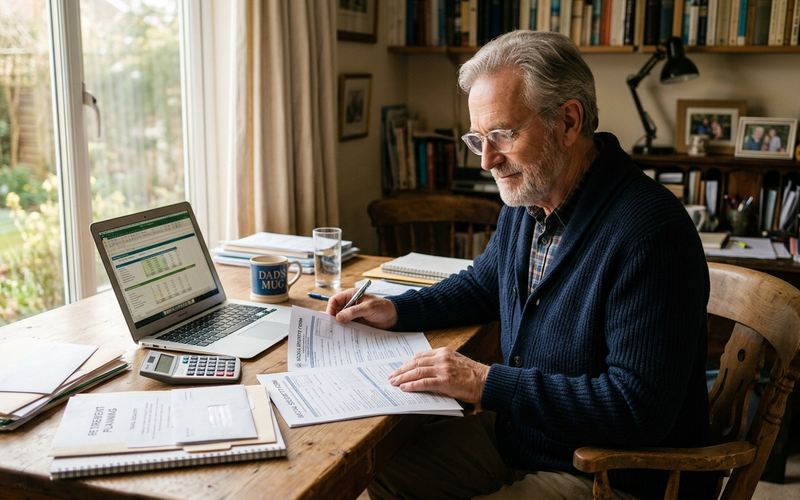
Social Security's Full Retirement Age Reaches 67 in 2027: What It Means for When You Claim
In 2027, the full retirement age for Social Security finishes its long climb to 67. People born in 1960 are the first group to reach a full retirement age of exactly 67. Here is what that changes, what it does not, and how the age you claim still moves your check by hundreds of dollars a month.

Social Security Is Phasing Out Paper Checks by the End of 2026: What to Do Now
The federal government has stopped mailing most paper checks, and Social Security wants every beneficiary on direct deposit or a Direct Express card by the end of 2026. Fewer than 1 percent of recipients still get a check in the mail. Here is who is affected, how to switch, and the narrow exceptions that let a few people keep paper.
Explore senior living options
Comparing care for yourself or a family member? Browse communities by care type and see what each option typically costs.
- Assisted livingHelp with daily activities, costs, and how to choose a community.
- Independent livingMaintenance-free communities for active older adults.
- Home careIn-home support for seniors aging in place.
- Nursing homesSkilled nursing care and Medicare star ratings.
- Senior apartmentsAge-restricted, budget-friendly rental housing.
- Cost of senior livingCompare typical monthly prices by care type and state.