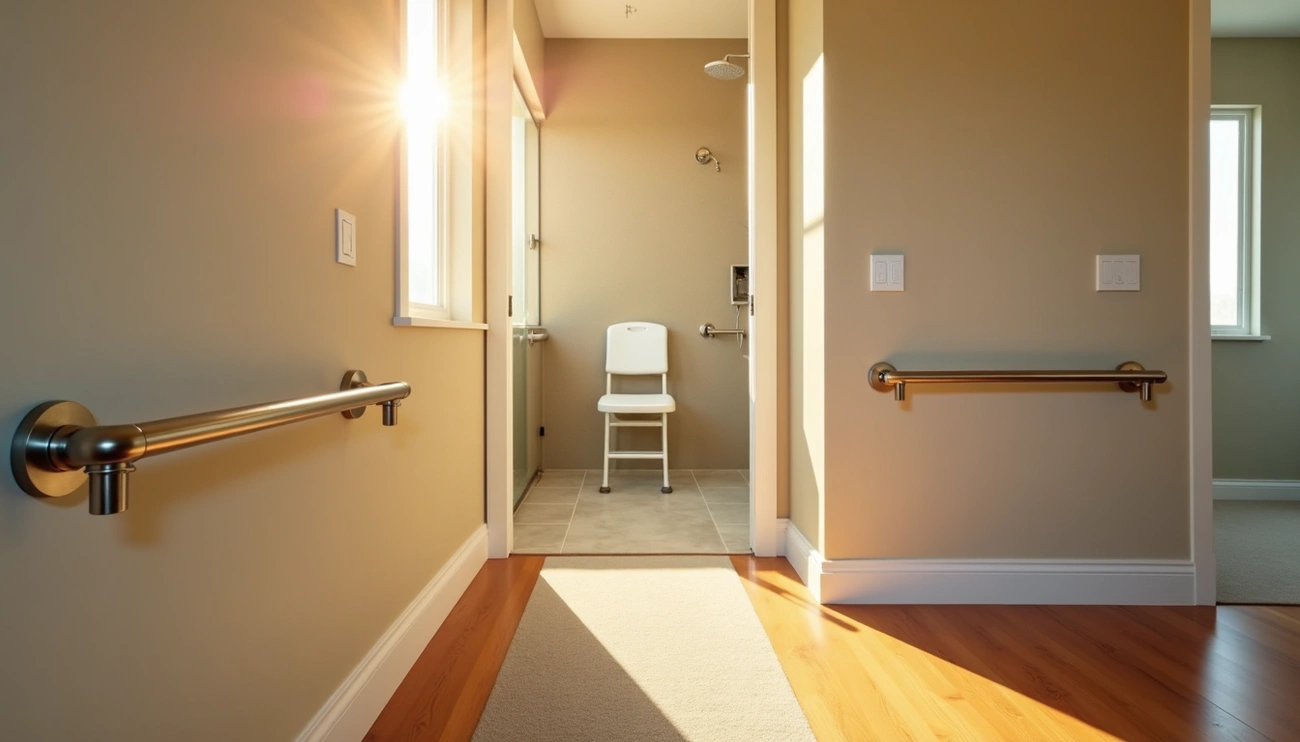

Staying active becomes more challenging as mobility changes with age. Approximately 35% of 70-year-olds and most people over 85 report mobility restrictions, but limited movement doesn’t mean you need to stop being physically active. Finding suitable activities can help you maintain independence and improve your quality of life.
Research shows that staying physically active remains essential for both physical and mental health in aging adults. Studies suggest that moderate to intense exercise can slow cognitive aging by up to 10 years. The most beneficial activities for seniors provide physical benefits alongside social interaction, which supports overall well-being.
Finding appropriate physical activities for your age and ability level can take some research. This guide explores nine gentle sports that accommodate varying mobility levels and health conditions. These options help improve balance, increase strength, and support management of chronic conditions while creating opportunities for meaningful social connections.
Chair Yoga
Chair yoga provides an accessible way for seniors to experience yoga’s benefits without the physical demands of traditional floor poses. This adapted practice modifies classic yoga postures for seated positions, creating a safe and effective exercise option for older adults with varying mobility levels.
Benefits of Chair Yoga
Research demonstrates that chair yoga delivers significant health improvements for seniors, even with modest practice schedules:
- Pain Relief: Older adults with osteoarthritis who practiced chair yoga for 45 minutes twice weekly over eight weeks experienced decreased pain and fatigue compared to those in health education programs.
- Enhanced Daily Activities: Seniors with knee osteoarthritis showed improved ability to perform everyday tasks after participating in a 12-week chair yoga program.
- Stress Reduction: A six-week chair yoga program produced greater stress reduction among older adults compared to chair aerobics, walking, or social games.
- Increased Strength: Research with older women in community care showed that 12 weeks of chair yoga improved strength in hands, arms, and legs.
- Balance Improvements: Regular practice enhances balance, agility, gait, and limb flexibility, helping reduce fear of falls among participants with a median age of 88 years.
Chair yoga also increases range of motion in stiff joints, promotes better posture, and supports heart health through gentle cardiovascular activity.
Accessibility of Chair Yoga
Chair yoga accommodates seniors who face challenges with traditional exercise. The practice particularly benefits those who have difficulty balancing, standing for extended periods, or moving from floor to standing positions. The chair provides stability, allowing you to focus on proper form without worrying about falling.
Getting started requires minimal equipment-just a sturdy, armless chair that allows your feet to rest flat on the floor with knees at a 90-degree angle. If your feet don’t reach the floor, blocks can provide additional support.
You can practice chair yoga virtually anywhere-at home, in senior centers, or assisted living facilities. Sessions typically involve sitting in the chair while stretching and holding poses or standing and using the chair for balance.
Social Aspects of Chair Yoga
Chair yoga classes create opportunities for meaningful connections among seniors. Many participants discover that the practice involves as much community building as physical movement.
Classes bring together people of similar ages and fitness levels, creating supportive environments where participants encourage one another and celebrate achievements. This social component helps combat isolation and loneliness that many older adults experience.
Regular class attendance provides structured social interaction, helping you build friendships and maintain accountability for consistent exercise habits. The combination of mindful movement and social engagement significantly enhances overall happiness and well-being.
Water Aerobics
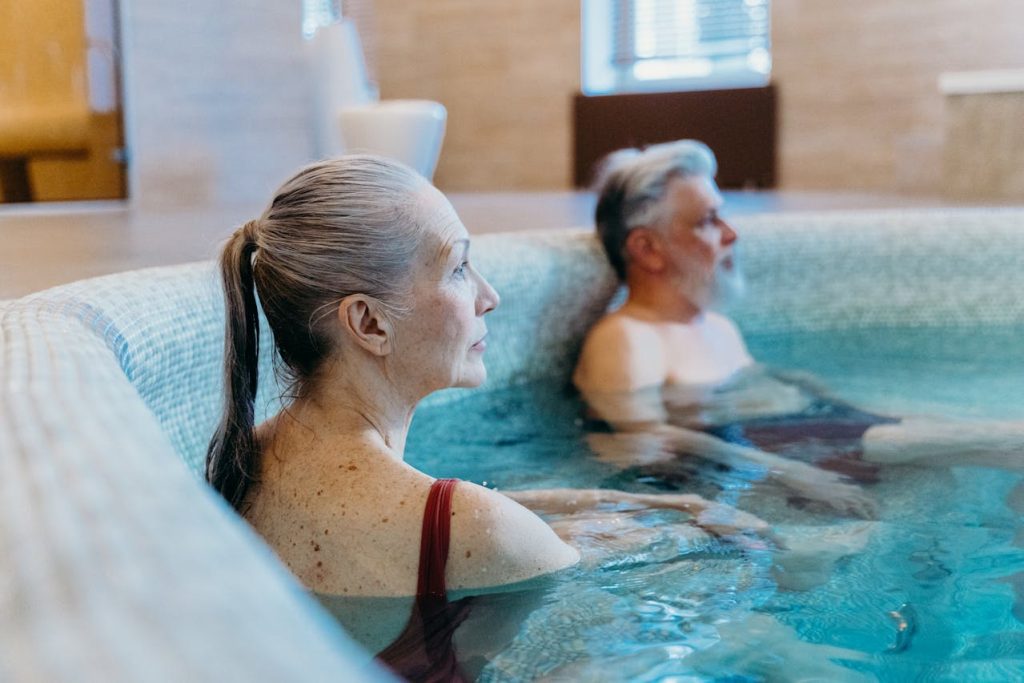
Water aerobics offers an ideal solution for seniors who want effective exercise without joint stress. The aquatic environment combines water’s natural resistance with buoyancy, creating workouts that challenge your body while protecting aging joints.
Benefits of Water Aerobics
The water environment provides unique advantages that make aquatic exercise particularly effective for older adults. Consider these research-backed benefits:
- Joint Protection: Water’s buoyancy reduces stress on joints and muscles, making movement smoother and less painful. This proves especially valuable if you have arthritis or joint issues.
- Muscle Strengthening: Water provides natural resistance for building muscle tone without weights. Studies show that 25% of women and 14% of men report maintaining muscle tone as a primary benefit of aquatic exercise.
- Heart Health: Regular participation safely elevates heart rate and promotes better circulation without straining your cardiovascular system.
- Pain Relief: Water’s hydrostatic pressure reduces swelling and inflammation while increasing blood flow to muscles.
- Fall Prevention: Moving through water strengthens muscles and improves stability, reducing fall risk-a major concern for many seniors.
Research indicates that 82% of participants rate water aerobics’ contribution to quality of life as excellent or very good on a 5-point scale. Aquatic exercises also improve functional outcomes like the 30-second chair stand, 30-second arm curl, and Timed Up-and-Go test.
Accessibility of Water Aerobics
You don’t need swimming skills to participate in water aerobics classes. Most sessions take place in shallow water where you can stand comfortably throughout the workout.
Many facilities offer programs specifically designed for seniors:
- Community centers with heated pools for enhanced comfort
- Recreation facilities providing year-round indoor access
- Gyms with senior-specific class schedules
- Programs like SilverSneakers Splash designed for all skill levels, including non-swimmers
Look for pools with accessible entrances such as ramps or lifts if you have mobility concerns. The ideal water temperature for therapeutic exercise ranges between 83°F and 88°F, which helps relax muscles and improve circulation.
Social Aspects of Water Aerobics
What’s Great About Water Aerobics: Water aerobics classes create natural opportunities for seniors to connect with others facing similar health challenges and fitness goals. The group setting promotes social interaction essential for emotional well-being.
The supportive environment encourages participants to celebrate achievements together. Many seniors find that moving in water, often with music, creates joy and inner peace. Regular class attendance provides structured socialization opportunities, helping reduce isolation commonly experienced by older adults.
Classes bring together people of similar ages and fitness levels, creating environments where you can share experiences and build lasting friendships.
Tai Chi
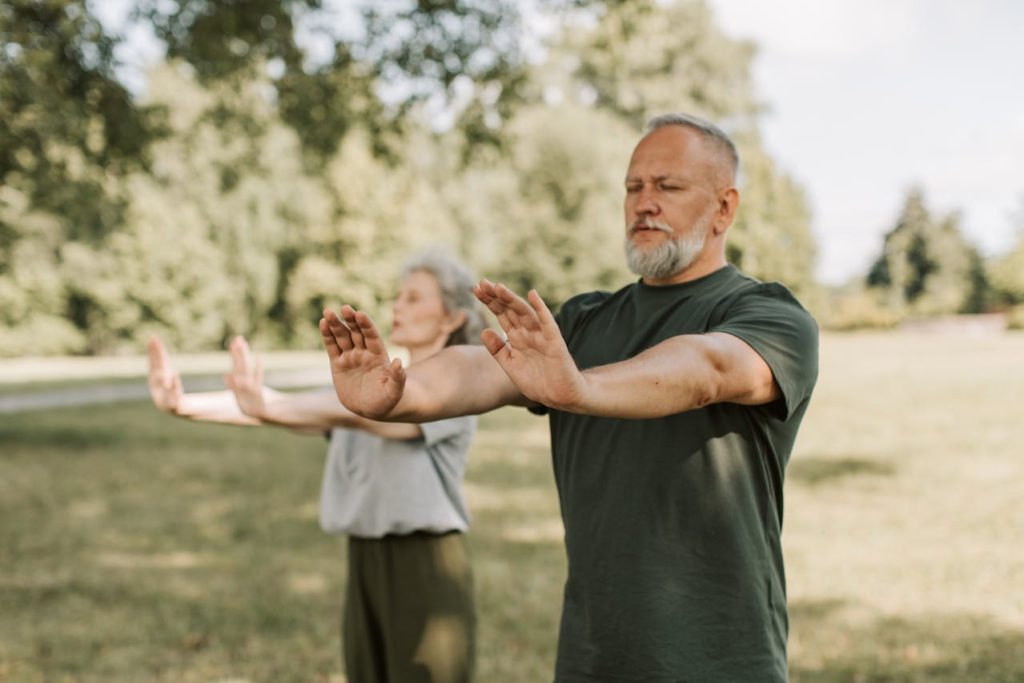
This ancient Chinese practice has become one of the most valuable physical activities for seniors worldwide. Tai Chi combines slow, deliberate movements with deep breathing and mental focus, creating harmony between body and mind that particularly benefits aging adults.
Benefits of Tai Chi
Tai Chi provides remarkable advantages for older adults seeking gentle yet effective exercise:
Improved Balance and Fall Prevention: Research indicates that Tai Chi effectively reduces fall incidents among seniors. A 2018 study found that regular practice decreases the fear of falling, which often leads to isolation and reduced quality of life.
Enhanced Cognitive Function: As a body-mind exercise, Tai Chi boosts brain health by requiring practitioners to recall movement sequences. Studies demonstrate that this practice improves memory retention, executive function, and overall cognitive abilities.
Stress Reduction: The deliberate movements combined with focused breathing trigger a relaxation response within the body. Research shows Tai Chi is associated with significant decreases in tension, fear, and sadness while increasing energy and happiness.
Physical Strength and Flexibility: Regular practice strengthens lower limbs, enhances balance control, and improves core strength. Tai Chi improves flexibility and range of motion without placing stress on muscles and joints.
Sleep Quality: Studies indicate that older adults who practiced Tai Chi for six months experienced significant improvement in their sleep quality, taking less time to fall asleep and experiencing fewer disruptions.
Accessibility of Tai Chi
Tai Chi offers exceptional accessibility for seniors compared to many other physical activities:
Unlike high-impact activities that become difficult with age, Tai Chi practitioners often improve with advancing years, with the best performers frequently being in their 70s, 80s, or even 90s.
You can practice Tai Chi without any special equipment or facilities, making it economically accessible regardless of your budget. Classes are readily available at community centers, senior centers, gyms, and YMCAs.
For those with Medicare Advantage, plans like Silver Sneakers may cover Tai Chi programs. You can also find numerous online resources that provide instruction for home practice.
Social Aspects of Tai Chi
Group classes foster a supportive environment where participants develop friendships and encourage each other. This social component helps counter loneliness and isolation commonly experienced by older adults.
According to research, peers, friends, and family members serve as powerful motivators for adhering to Tai Chi exercise routines. The shared experience creates a sense of community and belonging among practitioners.
The combination of physical activity and social interaction makes Tai Chi exceptionally well-suited for enhancing overall wellness in seniors, addressing both physical health and emotional well-being simultaneously.
Bocce Ball
Dating back thousands of years to ancient Rome, bocce ball stands as the world’s third most popular outdoor sport after soccer and golf. This classic game offers gentle physical activity combined with social engagement for seniors.
The game involves rolling weighted balls toward a smaller target ball called the pallino or jack, making it simple to understand yet rich with strategic potential.
Benefits of Bocce Ball
Bocce ball provides several physical and mental advantages for older adults:
- Low-Impact Exercise: This no-contact sport offers light cardiovascular activity without injury risk. The gentle movement helps you maintain stamina and physical health.
- Improved Coordination: The game requires precise throwing and aiming, which enhances hand-eye coordination. Regular play helps refine these skills for daily activities.
- Enhanced Flexibility: Playing involves bending, reaching, and stretching, which helps maintain joint mobility without strain. These movements improve flexibility in the hips and lower back, areas often prone to stiffness.
- Mental Stimulation: Despite its simplicity, bocce engages your mind through strategic thinking. You must consider distance, velocity, and anticipate opponents’ moves, keeping your brain active.
- Calorie Burning: An hour of bocce burns between 200-350 calories, comparable to brisk walking, supporting weight management and overall fitness.
Accessibility of Bocce Ball
Bocce ball offers exceptional accessibility as a physical activity for seniors:
The game requires minimal equipment – a basic set of bocce balls and a flat surface are all you need to start playing. This makes it economically accessible regardless of your background.
Bocce ball accommodates those with physical limitations. Courts can accommodate wheelchairs, scooters, walkers, or canes, ensuring participation regardless of mobility restrictions. For seniors who find traditional physical activities challenging, bocce offers an inclusive alternative.
You can play the game on various surfaces, including grass, gravel, or dedicated bocce courts, making it versatile for different environments.
Social Aspects of Bocce Ball
Beyond physical benefits, bocce ball excels as a social activity for seniors:
The game naturally promotes friendship formation. Many players find that bocce serves as an excuse for social engagement, with coffee meet-ups afterward often becoming more enjoyable than the game itself.
Bocce creates team interaction and belonging among participants. The leisurely atmosphere puts socializing and fun above competition, creating a welcoming environment where you can connect with others.
Regular bocce sessions provide structured opportunities to maintain social connections, which helps combat isolation-a significant concern for many seniors. The game creates a supportive community where friendships form and people help each other.
Table Tennis
Often called the “world’s best brain sport” by brain health experts, table tennis provides remarkable advantages for seniors seeking both physical and cognitive stimulation. This racket sport combines mental alertness with gentle physical activity, making it an excellent choice for older adults.
Benefits of Table Tennis
Table tennis delivers health benefits that extend beyond typical physical exercise:
Brain Health Enhancement: Studies show table tennis activates multiple brain regions simultaneously, requiring both mental focus and physical alertness. Research reveals significant cognitive improvements in older adults with neurodegenerative conditions, with impact measurements showing substantial gains (MMSE: d = 1.44; MoCA: d = 1.31).
Physical Improvements: Regular play strengthens leg, arm, and core muscles without overtaxing joints. Table tennis also enhances:
- Reaction time and reflexes
- Hand-eye coordination
- Balance and flexibility
- Cardiovascular health through aerobic activity
Disease Prevention: Table tennis appears safe and effective for enhancing cognitive and motor outcomes in individuals with Alzheimer’s disease, Parkinson’s disease, and dementia. Blood flow increases in the cerebellum, pons, and midbrain after playing, potentially helping prevent or delay cognitive decline.
Accessibility of Table Tennis
Table tennis stands out for its adaptability and minimal requirements:
The sport requires little physical strength or special skills, just willingness to participate and have fun. You need only a table, paddles, and balls to begin playing.
Table tennis accommodates diverse ability levels. Since there is no heavy equipment to handle or physical contact between players, physical requirements remain minimal. You can adjust intensity based on your comfort level throughout the game.
The sport remains accessible even with mobility limitations, as it can be adapted for seated play. The compact nature of ping pong tables allows placement in various locations, including community rooms in senior centers.
Social Aspects of Table Tennis
Table tennis creates valuable social connections for seniors:
Table tennis functions as a social sport, bringing people together in environments where interaction with others becomes an essential part of the experience. Group play promotes community building and friendship formation.
Organized play creates structured opportunities for meaningful interaction. Many communities have regular players who welcome newcomers to join their groups. This inclusive atmosphere helps combat loneliness and isolation among older adults.
The combination of cognitive stimulation, gentle physical activity, and social engagement makes table tennis an ideal choice for seniors seeking to maintain both brain and body health while building meaningful connections.
Adaptive Golf
Traditional golf has been adapted to accommodate seniors with mobility limitations or health challenges. With approximately 53 million Americans (about 1 in 5 people) living with disabilities, adaptive golf provides both recreational and therapeutic benefits for older adults.
Benefits of Adaptive Golf
Adaptive golf offers therapeutic advantages that extend beyond recreation. For seniors recovering from strokes or managing arthritis, the game serves as an effective form of physical therapy. The movements involved in swinging a club help improve coordination, balance, and muscle strength.
The psychological benefits prove equally important. Many seniors experience renewed confidence as they master skills they thought were lost. As one adaptive golf instructor explained, “A lot of it is building back up the confidence and being around others who are dealing with the same issues”.
Playing golf also stimulates cognitive functions as players plan shots, assess distances, and make strategic decisions. This mental engagement may help slow cognitive decline in some cases, adding another dimension to golf’s value as a senior activity.
Accessibility of Adaptive Golf
Several innovations have made golf more accessible for seniors with physical limitations. Specialized equipment includes adaptive carts like SoloRider and ParaMotion that allow players to swing from a seated position. Teeing devices such as Tee Pal and EZ-Tee eliminate the need to bend over.
Many golf facilities now exceed ADA standards, offering accessible teeing grounds wide enough for mobility aids. The best courses provide open approaches to greens, allowing players to bounce shots rather than requiring high ball flights.
Organizations like the USGA and PGA of America support adaptive golf initiatives nationwide, with some areas having programs at 20+ courses. Adaptive golf equipment can be customized to individual needs, including adjustable gloves with Velcro closures, oversized grips, and clubs with modified shaft weights and angles.
Social Aspects of Adaptive Golf
Inclusive golf communities create powerful social connections. These groups provide environments where players connect with others who share both their challenges and passion for the game.
Seniors find opportunities for friendship, mentorship, and mutual encouragement through tournaments, clinics, and social events. Veterans’ programs use golf to help former military members manage trauma and recover from injuries.
These supportive communities celebrate diversity, recognizing the unique talents and perspectives each individual brings to the sport. Adaptive golf programs help break down barriers by advocating for accessible facilities and inclusive policies, creating environments where everyone can experience the camaraderie and joy of the game.
Cycling with Tricycles
Tricycles offer a practical solution for seniors who want to continue cycling without worrying about balance. These three-wheeled bicycles provide the stability and safety that conventional two-wheelers cannot match as mobility changes with age.
Benefits of Adaptive Cycling
Adaptive cycling provides significant health improvements for seniors. The activity offers low-impact cardiovascular exercise that strengthens muscles, enhances joint flexibility, and promotes better circulation. Assisted cycling can boost leg strength, improve core stability, reduce joint stiffness, and support heart health.
Seniors with specific health conditions may find particular advantages:
- Reduced tremors, rigidity and bradykinesia for those with Parkinson’s disease
- Improved aerobic capacity and overall function
- Enhanced wellbeing, with happiness ratings averaging 9.5 out of 10 after participating in cycling programs
The mental health benefits can be substantial as well. Seniors often experience renewed independence and freedom, which helps address the isolation experienced by 2-6% of adults aged 65+ who suffer from severe loneliness.
Accessibility of Adaptive Cycling
Tricycles eliminate the need for balancing, allowing riders to remain seated safely even when stopped. Several design options accommodate different needs:
- Traditional tricycles with one wheel in front and two rear wheels
- Tricycles with two wheels in front and one rear wheel
- Recumbent designs with comfortable seating
Electric motors can provide pedal assistance when needed, reducing strain while still promoting movement. This feature helps seniors with limited strength gradually increase activity levels without overexertion.
Social Aspects of Adaptive Cycling
Tricycle riding creates meaningful social connections for seniors. Programs like Cycling Without Age show how shared rides build relationships, with volunteers piloting tricycles while seniors enjoy “the wind in their hair” from the passenger seat.
These experiences help seniors reconnect with their communities. Many report that cycling helps them maintain social connections, visit places from their past, and experience freedom beyond facility walls. Even short rides over a few weeks can significantly improve wellbeing for both residents and caregivers.
Adaptive cycling allows seniors to remain active community participants rather than observers, supporting both independence and meaningful human connections.
Seated Volleyball
Seated volleyball provides an inclusive way for seniors to enjoy competitive play without standing. This modified version combines elements of traditional volleyball with accessibility features that accommodate various mobility levels.
Benefits of Seated Volleyball
Seated volleyball provides valuable exercise that improves health outcomes for seniors. Regular participation enhances cardiovascular endurance and body composition. The activity involves full-body movement while removing the challenge of standing balance. Players often find themselves stretching higher and making shots beyond what they initially thought possible.
Physical health improvements from seated volleyball include:
- Enhanced core strength and shoulder mobility
- Improved neck flexibility and hand-eye coordination
- Increased upper range of motion and lung capacity
The game also promotes stress reduction and mental stimulation. One cardiologist notes that “seated upper-body exercise is sometimes easier for senior citizens who have difficulty walking or balancing themselves”.
Accessibility of Seated Volleyball
Seated volleyball was originally developed for athletes with disabilities but has evolved into an activity anyone can enjoy. Players sit in chairs, six per side, batting a beach ball over a net. This format creates equal playing conditions where mobility limitations don’t prevent participation.
The game welcomes players who are deaf, use wheelchairs or walkers, or have arthritis. As one participant explained, “This is an opportunity to have fun and benefit from the exercise” despite knee problems limiting mobility.
Social Aspects of Seated Volleyball
Seated volleyball excels at building community connections. The activity creates environments where participants develop meaningful friendships and encourage one another. Players consistently report that the camaraderie cannot be measured.
Seniors describe the game as “infectious,” with centers nationwide introducing it to members. The activity fosters connections that combat isolation while providing the satisfaction of mastering new skills together.
Swimming
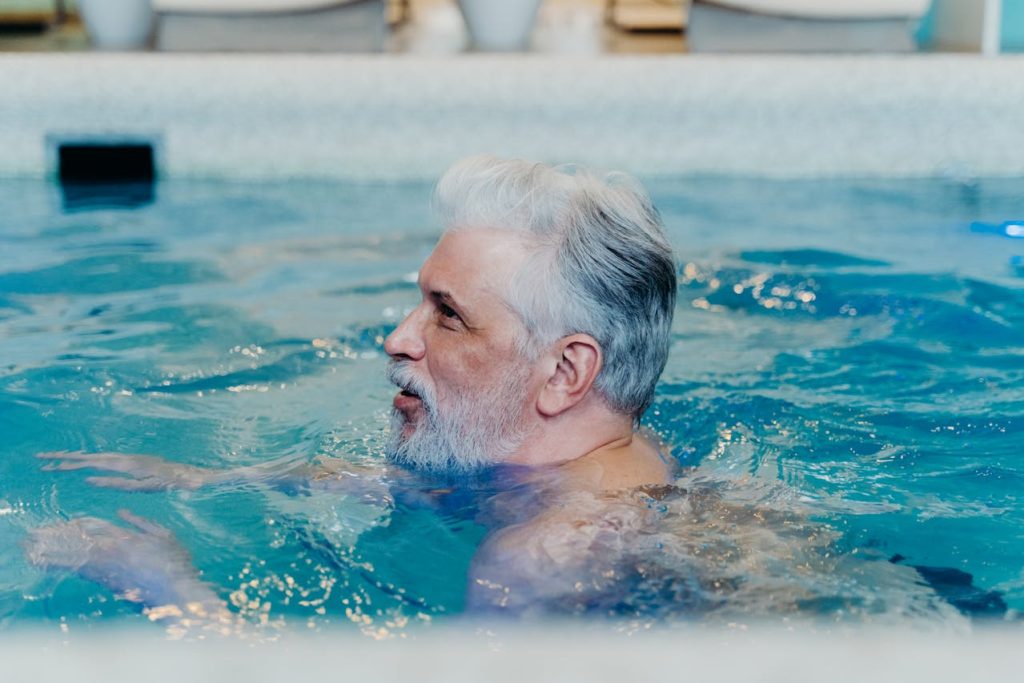
Swimming provides a complete workout that engages all muscle groups without placing stress on aging joints. For seniors seeking low-impact exercise options, swimming offers unique advantages that make it accessible regardless of fitness level.
Benefits of Swimming
Swimming delivers significant health improvements for seniors:
- The buoyancy of water supports up to 90% of body weight, dramatically reducing stress on joints
- Just 30 minutes of swimming burns over 200 calories, more than double that of walking
- Regular swimming reduces coronary heart disease risk by 30-40% in women and can lower type 2 diabetes risk by over 10% in men
- Swimming has been shown to reduce pain and improve quality of life for those with knee osteoarthritis and fibromyalgia
Swimming also supports cognitive function and mental wellness. Studies suggest aquatic exercise can help slow cognitive decline while significantly reducing anxiety by 41% and depression by 27%.
Accessibility of Swimming
Swimming accommodates seniors with varying abilities. Even those with limited mobility on land often find greater range of motion in water. For beginners, options like water walking provide accessible entry points before advancing to swimming laps.
Social Aspects of Swimming
Group swimming lessons and water exercise classes create opportunities for meaningful connections. These settings foster supportive environments where seniors encourage one another, helping combat isolation through regular social interaction. Many participants report that the camaraderie becomes as valuable as the physical benefits, creating relationships that extend beyond the pool.
Comparison Table
The following table provides a quick reference to help you compare these nine gentle sports based on key factors that matter most to seniors. Use this information to identify activities that best match your physical abilities, social preferences, and practical requirements:
| Sport | Physical Benefits | Accessibility Features | Social Aspects | Equipment/Requirements | Special Considerations |
|---|---|---|---|---|---|
| Chair Yoga | Pain reduction, improved strength, better balance, enhanced mobility, stress reduction | Can be practiced anywhere, accommodates various ability levels | Creates supportive environment, builds community | Sturdy armless chair | Feet should rest flat on floor with knees at 90-degree angle |
| Water Aerobics | Joint-friendly exercise, muscle strength, cardiovascular improvements, pain management | No swimming skills required, available at various facilities | Group setting promotes social interaction | Access to pool | Water temperature 83°F-88°F recommended |
| Tai Chi | Improved balance, enhanced cognitive function, stress reduction, physical strength, better sleep | No special equipment needed, adaptable for all ages | Group classes foster supportive environment | None specified | Best performers often in 70s-90s |
| Bocce Ball | Low-impact exercise, improved coordination, enhanced flexibility, burns 200-350 calories/hour | Accommodates wheelchairs and mobility aids | Promotes camaraderie and friendship | Bocce balls, flat surface | Can be played on various surfaces |
| Table Tennis | Brain health boost, improved reflexes, balance, cardiovascular health | Requires minimal physical strength | Brings multiple generations together | Table, paddles, balls | Can be adapted for seated play |
| Adaptive Golf | Improved coordination, balance, muscle strength, cognitive stimulation | Specialized equipment available, accessible course features | Creates inclusive communities | Adaptive carts, modified clubs | Programs available nationwide |
| Cycling with Tricycles | Cardiovascular exercise, muscle strength, joint flexibility | Eliminates need for balancing | Creates community connections | Three-wheeled bicycle | Electric assistance available |
| Seated Volleyball | Core strength, shoulder mobility, cardiovascular endurance | Players remain seated, accommodates various mobility levels | Builds community, fosters friendships | Chairs, beach ball, net | Six players per side |
| Swimming | Full body workout, burns 200+ calories/30 min, reduces joint stress | Suitable for varying abilities | Group classes create connections | Access to pool | Water supports 90% of body weight |
Conclusion
Staying active becomes more challenging with age, but finding suitable activities doesn’t have to be overwhelming. The nine gentle sports covered in this guide offer practical options for maintaining mobility, strength, and social connections while accommodating various physical limitations.
Each activity provides distinct advantages for different needs and preferences. Chair yoga and Tai Chi emphasize balance and mindfulness, while water-based activities use buoyancy to reduce joint stress. Games like bocce ball and table tennis combine physical movement with strategic thinking, and adaptive versions of traditional sports show how activities can be modified to work with changing abilities.
The social benefits of these activities prove just as valuable as the physical ones. Regular participation helps you meet new people, maintain friendships, and stay connected to your community – important factors in combating isolation.
You might consider trying several activities to discover what works best for you. Local senior centers, community recreation facilities, and retirement communities often offer these programs, sometimes at reduced rates for older adults. Start with activities that sound most appealing or accessible based on your current mobility and interests.
Getting started requires taking just one step. Choose an activity from this list that matches your ability level and interests, then contact local facilities to learn about available programs. Remember to start slowly and listen to your body as you build confidence and stamina.
These accessible activities can help you maintain independence while creating opportunities for enjoyment and social connection during your senior years. Whether you’re looking to manage a health condition, stay physically strong, or simply have fun with others, at least one of these gentle sports can fit into your routine and support your overall well-being.
Key Takeaways
Staying active as a senior doesn’t require high-impact activities – these nine gentle sports prove that fitness and fun can go hand-in-hand while accommodating various mobility levels and health conditions.
• Water-based activities like swimming and water aerobics reduce joint stress by 90% while providing full-body workouts that burn over 200 calories in 30 minutes.
• Chair yoga and Tai Chi offer remarkable cognitive benefits, with studies showing Tai Chi can slow cognitive aging by up to 10 years while improving balance and reducing fall risk.
• Social connection is equally important as physical exercise – group activities like bocce ball, table tennis, and seated volleyball combat isolation while building lasting friendships.
• Adaptive equipment makes traditional sports accessible – tricycles eliminate balance concerns, adaptive golf carts enable seated play, and modified volleyball accommodates wheelchairs.
• Start with activities you enjoy and can practice regularly – the best exercise is the one you’ll actually do consistently, so try multiple options to find your perfect fit.
The combination of gentle physical activity with meaningful social interaction makes these sports ideal for maintaining both physical health and emotional well-being throughout your senior years. Remember to start slowly, listen to your body, and focus on enjoyment rather than performance.
FAQs
Q1. What are some gentle sports suitable for seniors? Swimming, chair yoga, water aerobics, tai chi, and bocce ball are excellent options for seniors. These low-impact activities offer cardiovascular benefits, improve flexibility and strength, and can be adapted to various fitness levels.
Q2. How can seniors stay active and social through sports? Seniors can stay active and social by participating in group activities like seated volleyball, adaptive golf, or table tennis. These sports not only provide physical benefits but also create opportunities for social interaction, helping to combat isolation and build friendships.
Q3. Are there sports that can help improve balance and reduce fall risk in older adults? Yes, tai chi and chair yoga are particularly effective in improving balance and reducing fall risk for seniors. These practices focus on controlled movements and body awareness, which can significantly enhance stability and coordination.
Q4. What are the benefits of water-based exercises for seniors? Water-based exercises like swimming and water aerobics offer numerous benefits for seniors. They provide low-impact cardiovascular workouts, reduce stress on joints, improve muscle strength, and enhance flexibility. The buoyancy of water supports up to 90% of body weight, making these activities accessible even for those with mobility issues.
Q5. How can seniors with limited mobility participate in sports? Seniors with limited mobility can participate in adapted sports such as seated volleyball, adaptive golf, or cycling with tricycles. These activities are designed to accommodate various physical limitations while still providing the benefits of exercise and social interaction. Many traditional sports have been modified to allow participation from a seated position or with assistive devices.