Christmas activities for seniors can be incredibly fun and meaningful, even for those with physical limitations. As the backbone of our families, seniors deserve to feel loved and cherished, particularly during the festive season.
Creating joyful holiday moments is all about finding activities everyone can enjoy, regardless of age or ability. Additionally, these fun Christmas activities for seniors provide more than just entertainment. Positive social interactions during the holidays have been shown to boost older adults’ well-being and offer an invaluable sense of connection.
However, the holiday season can sometimes feel stressful, confusing, or lonely for seniors. Therefore, we’ve compiled this list of 18 festive Christmas activities for elderly family members that will bring joy and create meaningful moments. From classic Christmas games for seniors to creative crafts and thoughtful traditions, these Christmas activities ideas for seniors will help everyone feel included in the holiday celebrations.
Including seniors in holiday activities isn’t just about spreading cheer. It’s about building connections and creating moments that matter. Furthermore, these activities can be adapted for different ability levels, ensuring everyone can participate in the holiday magic.
Bond Over a Warm Beverage
Sharing warm beverages offers a simple yet deeply meaningful way to connect with elderly loved ones this Christmas season. Since many older adults experience reduced thirst sensation with age, this activity combines hydration with cozy festive moments.
Activity Description
This Christmas activity involves preparing and sharing special warm drinks with senior family members. Whether it’s spiced apple cider simmering in a slow cooker, aromatic herbal teas, or rich hot chocolate, warm beverages create an instant atmosphere of comfort. The experience becomes even more special when served in festive mugs alongside Christmas cookies or treats. This activity works wonderfully after returning from outdoor holiday activities or during quiet evenings by the Christmas tree.
Why It’s Great for Seniors
Warm drinks provide more than just comfort during cold weather. As we age, our bodies contain less water, putting seniors at greater risk of dehydration. Warm beverages are often easier to swallow, making them particularly beneficial for older adults with swallowing difficulties. Moreover, many holiday drinks contain nutrients and antioxidants that support overall health. Herbal teas offer calming effects, while spiced apple cider provides vitamin C to boost immunity during winter months. For seniors, these moments of sharing a warm drink also become opportunities for meaningful conversation and connection, which can help combat holiday loneliness.
How to Get Started
Begin by asking your senior loved one about their favorite holiday beverages from past Christmases. Then gather simple ingredients for 2-3 options:
- Simple Hot Apple Cider: Warm unsweetened apple juice with a cinnamon stick and optional whole cloves for a festive aroma
- Warming Lemon Water: Mix hot water with fresh lemon slices and optional honey
- Comforting Hot Cocoa: Look for low-sugar cocoa mixes with dark chocolate (at least 70% cocoa) and prepare with low-fat milk
Prepare these drinks together when possible, as the preparation itself becomes part of the bonding experience. The delightful aromas can evoke holiday memories and create the perfect setting for sharing Christmas stories across generations.
Bake a Family Recipe Together
Baking holiday treats from cherished family recipes creates powerful connections across generations and stirs meaningful memories. This traditional Christmas activity offers both emotional warmth and practical benefits for older adults.
Activity Description
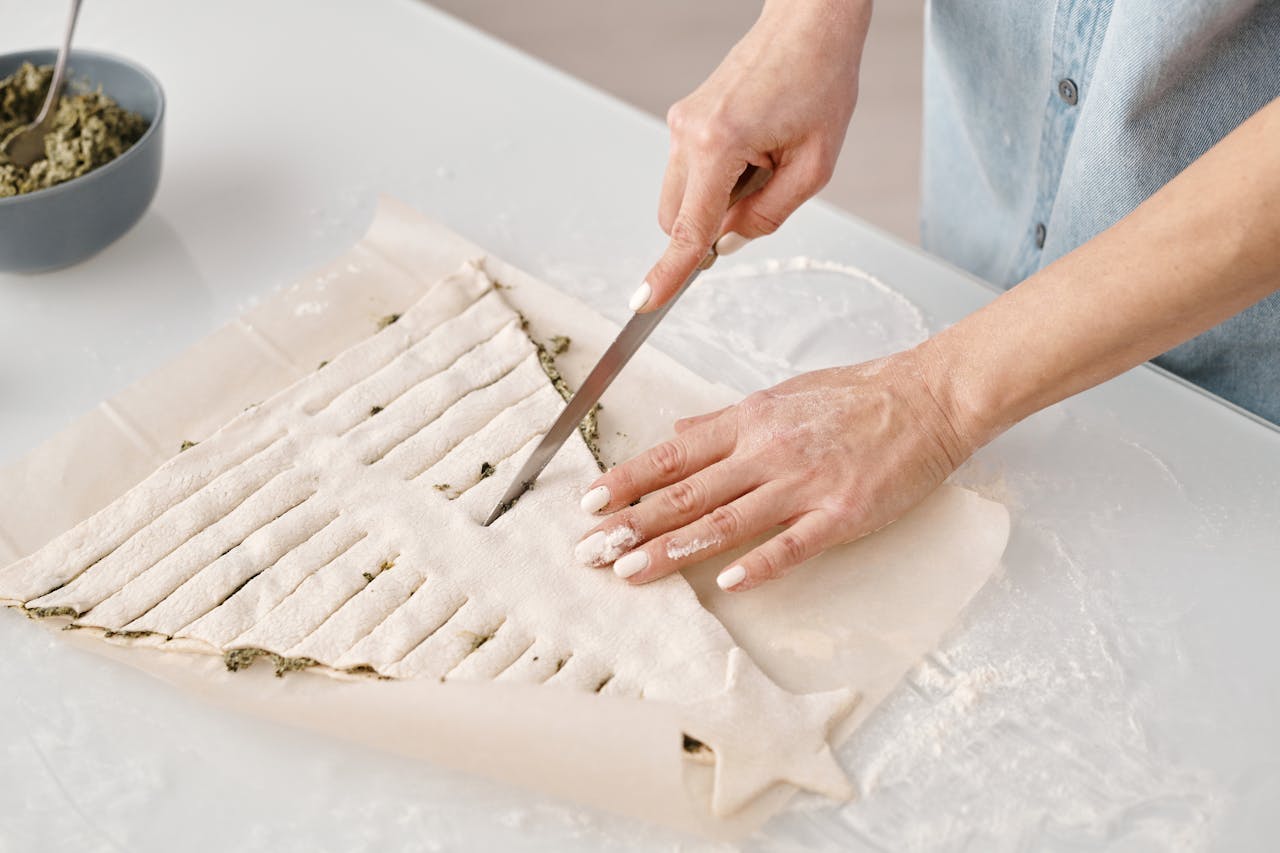
Baking family recipes involves gathering loved ones to create special holiday treats passed down through generations. From grandma’s famous cookies to dad’s favorite holiday bread, these baking sessions transform kitchens into hubs of conversation, laughter, and storytelling. The process naturally encourages teamwork as everyone takes on different tasks: measuring ingredients, mixing batter, or decorating finished treats. This collaborative experience builds appreciation for the time and effort that goes into creating something special as a group.
Why It’s Great for Seniors
For seniors, baking engages all five senses, which can improve cognitive abilities. Familiar smells and tastes often evoke cherished memories, creating natural conversation starters about past holidays. Measuring ingredients, stirring, and decorating treats help maintain fine motor skills and hand-eye coordination. Beyond physical benefits, baking together fosters meaningful communication that might not arise during routine activities. This can help combat feelings of isolation that some seniors experience during the holidays. Essentially, baking together creates quality time that matters more than quantity.
How to Get Started
- Ask your senior loved one to share their favorite holiday recipe or one with special family significance
- Assign roles based on ability levels: younger children can pour pre-measured ingredients while seniors can supervise or share techniques
- Create stations for different tasks: mixing, decorating, and packaging treats
- Document the experience by taking photos or writing down recipe notes and stories shared
- Consider creating handwritten recipe cards to preserve family traditions
The most valuable ingredient in holiday baking isn’t found in any recipe: it’s the love, connection, and shared experience that make these moments truly special.
Host a Christmas Movie Night
Movie nights offer a perfect opportunity for creating cherished holiday memories with older loved ones. This classic tradition brings generations together around heartwarming stories that spark joy and conversation.
Activity Description
A Christmas movie night involves selecting beloved holiday films to watch together in a comfortable setting. This simple yet meaningful activity transforms an ordinary evening into a festive occasion. With minimal preparation, you can create a theater-like atmosphere at home where seniors can enjoy films without leaving their favorite chair. The experience becomes even more special with themed decorations, dim lighting, and cozy seating arrangements that enhance the viewing experience.
Why It’s Great for Seniors
Watching movies together does more than provide entertainment; it creates valuable social connections. In fact, this activity fosters community and belonging, which are especially important during the holiday season. For many older adults, classic holiday films evoke fond memories that can lead to meaningful conversations about holidays past. Above all, movie nights accommodate different mobility levels, making them accessible for seniors with various physical capabilities.
How to Get Started
To organize a memorable Christmas movie night:
- Select appropriate films that appeal to various tastes and sensitivities-classics like “Miracle on 34th Street” or “The Muppet Christmas Carol” are often excellent choices
- Arrange comfortable seating with plenty of pillows and blankets to create a warm, inviting atmosphere
- Prepare simple, festive snacks such as popcorn variations or cheese-based treats
- Ensure good visibility and clear audio that accommodates hearing difficulties
- If family members live far away, consider using streaming services that offer virtual watch party options
The beauty of this activity lies in its flexibility-it can be as simple or elaborate as desired, depending on your senior loved one’s preferences and energy levels.
Create Holiday Wreaths
Crafting festive wreaths offers a perfect hands-on activity that combines creativity with holiday spirit for older adults and their families.
Activity Description
Wreath making invites seniors to create decorative holiday centerpieces using accessible materials. Pre-made wreath bases make this project particularly manageable for older hands. Options range from traditional greenery wreaths to simpler paper plate designs decorated with colorful paper. The process involves decorating with ribbons, pine cones, ornaments, or personal mementos, resulting in unique holiday decor that can adorn doors or living spaces.
Why It’s Great for Seniors
Beyond producing beautiful decorations, wreath making brings significant benefits to older adults. Consequently, this creative process increases feelings of well-being and decreases depression. The hands-on nature of the activity improves fine motor skills and cognitive function. Additionally, each wreath becomes a one-of-a-kind creation, fostering a sense of accomplishment and pride. Traditionally, making wreaths together also creates valuable social connections across generations.
How to Get Started
Gather these basic materials:
- Pre-made wreath forms (foam, wire, or even paper plates)
- Decorative elements like ribbons, ornaments, pine cones
- Floral wire or hot glue for attaching items
First thing to remember, keep the project accessible by cutting materials in advance for those with dexterity challenges. Consider wreath kits from craft stores that include everything needed. Work in a comfortable, well-lit space where everyone can participate according to their abilities.
Organize a Gift-Wrapping Party
Turning the sometimes tedious task of gift wrapping into a social gathering creates both productive and joyful holiday moments for seniors.
Activity Description
A gift-wrapping party brings people together to tackle holiday preparations as a group. Guests contribute wrapping supplies such as paper, ribbons, tags, and tape, creating a shared pool of materials everyone can use. This collaborative approach not only makes the work lighter but transforms a chore into a festive social occasion. The atmosphere becomes celebratory as Christmas music plays in the background and conversations flow naturally. Simultaneously, everyone leaves with beautifully wrapped presents ready for giving.
Why It’s Great for Seniors
This activity provides meaningful social connection during a season when isolation can affect older adults. In fact, programs like SmileMakers have shown that gift-giving activities help seniors feel valued and understand they aren’t alone. For seniors with mobility or dexterity challenges, wrapping parties offer practical assistance without taking away their involvement. Thoughtful adaptations like adding small tabs to tape make it easier for arthritic hands to participate. Beyond that, the shared experience creates natural opportunities for reminiscing about past holidays.
How to Get Started
- Clear ample floor and table space for wrapping stations
- Ask each guest to bring one roll of wrapping paper and one accessory (ribbons, tags)
- Organize supplies in baskets for easy access
- Provide extra scissors and several rolls of tape
- Consider mobility needs and create accessible wrapping areas
- For seniors with dementia, use simpler wrapping methods rather than gift bags
Fill Stockings for Grandkids
Preparing Christmas stockings for grandchildren creates a magical holiday opportunity for seniors to connect with younger generations. This heartwarming tradition helps older adults feel purposeful and involved in creating holiday joy.
Activity Description
This cherished Christmas activity involves seniors selecting, purchasing, and arranging small gifts in stockings for their grandchildren. Instead of focusing primarily on candy, seniors can fill stockings with items that last beyond the holiday season. Small games, playing cards, coloring books, and personalized ornaments make memorable surprises that show thoughtfulness. The joy comes not just from the gifts themselves but from imagining the delight on children’s faces Christmas morning.
Why It’s Great for Seniors
Filling stockings alleviates holiday loneliness that some seniors experience. This activity gives older adults a sense of purpose and connection to family traditions. The process of selecting meaningful items for each grandchild stimulates cognitive skills as seniors recall preferences and interests of their grandchildren. Obviously, watching grandkids discover stocking surprises creates priceless moments that boost seniors’ well-being.
How to Get Started
- Plan ahead by purchasing items throughout the year whenever you spot potential stocking stuffers
- Consider age-appropriate options: small puzzles, books, hair accessories, or special socks
- Include practical items alongside fun surprises: lip balm, gift cards, or mittens
- Organize a system with name tags to keep track of which stocking belongs to each child
Play Classic Christmas Games
Classic Christmas games provide interactive entertainment that brings generations together while offering significant health benefits for older adults.
Activity Description
Gathering for game sessions creates memorable holiday moments through friendly competition and shared laughter. Popular options include Christmas-themed trivia, holiday bingo with festive images instead of numbers, and Name That Tune with classic carols. Card games remain particularly popular, with 65% of adults age 50-plus enjoying them with friends. Beyond that, charades with holiday themes or a white elephant gift exchange add excitement to family gatherings.
Why It’s Great for Seniors
Game play offers substantial health advantages for older adults. Indeed, 70% of seniors believe games support cognitive health, as these activities stimulate memory and problem-solving skills. Additionally, 66% agree that games enhance mental health and overall well-being. Generally, playing games helps reduce feelings of isolation, with 58% of older adults reporting that games help them feel socially connected to others.
How to Get Started
Begin with these easy-to-organize options:
- Christmas Carol Name That Tune: Play short clips of classic songs for participants to identify
- Holiday Trivia: Create questions about Christmas traditions and history
- Christmas Bingo: Use holiday-themed cards with festive images
- Ornament Touch-and-Guess: Place decorations in a bag for identification by touch alone
Decorate the House Together
Transforming living spaces with festive decorations brings holiday magic alive and creates meaningful opportunities for family collaboration.
Activity Description
Holiday decorating involves family members of all ages working together to adorn the home with Christmas charm. This collaborative activity can include setting up tabletop Christmas trees, arranging mantle decorations, creating paper snowflakes, or designing DIY wreaths. Unlike some art projects requiring specialty tools, holiday decorating can use simple materials already available around the house. Each person can contribute according to their abilities, making it truly inclusive for everyone from grandchildren to grandparents.
Why It’s Great for Seniors
Decorating provides remarkable benefits for older adults. Primarily, it gives seniors a sense of ownership and identity when surrounded by things they love. The process itself stimulates creativity and cognitive function. Besides improving well-being, decorating typically enhances social connections as seniors feel more comfortable inviting friends and family to visit their beautifully adorned spaces. As a result, this activity significantly reduces feelings of isolation that often intensify during holidays.
How to Get Started
- Keep decorations at waist or eye level to avoid climbing ladders
- Focus on tabletop trees, mantle displays, and wreaths for manageable projects
- Create dedicated stations for different decorating tasks
- Use battery-operated lights and candles for safety
- Prioritize meaningful decorations that evoke cherished memories
Share Stories from the Past
The holiday season offers an ideal opportunity for older family members to become family historians, preserving cherished traditions through storytelling.
Activity Description
Christmas storytelling involves setting aside dedicated time for seniors to share memories of holidays past. This treasured activity creates a bridge between generations as elders narrate tales that might otherwise remain untold. Through personal narratives, seniors can reveal family traditions, historical perspectives, and life lessons. Family photos, holiday cards, and mementos can trigger memories and prompt detailed stories. Subsequently, these sessions can be recorded or documented in scrapbooks to preserve them for future generations.
Why It’s Great for Seniors
Storytelling provides remarkable benefits for older adults. Primarily, it affirms their life experiences and gives them a sense of purpose and value. For many seniors, recounting both joyful and challenging life events allows for emotional processing and healing. Beyond emotional benefits, storytelling exercises various cognitive functions including memory, attention, and language skills. Certainly, through these narratives, seniors strengthen family bonds and reduce feelings of isolation often experienced during holidays.
How to Get Started
- Create a comfortable, quiet environment for conversation
- Prepare open-ended questions like “What was your favorite Christmas tradition growing up?”
- Bring out photo albums or holiday decorations to prompt memories
- Consider recording stories (with permission) using smartphones
- Organize themed storytelling nights focused on specific holiday memories
Make and Send Holiday Cards
Creating handmade holiday cards allows seniors to express creativity while sharing personal holiday greetings with those they cherish. This thoughtful activity combines artistic expression with meaningful connection.
Activity Description
Card-making involves designing and creating personalized holiday greetings that recipients often display during the season. Unlike store-bought cards, handmade versions carry special significance and thoughtfulness. The activity can be scaled from simple designs to more elaborate creations depending on ability levels. For many recipients, these personalized cards become treasured keepsakes, often being the only holiday acknowledgment some older adults receive.
Why It’s Great for Seniors
Primarily, creating cards offers cognitive stimulation through creative thinking and fine motor skills practice. For seniors with memory challenges, card-making provides a structured yet enjoyable activity. Handmade cards help combat isolation feelings that intensify during holidays. Additionally, the activity gives seniors purposeful engagement, knowing their creations will bring joy to others. Notably, the process itself can prompt reminiscing about past holidays.
How to Get Started
Gather basic supplies:
- Blank cards or cardstock
- Markers, colored pencils, or gel pens
- Decorative materials (stickers, stamps)
- Glue sticks
Consider printing messages inside cards for those with handwriting difficulties. Work in a comfortable, well-lit space. Alternatively, simplify by using pre-printed templates that need only coloring. Keep messages positive and uplifting, focusing on general seasonal greetings rather than specific religious references. Ultimately, the value lies not in perfection but in the personal touch each senior brings to their creations.
Take a Holiday Lights Tour
Exploring twinkling holiday lights displays offers a magical way to experience Christmas cheer with minimal physical demands on senior family members.
Activity Description
Holiday lights tours involve viewing festive decorations either by car, on foot, or through organized group outings. Many communities feature neighborhoods where residents create elaborate displays worth visiting. Some cities even offer special senior tours that start with hot chocolate and holiday entertainment before boarding a bus to tour beautifully decorated areas. For seniors with mobility challenges, drive-through light shows allow them to enjoy the spectacle without leaving the vehicle’s comfort.
Why It’s Great for Seniors
Viewing holiday lights actually triggers happiness and positive emotions in many people. Bright displays can help reduce eye strain and even encourage relaxation depending on the light colors used. Plus, this activity accommodates varying mobility levels, as seniors can participate from the warmth of a car or wheelchair accessible vehicle. The experience often evokes childhood memories and creates opportunities for sharing stories about past Christmas celebrations.
How to Get Started
Consider these options for organizing your lights tour:
- Check city websites for organized senior tours, which typically cost around $9 per person
- Plan a driving route through neighborhoods known for impressive displays
- Look for professional light shows at zoos, botanical gardens, or amusement parks
- Bring along holiday music, warm blankets, and thermos of hot chocolate to enhance the experience
Remember to keep outings reasonably short to prevent fatigue yet still capture the holiday magic.
Sing Christmas Carols
Historically, Christmas caroling traces back to the 15th century when Saint Francis followers sang while holding hands in circles to raise spirits during bleak winter months. This joyful tradition continues as a cherished holiday activity today.
Activity Description
Christmas caroling involves singing traditional holiday songs either at home with family or as part of community events. This melodic activity can take various forms, from intimate family sing-alongs to organized group performances at nursing homes or community centers. Alternatively, seniors might enjoy listening to professional carolers or participating in church choir performances. The experience becomes richer with printed lyrics sheets so everyone can join regardless of memory capacity.
Why It’s Great for Seniors
Music powerfully awakens memories for older adults, often reaching beyond neurological challenges to access hidden memories. Throughout caroling sessions, seniors with dementia have shown remarkable responses, from spontaneous dancing to picking up instruments after months of disuse. Singing together fosters genuine human connection, with research showing that group singing synchronizes neural connections among participants. Ultimately, this shared musical experience helps combat loneliness that intensifies during winter holidays.
How to Get Started
- Create song booklets with large-print lyrics, especially arranged for elders with dementia
- Choose familiar carols that evoke nostalgic memories
- Consider hosting a small home caroling event with hot beverages
- Invite local school choirs to perform for intergenerational connection
Go on a Short Outdoor Stroll
Winter walks offer a perfect blend of physical activity and holiday cheer for seniors looking to stay active during the Christmas season.
Activity Description
A short outdoor stroll involves taking a 10-15 minute walk around the neighborhood to enjoy crisp winter air and festive decorations. Although brief, these walks provide meaningful exercise without overtaxing older adults. Many families make these outings special by incorporating holiday elements like counting decorated homes or looking for specific ornaments on display. This christmas activity for seniors becomes even more enjoyable with a thermos of hot chocolate or warm cider to sip along the way.
Why It’s Great for Seniors
Walking delivers impressive health benefits for older adults. This gentle cardiovascular activity improves blood flow, lowers blood pressure, and helps maintain a healthy weight. Beyond physical advantages, outdoor walks release endorphins that reduce stress and improve mood, which is crucial during potentially stressful holiday gatherings. Additionally, studies show that regular walking can decrease cognitive decline risk by up to 50%. Fresh air and sunlight help regulate sleep patterns, often disrupted during busy holiday schedules.
How to Get Started
- Check the forecast and choose the warmest part of day
- Wear proper footwear with non-slip soles for traction
- Layer clothing appropriately with moisture-wicking fabrics
- Plan routes with minimal ice and good visibility
- Bring a walking aid if needed for stability
Decorate Gingerbread Houses
Building miniature gingerbread houses transforms ordinary holiday gatherings into creative workshops where edible art brings generations together through shared imagination.
Activity Description
Decorating gingerbread houses involves assembling and adorning cookie structures with colorful candies and icing. This engaging project typically uses pre-made kits that include everything needed for a complete creation. Alternatively, graham crackers can substitute for traditional gingerbread for a simpler approach. The joy comes from personalizing these sweet dwellings through collaborative decorating, where everyone contributes according to their abilities. Naturally, the final product becomes less important than the shared experience of creating together.
Why It’s Great for Seniors
Gingerbread house decorating offers remarkable benefits for older adults. This activity stimulates cognitive functions through creative decision-making and design planning. Throughout the process, seniors practice fine motor skills while placing decorations and applying icing. Because anyone can participate regardless of artistic ability, it provides accessible creative expression that builds confidence. Most importantly, this multi-generational activity creates perfect opportunities for grandparents and grandchildren to connect meaningfully.
How to Get Started
For a successful experience:
- Purchase ready-to-build kits to eliminate baking challenges
- Pre-assemble houses before decorating sessions if working with young children
- Gather extra supplies like candy, icing bags, and small dishes for organizing decorations
- Consider allergen-free options if needed
- Place houses on cake boards or sturdy bases for stability
Host a Cookie Decorating Contest
A cookie decorating contest adds friendly competition to traditional holiday baking, creating a lively atmosphere filled with creativity and laughter.
Activity Description
This cheerful Christmas activity involves baking plain cookies beforehand, then gathering family members to decorate them with colorful icings and various toppings. Each participant gets several cookies to transform into festive masterpieces. After the decorating phase, everyone votes for favorites in categories like “Most Creative” or “Most Festive.” The whimsical nature of the contest naturally encourages conversation, shared tips, and plenty of laughter.
Why It’s Great for Seniors
Cookie decorating significantly benefits brain health through improved executive function and problem-solving skills. This activity helps seniors exercise memory when planning designs and organizing decorative elements. For many older adults, the familiar smells and tastes trigger cherished recollections of past holiday celebrations. Cookie decorating likewise improves fine motor skills through precise movements when applying icing or placing decorations. Primarily, decorating cookies together fosters deep connections between participants, creating shared memories that combat holiday loneliness.
How to Get Started
To organize your contest:
- Prepare plain cookies the day before using homemade or store-bought dough
- Provide 3-5 cookies per person to decorate
- Set up decoration stations with icing in various colors
- Offer toppings like sprinkles, mini chocolate chips, and crushed candy canes
- Create simple ballot cards for voting
Craft Personalized Ornaments
Personalized ornaments become treasured keepsakes that showcase seniors’ creativity through handmade holiday decorations that can be enjoyed for years to come.
Activity Description
Crafting personalized Christmas ornaments involves creating unique decorations that reflect individual style and creativity. Seniors can transform simple materials into memorable tree treasures. Popular options include upcycled sweater ornaments using Dollar Tree plastic balls, felt stocking ornaments with sequins or bells, initial ornaments wrapped in twine, or salt dough ornaments shaped like cookies with protective coating. These crafts can be displayed proudly on trees or gifted to loved ones as heartfelt holiday presents.
Why It’s Great for Seniors
Ornament crafting specifically provides cognitive stimulation through creative decision-making plus fine motor practice. Naturally, these projects foster a sense of satisfaction and self-confidence upon completion. Meanwhile, crafting sessions offer valuable social opportunities for connection. Creating personalized decorations often sparks conversations about past Christmases, thus enhancing emotional wellbeing through reminiscence. Throughout the process, seniors develop problem-solving skills alongside creative expression.
How to Get Started
Begin with accessible materials:
- Pre-cut felt pieces for easier handling
- Plastic ornament balls for lightweight bases
- Simple wooden shapes for painting
- Clear instructions with larger components
Consider seniors’ abilities when selecting projects, yet allow for personal expression. Finally, create a comfortable workspace with good lighting where everyone can share in this meaningful holiday tradition.
Play Holiday-Themed Bingo
Holiday-themed bingo transforms a classic game into a festive celebration that engages seniors in a familiar yet stimulating activity. Unlike regular bingo, these holiday versions incorporate Christmas themes to create memorable experiences for all participants.
Activity Description
Christmas bingo typically uses cards featuring holiday images or themes instead of just numbers. Options range from Christmas carol bingo using song titles, movie quote bingo with famous holiday film references, Christmas traditions, or even “ugly sweater” themed games. Throughout the game, seniors mark their cards when items are called, creating an atmosphere of friendly competition. For added festivity, use wrapped candies like red and green M&Ms or Hershey’s Kisses as bingo markers.
Why It’s Great for Seniors
Bingo benefits seniors in numerous ways. Primarily, it’s fully inclusive, allowing participation regardless of mobility limitations or early-stage dementia. In addition, the fast-paced nature of the game improves hand-eye coordination. Interestingly, bingo increases face-to-face contact, making seniors more resilient to stress and improving memory.
How to Get Started
To organize holiday bingo:
- Print free Christmas-themed bingo cards available online
- Consider cards with white backgrounds and large text for aging eyes
- Speak slowly and clearly, using a microphone if possible
- Offer simple, meaningful prizes like individually wrapped holiday candies
Have a Noon Year’s Eve Celebration
Ringing in the New Year at noon offers seniors a perfect alternative to traditional midnight celebrations, allowing festive participation without disrupting sleep routines.
Activity Description
A Noon Year’s Eve celebration shifts the traditional countdown to midday, featuring many of the same festive elements: countdowns, toasts, and celebration. This daytime event typically includes sparkling cider, festive hats, noisemakers, and a countdown to 12:00 PM rather than midnight. Family members gather to enjoy special meals, share resolutions, and create meaningful moments together without the late-night fatigue that often affects older adults.
Why It’s Great for Seniors
Noon celebrations accommodate seniors’ energy levels and sleep patterns through an inclusive alternative to staying awake until midnight. Daytime festivities enhance participation opportunities for those with early bedtimes or who experience sundowning symptoms. Yet this activity maintains the joy and significance of traditional New Year celebrations. Plus, these gatherings foster intergenerational connections during a holiday that might otherwise leave older adults feeling isolated.
How to Get Started
- Choose comfortable, accessible venues with adequate seating
- Create a festive atmosphere with year-in-review photo displays
- Prepare a countdown clock visible to everyone
- Serve light refreshments like finger sandwiches and sparkling drinks
- Consider theme ideas like “Gratitude Year” or “Memory Lane”
Comparison Table
| Activity | Type | Location | Physical Demand | Key Benefits | Materials Needed | Group Size |
|---|---|---|---|---|---|---|
| Bond Over a Warm Beverage | Social | Indoor | Low | Hydration, conversation, comfort | Festive mugs, beverages, treats | Small |
| Bake a Family Recipe | Creative | Indoor | Moderate | Cognitive stimulation, motor skills, memory | Recipe ingredients, baking tools | Small-Medium |
| Host a Christmas Movie Night | Entertainment | Indoor | Low | Social connection, nostalgia | Movies, comfortable seating, snacks | Medium-Large |
| Create Holiday Wreaths | Craft | Indoor | Low | Fine motor skills, creativity | Wreath forms, decorations, wire | Small-Medium |
| Organize a Gift-Wrapping Party | Social | Indoor | Low-Moderate | Social connection, productivity | Wrapping paper, scissors, tape | Medium |
| Fill Stockings for Grandkids | Gift-giving | Indoor | Low | Purpose, connection | Stockings, small gifts | Small |
| Play Classic Christmas Games | Entertainment | Indoor | Low | Cognitive health, social connection | Game supplies, cards | Medium-Large |
| Decorate the House | Creative | Indoor | Low-Moderate | Creativity, sense of ownership | Decorations, lights | Small-Medium |
| Share Stories from the Past | Social | Indoor | Low | Memory stimulation, connection | Photos, mementos | Small |
| Make Holiday Cards | Craft | Indoor | Low | Creative expression, purpose | Cards, art supplies | Small |
| Take a Holiday Lights Tour | Entertainment | Outdoor | Low | Mood boost, relaxation | Transportation, warm clothes | Small-Large |
| Sing Christmas Carols | Musical | Indoor/Outdoor | Low | Memory stimulation, connection | Song sheets, music | Medium-Large |
| Go on a Short Outdoor Stroll | Physical | Outdoor | Moderate | Cardiovascular health, mood | Proper footwear, warm clothes | Small |
| Decorate Gingerbread Houses | Craft | Indoor | Low | Fine motor skills, creativity | Gingerbread kits, candy | Small-Medium |
| Host Cookie Decorating Contest | Creative | Indoor | Low | Brain health, motor skills | Cookies, icing, toppings | Medium |
| Craft Personalized Ornaments | Craft | Indoor | Low | Creativity, satisfaction | Craft supplies, ornament bases | Small-Medium |
| Play Holiday-Themed Bingo | Game | Indoor | Low | Cognitive stimulation, social | Bingo cards, markers | Large |
| Have a Noon Year’s Eve | Celebration | Indoor | Low | Social inclusion, tradition | Party supplies, refreshments | Medium-Large |
Conclusion
Christmas truly represents a special time for connecting with elderly family members through meaningful activities. Undoubtedly, the 18 festive options we’ve explored offer something for everyone, regardless of mobility levels or cognitive abilities. Each activity serves a dual purpose: creating joy while also providing significant benefits for seniors’ physical, mental, and emotional wellbeing.
The holiday season often amplifies feelings of loneliness for older adults. However, simple gestures like sharing warm beverages, baking family recipes, or taking short strolls to view Christmas lights can transform their experience completely. These activities bridge generational gaps while honoring the wisdom and experiences our elderly loved ones bring to family traditions.
Additionally, many of these Christmas activities require minimal preparation but yield maximum connection. Whether playing holiday bingo, decorating gingerbread houses, or hosting a noon Year’s Eve celebration, these shared experiences build precious memories that last far beyond December.
We should remember that inclusion matters most during the holidays. The real gift we can give our senior family members isn’t found under the tree but rather in our presence and attention. Their faces light up not from the brightest decorations but from feeling valued, heard, and essential to family celebrations.
Finally, adapting traditions to accommodate changing abilities shows our seniors they remain central to holiday joy. Small adjustments make significant differences in their participation levels and overall enjoyment. Christmas reminds us that family bonds transcend age, creating magical moments across generations when we make space for everyone at the holiday table.
Key Takeaways
These 18 festive Christmas activities prove that meaningful holiday celebrations with seniors focus on connection over complexity, offering accessible ways to combat isolation while creating lasting memories.
• Simple activities yield profound benefits: Low-demand activities like sharing warm beverages or watching movies provide cognitive stimulation, social connection, and emotional wellbeing for seniors.
• Adapt traditions to include everyone: Modify classic activities like noon New Year’s celebrations or seated decorating sessions to accommodate mobility limitations while preserving holiday magic.
• Multi-generational activities strengthen family bonds: Baking family recipes, storytelling sessions, and craft projects create natural opportunities for sharing wisdom and building connections across age groups.
• Physical and mental health benefits are significant: Holiday activities improve fine motor skills, cognitive function, and reduce depression while providing essential social interaction during potentially isolating winter months.
• Preparation matters less than presence: The real gift to senior family members isn’t elaborate planning but rather feeling valued, included, and essential to family holiday traditions.
The beauty of these activities lies in their flexibility-each can be scaled to match energy levels and abilities while ensuring every senior feels like an integral part of the holiday celebration, not just an observer.
FAQs
Q1. How can I make Christmas special for elderly family members? Create a comfortable and festive atmosphere with familiar decorations and music. Share cherished holiday traditions, plan meaningful activities like baking together or looking at old photos, and give the gift of your time and attention. Focus on creating warm moments of connection rather than elaborate plans.
Q2. What are some low-key Christmas activities seniors can enjoy? Seniors can enjoy activities like sipping warm beverages together, watching classic holiday movies, making simple crafts like wreaths or ornaments, playing gentle games like holiday bingo, or taking short drives to view Christmas lights. The key is choosing activities that match their energy and ability levels.
Q3. How can I include seniors in holiday preparations? Involve seniors in tasks like wrapping gifts, addressing holiday cards, or decorating cookies. These activities can be done while seated and provide a sense of purpose. You can also ask them to share favorite family recipes or stories about past holidays, making them feel valued for their knowledge and experiences.
Q4. What are some safe outdoor holiday activities for seniors? Short walks to view neighborhood decorations, drive-through light displays, or brief caroling sessions (weather permitting) can be enjoyable outdoor activities. Always ensure proper clothing for the weather, use mobility aids if needed, and keep outings brief to prevent fatigue.
Q5. How can we celebrate New Year’s Eve with elderly family members? Consider hosting a “Noon Year’s Eve” celebration, shifting the countdown to midday. This allows seniors to participate without disrupting sleep schedules. Include festive elements like sparkling cider, party hats, and noisemakers. Focus on sharing meals, reflecting on the past year, and creating new memories together.