
Cost For In-Home Care Services in California
Home care is a professional, experienced, and reliable service allowing senior citizens to live within the comfort of their homes. It helps older or aging adults and individuals who need assistance in daily life.

Home care lets older adults get professional help without leaving the house they know. It covers the everyday tasks that get harder with age, and it's there for anyone who needs a hand to stay safe at home.
Beyond the comfort of familiar surroundings, in-home care can help prevent falls and accidents, lower the risk of certain health complications, and support people living with disabilities. Nationally, it runs around $4,957 per month on average.
Home health care services, which typically include nursing or therapy, cost more, averaging $5,148 per month. The price depends on several factors: how many hours the caregiver works, what services are provided, and what supplies are needed.
Costs vary by region, state, and agency. This article focuses on in-home care pricing in California.
How much do in-home care services cost in California?
According to Genworth's cost of care survey, in-home care in California ranges from $4,000 to $4,500 per month on average, though regional prices vary from $3,175 to $5,853.
Marin County and surrounding areas like Napa, Santa Cruz, San Luis Obispo, and San Jose are the most expensive, with monthly costs between $5,250 and $5,853.
Marin County averages $4,750 per month. Los Angeles and Sacramento are comparable at around $4,500 per month.
Inland cities, Riverside, Stockton, Merced, Madera, and Bakersfield, are the most affordable, ranging from $3,175 to $3,650 per month.
How to calculate in-home care costs
In-home care agencies will assess your loved one's needs and provide a cost estimate. Some agencies charge a fee for this evaluation; others don't.
A licensed care worker or agency conducts the assessment. The estimate reflects the specific help your family member needs.
Cost per hour
In California, in-home care is usually priced hourly. If your family member is fairly independent, they may not need 24-hour care.
Part-time care, say, 4 to 5 hours a day, costs less than full-time. Still, the rate depends on the agency's experience and reputation. Most agencies set a minimum: typically two or four hours per day.
Cost per day
Some families prefer daily rates, which work well for around-the-clock care. Daily rates include time for caregiver breaks.
Most agencies charge $200 to $350 per day. The actual cost depends on location and the level of care needed.
How do you pay for in-home care?
Most families in California pay out of pocket for in-home care. Others use coverage from Medicaid, Medicare, Veterans Affairs, health insurance, managed care plans, or community organizations and churches.
- Medicaid
- Medicare
- Veterans Affairs
- Health insurance
- Managed care plans
- Community organizations
- Churches
- Family and friends
- Other sources
Final thoughts
In-home care in California averages $4,000 to $4,500 per month, though the figure shifts with region. When choosing a service, prioritize qualified and experienced caregivers. Get a clear cost estimate before you decide.
Get matched
Looking for senior care for someone you love?
Tell us what you're considering. We'll share independent matches and pricing directly with you. No phone calls until you ask for one.
- Takes about two minutes to complete.
- Pricing details emailed to you. No phone calls until you ask for one.
- Independent matching. We do not own the communities we list.
Loading the matching form…
Powered by SilverAssist. By submitting this form you agree to our privacy policy.
More from our editors
All articles
Senior Monitoring Systems: A Complete Guide to Keeping an Aging Parent Safe at Home
Senior monitoring systems range from one-button medical alerts to passive motion sensors, cameras, GPS trackers, and caregiver apps. Here is how the main types compare on what they do, what they cost, what Medicare covers, and how to choose the right one without crossing privacy lines.
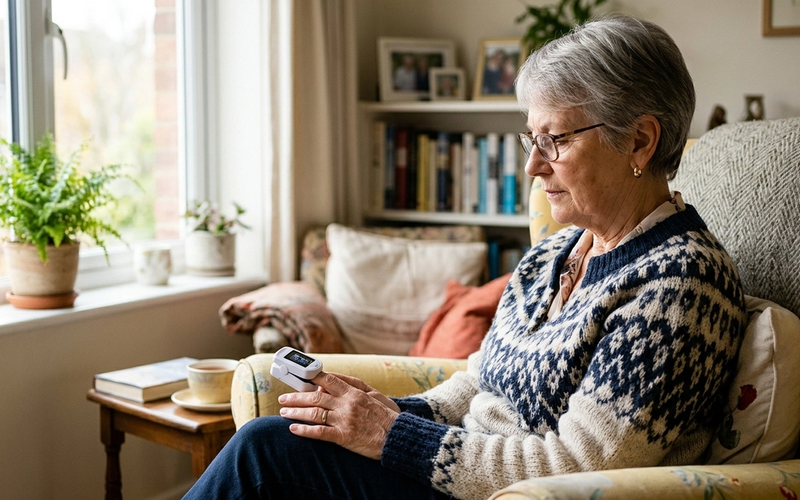
Normal Blood Oxygen Levels by Age for Seniors: What SpO2 Should Be
A normal blood oxygen level for seniors is 95 to 100 percent, the same as for any healthy adult, and it does not drop by the decade the way some charts claim. Here is what your pulse oximeter number means, when a low reading is an emergency, and why the device can read falsely high.

Cholesterol Levels by Age Chart for Seniors: What's Normal After 60
A desirable total cholesterol is under 200, with LDL under 100 and HDL over 60, and those targets are the same at 70 as they are at 40. Here is what your cholesterol numbers mean, how they really change with age, and when the number actually calls for treatment.
Explore senior living options
Comparing care for yourself or a family member? Browse communities by care type and see what each option typically costs.
- Assisted livingHelp with daily activities, costs, and how to choose a community.
- Independent livingMaintenance-free communities for active older adults.
- Home careIn-home support for seniors aging in place.
- Nursing homesSkilled nursing care and Medicare star ratings.
- Senior apartmentsAge-restricted, budget-friendly rental housing.
- Cost of senior livingCompare typical monthly prices by care type and state.