
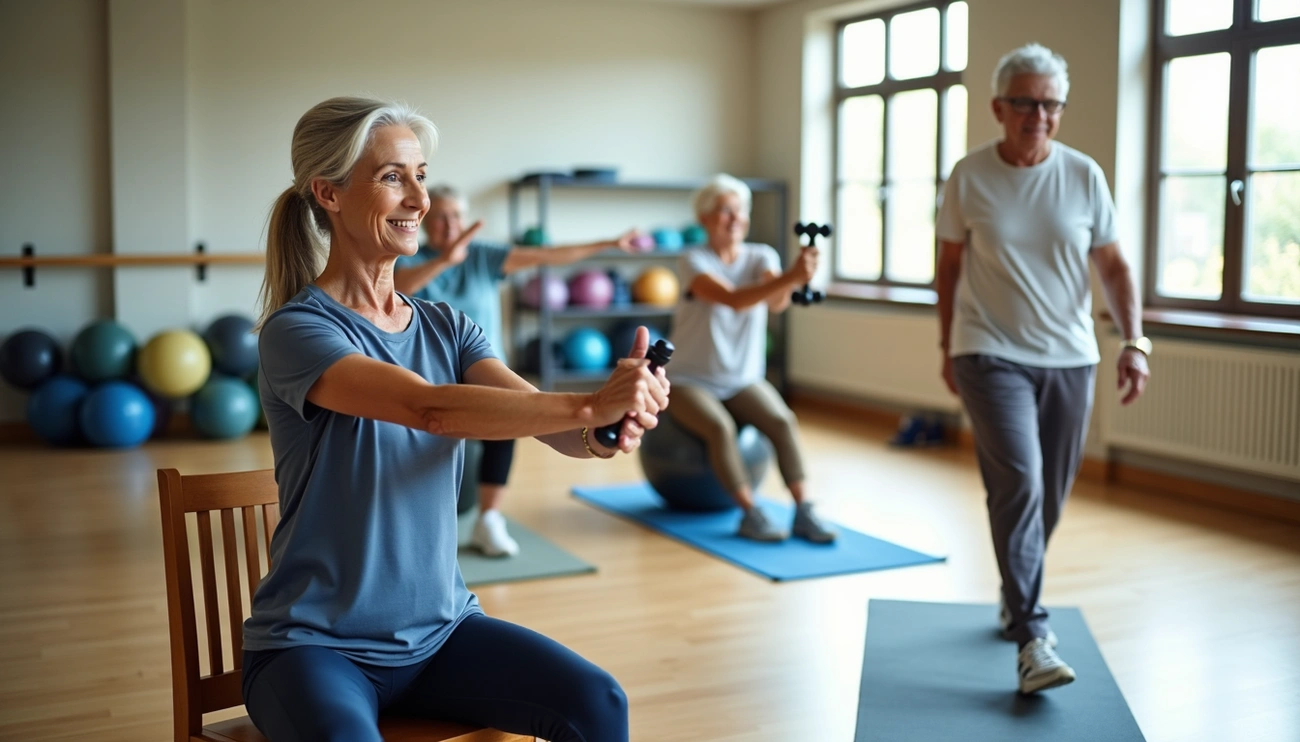
Less than one-third of Americans aged 65 and older meet the recommended guidelines for exercise programs for seniors. This gap becomes more significant when you consider the substantial benefits that regular physical activity offers older adults. Regular exercise can improve cardiovascular health, increase strength and muscle mass, and enhance balance, significantly reducing the risk of falls. Staying active also supports better mental health and cognitive function, which proves vital for overall well-being.
Research shows that one out of every three older adults experiences severe muscle loss. However, those who increase their activity levels to 10,000 steps per day are 46% less likely to die in the following 10 years compared to sedentary individuals. These findings explain why health experts recommend that seniors engage in at least 150 minutes of moderate intensity activity weekly or 75 minutes of vigorous activity if already active.
For optimal results, experts suggest that older adults participate in muscle-strengthening activities at least twice weekly, focusing on all major muscle groups. If you’ve experienced falls or worry about falling, specific exercises targeting strength, balance, and flexibility can help you feel more confident and stable on your feet.
Finding safe and effective exercise programs specifically designed for seniors can take some research, whether you’re just starting your fitness journey or looking to enhance your current routine. This guide explores how the right physical activities for seniors can improve quality of life and independence while helping you make informed decisions about your health and wellness.
Types of Safe Exercises for Seniors
Regular exercise remains crucial for maintaining independence and health as we age. The CDC recommends seniors engage in both aerobic and muscle-strengthening activities throughout the week. Consider the following safe exercise options tailored specifically for older adults:
Aerobic activities like walking and swimming
Walking remains one of the most accessible aerobic activities for seniors. It offers multiple benefits, including:
- Improved cardiovascular health and mental wellbeing
- Better sleep quality and cognitive function
- Low cost and minimal equipment requirements
For optimal results, aim for 30 minutes of brisk walking five days a week.
Swimming and water aerobics offer excellent alternatives, particularly for those with joint issues. The buoyancy of water reduces pressure on joints while still providing resistance to build muscle strength. Research shows older adults participating in aquatic exercise programs for 28 weeks experienced greater improvements in muscle mass, functional fitness, and cognitive function compared to non-swimmers. Water exercises can reduce fall risk, improve flexibility, and enhance cardiovascular health without strain.
Strength training with resistance bands or weights
Strength training helps prevent age-related muscle loss (sarcopenia) and stimulates bone growth. Studies show that strength improvements require a training load of at least 50% of your maximum capability. Resistance bands offer a convenient, versatile alternative to traditional weights, providing increasing resistance as you stretch them.
Basic movements like seated rows, squats, and arm raises can strengthen major muscle groups with minimal equipment. For best results, perform strength exercises at least twice weekly, with rest days between sessions.
Balance and flexibility exercises such as yoga and tai chi
Balance exercises help prevent falls, the number-one cause of injuries among older Americans. Simple exercises like standing on one foot or heel-to-toe walking can significantly improve stability.
Tai chi combines slow movements with meditation and controlled breathing, making it the number one activity recommended by the Cleveland Clinic’s Center for Geriatric Medicine. Its practice can reduce fall rates by 43% in less than 12 months.
Group fitness classes designed for older adults
Group classes provide both physical benefits and social engagement. Programs like SilverSneakers offer water aerobics, yoga, and strength training specifically designed for seniors. Many community centers and YMCAs offer chair aerobics and yoga classes where you can move at your own pace alongside encouraging classmates.
Health Benefits of Staying Active
Physical activity delivers powerful health advantages for seniors that extend far beyond simply staying fit. Research confirms regular exercise impacts multiple body systems, offering benefits that enhance quality of life regardless of when you begin.
Improved heart health and circulation
Consistent exercise strengthens the heart muscle and improves circulation, resulting in lower blood pressure and heart rate. Studies show aerobic activities increase cardiac output and decrease resting blood pressure. When older adults with mild memory loss followed an exercise program for a year, blood flow to their brains increased significantly. This improved circulation helps protect against cardiovascular disease, stroke, and high cholesterol.
Better balance and reduced fall risk
Falls represent a major concern for seniors, often leading to serious injuries. Balance and coordination exercises can reduce fall rates by up to 21%. Research indicates exercise programs that include challenging balance activities performed for more than 3 hours weekly show even greater effectiveness in preventing falls. Physical activities focusing on flexibility, balance, and coordination strengthen core muscles and enhance body awareness, making daily movements safer.
Enhanced mental clarity and mood
Regular physical activity boosts brain health through multiple pathways. Exercise releases endorphins, the body’s natural “feel-good” chemicals, which reduce stress, anxiety, and depression symptoms. Studies demonstrate that staying active improves cognitive function, memory, and helps delay the onset of dementia. Older adults who exercise experience improved mood, better cognitive function, and a stronger sense of social connection.
Support for managing chronic conditions
Exercise programs for seniors serve as protective factors against numerous chronic diseases. Regular physical activity helps control blood glucose levels in those with diabetes and reduces symptoms in people with chronic pain. Weight-bearing exercises strengthen bones, decreasing osteoporosis risk. For seniors with heart conditions, appropriate cardiovascular training improves circulation, regulates blood pressure, and helps manage cholesterol levels. Consistent participation in senior exercise programs allows older adults to maintain independence longer while effectively managing existing health conditions.
How to Choose the Right Program
Finding the right exercise program requires careful consideration of your individual needs and circumstances. The best program for you balances safety, effectiveness, and sustainability while fitting into your lifestyle.
Assess your current fitness level and goals
Understanding your baseline fitness helps determine appropriate starting points. Consider measuring your aerobic fitness, muscle strength, flexibility, and body composition. Determine what you’re trying to achieve-building strength, improving mobility, or enhancing social connections. These goals will guide your program selection and help track progress over time.
Start by asking yourself these questions:
- How long can you walk without becoming winded?
- Can you stand from a seated position without assistance?
- Do you experience pain or stiffness in specific joints?
- What activities did you enjoy when you were younger?
Consider your medical history and limitations
Most healthy older adults don’t need medical clearance before beginning moderate physical activity. However, consulting a doctor becomes advisable if you have chronic conditions. Your physician might recommend pre-exercise testing or specific activity modifications.
Conditions like arthritis, osteoporosis, or heart disease should inform-not prevent-your exercise choices. Many programs can accommodate these conditions with appropriate modifications.
Look for senior-specific exercise programs
Programs designed specifically for older adults offer the best combination of safety and effectiveness. Options include SilverSneakers, EnhanceFitness, or Fit & Strong!. These evidence-based programs incorporate appropriate intensity levels and exercises that address common senior concerns including balance, flexibility, and strength.
Benefits of senior-focused programs include:
- Qualified instructors trained in age-appropriate modifications
- Peer support from similarly aged participants
- Equipment designed for senior needs
- Emphasis on fall prevention and functional movement
Evaluate convenience, cost, and location
Convenience greatly influences whether you’ll stick with an exercise routine. Choose facilities close to home with suitable hours. Consider membership costs, available equipment, and whether the facility offers senior discounts.
Community centers, YMCAs, and senior centers often provide affordable options with qualified instructors. Many offer trial periods or drop-in rates, allowing you to test different programs before committing.
Getting Help from Professionals
Professional guidance plays an important role in creating safe and effective exercise programs for seniors. Knowing when and how to seek expert help can ensure both safety and optimal results for your fitness journey.
When to consult a doctor or physical therapist
Seeking medical advice before beginning an exercise program is essential if you:
- Are extremely unsteady on your feet
- Experience dizziness or take medications causing drowsiness
- Have chronic conditions like heart disease, diabetes, osteoporosis, or high blood pressure
- Are over 50 and currently inactive
Contact your doctor immediately if you experience chest pain, excessive shortness of breath, dizziness, or balance difficulties during exercise.
Working with certified senior fitness trainers
Certified senior fitness specialists understand the unique needs of older adults. These professionals can tailor exercises to accommodate existing limitations while maximizing benefits. They also ensure proper technique to prevent injuries. Trainers certified through organizations like NETA receive specialized education in safely training the older adult population.
Using community resources like SilverSneakers
Many Medicare Advantage plans include SilverSneakers at no additional cost. This program offers:
- Access to thousands of participating fitness locations nationwide
- Senior-specific exercise classes led by trained instructors
- Online fitness classes and on-demand workout videos
You can also check with local YMCAs, community centers, and Agencies on Aging for affordable senior-focused fitness programs. These community resources often provide qualified instructors and age-appropriate equipment at reasonable costs.
Bottom Line
Starting and maintaining an exercise routine offers significant benefits for seniors regardless of when you begin. Regular physical activity helps improve heart health, enhance balance, boost mental clarity, and provide vital support for managing chronic conditions.
Safety remains the most important consideration when choosing exercise programs for older adults. Walking, swimming, strength training with bands or light weights, and activities like yoga or tai chi all provide excellent options that can be adapted to different fitness levels.
Take time to assess your current abilities and set realistic goals before beginning any new fitness routine. Your medical history should guide your choices rather than limit them. Many communities offer senior-specific programs through local centers, YMCAs, and services like SilverSneakers that provide both physical benefits and social connections.
Professional guidance plays a key role in creating safe exercise routines. Doctors, physical therapists, and certified senior fitness trainers can tailor activities to your specific needs while ensuring proper technique.
Consistency matters more than intensity when it comes to exercise benefits. Even small amounts of regular activity yield significant health improvements. The best exercise program is one you enjoy and will continue doing.
You can choose safe exercise programs that enhance your quality of life and help maintain your independence regardless of your age or current fitness level. With the right knowledge and support, you have the tools to make informed decisions about your health and wellness.
Key Takeaways
Choosing the right exercise program can significantly improve seniors’ health, independence, and quality of life while reducing fall risk and managing chronic conditions.
• Start with safe, low-impact activities: Walking, swimming, resistance band training, and tai chi provide excellent benefits while minimizing injury risk for older adults.
• Consult healthcare professionals first: Get medical clearance if you have chronic conditions, take medications, or experience balance issues before starting any new exercise routine.
• Focus on four key areas: Incorporate aerobic activities, strength training, balance exercises, and flexibility work to address all aspects of senior fitness needs.
• Choose senior-specific programs: Look for evidence-based programs like SilverSneakers or community center classes designed specifically for older adults’ unique requirements.
• Prioritize consistency over intensity: Regular moderate activity yields greater health benefits than sporadic intense workouts, making adherence more important than perfection.
The most effective exercise program is one that matches your current fitness level, accommodates any health limitations, and fits conveniently into your lifestyle. Remember, it’s never too late to start-even small increases in daily activity can reduce mortality risk by up to 46% and help maintain independence as you age.
FAQs
Q1. What types of exercises are safest for seniors? Low-impact activities like walking, swimming, resistance band training, and tai chi are excellent choices for seniors. These exercises provide cardiovascular benefits, improve strength and flexibility, and enhance balance while minimizing the risk of injury.
Q2. How often should seniors exercise? Seniors should aim for at least 150 minutes of moderate-intensity aerobic activity or 75 minutes of vigorous-intensity aerobic activity per week, along with muscle-strengthening activities at least twice a week. However, any amount of physical activity is beneficial, and consistency is key.
Q3. Do I need to consult a doctor before starting an exercise program? It’s advisable to consult a doctor before starting a new exercise program, especially if you have chronic health conditions, take medications that affect balance, or have been inactive for a long time. A medical professional can provide guidance tailored to your specific health needs.
Q4. What are the benefits of exercise for seniors? Regular exercise for seniors can improve heart health, enhance balance and reduce fall risk, boost mental clarity and mood, and help manage chronic conditions. It also contributes to maintaining independence and overall quality of life as you age.
Q5. Are there specialized fitness programs for seniors? Yes, there are many programs designed specifically for seniors, such as SilverSneakers, EnhanceFitness, and Fit & Strong! These programs often offer classes at local community centers, YMCAs, and fitness facilities, focusing on exercises that address common senior health concerns and fitness needs.