
How to Choose the Right Senior Living Community in Houston, Texas
Making the decision to move into a senior living community is one of life’s most significant transitions. We understand that finding the right place to call home involves careful consideration of numerous factors, from care levels to costs and community features. For seniors and families exploring a senior living community in Houston, Texas, the choices…

Moving into a senior living community reshapes daily life. Finding the right home comes down to weighing care levels, costs, and what the place actually feels like.
If you're weighing senior living in Houston for yourself or a parent, the number of choices alone can feel like a lot to sort through. The metro area has dozens of communities, and each one comes with its own mix of services, amenities, and living arrangements.
Sorting through those choices gets easier once you know what to weigh: location, care services, costs, amenities, and the culture of each community.
Understanding different types of senior living options
Before you can compare communities, it helps to know what actually separates one type of care from another. Here's how Houston's main options break down, so you can spot the fit for your loved one's needs.
Independent living vs. assisted living vs. memory care
Different care levels suit different needs. Here are the main types:
- Independent living: For active seniors who want to live on their own but prefer a maintenance-free lifestyle and community.
- Assisted living: Provides help with daily activities, bathing, dressing, medication, while residents maintain independence.
- Memory care: Specialized care for seniors with Alzheimer's or dementia. These communities are secure, offer structured activities, and provide 24/7 supervision.
Continuing Care Retirement Communities (CCRCs) let residents age in place. These communities offer a full spectrum of care, independent living, assisted living, and skilled nursing, all on one campus. As needs change, residents can move to a different care level without having to leave. This continuity can provide peace of mind for both residents and families.
Houston has several CCRCs, and they're growing in popularity. The Buckingham, near Houston's Memorial neighborhood, is one example. It offers all levels of care, from independent living to skilled nursing, so residents can stay as their needs shift.
Age-restricted vs. age-targeted communities
Houston has two types of age-focused communities. Age-restricted communities require at least one resident to be 55 or older. They typically offer resort-style amenities designed for seniors.
Age-targeted communities market to seniors but don't legally restrict who can live there. Both types usually offer maintenance-free living with fitness centers, social activities, and community spaces. The difference is mainly legal and financial, age-restricted communities often have different rules about ownership and resale.
Houston has many independent living communities, plus other options. Think about what you need now and what you might need later, then narrow your search to communities that fit both.
Evaluating location and accessibility
Location matters. It affects your ability to stay active, access healthcare, and visit family and friends. Here's what to look for.
Proximity to healthcare facilities
Quick access to good hospitals is essential. Many Houston senior living communities are near major medical centers. Communities in Southwest Houston are close to Memorial Hermann Sugar Land Hospital, Oak Bend Medical Center, and St. Luke's. Communities in the Pearland area are near the Texas Medical Center, one of the country's largest healthcare hubs.
Access to shopping and entertainment
Most Houston senior living communities have easy access to shops and entertainment. Many are near:
- Pearland Town Center, dining and entertainment
- The Woodlands Mall, upscale shopping and restaurants
- Village Center and Villagio Town Center, daily necessities
Houston Parks and Recreation runs programs for seniors 55 and older, including fitness classes, cultural events, and crafts. Most are free.
Transportation services and options
Harris County RIDES offers two transportation options for seniors:
- Shared ride service: 50% off trips over 12 miles, book 24 hours in advance.
- Taxi service: Same-day service with 50% off meter rates, book 90 minutes ahead.
Senior Rides and More, a nonprofit, offers free rides through volunteer drivers for medical appointments, prescriptions, and grocery shopping. GoGoGrandparent provides another option, with pickups within 15 minutes or scheduled in advance.
Most Houston senior living communities offer scheduled transportation to medical appointments, shopping, and social activities. These services are usually free and include regular shuttles to nearby places and trips for community events.
Assessing care services and support
Everything else, the dining, the calendar, the address, matters less than whether the care itself is genuinely good. This is the part of your visit to slow down on and press hardest.
Medical support is where you'll want to ask direct questions. Is there nursing staff around the clock? Do visiting doctors and specialists come through? Staff credentials matter just as much. Look for licensed nurses (RNs and LPNs), certified nursing assistants, and other trained professionals, since that mix tells you how seriously a community takes day-to-day care.
In Houston senior living communities, medical support typically includes:
- 24-hour registered nurse (RN) supervision
- Licensed vocational nurses (LVN) for medication management
- Certified nursing assistants (CNAs) provide hands-on daily care: bathing, dressing, grooming, mobility help, medication reminders, and light housekeeping. They also support emotional well-being, helping seniors stay dignified and comfortable.
- On-call physician services
- Specialized therapy services (speech, occupational, physical)
Caregivers complete state-mandated training, including emergency response and specialized care techniques.
Emergency response systems
When something goes wrong, minutes count. Look for communities with:
| Feature | Benefit |
|---|---|
| 24/7 emergency monitoring | Immediate response to any situation |
| Wearable alert devices | Help available at the press of a button |
| Staff mobile notifications | Quick response from the nearest team member |
| GPS tracking | Location tracking to prevent wandering |
These systems connect residents to trained medical responders around the clock. When you tour, ask how quickly staff respond to alerts and how the system is monitored.
Personal care assistance options
Personal Care Attendants help with:
- Daily living activities
- Bathing and personal hygiene
- Dressing and grooming
- Medication reminders and management
- Mobility assistance and transfer support
- Specialized care services
- Customized care plans for individual needs
- Dietary assistance and meal monitoring
- Continence care and management
- Regular health monitoring
The best communities offer adjustable care levels so residents get support while keeping independence. Communities with Personal Assistance Services offer both temporary and long-term options, so residents can adjust their care plan as needs change.
Analyzing costs and financial planning
The money side deserves as much attention as the care itself, since it shapes what you can realistically choose.
Understanding fee structures and contracts
Houston senior living communities typically offer two main contract types:
Life care (Type A): Higher entrance fees and predictable monthly rates. Good if you want stable, more predictable costs over time.
Fee-for-service (Type C): Lower entrance fees and monthly fees, but you pay more for higher care levels only if and when you need them.
Insurance and payment options
Several payment options are available:
- Long-term care insurance: May cover part of the cost, especially for assisted living and memory care.
- Veterans benefits: Eligible veterans and surviving spouses may qualify for a monthly benefit, such as VA Aid and Attendance, to help with care costs.
- Life insurance: Whole life policies often let you borrow against cash value.
- Medicaid: For qualifying seniors with limited income (under $2,742 monthly) and assets (under $2,000).
- Reverse mortgages: For homeowners 62 and older with significant home equity.
Hidden costs to consider
Beyond the base fees, watch for additional charges:
Care level adjustments: Moving to a higher level of care, such as memory care, typically raises the monthly rate.
Service fees:
- Medication injections
- Blood pressure checks
- Pharmacy coordination
- Daily inhaler assistance
Move-in fees: $1,000 to $5,000, depending on the community.
Expect monthly fees to increase 3-5% annually to cover inflation and rising costs. Read contracts carefully and ask about future fee increases before deciding.
Examining community amenities and activities
Amenities are where communities compete hardest, so you'll see plenty of polish on any tour. The trick is to look past the brochure and notice what residents actually use day to day. Here's what the strongest Houston communities offer.
Fitness and wellness programs
Top communities focus on physical health. The Forum at Memorial Woods offers:
- Senior-focused fitness classes
- Water aerobics in heated outdoor pools
- Chair yoga and mat Pilates
- Balance and strength training
- Professional fitness instruction
Communities like BakerRipley have dedicated wellness centers with equipment designed for older adults. These offer physical therapy and personalized fitness assessments to keep exercise safe and effective.
Social activities and events calendar
Most Houston senior communities offer a full calendar of activities. At Eagles Trace, residents can enjoy:
Morning activities
Afternoon events
Evening entertainment
Book clubs
Art classes
Movie nights
Coffee socials
Garden club meetings
Live performances
Fitness classes
Educational lectures
Social gatherings
Walking groups
Card tournaments
Wine tastings
Activities directors update calendars based on resident feedback to keep things fresh throughout the year.
Dining options and meal plans
Dining in Houston's senior communities goes beyond standard cafeteria food. The Buckingham offers multiple restaurants:
Windsor Dining Room
- Fine dining atmosphere
- Chef-prepared gourmet meals
- Global cuisine options
- Wine selection available
Rosewood Grill
- Casual dining environment
- Resident favorites and daily specials
- Flexible dining hours
- Indoor and outdoor seating
Most communities offer customizable meal plans for different dietary needs:
- Three daily meals with multiple menu choices
- Special diets (diabetic, low-sodium, gluten-free)
- Private dining rooms for family gatherings
- Nutritionist consultations
Professional chefs prepare meals using quality, locally sourced ingredients. Eagles Trace, for example, features rotating menus with a variety of daily options. Dining spaces support both formal and casual settings, making meals a social occasion as much as nutrition.
Communities focus on both good nutrition and the social side of eating, creating welcoming spaces where residents enjoy meals with friends and family.
A community's culture shapes daily life as much as the building does. A place with real energy keeps a full slate going, educational workshops, fitness classes, get-togethers, volunteer work, and that steady rhythm gives residents a sense of purpose and belonging.
The social texture of a place tells you a lot about whether someone will thrive there. Here's what to look for in Houston's communities.
Resident demographics and social environment
Texas's senior population continues to grow, and a large and growing share of residents are 65 or older. Harris County, which includes Houston, is home to several hundred thousand older adults from many backgrounds.
Houston senior communities typically feature:
| Social aspect | Description |
|---|---|
| Community events | Regular gatherings and cultural celebrations |
| Interest groups | Book clubs, hobby circles, alumni associations |
| Social spaces | Common areas, dining rooms, outdoor gardens |
| Activity programs | Structured daily events and social opportunities |
Most communities have indoor common areas and entertainment spaces. Visit at different times of day to get a real feel for how residents interact and how active the community is.
Rules and regulations
Houston senior living communities operate under Texas Health and Human Services Commission (HHSC) oversight. Key protections include:
- Resident rights protection
- Personal dignity and autonomy
- Privacy and independence
- Freedom to choose activities and services
- Right to voice concerns without retaliation. Residents and families can raise issues about care, treatment, or living conditions without fear of payback, and when people feel safe speaking up, problems tend to get addressed faster.
State regulations require specific staffing ratios and service standards to ensure resident safety and comfort. Communities must prioritize resident independence, humane treatment, safe surroundings, and professional service.
Visitor policies and family involvement
Houston senior communities now allow 24/7 visitation, helping families stay connected. Key policies include:
Essential caregiver program
- Designated family members get at least 2 hours of daily visitation
- No requirement to provide care during visits
- Special access during health restrictions
Family engagement opportunities
- Family nights and special events
- Private dining spaces for family gatherings
- Participation in care planning meetings
- Educational workshops for families
Regular family involvement improves resident well-being. Residents with frequent family contact show better emotional health and adjust more easily to community life. Communities that encourage this involvement typically report higher resident satisfaction.
Good communities encourage natural interactions through thoughtful space design and flexible scheduling. Many Houston facilities now use digital tools to help residents stay in touch with distant family members.
New residents adjust best when they participate in community life and maintain independence. The best communities balance planned activities with time for free socializing. This supports resident well-being and independence.
State rules protect residents' rights while maintaining safety. Many top Houston facilities go further, implementing strong policies that protect both security and residents' freedom. They update guidelines regularly based on resident feedback and changing needs, keeping the environment responsive and current.
Conclusion
Choosing a senior living community in Houston means weighing care levels, costs, amenities, and community culture. The right community offers essential care and matches your lifestyle within your budget.
Houston has many good senior living options. Most communities provide a range of care, from independent living to memory care, plus amenities and activities. The city's access to hospitals and entertainment adds value to your choices.
Visit several communities at different times of day, sit in on activities, and talk with current residents before you decide. Get clear on the full financial commitment, including how costs are likely to rise. That legwork is what helps you find a place that feels like home.
The right community meets your needs now and can adapt as they change. Take time to research and visit, and compare how each place fits your budget and the care you need.
FAQs
Q1. What are the average costs of senior living in Houston? Monthly costs vary by care level and rise as the level of care increases. Ask each community for its current rates and what they include, and compare several before deciding.
Q2. What types of senior living options are available in Houston? Houston offers independent living, assisted living, memory care, and continuing care retirement communities (CCRCs). Each type provides different care levels and amenities for different needs.
Q3. How can I evaluate the quality of care in a senior living community? Visit in person and observe how staff interact with residents. Check staff-to-resident ratios, ask about medical support and staff qualifications, and review state health surveys. Talk to current residents and families about their experiences.
Q4. What amenities and activities should I look for in a senior living community? Look for fitness centers, diverse dining options, and social spaces. Activities should reflect various interests: educational programs, cultural events, fitness classes, and socializing opportunities.
Q5. How can I determine if a senior living community is the right fit financially? Compare entrance and monthly fees across communities. Ask what's included in those fees and what costs extra. Look into long-term care insurance, veterans benefits, and other payment options. Review contracts carefully and ask about expected fee increases.
Get matched
Looking for senior care for someone you love?
Tell us what you're considering. We'll share independent matches and pricing directly with you. No phone calls until you ask for one.
- Takes about two minutes to complete.
- Pricing details emailed to you. No phone calls until you ask for one.
- Independent matching. We do not own the communities we list.
Loading the matching form…
Powered by SilverAssist. By submitting this form you agree to our privacy policy.
More from our editors
All articles
Senior Monitoring Systems: A Complete Guide to Keeping an Aging Parent Safe at Home
Senior monitoring systems range from one-button medical alerts to passive motion sensors, cameras, GPS trackers, and caregiver apps. Here is how the main types compare on what they do, what they cost, what Medicare covers, and how to choose the right one without crossing privacy lines.
Normal Blood Oxygen Levels by Age for Seniors: What SpO2 Should Be
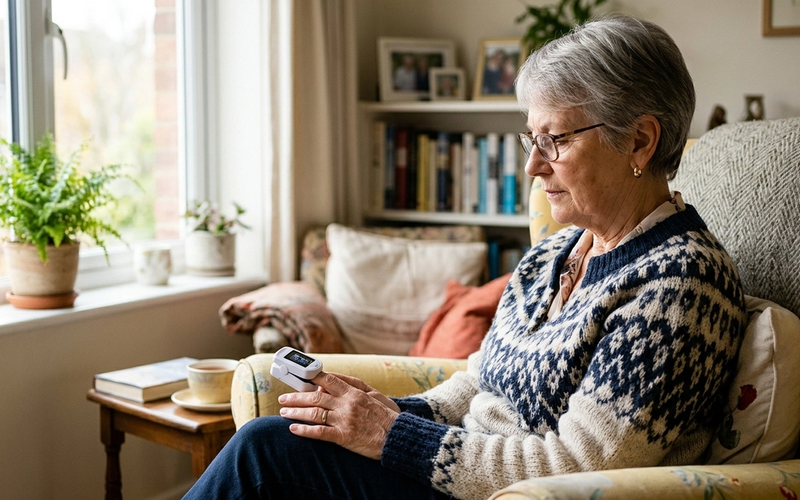
A normal blood oxygen level for seniors is 95 to 100 percent, the same as for any healthy adult, and it does not drop by the decade the way some charts claim. Here is what your pulse oximeter number means, when a low reading is an emergency, and why the device can read falsely high.

Cholesterol Levels by Age Chart for Seniors: What's Normal After 60
A desirable total cholesterol is under 200, with LDL under 100 and HDL over 60, and those targets are the same at 70 as they are at 40. Here is what your cholesterol numbers mean, how they really change with age, and when the number actually calls for treatment.
Explore senior living options
Comparing care for yourself or a family member? Browse communities by care type and see what each option typically costs.
- Assisted livingHelp with daily activities, costs, and how to choose a community.
- Independent livingMaintenance-free communities for active older adults.
- Home careIn-home support for seniors aging in place.
- Nursing homesSkilled nursing care and Medicare star ratings.
- Senior apartmentsAge-restricted, budget-friendly rental housing.
- Cost of senior livingCompare typical monthly prices by care type and state.