
Research Shows Key Activities Help Seniors Maintain Mental Health
Recent studies reveal specific activities can significantly improve cognitive function and emotional wellbeing in older adults. Medical researchers report structured mental exercises help seniors maintain brain health and reduce cognitive decline risks. The National Institute on Aging found that targeted activities combining social interaction with mental stimulation show measurable benefits for elderly cognitive health. These…

Studies show that certain activities can help older adults keep their minds sharp and improve their mood. Researchers have found that structured mental exercises help seniors maintain brain health and reduce the risk of cognitive decline.
The National Institute on Aging studied activities that combine social interaction with mental stimulation and found measurable benefits. These range from brain training apps to group learning programs.
Researchers have identified seven activities with good evidence behind them for maintaining mental sharpness in seniors. The strongest protection seems to come from mixing different types of mental engagement—digital learning, social activities, creative pursuits—rather than relying on just one.
- Studies link mental activities to cognitive health in seniors
- Activity impact on brain function
- Mental exercise benefits
- Personalized activity selection
- Digital tools show promise for senior brain health
- Brain training apps demonstrate results
- Virtual reality programs reduce medication need
- Online learning platforms boost information retention
- Social learning programs show strong mental health benefits
- Group discussion programs demonstrate results
- Intergenerational learning programs reduce mental decline
- Partner-based learning enhances outcomes
- Digital creative tools show cognitive benefits for seniors
- Digital art programs boost brain function
- Digital storytelling enhances memory
- Music technology improves mental function
- Research documents mental health benefits from senior activities
- FAQs
Studies link mental activities to cognitive health in seniors
Research shows that older adults who do regular mental activities maintain better brain function than those who are less active. According to the Journal of Aging Studies, seniors who exercise their minds regularly score higher on cognitive tests.
Activity impact on brain function
Scientists at the National Institute on Aging have found that the brain builds up what they call "cognitive reserve" through varied mental challenges. Seniors who stay mentally active have lower dementia risk and better mental processing ability.
Mental exercise benefits
Research from Harvard Medical School documents these specific improvements in seniors who keep their minds active:
- Better memory retention
- Stronger problem-solving skills
- Lower risk of cognitive decline
- More social connection
One example: sharp thinking matters for everyday tasks like driving safely. Federal data on vehicle crashes underscores why staying mentally alert is important for seniors.
Personalized activity selection
Seniors benefit most from activities that match their interests. The American Journal of Geriatrics found that educational pursuits showed the strongest results. College-educated seniors tend to experience slower cognitive decline than others.
UCLA researchers tested recreational activities like reading, writing, and strategy games and found they reduce dementia risk. These activities work because they engage the mind in ways that feel rewarding, not like work.
Digital tools show promise for senior brain health
Research from Stanford Medical Center shows that technology-based brain training programs can help older adults improve memory and mental processing speed. Several clinical trials have tested these programs with adults over 65.
Brain training apps demonstrate results
When seniors use brain training apps for about an hour a day for 8 to 10 weeks, studies show noticeable improvements in:
- Memory
- Mental processing speed
- Focus and attention
- Apps that adapt to the user's level work better than fixed-difficulty programs
Virtual reality programs reduce medication need
Senior care facilities across North America and Australia have tested virtual reality therapy. Results show fewer cases of depression and isolation. Some facilities reported a 70% reduction in antipsychotic medications after introducing VR programs, according to MIT researchers studying the outcomes.
Online learning platforms boost information retention
Online courses seem to help seniors retain information better than traditional classes—in some studies, 25% to 60% more. The most popular courses teach:
- Digital communication
- Personal finance
- Health and wellness
- Creative skills
Platforms that adjust difficulty based on how well someone is doing keep people engaged longer. According to the American Journal of Geriatrics, this personalized approach reduces dropout rates.
Social learning programs show strong mental health benefits
Group activities improve cognitive function in seniors. The National Institute of Health found that social engagement creates measurable improvements in memory and mental processing.
Group discussion programs demonstrate results
Book clubs are a good example. Seniors in book clubs show better memory and mental function and build friendships at the same time. The American Journal of Aging found that these programs create lasting improvements in the brain by keeping it active and engaged.
Intergenerational learning programs reduce mental decline
When seniors learn with younger people, their mental health improves. Studies found that participants experienced:
- Less social isolation
- Higher scores on cognitive tests
- More physical activity
- Better integration into their community
Partner-based learning enhances outcomes
Seniors solve problems more effectively when working with someone they know. The Journal of Gerontology found that working with a partner improves strategic thinking and task completion.
Senior care facilities have found that benefits from group sessions last about a week, so weekly programs work best for maintaining cognitive gains.
Digital creative tools show cognitive benefits for seniors
Digital art and creative activities improve mental health in seniors. Creating art through technology strengthens the brain while reducing feelings of isolation.
Digital art programs boost brain function
Studies show interactive art improves cognitive test scores by 45%. Senior care facilities report that digital art helps seniors feel more independent. Photography on smartphones also helps seniors maintain visual and spatial thinking skills.
Digital storytelling enhances memory
When seniors create short narratives (3 to 5 minutes), it strengthens their memory and thinking. Participants report:
- More confidence
- Better communication with family
- Stronger memory
- More social engagement
Music technology improves mental function
Apps that let seniors sing or create music improve memory and reduce anxiety. Senior care facilities use programs like Vera Pro and SingFit with positive results.
Creative projects that include personal stories have lasting benefits. These activities preserve memory while creating something meaningful to share with family.
Research documents mental health benefits from senior activities
Studies confirm that structured mental activities reduce cognitive decline risk in older adults. Technology-based programs, social activities, and creative pursuits all show measurable brain benefits.
Seniors who participate in varied mental activities show 40% better memory retention. Digital programs make cognitive exercises easier to access and seem to strengthen brain connections.
The National Institute on Aging emphasizes finding activities that match individual abilities. Whether it's virtual reality, group discussions, or creative pursuits, seniors who engage in activities they enjoy—and that have a purpose—maintain better cognitive function.
FAQs
Q: What activities help boost mental health in seniors? Brain training apps, virtual reality, online courses, book clubs, intergenerational programs, digital art, photography, and music creation all provide mental stimulation and reduce isolation.
Q: How does regular mental stimulation benefit older adults? Mental activity improves memory, problem-solving, and processing speed. It also reduces dementia risk and strengthens social connections. The key is building "cognitive reserve," which protects the brain against age-related changes.
Q: What technology can enhance seniors' cognitive abilities? Brain training apps improve memory and thinking speed with regular use. Virtual reality reduces depression and isolation. Online courses tailored for seniors help them learn and retain information more effectively than traditional classes.
Q: How do social learning activities help seniors' mental health? Group activities like book clubs and intergenerational programs provide mental stimulation and friendship while improving memory. Working with a familiar partner on problems also enhances learning.
Q: What creative digital activities boost seniors' mental health? Digital art, photography, online storytelling, and music creation all improve cognitive function. They also give seniors a sense of purpose and help preserve memories to share with family.
Get matched
Looking for senior care for someone you love?
Tell us what you're considering. We'll share independent matches and pricing directly with you. No phone calls until you ask for one.
- Takes about two minutes to complete.
- Pricing details emailed to you. No phone calls until you ask for one.
- Independent matching. We do not own the communities we list.
Loading the matching form…
Powered by SilverAssist. By submitting this form you agree to our privacy policy.
More from our editors
All articles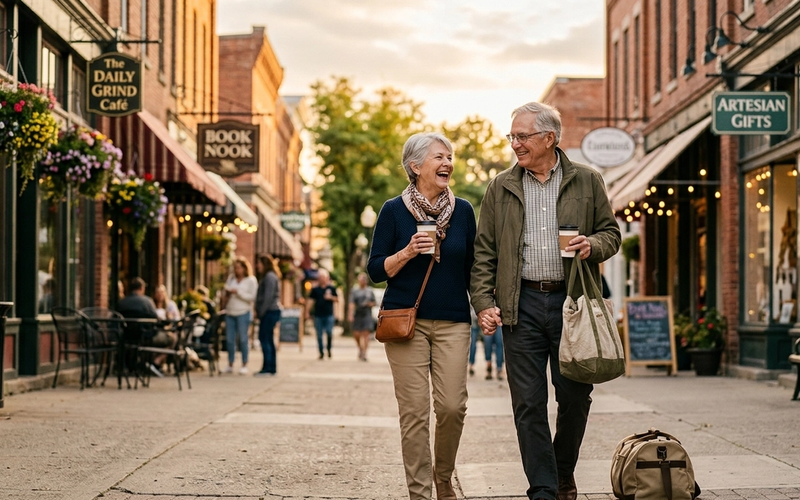
Best Weekend Trips and Short Getaways for Seniors
The best weekend trips for seniors are short, close to home, and built around one relaxed idea. Here are the kinds of short getaways that work well for older travelers, with real examples and how to plan one.
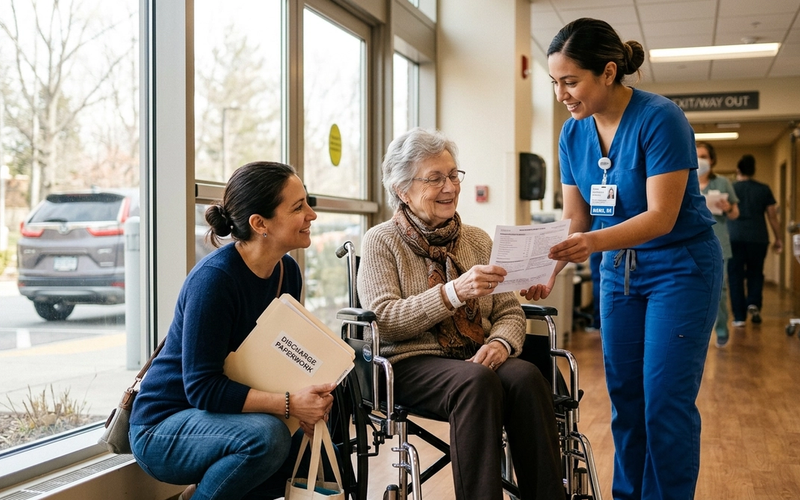
Hospital Discharge Planning for Seniors: A Family Guide
A hospital discharge for an older parent is a decision, not just a notice. Here is how discharge planning actually works, where families have leverage, and how to appeal a discharge you think is unsafe.
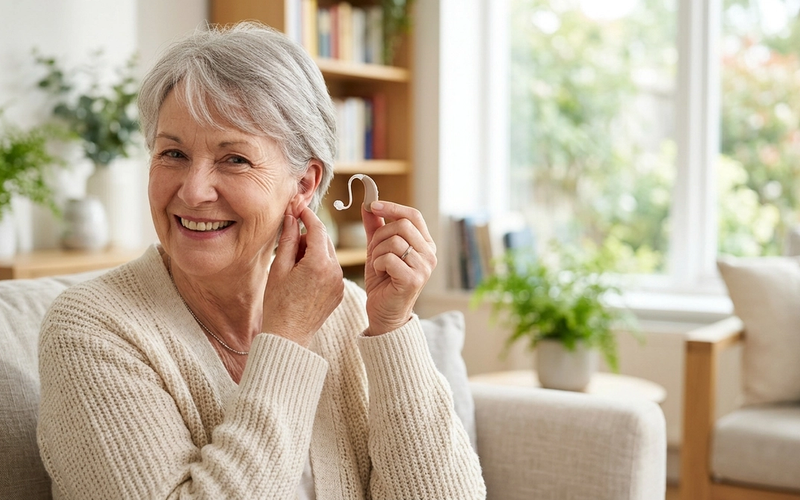
OTC Hearing Aids for Seniors: A 2026 Buyer's Guide
Over-the-counter hearing aids let adults with mild to moderate hearing loss skip the clinic and buy directly. Here is what they cost, who they fit, who should avoid them, and how they compare with prescription devices.
Explore senior living options
Comparing care for yourself or a family member? Browse communities by care type and see what each option typically costs.
- Assisted livingHelp with daily activities, costs, and how to choose a community.
- Independent livingMaintenance-free communities for active older adults.
- Home careIn-home support for seniors aging in place.
- Nursing homesSkilled nursing care and Medicare star ratings.
- Senior apartmentsAge-restricted, budget-friendly rental housing.
- Cost of senior livingCompare typical monthly prices by care type and state.