
Step Outside: Health Boosting Senior Outdoor Activities
Venturing outdoors offers substantial health benefits, particularly for seniors. Engaging in senior outdoor activities not only promotes physical well-being through exercise and the much-needed vitamin D from sunlight but also enhances emotional and mental health. These activities, ranging from walking and gardening to outdoor yoga and pickleball, provide balanced, flexible exercise options that are crucial for maintaining…

Spending time outdoors benefits seniors in multiple ways. Walking, gardening, outdoor yoga, and pickleball all provide exercise and sunlight exposure, which helps the body produce vitamin D. Time outside also improves mood and mental health, and gives seniors a chance to connect with nature.
Outdoor activities work for different interests and fitness levels. Walking, bird watching, nature photography, picnics, and craft shows all count. This article covers the main benefits—better balance, more social connection, stronger community ties—and how to do these activities safely.
- The physical benefits of outdoor activities for seniors
- Mental and emotional wellness through nature
- Socializing and community engagement outdoors
- Adaptable outdoor activities for any fitness level
- Safety tips for outdoor activities
- Conclusion
- FAQs
- What kinds of outdoor activities are suitable for seniors?
- How do outdoor activities benefit physical health?
- Why should older adults prioritize outdoor activities?
- What is the most favored outdoor activity?
The physical benefits of outdoor activities for seniors
Living near green spaces is linked to better health outcomes. Seniors who spend time outdoors have lower rates of stroke, heart disease, high cholesterol, and certain cancers. Outdoor activities like walking, gardening, and outdoor yoga can also help people recover faster from illness or surgery and reduce pain medication use.
- Vitamin D and disease prevention
- Just 15 minutes of sun exposure each day provides the recommended amount of vitamin D, which helps protect against rheumatoid arthritis, multiple sclerosis, and muscle pain.
- Regular outdoor time lowers the risk of type 2 diabetes and cardiovascular disease. It also keeps cortisol levels down, which reduces stress and supports heart health.
- Physical health and mobility
- Tai chi and gardening improve fitness, help with weight control, and support cognitive function.
- Low-impact exercise like walking or water aerobics strengthens the heart and improves mobility, making everyday tasks easier and helping seniors stay independent.
Choosing outdoor activities suited to your fitness level lets you get the benefits of fresh air, more vitamin D, better mobility, and lower disease risk.
Mental and emotional wellness through nature
Time in nature helps seniors with mental and emotional health. Spending time outdoors lowers depression and anxiety while boosting mood and reducing stress.
- Mood and mental clarity
- Sunlight exposure boosts mood and brain function by helping the body absorb vitamin D, which the brain needs to work well.
- Green spaces improve memory and creativity. Gardening, bird watching, and nature photography are not just enjoyable—they also keep the mind sharp.
- Outdoor activities create chances to spend time with others, which supports emotional health and improves quality of life.
- Mental fatigue and focus
- Nature helps counteract mental fatigue, refreshing the mind and boosting energy.
- Spending time outside improves focus and concentration, even for people with ADHD. This shows how much natural settings help mental clarity.
- By adding outdoor activities to your routine, you tap into the healing effects of nature, which supports both mental and physical health.
Socializing and community engagement outdoors
Outdoor activities give seniors chances to connect with others and feel part of a community. Walking clubs, community gardens, outdoor yoga classes, concerts, festivals, and cultural events all bring people together while providing exercise and fresh air.
Community events and activities
- Community events and festivals let seniors meet neighbors, share experiences, and build friendships.
- Walking clubs, community gardens, and outdoor yoga classes encourage both physical activity and camaraderie.
- Outdoor theater and music events provide cultural experiences while bringing people together.
- Why social connection matters
- Regular social interaction supports healthier lifestyles, faster recovery from injury, and less chronic pain.
- Outdoor spaces for eating, meeting, or just sitting in nature help reduce loneliness and isolation.
- Activities that encourage socializing
- Gardening using raised beds or container gardens is easy on the body and brings people together.
- Outdoor exercise groups mix physical activity with social time in a welcoming setting.
- Craft shows and art classes let seniors be creative and connect with others who share their interests.
- Adaptable outdoor activities for any fitness level
Outdoor activities can be matched to your fitness level and abilities. You can adjust them to fit your needs without pushing yourself too hard.
Gardening and horticultural therapy
- Aim for three 15-30 minute gardening sessions per week. Programs focused on gardening therapy improve both mental and physical health. Raised beds and container gardens reduce strain on the body.
- Exercise and mobility
- Tai chi: Start with 10 minutes, three to five times a week. It improves balance and flexibility gently.
- Water aerobics: One to three 30-minute sessions weekly at a community center, focusing on joint and flexibility health.
- Walking: Aim for 15-30 minutes on varied surfaces 2-3 times a week on well-maintained trails. Using a walking stick can help with balance.
- Social and creative engagement
- Craft shows and community events provide social interaction and cultural activities.
- Fruit picking at senior-friendly orchards is low-impact and enjoyable, with easy access and peaceful walking paths.
- These flexible activities help seniors stay active, work with different mobility levels, and create opportunities for socializing and enjoying the outdoors.
- Safety tips for outdoor activities
Safe outdoor activities depend on a few key precautions. Follow these guidelines to make your time outside more secure.
Preparation and visibility
Carry ID with emergency contact information and a cell phone.
Tell someone where you are going and when you expect to return.
- Wear bright colored clothing during the day and reflective material at night so others can see you.
- Use a flashlight at night. During the day in rural areas, walk during daylight hours.
- Choosing the right environment
- Choose well-lit areas with other people around, and stick to routes you know are safe.
Walk on smooth, stable surfaces and cross at designated crosswalks or intersections, following traffic signals.
- Appropriate attire and equipment
- Wear sturdy shoes and comfortable, loose-fitting clothes suited to the weather.
In hot weather, drink water regularly and use sunblock with at least 30 SPF. In cold weather, dress in layers and watch for ice and snow on sidewalks.
- Stay alert and watch your footing. These steps reduce risk and make outdoor time safer and more enjoyable.
- Conclusion
Spending time outdoors matters for seniors. Green spaces, adaptable activities for different fitness levels, and chances to spend time with others all support better physical, mental, and emotional health. Regular outdoor time helps maintain independence, mobility, and disease prevention.
The benefits are clear: more vitamin D, better mobility, improved mood, and stronger friendships. Making outdoor activities part of your routine is one of the best things you can do for your health as you age.
FAQs
What kinds of outdoor activities are suitable for seniors?
Walking, yoga, swimming, badminton, tennis, croquet, Frisbee, lawn bowling, and jogging all work for seniors, depending on fitness level and what you enjoy.
How do outdoor activities benefit physical health?
Outdoor time strengthens the heart, lowers blood pressure, and reduces the risk of heart disease. It also improves overall cardiovascular health.
Why should older adults prioritize outdoor activities?
Outdoor activities boost the immune system and increase vitamin D, which many seniors lack. Adequate vitamin D reduces muscle and bone pain, lowers inflammation, and cuts the risk of rheumatoid arthritis, osteoporosis, heart disease, and some cancers.
What is the most favored outdoor activity?
Running, jogging, and trail running are the most popular outdoor activities overall.
What is the most favored outdoor activity?
Running, jogging, or trail-running stands out as the most favored outdoor activity among people.
Get matched
Looking for senior care for someone you love?
Tell us what you're considering. We'll share independent matches and pricing directly with you. No phone calls until you ask for one.
- Takes about two minutes to complete.
- Pricing details emailed to you. No phone calls until you ask for one.
- Independent matching. We do not own the communities we list.
Loading the matching form…
Powered by SilverAssist. By submitting this form you agree to our privacy policy.
More from our editors
All articles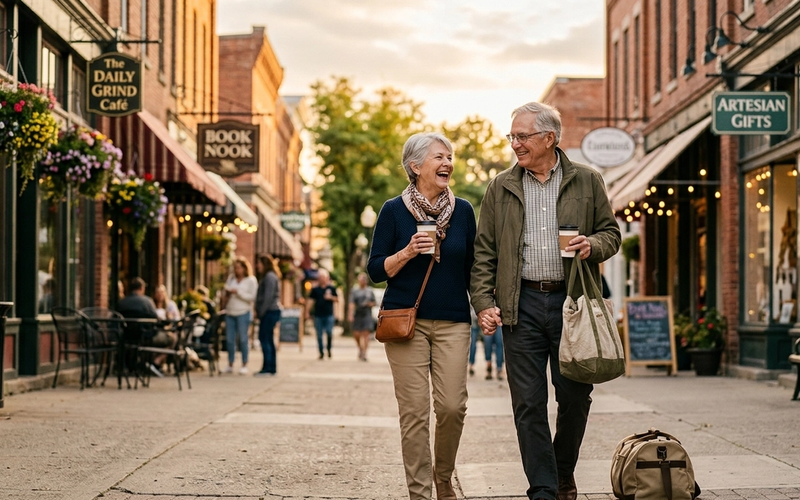
Best Weekend Trips and Short Getaways for Seniors
The best weekend trips for seniors are short, close to home, and built around one relaxed idea. Here are the kinds of short getaways that work well for older travelers, with real examples and how to plan one.
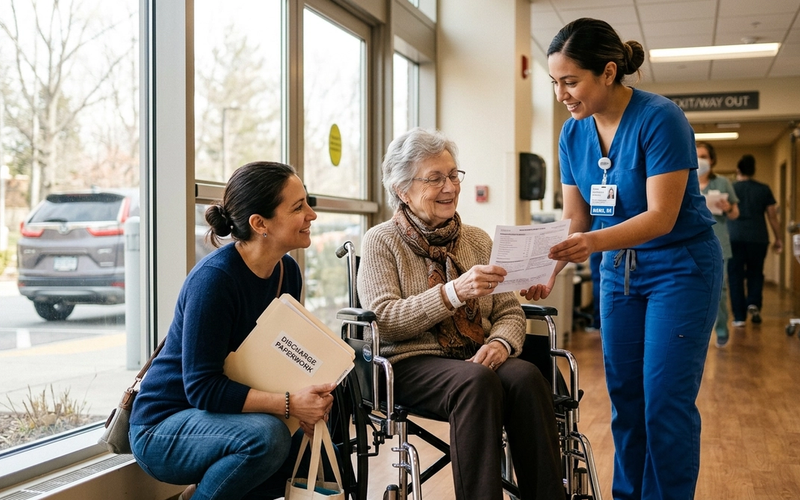
Hospital Discharge Planning for Seniors: A Family Guide
A hospital discharge for an older parent is a decision, not just a notice. Here is how discharge planning actually works, where families have leverage, and how to appeal a discharge you think is unsafe.
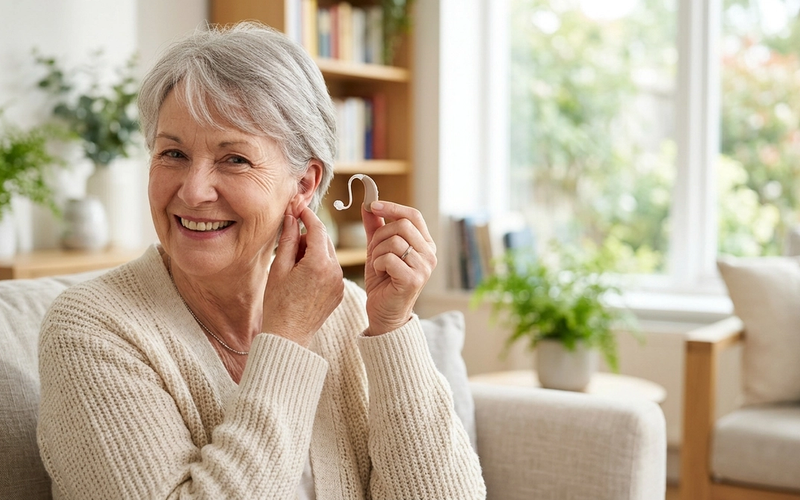
OTC Hearing Aids for Seniors: A 2026 Buyer's Guide
Over-the-counter hearing aids let adults with mild to moderate hearing loss skip the clinic and buy directly. Here is what they cost, who they fit, who should avoid them, and how they compare with prescription devices.
Explore senior living options
Comparing care for yourself or a family member? Browse communities by care type and see what each option typically costs.
- Assisted livingHelp with daily activities, costs, and how to choose a community.
- Independent livingMaintenance-free communities for active older adults.
- Home careIn-home support for seniors aging in place.
- Nursing homesSkilled nursing care and Medicare star ratings.
- Senior apartmentsAge-restricted, budget-friendly rental housing.
- Cost of senior livingCompare typical monthly prices by care type and state.