
The Best Exercises for Seniors Over 60
It is well known that as our bodies age the wear and tear becomes more pronounced and the pain with it, more frequent. Working out helps strengthen your body and bones, it can help with muscle loss and health problems such as heart disease, and some exercises can even help soothe pain you may have…

As we age, our bodies naturally accumulate wear and tear, and pain often becomes more frequent. Exercise strengthens bones, counters muscle loss, and can help manage conditions like heart disease and arthritis. The key for seniors is knowing your own limits and avoiding workouts that strain your joints. Beyond exercise, eat a balanced diet rich in fruits, vegetables, and calcium to support bone health. Stay hydrated throughout the day.
Starting an exercise routine as a senior can feel overwhelming, especially if you haven't worked out in years. You don't need a personal trainer unless you want one—many effective exercises can be done at home. Gyms and fitness centers often offer programs designed for older adults: aerobic classes, strength training, balance work, and flexibility sessions. Some facilities have physical therapists on staff. Check whether your insurance covers gym memberships; Medicare Advantage plans often include SilverSneakers®, a program that connects seniors with fitness resources and other people pursuing similar goals.
Walking: Doctors recommend at least 30 minutes of physical activity daily—a walk is one of the easiest ways to reach this goal. Walk in your neighborhood, or use a treadmill if weather is a barrier. A treadmill lets you adjust incline and speed for a more challenging workout. Walking is easy on joints and low-impact. Add hand weights or lunges once you feel stable. Regular walking can lower blood pressure and help manage type 2 diabetes. Invest in shoes that fit well and commit to a routine. As your fitness improves, brisk walking becomes your natural pace.
Water aerobics: If you have pool access, water aerobics builds lower-body strength while protecting your joints. The water's resistance makes the work harder than land walking, building leg muscle. Some people use pool weights and kickboards to increase intensity. Swimming also strengthens your core, arms, and legs, which improves overall balance.
Strength training: Building muscle strength supports balance and reduces fall risk—a significant concern for seniors, whose injuries tend to be more serious. Light hand weights can target your upper body through curls, arm raises, and rows. Ankle weights build lower-body strength and are especially helpful for women, who often have weaker ankles. Weighted mountain climbers work your lower body and core: start on hands and knees, slowly pull one knee toward your belly while keeping the other leg planted, then alternate. As you get stronger, move into a plank position. Check with your doctor before starting strength training.
Resistance band workouts: Resistance bands strengthen muscles without stressing joints, improve posture by targeting your lower back, and expand your range of motion. As we age, our posture naturally hunches forward, sometimes causing pain. Bands can help correct this. Try seated rows: loop the band around your feet, hold each end, and slowly pull your hands back, holding for 30 seconds. Online videos can guide you through proper form. Bands come in different resistance levels—start light and progress gradually.
Tai chi and yoga: Both focus on breathing and balance while improving range of motion. Yoga lowers blood pressure, heart rate, and anxiety. Tai chi uses slow, flowing movements that are low-impact and improve flexibility. Both activities can reduce lower-back pain from arthritis and keep you mentally engaged. Balance work becomes increasingly important with age to prevent falls. Tai chi and yoga adapt well to wheelchairs and beds—chair yoga and chair tai chi remain effective. Many seniors appreciate the social aspect: group classes indoors or outdoor sunrise sessions provide both exercise and community.
Stationary bike: A stationary bike strengthens legs and lower body while protecting hips, ankles, and knees. Biking strengthens your heart and lowers blood glucose—especially important for people with diabetes. A stationary bike is safer than road biking and requires less balance. Models with back support can prevent lower-back discomfort.
Chair squats: Strengthening your lower back and thighs maintains your ability to move independently. Chair squats tone muscles without straining joints and require less balance than regular squats. Stand in front of a chair as if about to sit, with feet shoulder-width apart. Keep your core engaged, back straight, and head forward. You can extend your arms for balance. Lightly tap the seat as you squat, but don't sit down unless you need to rest. The shoulder-width stance engages your thighs and core.
Regular exercise is central to staying healthy as you age. It strengthens muscles, supports heart health, and helps manage chronic disease. Beyond physical benefits, exercise releases endorphins—chemicals that improve mood and overall well-being. Talk with your doctor or physical therapist about which exercises suit your needs. Pair your activity with good nutrition and plenty of water to fuel your body.
References:
https://www.mayoclinic.org/healthy-lifestyle/fitness/in-depth/walking/art-20046261
https://www.mountsinai.org/health-library/special-topic/aging-changes-in-the-bones-muscles-joints
https://www.silversneakers.com/learn-more/
Get matched
Looking for senior care for someone you love?
Tell us what you're considering. We'll share independent matches and pricing directly with you. No phone calls until you ask for one.
- Takes about two minutes to complete.
- Pricing details emailed to you. No phone calls until you ask for one.
- Independent matching. We do not own the communities we list.
Loading the matching form…
Powered by SilverAssist. By submitting this form you agree to our privacy policy.
More from our editors
All articles
Cholesterol Levels by Age Chart for Seniors: What's Normal After 60
A desirable total cholesterol is under 200, with LDL under 100 and HDL over 60, and those targets are the same at 70 as they are at 40. Here is what your cholesterol numbers mean, how they really change with age, and when the number actually calls for treatment.

The Doctor-Approved Weight Chart for Senior Women (With BMI Guide) 2026
Standard weight charts may not provide the complete picture when it comes to health for women over 60. The National Institutes of Health continues to report that a BMI between 25 and 27, typically labeled as overweight for younger adults, may actually support bone health and help protect against osteoporosis in older women. You might…
Normal Resting Heart Rate by Age for Seniors: Charts and What They Mean
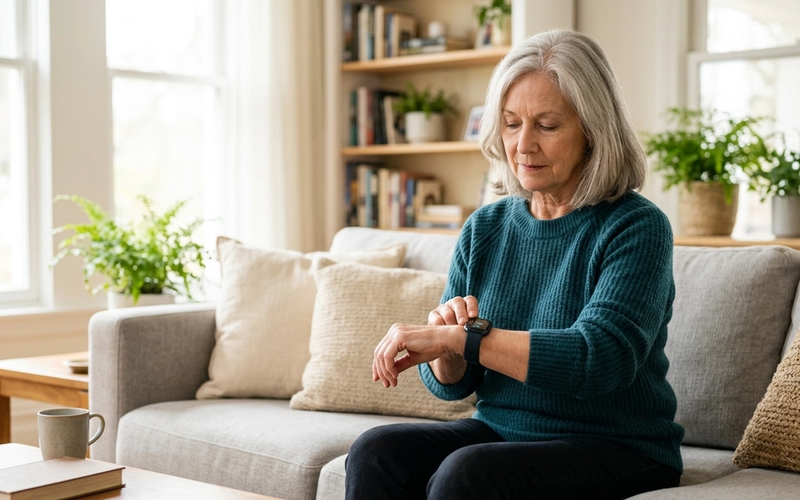
A normal resting heart rate for seniors is 60 to 100 beats per minute, and it does not drop into neat age brackets the way many charts claim. Here is what your number means, target heart rates by age, and when a slow, fast, or irregular pulse needs a doctor.
Explore senior living options
Comparing care for yourself or a family member? Browse communities by care type and see what each option typically costs.
- Assisted livingHelp with daily activities, costs, and how to choose a community.
- Independent livingMaintenance-free communities for active older adults.
- Home careIn-home support for seniors aging in place.
- Nursing homesSkilled nursing care and Medicare star ratings.
- Senior apartmentsAge-restricted, budget-friendly rental housing.
- Cost of senior livingCompare typical monthly prices by care type and state.