
The Essential Assisted Living Tour Checklist: What Most Families Miss
Holiday family gatherings prompt discussions about aging relatives’ health and safety, leading many families to tour senior living communities shortly after. The rush to find immediate placement often restricts available options. Early tours of assisted living facilities offer key advantages – better unit selection and lower pricing opportunities remain available to proactive families. Most families overlook critical…

Holiday gatherings often prompt families to discuss an aging relative's health and safety. Many start touring senior living communities shortly after these conversations.
Rushing to find immediate placement limits your options. Touring assisted living facilities early—before you need one—gives you better choice of units and better pricing.
Most families miss important details during facility visits. You need to look at staff interactions, safety features, and dozens of other specifics before deciding.
This checklist covers what to look for on an assisted living tour. The sections below walk through how to prepare, what to assess on-site, and how to review afterward.
- Preparing for your assisted living tour
- Essential documents to bring
- Best times to schedule tours
- Who should join the tour
- Key areas to evaluate during the tour
- Staff interaction assessment
- Resident engagement levels
- Safety features inspection
- Questions most families forget to ask
- Staff turnover rates
- Emergency response protocols
- Technology and modern amenities check
- Communication systems
- Medical alert technology
- Digital health records
- Conclusion
- FAQs
Preparing for your assisted living tour
Good preparation helps you evaluate assisted living communities fairly. Planning ahead lets you identify the right fit for your relative.
Essential documents to bring
Assisted living facilities need specific paperwork before discussing a move-in. Bring your Powers of Attorney (POA) documents and Living Will papers outlining medical care preferences.
You'll also need to verify healthcare coverage. Bring your Medicare card, any Medicaid approval letters, private insurance policies, and long-term care insurance papers. If your relative is a veteran, bring military service records to see what additional benefits may apply.
Best times to schedule tours
Community activity schedules, not seasons, should drive tour timing decisions. Quality facilities offer regular programming including:
- Tours during these events show you the actual community life. Residents tend to have more energy in the afternoon, so schedule midday visits when you can.
Who should join the tour
Think carefully about who tours with you. If your relative is interested and not anxious, they should participate. If they get anxious or have memory challenges, tour alone first.
A solo first visit lets you:
- Tour several places without wearing out your relative
- Narrow down your list
- See what feels like a good fit without pressure
After you've narrowed your choices, visit the top options with your relative. Having a trusted friend or family member along can help you both notice things you might miss.
Pay attention to how staff interact with residents and what current residents say. Drop by unannounced a couple of times to see if the care stays consistent.
Take detailed notes and keep a list of questions. This approach helps you compare communities fairly and find the best match for your relative.
Key areas to evaluate during the tour
Focus on three things when evaluating a facility: how staff interact with residents, whether residents are engaged, and whether the place is safe.
Staff interaction assessment
Watch how staff interact with residents. Do caregivers call residents by name? Do they move at a pace that feels rushed? Research suggests that caregivers should spend meaningful time with residents, not just speed through tasks.
Staff should be patient and attentive. If you see caregivers juggling multiple residents at once and moving through routines mechanically, that's a red flag.
Resident engagement levels
Look at what residents are doing. Do you see people in common areas? Are they participating in activities? Are they well-groomed and dressed appropriately?
Check the dining room during a meal. Residents should be socializing and eating together, with staff available to help. Look at the activity calendar—does it offer a range of programs that match different interests and abilities?
Safety features inspection
Check for these safety essentials:
- Emergency call buttons in rooms and common areas
- Bright, well-lit hallways with clear exits
- Handrails in bathrooms and hallways
- Non-slip floors
- Secure entry points with monitoring
When you walk through rooms, check that emergency buttons work and handrails are secure. Make sure hallways are clear and there's enough storage so residents don't trip on clutter.
Ask about their emergency response plan. Good facilities have staff on-site 24/7 and run regular drills.
Questions most families forget to ask
You can miss important details by asking the wrong questions. Ask about these overlooked topics.
Staff turnover rates
High staff turnover is a serious problem in assisted living. In many facilities, nursing staff changes over nearly completely every year, and some have turnover rates exceeding 300%.
When staff is constantly changing:
- Residents get inconsistent care
- Mistakes happen more often
- The facility spends more time and money training new people
- Your relative won't build relationships with the people caring for them
For-profit chains often have the worst turnover. Ask the facility:
- How do you keep staff?
- How long have your key caregivers been here?
- What training do new hires get?
Emergency response protocols
You need to know how the facility handles emergencies.
Ask whether they have medical staff on-site during all shifts. Make sure they have evacuation plans that account for residents who have mobility issues.
The facility should have:
- Call buttons in rooms and common areas
- Someone monitoring calls at all times
- Regular drills to practice emergencies
- A way to contact families during an emergency
Good facilities review their emergency plans every few months. They also partner with local hospitals and emergency services. Location matters too—how far away is the nearest hospital?
Ask about their plans for different types of emergencies: fire, medical crisis, severe weather, and utility failures. Also ask how they protect residents' medical records.
Technology and modern amenities check
More assisted living communities now use technology to improve care and communication. Look for modern systems at the facilities you visit.
Communication systems
Modern facilities have WiFi so residents can video call family members. Staff use digital systems to coordinate care and respond faster to requests.
Common areas should have good audio and video systems for group calls or entertainment. Voice-activated devices like Alexa can help residents manage their rooms independently.
Medical alert technology
Medical alert systems are getting better. Current systems can detect falls automatically and alert a monitoring center. Two-way communication lets residents reach emergency teams directly.
Look for alert technology with:
- GPS location tracking
- Waterproof wearable devices you can use in the shower
- Long battery life (from one day to 10 days, depending on the device)
- Apps that let caregivers monitor activity
Digital health records
Electronic health records are spreading across assisted living. Adoption has grown significantly, especially at larger facilities.
Digital systems help with:
- Tracking medications accurately
- Keeping documentation current
- Sharing information with doctors
- Coordinating care between staff members
About half of assisted living communities now use digital health records; larger facilities use them even more. Some systems include remote monitoring that watches for changes in behavior or vital signs, which helps staff catch health problems early.
Conclusion
Evaluating an assisted living facility takes attention to detail. Look at multiple quality markers during your visits.
Touring early gives you real advantages. Families who search in advance typically have more apartments to choose from and better pricing. Pay attention to how staff interact with residents, whether the facility has solid emergency plans, and what technology they use.
Good facilities have stable staff, clear emergency procedures, and modern safety systems. Visit more than once and at different times to see how the place actually runs day-to-day. Use a detailed checklist to compare communities and find one that matches your relative's needs and preferences.
FAQs
Q1. What should I look for during an assisted living facility tour?
Watch how staff interact with residents and whether they use residents' names. See if residents are engaged in activities. Check for emergency buttons, handrails, good lighting, and secure entry. These observations tell you more than a glossy brochure.
Q2. How important is staff turnover in assisted living facilities?
Staff turnover matters a lot. When people quit constantly, residents don't get consistent care and the facility spends more time training. Ask how long key staff members have worked there and what they do to keep people.
Q3. What technology should I expect in a modern assisted living community?
Look for WiFi, video call systems, medical alert devices that detect falls, and digital health records. Voice-activated devices and GPS tracking in alert systems are nice extras. These tools help with safety and communication.
Q4. How can I assess the emergency preparedness of an assisted living facility?
Ask whether they have medical staff on-site 24/7. Ask about evacuation procedures that work for people who can't move quickly. Find out how they partner with local hospitals and how often they run drills. Get details on specific plans for fire, medical emergencies, and severe weather.
Q5. When is the best time to start touring assisted living communities?
Start touring before you need a facility. This gives you time to see more options and negotiate pricing. You'll also be able to make a careful decision without pressure, rather than scrambling when a crisis hits.
Get matched
Looking for senior care for someone you love?
Tell us what you're considering. We'll share independent matches and pricing directly with you. No phone calls until you ask for one.
- Takes about two minutes to complete.
- Pricing details emailed to you. No phone calls until you ask for one.
- Independent matching. We do not own the communities we list.
Loading the matching form…
Powered by SilverAssist. By submitting this form you agree to our privacy policy.
More from our editors
All articles
Best Weekend Trips and Short Getaways for Seniors
The best weekend trips for seniors are short, close to home, and built around one relaxed idea. Here are the kinds of short getaways that work well for older travelers, with real examples and how to plan one.
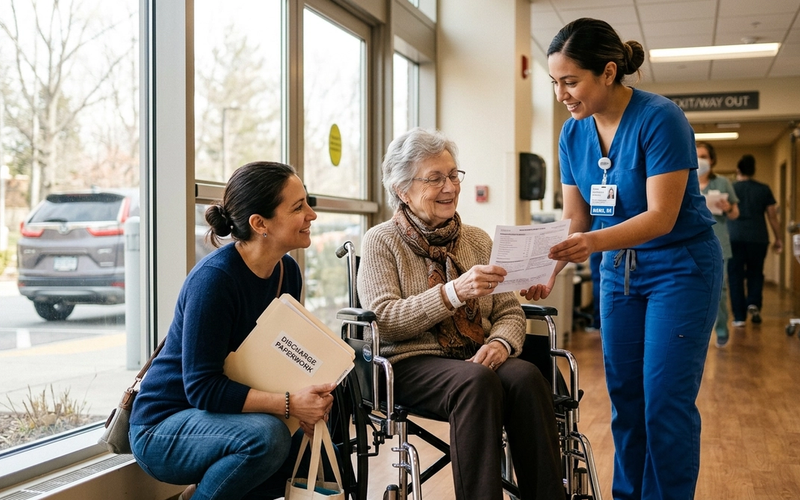
Hospital Discharge Planning for Seniors: A Family Guide
A hospital discharge for an older parent is a decision, not just a notice. Here is how discharge planning actually works, where families have leverage, and how to appeal a discharge you think is unsafe.

OTC Hearing Aids for Seniors: A 2026 Buyer's Guide
Over-the-counter hearing aids let adults with mild to moderate hearing loss skip the clinic and buy directly. Here is what they cost, who they fit, who should avoid them, and how they compare with prescription devices.
Explore senior living options
Comparing care for yourself or a family member? Browse communities by care type and see what each option typically costs.
- Assisted livingHelp with daily activities, costs, and how to choose a community.
- Independent livingMaintenance-free communities for active older adults.
- Home careIn-home support for seniors aging in place.
- Nursing homesSkilled nursing care and Medicare star ratings.
- Senior apartmentsAge-restricted, budget-friendly rental housing.
- Cost of senior livingCompare typical monthly prices by care type and state.