
The Essential Guide to Protein for Seniors: Expert Tips for Rehabilitation
Hospital data shows 49% of older adults face malnutrition risks during medical stays, according to the National Institute of Health. Medical research indicates insufficient nutrition over 10 days reduces muscle protein synthesis by 20%, directly affecting recovery outcomes. Healthcare experts now recommend 25-30 grams of high-quality protein for seniors at each meal during rehabilitation periods. The protein…

About 49% of older adults become malnourished during hospital stays, according to the National Institute of Health. When seniors don't eat enough protein for 10 days, their muscles break down faster—muscle protein synthesis drops by 20%—which slows recovery.
During rehabilitation, older adults need 25-30 grams of high-quality protein at each meal. Requirements go up for those recovering from surgery or managing chronic conditions.
Getting enough protein helps seniors maintain muscle strength and recover better. The right amount, timing, and sources matter. Your doctor or dietitian can recommend a plan based on your specific recovery needs.
- Understanding protein requirements for seniors
- Age-related changes in protein absorption
- Daily protein needs during rehabilitation
- Impact of activity level on protein requirements
- Best sources of protein for senior recovery
- Animal vs plant-based protein sources
- Complete vs incomplete proteins
- Easily digestible protein options
- Strategic protein timing for rehabilitation
- Pre-rehabilitation protein intake
- Post-exercise protein windows
- Nighttime protein strategies
- Optimizing protein absorption in seniors
- Digestive enzyme considerations
- Medication interactions with protein
- Hydration and protein utilization
- Building muscle with protein during recovery
- Resistance training and protein synergy
- Protein quality for muscle synthesis
- Recovery-specific protein needs
- Conclusion
- FAQs
Understanding protein requirements for seniors
Muscle mass starts declining around age 30, dropping about 1-2% each decade. After 60, the loss speeds up to 3-10% per decade, according to the Journal of Aging Research.
Age-related changes in protein absorption
Older adults need more protein than younger people to build the same amount of muscle—a condition called anabolic resistance. Digestion also changes with age, making it harder for the body to break down and absorb protein.
Daily protein needs during rehabilitation
The standard recommendation is 0.8 grams per kilogram of body weight daily, but that's not enough for seniors. Research shows older adults doing rehabilitation need 1.2-1.6 grams per kilogram daily. A 165-pound senior needs roughly 90-120 grams per day.
A good daily breakdown looks like:
- 25-30g at each meal
- 12-15g with snacks
- 30-35g after exercise
Impact of activity level on protein requirements
Seniors recovering from illness or surgery need even more—up to 2.0 grams per kilogram of body weight daily. Bed rest for 10 days significantly cuts muscle protein synthesis, which is why staying active matters.
Resistance exercise works best when paired with adequate protein. Consuming about 30 grams of protein within two hours after exercise maximizes muscle recovery.
Best sources of protein for senior recovery
Where you get protein matters. Different foods provide different amounts and types, and your body absorbs some sources more easily than others.
Animal vs plant-based protein sources
Animal proteins—meat, fish, poultry, eggs, and dairy—are easier for seniors to digest. Plant proteins are valuable too, and combining both throughout the day gives you all the amino acids you need.
Complete vs incomplete proteins
Your body needs nine essential amino acids. Complete proteins contain all nine. Here are some common sources:
- Lean meat and poultry: 21g per 3-ounce serving
- Fish and seafood: 20-25g per 3-ounce serving
- One egg: 7g
- One cup of milk: 7g
- Quinoa and buckwheat: complete plant proteins
- Tofu: 7g per 5-ounce serving
Legumes, nuts, and grains don't contain all nine amino acids on their own, but eating different plant proteins throughout the day gives you everything you need.
Easily digestible protein options
Dental problems and age-related digestive changes limit protein choices for many seniors. Some foods go down easier than others.
Whey protein is absorbed quickly and completely. Dairy proteins in general are easier to digest than plant sources. If dairy doesn't agree with you, soft cooked legumes and tender fish work well.
Strategic protein timing for rehabilitation
When you eat protein matters almost as much as how much you eat. Timing helps your muscles recover faster.
Pre-rehabilitation protein intake
Eating protein before exercise protects muscle during activity. Aim for 20-30 grams within two hours before your rehabilitation session.
Post-exercise protein windows
Right after exercise is when your muscles are most ready to use protein. Eat 30-40 grams within the first hour afterward.
Your muscles can also use protein at these times:
- 30-60 minutes after exercise
- 2-3 hours after exercise
- 4-6 hours after exercise
Nighttime protein strategies
Your muscles continue building while you sleep. Eating 40 grams of protein before bed boosts muscle growth overnight.
Casein protein works best at night because it releases amino acids slowly throughout your sleep. This steady supply keeps muscle building active for 7-8 hours.
Spreading protein across meals plus a bedtime snack helps your body overcome age-related changes in how it processes protein. This approach supports better recovery.
Optimizing protein absorption in seniors
As you age, your digestive system changes. Understanding these changes helps you get more nutrition from what you eat.
Digestive enzyme considerations
Your pancreas produces 45% less digestive enzymes after age 70. This slows down how well you break down and absorb protein.
If digestion is an issue, try these strategies:
- Eat smaller amounts of protein more often
- Ask your doctor about enzyme supplements if needed
- Choose easier-to-digest proteins
- Eat protein early in meals when digestive capacity is strongest
Medication interactions with protein
Some medications change how your body handles protein. About one in six older adults experience significant drug interactions.
Blood pressure medications can deplete zinc, which your body needs for protein metabolism. Stomach acid reducers and metformin reduce vitamin B12 absorption, which also affects protein use.
Talk to your doctor or pharmacist about:
- Timing protein intake around your medications
- Regular blood work to check nutrient levels
- Any potential interactions with your specific medications
Hydration and protein utilization
Drinking enough water helps your body absorb and use protein. Dehydration slows your metabolism and can impair thinking.
- Water supports:
- Moving nutrients through your body
- Kidney function and protein metabolism
Digestive enzyme activity
Chronic dehydration increases risk of disease. As you age, your thirst instinct weakens, so you need to drink intentionally. Some medications also increase water loss.
Your doctor can recommend how much fluid you need based on your medications and activity level. Proper hydration also prevents constipation, which interferes with nutrient absorption.
Building muscle with protein during recovery
Protein alone doesn't rebuild muscle. Combined with exercise, it works much better. Studies show that protein plus physical activity produces more muscle gain than either one alone.
Resistance training and protein synergy
Strength training is the most effective way to fight age-related muscle loss. Paired with adequate protein, it's even more powerful.
- Focus on these four areas:
- Regular resistance exercise
- Protein within two hours after training
- Consistent workout schedule
Proper exercise technique
Aim for 30-35 grams of protein within two hours after strength training.
Protein quality for muscle synthesis
How quickly your body digests protein affects how well it builds muscle. Whey protein works better for older adults than casein, even though casein is effective in younger people.
Leucine, one of the amino acids in protein, is the key trigger for muscle building. Consuming 0.81 grams per kilogram of body weight daily plus 4 grams of leucine three times a day improved muscle building in seniors.
Recovery-specific protein needs
Protein needs change based on what kind of recovery you're doing. During normal recovery, aim for 1.2-1.5 grams per kilogram of body weight daily. For acute conditions, increase to 2.0 grams per kilogram.
- Your doctor considers four factors:
- Your overall health
- How active you are
- What type of rehabilitation you're doing
Any chronic conditions you have
Eating 25-30 grams of high-quality protein at each meal maintains muscle. Lean meat four or five times a week supports muscle health in older age. Protein drinks raise amino acid levels in your bloodstream faster than solid food, which helps some seniors.
Conclusion
Seniors in rehabilitation need more protein than older estimates suggested: 1.2-2.0 grams per kilogram of body weight daily, depending on the type of recovery.
The right amount of protein combined with exercise creates the best recovery. Protein quality, staying hydrated, and knowing about medication interactions all affect how well you recover.
Aging changes how your body processes protein. Spreading protein across meals, eating more after exercise, and having protein before bed help overcome these changes.
Your specific protein needs depend on your health and recovery goals. Working with your doctor or a dietitian to create a personalized plan gives you the best results. Consistent protein intake with proper exercise keeps your muscles strong through recovery.
FAQs
Q: How much protein do seniors need during rehabilitation? A: Seniors typically need 1.2-2.0 grams per kilogram of body weight daily during rehabilitation. This is higher than the standard recommendation and supports muscle maintenance and recovery.
Q: What are some easily digestible protein sources for seniors? A: Whey protein, soft cooked legumes, tender fish, and Greek yogurt are good options. These work well for people with dental problems or digestive challenges.
Q: When should seniors eat protein during rehabilitation? A: Eat 20-30 grams within two hours before exercise, 30-40 grams within an hour after exercise, and 40 grams before bed. Spread protein across meals throughout the day as well.
Q: How does hydration affect protein use in seniors? A: Water is necessary for absorbing and using protein. It supports nutrient transport, kidney function, and digestion. Drink consistently throughout the day.
Q: Does combining protein with resistance training help seniors recover? A: Yes. Eating 30-35 grams of protein within two hours after strength training helps muscle repair and growth, which improves rehabilitation outcomes.
Get matched
Looking for senior care for someone you love?
Tell us what you're considering. We'll share independent matches and pricing directly with you. No phone calls until you ask for one.
- Takes about two minutes to complete.
- Pricing details emailed to you. No phone calls until you ask for one.
- Independent matching. We do not own the communities we list.
Loading the matching form…
Powered by SilverAssist. By submitting this form you agree to our privacy policy.
More from our editors
All articles
Best Weekend Trips and Short Getaways for Seniors
The best weekend trips for seniors are short, close to home, and built around one relaxed idea. Here are the kinds of short getaways that work well for older travelers, with real examples and how to plan one.
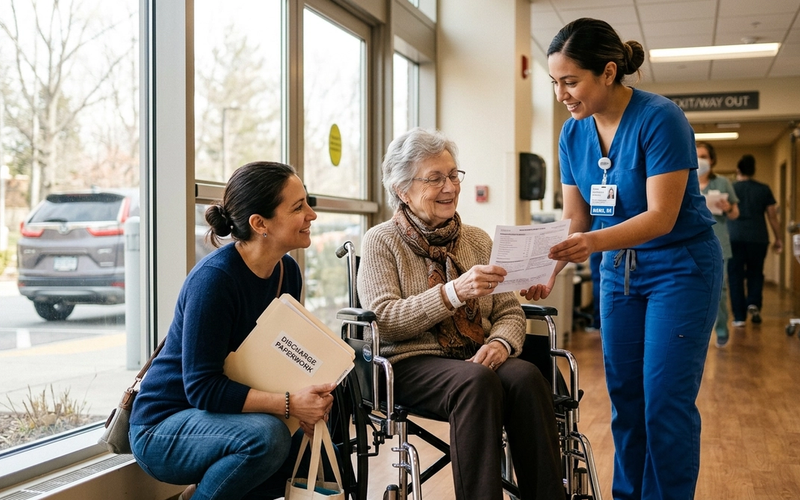
Hospital Discharge Planning for Seniors: A Family Guide
A hospital discharge for an older parent is a decision, not just a notice. Here is how discharge planning actually works, where families have leverage, and how to appeal a discharge you think is unsafe.

OTC Hearing Aids for Seniors: A 2026 Buyer's Guide
Over-the-counter hearing aids let adults with mild to moderate hearing loss skip the clinic and buy directly. Here is what they cost, who they fit, who should avoid them, and how they compare with prescription devices.
Explore senior living options
Comparing care for yourself or a family member? Browse communities by care type and see what each option typically costs.
- Assisted livingHelp with daily activities, costs, and how to choose a community.
- Independent livingMaintenance-free communities for active older adults.
- Home careIn-home support for seniors aging in place.
- Nursing homesSkilled nursing care and Medicare star ratings.
- Senior apartmentsAge-restricted, budget-friendly rental housing.
- Cost of senior livingCompare typical monthly prices by care type and state.