
Top 10 Senior Caregiver Duties You May Encounter
Most people find it challenging to care for their senior family members. The problem worsens when they have a traditional 9-5 job and no one else at home to care for the ailing father or mother. As a result, they hire a homecare agency to get the job done. However, most family caregivers lack evidence-based…

Many adult children struggle to care for aging parents while working full-time. When there's no one else at home to help, the burden falls entirely on them.
Many families hire a home care agency, but most caregivers start without much training or preparation for what the job actually involves.
Caregiving tasks vary depending on what your parent or relative needs. Here are the main responsibilities you should be ready for.
- 1. Developing a care plan
- 2. Providing companionship
- 3. Educating family members
- 4. Managing medications
- 5. Helping with daily activities
- 6. Housekeeping
- 7. Managing diet and nutrition
- 8. Assisting with mobility
- 9. Transportation
- 10. Preventing falls
- Final thoughts
Developing a care plan
Start by creating a care plan and outlining clear goals. Use SMART objectives: specific, measurable, achievable, realistic, and timely. Focus on one goal at a time, then clarify what you're trying to accomplish.
Your plan might include meal prep, scheduling doctor visits, coordinating with family, preventing falls, arranging social activities, and tracking progress.
Providing companionship
Research from the National Institute of Health shows that companionship improves mental health, self-expression, and overall happiness in older adults.
Your role is to spend time with the person in your care, learn what they enjoy, and create opportunities for those activities.
This helps reduce loneliness, isolation, stress, and depression—common problems for isolated older adults.
Educating family members
Busy family members often miss the signs of aging in their relatives. They may not realize changes in mood, mobility, or health until problems become serious.
As a caregiver, you can help the family understand what's happening and why staying connected matters. This encourages them to maintain relationships with their aging relative while respecting their independence.
Managing medications
Missed or incorrect medications hurt quality of life in older adults. For someone with dementia, remembering to take pills on time becomes nearly impossible.
Check prescriptions to see whether medications should be taken with food or water. If your client takes multiple pills daily, a pill organizer keeps everything straight and reduces mistakes.
Helping with daily activities
Daily living activities include personal hygiene, grooming, showering, eating, laundry, and moving around. Preparing for these tasks means understanding what your client can and cannot do on their own.
If your plan doesn't match what your client needs, problems will follow. Listen carefully to what they need, ask questions, and adjust your approach as needed.
Housekeeping
Caregiving is physically and emotionally demanding. Housekeeping tasks like dishes, vacuuming, and laundry add to that burden. If you neglect your own health while caring for someone else, you'll burn out.
Take care of yourself so you can take care of your client. When you're physically and mentally healthy, you'll have the energy to do your job well.
Managing diet and nutrition
Good nutrition helps older adults maintain energy, prevent chronic diseases like heart disease and diabetes, and stay mentally sharp.
Talk with the family about meal preferences and any dietary restrictions. Then develop meal plans and prepare food that fits those needs.
For someone with arthritis, anti-inflammatory foods like onions, garlic, sweet potatoes, and leafy greens can help reduce pain and stiffness.
Assisting with mobility
Your client may need help moving between rooms, getting out of bed, or walking outside. If their muscles and bones are weak, this becomes harder.
Keep your client moving and active to maintain strength and flexibility. This is one of the best ways to prevent decline.
Use mobility aids, simplify tasks, clear safe walking paths, and watch for changes in what your client can do. This preparation helps prevent injuries and accidents.
Transportation
Older adults often cannot drive safely, especially if they have dementia. You'll drive them to doctor visits, the grocery store, the park, or other places they need to go.
Preventing falls
Falls are a serious problem for older adults. The CDC reports 36 million falls annually in the United States, resulting in over 32,000 deaths.
As a caregiver, you help create a safer home and reduce fall risk. This means clearing walkways, making sure your client wears proper shoes, and encouraging balance and strength exercises.
These steps keep your client safe and comfortable as they move around their home.
Final thoughts
Older adults face many health challenges—dementia, diabetes, heart disease, depression, and isolation. Your job as a caregiver is to help them manage daily life safely and comfortably. Use practical, evidence-based approaches to get good results.
Get matched
Looking for senior care for someone you love?
Tell us what you're considering. We'll share independent matches and pricing directly with you. No phone calls until you ask for one.
- Takes about two minutes to complete.
- Pricing details emailed to you. No phone calls until you ask for one.
- Independent matching. We do not own the communities we list.
Loading the matching form…
Powered by SilverAssist. By submitting this form you agree to our privacy policy.
More from our editors
All articles
Best Weekend Trips and Short Getaways for Seniors
The best weekend trips for seniors are short, close to home, and built around one relaxed idea. Here are the kinds of short getaways that work well for older travelers, with real examples and how to plan one.
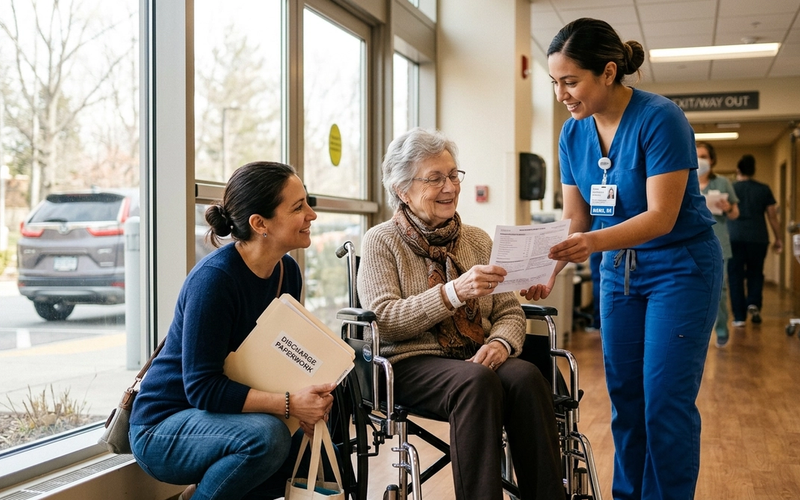
Hospital Discharge Planning for Seniors: A Family Guide
A hospital discharge for an older parent is a decision, not just a notice. Here is how discharge planning actually works, where families have leverage, and how to appeal a discharge you think is unsafe.

OTC Hearing Aids for Seniors: A 2026 Buyer's Guide
Over-the-counter hearing aids let adults with mild to moderate hearing loss skip the clinic and buy directly. Here is what they cost, who they fit, who should avoid them, and how they compare with prescription devices.
Explore senior living options
Comparing care for yourself or a family member? Browse communities by care type and see what each option typically costs.
- Assisted livingHelp with daily activities, costs, and how to choose a community.
- Independent livingMaintenance-free communities for active older adults.
- Home careIn-home support for seniors aging in place.
- Nursing homesSkilled nursing care and Medicare star ratings.
- Senior apartmentsAge-restricted, budget-friendly rental housing.
- Cost of senior livingCompare typical monthly prices by care type and state.