
Understanding Why Seniors Stop Eating
One of the common issues that caregivers face when looking after elderly individuals is the gradual decline in their appetite. This change can lead to various health problems, including malnutrition and dehydration, especially if not addressed promptly. This article explores the reasons why seniors stop eating, the potential risks, and what can be done to…

Caregivers often notice older adults eating less over time. This shift can lead to malnutrition and dehydration if left unaddressed. Understanding why seniors lose appetite and what helps can make a real difference.
- Why does a senior's appetite decline?
- Physiological factors
- Psychological factors
- Lifestyle changes
- The risks of reduced appetite in seniors
- Strategies to encourage eating
- Wrapping up
Why does a senior's appetite decline?
Several things can trigger appetite loss in older adults. The causes tend to be physiological, psychological, or lifestyle-related.
Physiological factors
Aging brings changes that directly affect how much someone wants to eat:
- Metabolic changes: Metabolism slows with age, and less physical activity means seniors need fewer calories than younger people.
- Sensory changes: The senses of taste and smell weaken. Seniors may lose taste buds, making food taste bland or off.
- Hormonal changes: Hunger signals from the brain can diminish with age. Older adults simply don't feel as hungry.
- Dental and digestive issues: Tooth problems, difficulty chewing, lactose intolerance, or other digestive discomfort can make eating painful or unpleasant.
Psychological factors
Mental and emotional state shapes appetite. Depression and dementia often reduce the desire to eat. Loneliness matters too—someone recently widowed or moved to unfamiliar surroundings may lose interest in food.
Lifestyle changes
Disrupted routines, inability to cook, or eating alone can make meals feel like a chore rather than something to look forward to. That shift in mindset often leads to eating less.
The risks of reduced appetite in seniors
When seniors eat significantly less, malnutrition sets in. The health consequences can be serious:
- Weakened immune system: Poor nutrition makes infections more likely.
- Decreased muscle function: Lack of nutrients causes muscle weakness and increases fall risk.
- Poor wound healing: The body takes longer to recover from injuries or surgery.
- Increased hospitalizations: Malnourished seniors face more health crises requiring medical care.
Strategies to encourage eating
Several practical steps can help stimulate appetite:
- Use spices and herbs: Adding flavor with seasonings and sauces makes meals more appealing. Check any dietary restrictions first.
- Eat together: Shared meals are more enjoyable. Eating with family or friends often encourages seniors to eat more.
- Focus on nutrient density: Serve smaller portions of calorie-rich foods like avocados, olive oil, nuts, and peanut butter instead of filling plates with low-calorie items.
- Keep meal times consistent: Regular eating schedules help reinforce hunger cues and make eating a habit.
- Address medication side effects: Some drugs affect taste or cause dry mouth, which discourages eating. A doctor can often adjust medications or suggest workarounds.
- Consider appetite stimulants: Prescription appetite-stimulating medications exist but should only be used when other approaches have failed and with a doctor's approval.
Wrapping up
It's normal for seniors to eat less than younger adults, but a sharp drop in intake or refusal to eat warrants attention. Understanding the cause and trying practical approaches can help ensure your loved one gets enough nutrients to stay healthy.
If you notice a significant change in eating habits, talk to a doctor. They can identify underlying causes and recommend specific solutions based on overall health.
Get matched
Looking for senior care for someone you love?
Tell us what you're considering. We'll share independent matches and pricing directly with you. No phone calls until you ask for one.
- Takes about two minutes to complete.
- Pricing details emailed to you. No phone calls until you ask for one.
- Independent matching. We do not own the communities we list.
Loading the matching form…
Powered by SilverAssist. By submitting this form you agree to our privacy policy.
More from our editors
All articles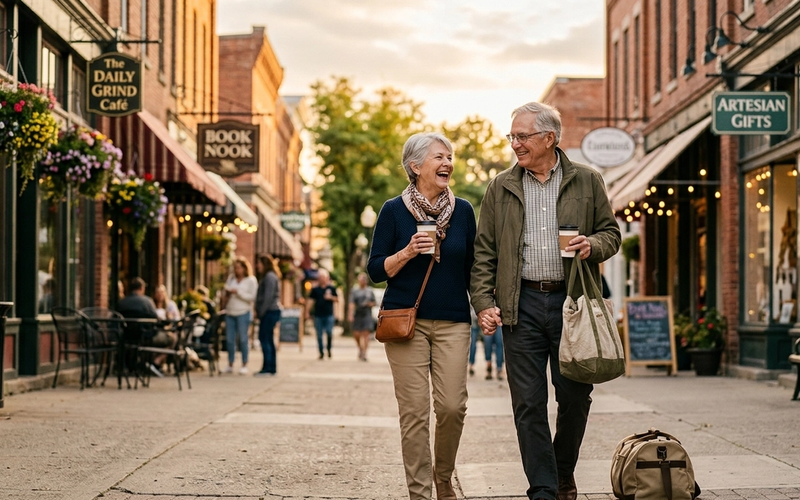
Best Weekend Trips and Short Getaways for Seniors
The best weekend trips for seniors are short, close to home, and built around one relaxed idea. Here are the kinds of short getaways that work well for older travelers, with real examples and how to plan one.

Hospital Discharge Planning for Seniors: A Family Guide
A hospital discharge for an older parent is a decision, not just a notice. Here is how discharge planning actually works, where families have leverage, and how to appeal a discharge you think is unsafe.
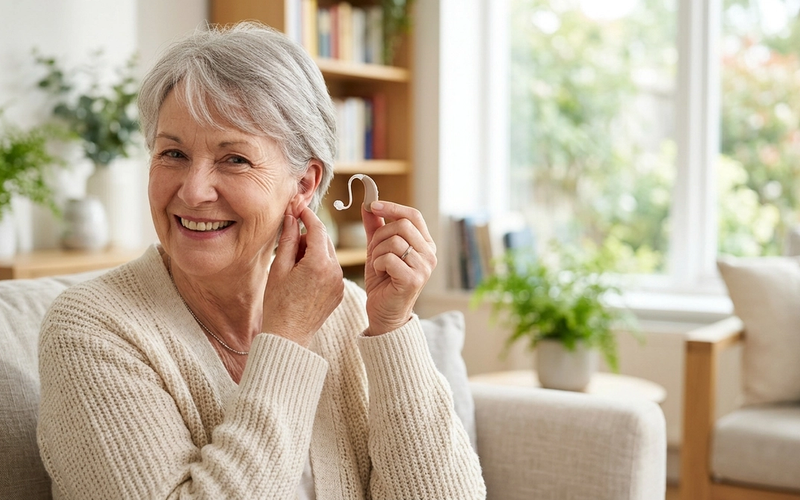
OTC Hearing Aids for Seniors: A 2026 Buyer's Guide
Over-the-counter hearing aids let adults with mild to moderate hearing loss skip the clinic and buy directly. Here is what they cost, who they fit, who should avoid them, and how they compare with prescription devices.
Explore senior living options
Comparing care for yourself or a family member? Browse communities by care type and see what each option typically costs.
- Assisted livingHelp with daily activities, costs, and how to choose a community.
- Independent livingMaintenance-free communities for active older adults.
- Home careIn-home support for seniors aging in place.
- Nursing homesSkilled nursing care and Medicare star ratings.
- Senior apartmentsAge-restricted, budget-friendly rental housing.
- Cost of senior livingCompare typical monthly prices by care type and state.