
Home care for elderly has become a preferred option for many families seeking to support their aging loved ones. According to research, most older adults express a strong desire to “age in place” in familiar surroundings rather than relocate to assisted living facilities. This preference isn’t surprising when we consider the numerous advantages that come with this arrangement.
When we explore the possibilities of caring for elderly at home, we discover it’s not just about convenience. Care for elderly at home can include personal assistance with daily activities, household chores, transportation to medical appointments, and even specialized health services. Importantly, home care services for elderly can be customized to meet specific needs-whether short-term during recovery or long-term for ongoing support. Additionally, this approach often proves more cost-effective than residential facilities, making it financially accessible for many families like ours.
In this guide, we’ll uncover the hidden benefits of home care that extend far beyond the practical aspects, examining how it preserves dignity, enhances emotional well-being, and provides crucial support for family caregivers while ensuring safety and peace of mind for everyone involved.
The overlooked value of home care services
Many families overlook the extensive value that professional home care services provide beyond basic assistance. These services offer a comprehensive approach to eldercare that addresses physical needs alongside emotional well-being and family support.
Personal care that preserves dignity
Maintaining dignity is central to quality eldercare. Personal care services-including help with bathing, dressing, grooming, and toileting-are delivered with sensitivity to preserve an elderly person’s self-respect. Indeed, when caregivers approach these intimate tasks with warmth and respect, seniors feel valued rather than dependent.
Research shows that respecting seniors’ privacy and honoring their personal preferences helps them maintain a sense of control over their lives. This sense of autonomy is particularly crucial for elderly individuals who may feel vulnerable when receiving assistance with daily activities.
Professional caregivers understand the importance of addressing seniors as they prefer to be called, knocking before entering rooms, and asking permission before handling personal belongings. Moreover, they recognize that allowing seniors to make their own choices about clothing, meals, and daily routines fosters independence and boosts self-esteem.
Health care at home: comfort and convenience
Home health care delivers medical attention in familiar surroundings, which studies show can accelerate recovery and improve outcomes. In fact, research indicates that elderly adults recover faster and experience fewer complications at home than in hospital settings.
The services available through home health care are remarkably comprehensive, including:
- Skilled nursing care for wound treatment and medication management
- Physical, occupational, and speech therapy
- Monitoring of chronic conditions like diabetes
- Medical social services
- Intravenous or nutrition therapy
Receiving health care at home eliminates the stress of transportation to appointments. Furthermore, it allows seniors to maintain their normal daily routines rather than adjusting to institutional schedules. Medicare covers many home health services for eligible seniors, providing qualified individuals access to skilled nursing care and home health aide services for up to 8 hours a day, with a maximum of 28 hours per week.
Household help that reduces stress
Day-to-day household management becomes increasingly challenging for many seniors. Consequently, home care services that assist with routine tasks can significantly reduce stress for both elderly individuals and their family caregivers.
Home care aides help with essential activities like meal preparation, grocery shopping, laundry, and light housekeeping. These services ensure seniors maintain proper nutrition and live in clean, safe environments without overexerting themselves. For instance, some grocery stores and pharmacies will deliver items ordered by phone or online, further simplifying life for elderly individuals with mobility challenges.
Family caregivers particularly benefit from household assistance. As noted by the Mayo Clinic, caregiving without support can lead to burnout, characterized by physical and emotional exhaustion. By sharing household responsibilities with professional aides, family members can focus on quality time with their loved ones rather than solely on task completion.
Home care services offer flexibility based on specific needs-from a few hours of weekly assistance to around-the-clock support. This customization ensures families receive precisely the level of help required, making home care both practical and cost-effective compared to institutional alternatives.
Emotional and social benefits for elderly at home
Beyond practical assistance, home care offers profound emotional and social advantages for elderly individuals. Studies show that social isolation and loneliness are associated with higher risks for heart disease, depression, and cognitive decline. Let’s explore the emotional dimensions of caring for elderly at home.
Companionship and reduced loneliness
Almost half of women 75 and older live alone, making companionship a vital component of home care services for elderly. Regular interaction with caregivers provides crucial social connections that combat isolation’s negative effects.
Companion care focuses on providing emotional support alongside practical assistance. These relationships often evolve beyond professional boundaries-many seniors develop meaningful connections with their caregivers, describing them as “new best friends”.
Companion caregivers engage elderly individuals in activities tailored to their interests, such as:
- Walking or light exercise
- Playing games or solving puzzles
- Watching movies or listening to music
- Preparing and sharing meals
These interactions aren’t merely pleasant-they’re essential for health. Studies indicate that seniors who engage in regular companionship experience improved mental, emotional, and physical well-being. Essentially, these social connections reduce the risk of depression while boosting mood and creating a renewed sense of purpose.
Familiar surroundings and mental well-being
Nearly 80% of older adults prefer staying in their homes as they age, highlighting the emotional value of familiar environments. This preference stems from the deep connections seniors develop with their living spaces over decades.
Familiar surroundings provide comfort that institutional settings simply cannot replicate. In fact, older individuals who remain in their own homes are less likely to experience feelings of loneliness and anxiety. The comfort of recognizable spaces reduces confusion, stress, and disorientation that often accompany relocation.
Aging in place allows seniors to maintain their sense of identity through continued access to personal possessions and memories. To begin with, these items aren’t just things-they’re connections to life experiences and cherished memories that provide emotional stability. In the long run, this emotional anchoring significantly improves quality of life and mental health outcomes.
Maintaining routines and independence
Daily routines serve as a powerful tool for supporting cognitive health and emotional well-being in elderly individuals. Following familiar patterns induces a state of calm and comfort, reducing anxiety and stress levels.
Structured daily activities provide several benefits:
- Creating a sense of safety and certainty
- Reducing confusion, particularly for those with cognitive challenges
- Helping transfer information to long-term memory
- Supporting continued independence in daily activities
Personalizing routines to match individual interests and abilities fosters a sense of purpose and autonomy. When seniors participate in planning their daily schedule, they experience increased confidence and independence. Albeit challenging at times, maintaining these routines helps preserve cognitive function while providing psychological stability.
Home care makes maintaining these routines possible even when physical limitations increase. By supporting-rather than replacing-seniors’ efforts, caregivers help preserve the dignity of independent living. This approach ensures elderly individuals maintain control over their lives while receiving necessary assistance, creating an ideal balance between support and autonomy.
Support for family caregivers
Family caregivers shoulder immense responsibilities when caring for elderly at home. In 2021, family caregivers provided approximately $600 billion worth of care-exceeding all spending on long-term services and supports in the US that same year ($400 billion). This vital support system requires its own support network to remain sustainable.
Respite care to prevent burnout
Caregiver burnout represents a serious concern, with approximately 20% of caregivers suffering from depression. Respite care-temporary relief for primary caregivers-serves as an essential preventative measure against this burnout.
Respite services come in several forms:
- In-home respite where healthcare aides provide care in your home
- Short-term nursing home stays for when caregivers need extended breaks
- Daily respite care (offered by 40 states)
- Institutional respite care (available in 35 states)
Notably, respite care is the most commonly covered benefit for family caregivers, offered by 47 states through various programs. This widespread availability reflects its crucial role in maintaining caregiver health and enabling continued home care for elderly family members.
Adult day care as a flexible option
Adult day care centers provide a structured daytime environment for seniors while offering caregivers freedom to work or handle personal responsibilities. These programs typically operate during business hours, with some offering extended hours specifically to accommodate working caregivers.
Services at adult day care centers often include personal assistance, social activities, meals, and certain health services. The programs are specifically designed to help elderly adults remain mentally and physically active while reducing isolation.
For working caregivers, these centers offer a practical solution to balance employment with caring for elderly at home. Individuals typically attend centers in their community two to five times a week based on individual needs, with program hours ranging from four to eight hours per day.
Access to caregiver support groups
Support groups provide invaluable emotional assistance and practical guidance for those caring for elderly at home. Dr. Rehan Aziz, a geriatric psychiatrist, describes referral to a support group as the “first-line intervention” for stressed caregivers.
These groups connect caregivers with others facing similar challenges, creating spaces where they can share experiences, receive emotional support, and learn effective strategies. Many organizations facilitate these connections, including the Family Caregiver Alliance, which sponsors several types of support groups both in-person and online.
Specialized support groups exist for various caregiving situations, including groups for:
- African American caregivers
- LGBTQ+ caregivers
- Young adult caregivers (under 40)
- Caregivers of individuals with specific conditions
Home care services for elderly family members necessarily include support for those providing that care. Through respite options, day programs, and community connections, caregivers can maintain their own health while continuing to provide quality care for their loved ones at home.
Financial advantages of home care
When evaluating eldercare options, the financial dimension often plays a decisive role in family decisions. The economics of home care present several advantages that merit careful consideration.
Comparing costs with assisted living
The financial comparison between home care and assisted living reveals a crucial threshold. Generally, if an elderly person requires 40 hours or less per week of paid home care, this option proves more economical than assisted living. The median nationwide cost of assisted living stands at approximately $4995 per month, whereas home care averages around $30 per hour, totaling about $5720 monthly for 44 hours of weekly care.
Nevertheless, these figures vary substantially based on:
- Geographic location (state averages range from $2844 to $9266 monthly for assisted living)
- Level of care required (specialized memory care adds roughly $1150 monthly)
- Home ownership status versus renting
For seniors needing only part-time assistance, home care represents a clear financial advantage. However, as care needs increase toward full-time or 24/7 support, costs can rise to $200,000 or more annually, potentially exceeding institutional options.
Understanding Medicare and Medicaid coverage
Medicare offers limited but valuable coverage for home health services. For qualified individuals, Medicare pays 100% for covered home health services while requiring a 20% coinsurance for durable medical equipment after meeting the Part B deductible.
Meanwhile, Medicaid provides more comprehensive home care coverage through various programs:
- Regular State Medicaid plans in all 50 states cover some form of in-home care
- Home and Community-Based Services (HCBS) waivers offer expanded benefits
- Consumer-directed care options in many states allow hiring family members as paid caregivers
Eligibility criteria typically include both financial thresholds and demonstrated need for nursing-home level care. As of 2025, most states limit monthly income to either $1304.17 (100% Federal Poverty Level) or $967 (100% SSI) with assets generally restricted to $2000.
Long-term savings through tailored care
Beyond direct comparisons, home care generates substantial long-term savings through prevention. Studies show home-based interventions result in 52% lower costs for patients with chronic conditions compared to traditional hospital treatments.
Furthermore, home health care leads to demonstrable savings in the healthcare system:
- Average savings of $15,233 per patient over a year after discharge
- 14% reduction in total medical costs
- 35% decline in inpatient admissions
Above all, the customizable nature of home care allows families to optimize resources by adjusting care hours and services as needs change. This flexibility ensures seniors receive precisely the support required without paying for unnecessary services, creating both immediate and long-term financial advantages for families managing eldercare needs.
Safety and peace of mind at home
Creating a secure environment stands as a cornerstone of effective home care for elderly individuals. Safety measures not only protect physical health but likewise provide invaluable peace of mind for families supporting aging loved ones.
Emergency alert systems and fall monitors
Falls represent a significant danger for seniors, with over 25% of adults 65 and older experiencing falls annually. Emergency medical alert systems address this risk through wearable electronic monitors that connect seniors with help when needed. These devices can detect falls, track location via GPS, and immediately alert emergency services or family members with the press of a button. Most systems charge an initial setup fee plus monthly service costs, with options for coverage through private insurance or Medicaid, although Medicare typically doesn’t cover these expenses.
Fall prevention monitors offer another layer of protection. These systems use weight-sensing pads placed on beds, chairs, or floors that wirelessly alert caregivers when an at-risk individual attempts to get up unassisted. Some advanced technologies utilize 4D-radar sensors that can detect falls without requiring wearable devices.
Home modifications for accessibility
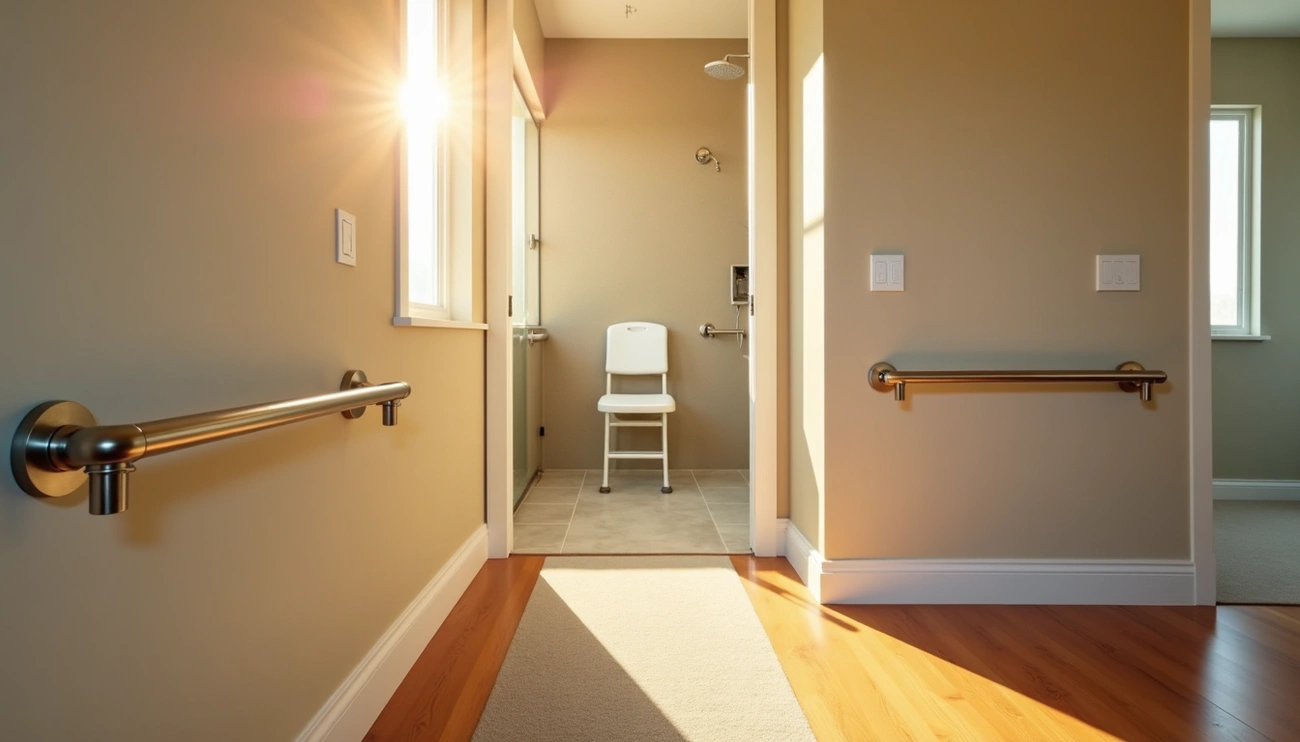
Simple home adaptations can dramatically reduce accident risks. Common modifications include installing grab bars in bathrooms, ramps for wheelchair access, improved lighting, and walk-in showers. These changes allow seniors to navigate their living spaces safely while maintaining independence.
Financial assistance for home modifications is available through various programs, including low-interest loans from the Maryland Assistive Technology Loan Program and grants from Accessible Homes for Seniors.
Regular check-ins and monitoring services
Daily check-in services provide crucial safety monitoring for seniors living alone. These services contact elderly individuals at predetermined times, alerting designated emergency contacts if no response is received. Beyond safety, regular check-ins offer valuable social interaction that helps reduce isolation and depression.
Advanced monitoring options include smart home technologies that track movement patterns, medication adherence, and vital signs without compromising privacy. These systems can detect changes in routine that might indicate health issues, allowing for early intervention.
Conclusion
After examining the many aspects of home care for elderly loved ones, we can clearly see this option offers numerous advantages beyond basic assistance. Home care stands as a holistic approach that maintains dignity, fosters independence, and provides emotional well-being while offering practical support.
First and foremost, caring for elderly at home preserves their sense of identity and autonomy. Familiar surroundings reduce anxiety and confusion that often accompany relocation to institutional settings. Additionally, customized routines help seniors maintain control over their daily lives, consequently boosting their mental health and cognitive function.
The emotional benefits prove equally significant. Regular companionship from caregivers fights isolation and loneliness, which research links to serious health problems. These meaningful relationships often develop into genuine friendships that enrich seniors’ lives and create renewed purpose.
Family caregivers likewise benefit from professional home care services. Respite care prevents burnout, while adult day programs offer flexible options for working family members. Support groups further connect caregivers with others facing similar challenges, providing essential emotional sustenance during difficult times.
From a financial perspective, home care frequently costs less than assisted living for those needing under 40 hours of weekly care. Various payment options exist through Medicare, Medicaid, and other programs, making this approach accessible for many families.
Safety considerations remain paramount when caring for elderly at home. Emergency alert systems, fall monitors, home modifications, and regular check-ins all contribute to a secure environment that gives everyone peace of mind.
Undoubtedly, home care represents more than just a practical solution-it honors our elderly loved ones’ wishes while providing comprehensive support. This approach allows families to balance independence with necessary assistance, therefore creating an eldercare solution that truly puts seniors’ dignity and well-being first.
FAQs
Q1. What are the key advantages of home care for seniors? Home care offers numerous benefits, including personalized care in a familiar environment, faster recovery from illnesses, assistance with daily activities, and the comfort of maintaining regular routines. It also provides companionship, which helps reduce loneliness and improves overall well-being.
Q2. How does home care support family caregivers? Home care services provide essential support for family caregivers through respite care, which prevents burnout, and adult day care programs that offer flexibility for working family members. Additionally, caregiver support groups connect individuals facing similar challenges, providing emotional support and practical advice.
Q3. Is home care more cost-effective than assisted living? Generally, if an elderly person requires 40 hours or less of weekly care, home care is more economical than assisted living. However, costs can vary based on location, level of care needed, and individual circumstances. It’s important to compare options and consider long-term financial implications.
Q4. What safety measures can be implemented for home care? Safety measures for home care include emergency alert systems, fall monitors, home modifications for accessibility (such as grab bars and improved lighting), and regular check-in services. These measures not only protect seniors physically but also provide peace of mind for families.
Q5. How does home care impact the emotional well-being of seniors? Home care significantly benefits seniors’ emotional well-being by allowing them to age in familiar surroundings, maintain independence, and follow personalized routines. Regular interaction with caregivers provides crucial social connections, reducing feelings of isolation and depression while fostering a sense of purpose and dignity.