
Finding meaningful ways to engage with dementia patients can be challenging, but the right activities can significantly improve their quality of life. Caring for someone with Alzheimer’s or dementia requires patience and creativity, especially when traditional communication becomes difficult.
Activities for people with dementia serve purposes beyond simple entertainment. Engaging activities can stimulate the mind, encourage social interaction, and bring joy to your loved one. Quality time with family members who have Alzheimer’s or dementia can be both meaningful and rewarding, regardless of whether the activity is completed perfectly. The key lies in focusing on what they can do rather than what they cannot, which helps maintain their sense of dignity and self-worth.
This guide organizes activities into four main categories: creative and sensory activities, physical and outdoor activities, cognitive and memory-boosting exercises, and social and household tasks. The quality of time spent together matters more than the outcome of any activity. Each category offers options that can be adapted to different stages of dementia and varying ability levels.
Whether you’re caring for a parent, spouse, or other loved one with dementia, these activities provide practical ways to create positive experiences throughout the day. Many can be done at home with simple materials, while others may involve community resources or outdoor spaces.
Creative and Sensory Activities
Sensory engagement offers powerful ways to connect with dementia patients when verbal communication becomes difficult. These activities stimulate different parts of the brain while providing opportunities for self-expression, even as cognitive abilities change.
1. Painting, coloring, and drawing
Art projects provide a sense of accomplishment and purpose for people with dementia. When planning art activities, keep them adult-appropriate to maintain dignity, allow plenty of time, and use safe materials. Watercolors work particularly well as they glide easily across paper and accommodate gross motor movements. Research shows coloring reduces stress, anxiety, and depression while improving focus and concentration. Completing a coloring page provides a sense of achievement that boosts self-esteem, particularly important for those struggling with their sense of identity.
Consider these practical approaches:
- Use large-grip brushes or markers for easier handling
- Set up the workspace with newspaper or plastic covering
- Choose simple designs that don’t require fine detail work
- Focus on the process rather than the finished product
2. Making greeting cards or scrapbooks
Creating greeting cards or collages offers opportunities to express creativity while engaging fine motor skills. This activity becomes particularly meaningful when paired with reminiscing, as sorting through photos and memorabilia often sparks conversations about cherished memories. When working together on scrapbooks, allow the person to guide the process as much as possible, offering assistance only when needed.
3. Aromatherapy and hand massages
Certain essential oils may help calm patients and reduce aggression and agitation. Lavender, bergamot, and lemon balm have shown promise in improving cognition and mood. A gentle hand massage with scented lotion provides both tactile stimulation and aromatherapeutic benefits. Studies suggest these approaches can help manage symptoms associated with dementia, such as anxiety and depression.
For safe aromatherapy practice:
- Use diluted oils rather than concentrated versions
- Test for skin sensitivity before applying topically
- Choose familiar scents that may trigger positive memories
- Keep sessions brief, around 10-15 minutes
4. Listening to music or singing
Music therapy can be remarkably effective, as musical memories often remain intact even after other types of memory have faded. Studies have shown music may reduce agitation and improve behavioral issues common in middle-stage dementia. When selecting music, choose familiar songs without commercial interruptions, which can cause confusion. Encourage movement such as clapping or dancing to enhance engagement.
5. Creating a memory box
Memory boxes help stimulate long-term memory and enable people with dementia to share their past. Include items that trigger multiple senses such as photographs, fabric swatches, and familiar scents. A well-designed memory box improves mood, self-esteem, and overall wellbeing. When exploring the box together, ask gentle questions that encourage storytelling and reminiscence.
Effective memory box contents include:
- Family photographs from different life stages
- Small objects with personal significance
- Fabric samples from clothing or home décor
- Items with distinct textures or scents
6. Playing with textured fabrics or sensory balls
Handling objects with different textures stimulates the brain and can spark memories. Soft blankets, smooth stones, or rough burlap introduce a variety of sensations. These tactile experiences offer cognitive stimulation without frustration, especially valuable for those in later stages of dementia. Simple fidget blankets with attached buttons, zippers, and different fabric patches provide ongoing sensory engagement during quiet times.
Physical and Outdoor Activities
Regular physical activity offers multiple benefits for people living with dementia, beyond just keeping the body fit. According to research, exercise can boost mood, improve sleep, and even slow cognitive decline. Physical activities can be adapted to match current abilities, ensuring everyone can participate safely.
7. Walking or nature strolls
Taking a walk remains one of the best all-round exercises for dementia patients, and it’s completely free. Even if your loved one has mobility issues, they can still enjoy outdoor walks with assistance from wheelchairs, walkers, or other mobility aids. Spending just 20 minutes outdoors can stimulate brain cell growth. Walking also helps address the restless urge to wander that often accompanies Alzheimer’s.
Start with short distances and familiar routes. Choose times of day when your loved one feels most alert and comfortable. Parks with well-maintained paths offer safe environments for walking while providing natural scenery.
8. Gardening and watering plants
Gardening provides both gentle physical activity and meaningful engagement. Tasks like watering plants, deadheading flowers, and harvesting vegetables create a sense of accomplishment and boost self-esteem. For those with limited mobility, raised garden beds prevent excessive bending, while ensuring pathways are broad and clear of debris enhances safety. Watching spring bulbs appear or vegetables ripen helps people connect with the seasons.
Consider container gardening for those with severe mobility limitations. Even simple tasks like touching soil or smelling flowers provide sensory benefits.
9. Balloon volleyball or chair exercises
Chair exercises benefit those with limited mobility while improving strength and balance. Simple activities like seated leg extensions, heel raises, and shoulder blade squeezes can be performed daily. Start with one set of 10 repetitions, gradually building to 2-3 sets as strength increases. Balloon volleyball offers a fun way to improve hand-eye coordination while engaging in group interaction.
The lightweight nature of balloons makes them safe for indoor use. These activities work well in assisted living settings or at home with family members.
10. Bird watching or visiting a park
Birdwatching creates opportunities to connect with nature and can be done from a window or outdoors. The Wildlife Trusts provide information about local nature reserves and often organize events. Watching birds and listening to birdsong reduces stress, anxiety, and depression while providing a common talking point between generations.
Set up a bird feeder outside a favorite window. Keep a simple bird identification book nearby to enhance the experience without making it too complex.
11. Light stretching or yoga
Both yoga and Pilates improve balance, flexibility, and overall strength. These slow-movement activities reduce injury risk while enhancing range of motion. Many communities now offer dementia-friendly classes for both activities throughout the UK.
Focus on gentle movements that feel comfortable. Avoid complex poses or sequences that might cause confusion or frustration.
12. Picnicking in the backyard
A simple picnic provides a refreshing change of scenery. Whether in the garden or a local park, enjoying food outdoors can be relaxing for everyone involved. Familiar smells and tastes, along with sights like a picnic blanket, create an enjoyable sensory experience.
Pack familiar foods that are easy to eat. Choose locations with nearby restroom facilities and minimal crowds to reduce anxiety.
Cognitive and Memory-Boosting Activities
Cognitive stimulation plays a vital role in maintaining brain health for individuals with dementia. Research shows that people with dementia who regularly engage in mentally stimulating activities demonstrate better performance across all cognitive areas compared to those who don’t. These activities can be adapted to different stages of cognitive decline while maintaining dignity and engagement.
13. Doing puzzles or word searches
Word searches and puzzles help boost vocabulary and concentration for dementia patients. These activities strengthen memory skills and challenge the brain. Large-print word searches with familiar categories like animals or foods offer gentle mental exercise without becoming too complex. Studies indicate that regularly engaging in mentally stimulating activities can slow cognitive decline by up to 47%. Start with simple puzzles and adjust difficulty based on the person’s current abilities.
14. Reading aloud or listening to audiobooks
Books designed specifically for dementia patients feature larger text, vivid photos, and simpler storylines while maintaining adult-appropriate content. Reading aloud provides both entertainment and mental stimulation. Many caregivers report success with authors like James Herriot whose short, engaging stories resonate with seniors. Choose books with familiar themes or topics that match the person’s interests and background.
15. Playing trivia or memory games
Trivia games engage long-term memory, which often remains strong even as other cognitive abilities decline. These games require recalling facts and quick thinking, keeping the brain active. For early stages, use themed trivia aligned with the person’s interests; for advanced stages, simplify questions and offer multiple-choice answers. Focus on topics from their younger years when memories tend to be stronger.
16. Sorting objects by color or size
Sorting activities provide a sense of accomplishment while improving cognitive skills like visual perception, problem-solving, and concentration. Start with sorting by just two or three colors using objects like buttons or beads, gradually increasing difficulty as comfort grows. These activities develop motor skills and improve decision-making processes. The repetitive nature of sorting can be calming and meditative.
17. Creating a family tree
Working together to draw and map out immediate and extended family creates meaningful engagement. Ask open-ended questions about certain family members, focusing on memories from early childhood through their early 30s, which are often better preserved. This activity combines cognitive exercise with emotional connection to family history.
18. Discussing past events or favorite memories
Reminiscence therapy encourages sharing memories using tangible aids like photos and objects. This naturally occurring process allows recollection of memories believed to be forgotten. Reminiscence therapy is one of the most popular non-pharmacological therapies for dementia, recommended by the British Psychological Society. Use photo albums, music, or familiar objects to prompt memory sharing and storytelling.
Social and Household Activities
Familiar household tasks provide structure and dignity for people with dementia. These everyday activities offer opportunities to feel valued and connected to normal family life, helping maintain a sense of purpose and routine.
19. Folding laundry or setting the table
Household chores create calming routines through repetitive motions that many people with dementia find soothing. Folding towels or matching socks engages both mind and hands without overwhelming the person with complex steps. Participation matters more than accuracy when working together on these tasks. Setting the table or sorting silverware provides a sense of accomplishment while maintaining connection to daily routines.
20. Cooking or baking simple recipes
The kitchen often holds cherished memories for people with dementia, making cooking activities particularly meaningful. Simple tasks like mixing ingredients or decorating cookies offer sensory experiences through different textures, smells, and flavors. Safety remains essential, so avoid sharp objects and hot surfaces during these activities. Pre-measuring ingredients into individual bowls helps track what has been added and prevents confusion.
21. Hosting a tea party or family visit
Afternoon tea creates a relaxed setting for social engagement through familiar rituals and tastes. This simple activity brings joy while providing structure to social interactions. Inviting friends or family members for these gatherings fosters meaningful connections that can significantly improve quality of life for everyone involved.
22. Watching home videos or looking at photo albums
Old photographs can trigger emotional memories even when specific details fade from memory. Instead of asking direct questions like “Who is this?” try open-ended approaches such as “Does this place look familiar to you?” Home videos provide comfort through seeing familiar faces and may spark conversations about shared experiences and memories.
23. Attending community or church events
Support groups offer valuable opportunities to meet others facing similar challenges. These social gatherings create a sense of belonging and help combat the isolation that often accompanies dementia. Many communities offer specialized programs designed for people with dementia and their families.
24. Playing group games like bingo or card games
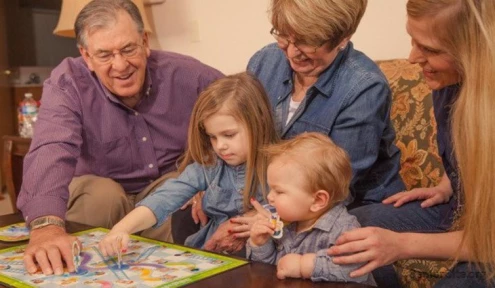
Games like dominoes, UNO, and bingo encourage strategic thinking without causing frustration. Choose games appropriate to the person’s current ability level to maintain engagement and enjoyment. These activities provide social interaction while exercising cognitive skills in a relaxed, fun environment.
Bottom Line
Caring for someone with dementia presents daily challenges, but the activities outlined in this guide offer practical ways to create meaningful connections. Focusing on what your loved one can still do, rather than what they cannot, helps maintain their dignity and your relationship quality.
Many of these activities serve multiple purposes at once. A simple nature walk provides physical exercise, sensory stimulation, and social connection. Cooking together combines cognitive engagement, sensory experiences, and household participation into one meaningful experience.
Flexibility remains essential when planning activities for dementia patients. Some days may call for quiet sensory engagement, while others might be perfect for gentle physical activity or reminiscing about family memories. Approach each activity with patience, and remember that participation matters more than perfect completion.
The dementia caregiving journey contains difficult moments alongside opportunities for genuine connection. When you engage with loved ones through these thoughtful activities, you create meaningful experiences that benefit both of you. These shared moments often become treasured memories that sustain families through caregiving challenges.
Your presence and interaction quality matter most, regardless of which activities you choose. Your loved one will benefit from the stimulation, dignity, and connection these activities provide, even as cognitive abilities change over time. While dementia changes many aspects of life, the capacity for joy, creativity, and human connection endures.
Key Takeaways
These expert-approved activities help dementia patients maintain dignity, stimulate cognitive function, and create meaningful connections throughout their care journey.
• Focus on abilities, not limitations – Choose activities matching current skills to maintain self-esteem and reduce frustration • Engage multiple senses simultaneously – Activities like gardening, cooking, and music therapy stimulate brain function through touch, smell, and sound • Prioritize quality time over perfect outcomes – Your presence and patience matter more than completing activities flawlessly • Maintain familiar routines and household tasks – Simple chores like folding laundry provide structure, purpose, and normalcy • Use reminiscence as powerful therapy – Photos, music, and memory boxes trigger long-term memories that often remain intact
The key to successful dementia care lies in adapting activities to the person’s current abilities while preserving their dignity and creating opportunities for joy. Whether through creative arts, gentle exercise, or simple household tasks, these activities provide cognitive stimulation and emotional connection that significantly improve quality of life for both patients and caregivers.
FAQs
Q1. What are some engaging activities for people with dementia? There are many enjoyable activities for dementia patients, including creative pursuits like painting and coloring, sensory experiences such as aromatherapy and hand massages, physical activities like gentle walks or chair exercises, and cognitive games like puzzles or trivia. The key is to choose activities that match the person’s current abilities and interests.
Q2. How can I help a dementia patient maintain their cognitive abilities? Engaging in regular cognitive and memory-boosting activities can help maintain brain function. These can include doing word searches, listening to audiobooks, playing memory games, sorting objects, or discussing past events and favorite memories. It’s important to keep activities challenging but not frustrating.
Q3. Are there any household tasks that dementia patients can safely participate in? Yes, many household tasks can provide a sense of purpose and normalcy for dementia patients. Simple activities like folding laundry, setting the table, or assisting with basic cooking tasks can be both engaging and safe when properly supervised. These activities help maintain a connection to daily life and can boost self-esteem.
Q4. How important is social interaction for someone with dementia? Social interaction is crucial for the well-being of dementia patients. Activities like hosting tea parties, attending community events, or playing group games can help combat isolation and provide meaningful connections. Even simple conversations while looking at photo albums can be highly beneficial for emotional health.
Q5. What role does reminiscence play in dementia care? Reminiscence is a powerful tool in dementia care. Activities that encourage sharing memories, such as creating a family tree or discussing past events, can help stimulate long-term memory. This type of therapy is widely recommended and can improve mood, cognitive function, and overall quality of life for individuals with dementia.