
Home Modifications for Aging in Place: A Senior's Guide to Affordable Solutions
Home modifications for aging in place have become essential as 77% of Americans over age 50 prefer staying in their own homes rather than relocating. Multiple studies confirm that approximately 9 out of 10 seniors want to remain in their current residences for as long as possible.

Ask most Americans over 50 where they want to grow old, and the answer is simple: right where they are. Close to 9 in 10 older adults want to stay in their current home for as long as they can. The catch is that only about 10% of homes nationwide are actually set up to make that possible.
You don't need expensive overhauls. Many older adults can make specific changes for better mobility and safety without moving to assisted living. According to the National Association of Home Builders, the most common updates include grab bars, curbless showers, and raised toilets.
The changes that make the biggest difference tend to be room-by-room fixes, a few pieces of smart technology that lighten daily tasks, and the funding options that help cover the cost.
Essential home modifications for safety and mobility
Aging in place safely starts with making your home easier to get around. A few simple changes cut the risk of falls and help you hold onto your independence.
Grab bars and handrails
Falls are the leading cause of injury for people over 65. One in three home injuries happen in the bathroom. Grab bars near toilets and in showers provide essential support for balance. Seniors who use grab bars report regaining their balance faster during daily tasks.
Install grab bars into wall studs, not just drywall. Place horizontal bars alongside toilets and on shower back walls. Vertical bars work best for shower entries. Handrails throughout hallways provide continuous support, since most falls on flat surfaces happen outside the bathroom.
Ramps and stair lifts
Stairs are a major fall hazard. A well-designed ramp removes the need to use steps, which is essential for wheelchair users and helpful for anyone with mobility limitations. The Americans with Disabilities Act recommends a maximum slope of 1 inch of rise for every 12 inches of length.
Stair lifts provide motorized chair transportation between floors. While a significant investment compared to ramps, they cost less than assisted living, which averages $70,800 per year.
Non-slip flooring and beveled transitions
More than 80% of fall-related injuries among seniors occur at home, many on slippery surfaces. Rubber flooring offers excellent slip resistance even when wet and cushions falls. Cork flooring also provides traction and absorbs shock.
Replace area rugs with non-slip versions or secure them with double-sided tape. Between rooms, install beveled transitions instead of abrupt thresholds to minimize tripping hazards.
Widened doorways and lowered thresholds
Standard interior doorways are typically 28 inches wide, but wheelchairs generally require at least 32 inches. Offset hinges can add 1.5 to 2 inches of width without major construction.
For thresholds taller than 3/4 inch, add beveled threshold ramps to smooth out the transition. Small fixes like these make it easier to move through the house and take away a common tripping point.
Room-by-room senior home modifications
Every room comes with its own challenges. The changes below go past basic safety to make daily life easier and more comfortable, one space at a time.
Bathroom: Walk-in showers, raised toilets, and shower seats
Bathrooms are where seniors fall most often. A curbless walk-in shower eliminates the dangerous step over a tub edge, with prefab models starting around $2,000. These showers typically include non-slip flooring, grab bars, and space for mobility aids. A shower seat or bench allows for seated bathing, which reduces fall risks and conserves energy.
Raised toilet seats add 2 to 4 inches of height to reduce joint strain when sitting or standing. Options include bolt-on seats (most secure), clamp-on models (easily removable), or comfort-height toilets at 17 to 18 inches from floor to seat.
Kitchen: Lowered counters, pull-out shelves, and easy-grip handles
Standard kitchen counters at 36 inches high can be difficult for seniors, especially wheelchair users. Work surfaces between 28 and 34 inches high are more accessible. Multi-level countertops can accommodate both standing and seated use.
Pull-out shelves improve cabinet access, making items from the back easy to reach without bending or stretching. They can increase usable storage by up to 50%. Replacing traditional knobs with easy-grip handles or lever-style pulls helps those with arthritis or limited hand strength.
Bedroom: Bed rails and motion-sensor lighting
Bed rails serve two purposes: preventing falls during sleep and providing support when getting in or out of bed. Options include standard rails secured under the mattress, portable rails with floor supports for greater stability, and foldable models for occasional use.
Motion-sensor lights turn on automatically, so you don't need to fumble for switches. This is especially helpful for nighttime bathroom trips. Place them under beds, in hallways, and in bathrooms to light pathways throughout the home.
Keep the living room safe by removing clutter and tripping hazards. Clear pathways of at least 36 inches wide, and remove area rugs or secure them with non-slip backing. Arrange furniture so it is easy to move around and use. Good lighting makes navigation safer.
Decluttering is free and makes a real difference. It removes tripping hazards and creates space for mobility aids. Rearrange furniture to maintain clear pathways, and keep frequently used items accessible.
Smart home upgrades for aging in place
Smart devices pick up where physical changes leave off, taking the friction out of daily tasks and adding a layer of safety. They give peace of mind to both older adults and the family members who worry about them.
Voice-activated lighting and thermostats
Smart lighting lets seniors control lights throughout their home using voice commands, eliminating the need to navigate in darkness or struggle with wall switches. You can program lights to follow schedules, automatically illuminating pathways at sunset or during nighttime bathroom visits.
Smart thermostats offer convenience and cost savings. They automatically adjust temperature based on occupancy patterns, potentially lowering utility bills while maintaining comfort. Many utilities offer free or discounted smart thermostats through energy-saving programs. For seniors with mobility challenges, voice-controlled temperature management eliminates repeatedly adjusting manual thermostats.
Smart door locks and video doorbells
Smart locks provide keyless entry using keypads, fingerprint recognition, or smartphone apps. This is helpful for seniors with arthritis or reduced dexterity who struggle with traditional keys. These systems also let caregivers access the home remotely and can be set up with unique entry codes for different visitors.
Video doorbells let seniors see and speak with visitors without going to the door, which is especially helpful for those with limited mobility. About 22% of U.S. homes now use them. Most models include basic features free, though cloud storage for recorded videos typically costs between $4.99 and $20.99 monthly.
Modern medical alert systems go beyond panic buttons to include automatic fall detection. Sensors recognize a sudden fall and alert emergency services or contacts, even if the person is unconscious. Given that 1 in 4 Americans over 65 falls each year and falls are the leading cause of both fatal and nonfatal injuries, this technology offers important protection. When choosing a system, look for reliable fall detection.
Fall detection has moved past simple button-press devices. Current systems can automatically detect falls using accelerometers and specialized algorithms, immediately alerting emergency services even if the user is unconscious. While these devices don't catch every fall, they greatly improve safety for seniors living independently. Top-rated systems respond in as little as 22 to 29 seconds.
Remote-controlled appliances and security systems
Smart home hubs centralize control of multiple devices through single interfaces. Seniors can manage lighting, thermostats, security systems, and appliances from smartphones or tablets. Some systems offer customizable routines that automate daily tasks based on time or activity patterns.
Smart security systems with cameras and motion sensors provide 24/7 monitoring and alert residents to potential security concerns. These systems help seniors stay independent while reassuring family members.
Affordable aging in place solutions and funding options
Paying for these changes can be a stretch on a fixed income. The good news is there's real help out there, from several programs built to shoulder part of the cost.
Medicare and Medicaid benefits
Original Medicare typically doesn't cover home modifications, though some Medicare Advantage plans include benefits for walk-in showers or medical alert systems. Medicaid offers more extensive coverage. For low-income seniors, Medicaid provides services beyond Medicare's scope.
Many states offer Medicaid waiver programs called Home and Community-Based Services (HCBS) that fund assisted living and related costs. These waivers can cover grab bars, grooming assistance, medication management, and transportation. About 1 in 5 assisted living residents depends on Medicaid.
Veteran assistance programs
Veterans can receive funding for home modifications through several programs. The Specially Adapted Housing grant provides up to $121,812 for FY 2025 for qualifying service-connected disabilities. The Special Home Adaptation grant offers up to $24,405.
The Temporary Residence Adaptation grant helps veterans modify family members' homes where they temporarily reside, offering up to $49,062 for eligible veterans. The Home Improvements/Structural Alterations benefit provides up to $6,800 lifetime for service-connected disabilities or $2,000 for non-service-connected conditions.
Tax deductions and credits
Home modifications may qualify as tax-deductible medical expenses if they're medically necessary and don't increase property value. Fully deductible modifications include entrance ramps, widened doorways, bathroom support bars, and stairway modifications. For improvements that increase home value, you can deduct the cost minus the value increase. Medical expenses must exceed 7.5% of your adjusted gross income to qualify.
Non-profit and local government grants
Habitat for Humanity's Aging in Place program helps older adults through critical home repairs and modifications. Rebuilding Together has completed over 13,000 rebuild projects for veterans since 2010, offering no-cost preventive modifications. The Older Adult Home Modification Program provides $30 million in HUD grants for low-income seniors, with individual grants ranging from $1 to $2 million.
DIY vs. professional installation cost comparison
While DIY approaches may reduce upfront costs, professional installation ensures safety and compliance with building codes. Modifications typically cost far less than assisted living facilities, which average around $70,800 annually.
Bottom line
The right home modifications let older adults stay independent in a place that already feels like home. And as we've seen, safety doesn't have to mean a gut renovation.
Start in the bathroom, where the fall risk runs highest. Grab bars and a walk-in shower make daily routines a lot safer. Kitchen and bedroom updates add everyday convenience, and clearing clutter from your walkways costs nothing while cutting a real source of falls.
Smart technology works hand in hand with the physical changes to build a home that supports you. Voice-activated systems take switches out of the equation, and medical alert devices add a safety net for living on your own. Put together, they help you stay comfortable at home.
Financial help can bring the cost within reach. Veterans can tap grants of up to $121,812, Medicaid waiver programs assist those who qualify, and tax deductions may apply when a change counts as medically necessary.
Home modifications usually cost far less than assisted living, which runs about $70,800 a year. They keep you comfortable in your own home and protect the independence most older adults aren't ready to give up.
Go one step at a time. Tackle the high-priority safety updates first, then add convenience features as you go. Each change lets your home bend to fit your needs, so you hold onto both your independence and your quality of life.
Key takeaways
Making your home senior-friendly doesn't call for a costly overhaul. A handful of smart changes sharpen safety and independence for a fraction of what assisted living costs.
Put the bathroom first. Grab bars, a walk-in shower, and a raised toilet seat matter most here, since this is where the majority of home injuries happen.
Look into funding. Veterans may qualify for up to $121,812 in grants, and Medicaid waiver programs and tax deductions can chip away at the rest.
Start with the simple, high-impact stuff: clear the clutter, add motion-sensor lighting, and secure or ditch loose rugs. These near-free fixes head off most falls.
Pair smart technology with physical changes. Voice-activated systems and medical alert devices do more for independence together than either does alone.
Work room by room. Making changes gradually lets you handle the most pressing needs first and spread the cost over time.
Aging in place buys you continued independence, familiar surroundings, and real savings next to a nursing home, which averages about $116,800 a year. Every change, from a single grab bar to a full smart-home setup, helps your home keep supporting you as you get older.
FAQs
Q1. What are some essential home modifications for senior safety? Essential modifications include installing grab bars in bathrooms, adding non-slip flooring, widening doorways, and improving lighting. These changes significantly reduce fall risks and enhance mobility for seniors aging in place.
Q2. How can smart home technology benefit seniors? Smart home technology assists seniors by providing voice-activated lighting and thermostats, smart door locks, video doorbells, and medical alert systems with fall detection. These devices enhance safety, convenience, and independence for older adults living at home.
Q3. Are there affordable options for aging in place modifications? Yes. Simple changes like decluttering, securing rugs, and adding motion-sensor lighting cost little to nothing. Various funding options such as grants, tax deductions, and veteran assistance programs can help offset costs of more extensive modifications.
Q4. What room in the house should be prioritized for senior-friendly modifications? The bathroom is most important because it has the highest fall risk. Changes include installing grab bars, walk-in showers, raised toilets, and non-slip flooring, making daily routines safer.
Q5. How do the costs of home modifications compare to assisted living? Home modifications are generally much more cost-effective than assisted living. While modification costs vary, they are typically a one-time expense. Assisted living facilities average $70,800 per year, making aging in place a more economical long-term solution for many seniors.
Get matched
Looking for senior care for someone you love?
Tell us what you're considering. We'll share independent matches and pricing directly with you. No phone calls until you ask for one.
- Takes about two minutes to complete.
- Pricing details emailed to you. No phone calls until you ask for one.
- Independent matching. We do not own the communities we list.
Loading the matching form…
Powered by SilverAssist. By submitting this form you agree to our privacy policy.
More from our editors
All articles
Senior Monitoring Systems: A Complete Guide to Keeping an Aging Parent Safe at Home
Senior monitoring systems range from one-button medical alerts to passive motion sensors, cameras, GPS trackers, and caregiver apps. Here is how the main types compare on what they do, what they cost, what Medicare covers, and how to choose the right one without crossing privacy lines.
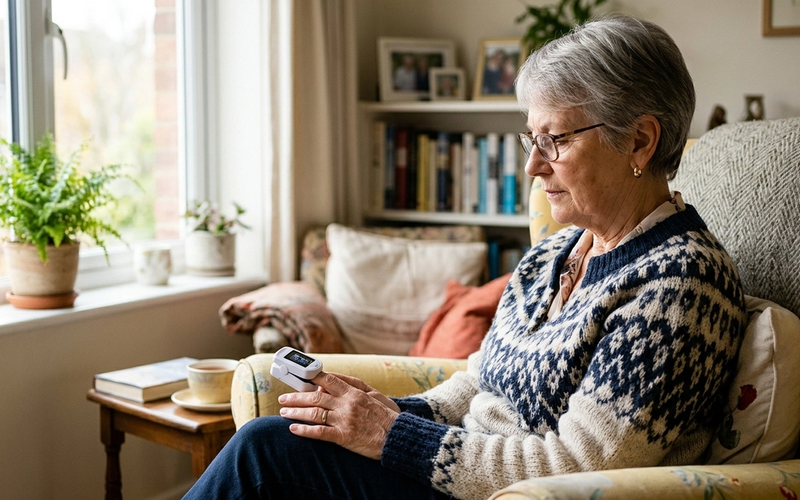
Normal Blood Oxygen Levels by Age for Seniors: What SpO2 Should Be
A normal blood oxygen level for seniors is 95 to 100 percent, the same as for any healthy adult, and it does not drop by the decade the way some charts claim. Here is what your pulse oximeter number means, when a low reading is an emergency, and why the device can read falsely high.

Cholesterol Levels by Age Chart for Seniors: What's Normal After 60
A desirable total cholesterol is under 200, with LDL under 100 and HDL over 60, and those targets are the same at 70 as they are at 40. Here is what your cholesterol numbers mean, how they really change with age, and when the number actually calls for treatment.
Explore senior living options
Comparing care for yourself or a family member? Browse communities by care type and see what each option typically costs.
- Assisted livingHelp with daily activities, costs, and how to choose a community.
- Independent livingMaintenance-free communities for active older adults.
- Home careIn-home support for seniors aging in place.
- Nursing homesSkilled nursing care and Medicare star ratings.
- Senior apartmentsAge-restricted, budget-friendly rental housing.
- Cost of senior livingCompare typical monthly prices by care type and state.