Less than one-third of Americans aged 65 and older meet recommended exercise guidelines. The statistics paint a concerning picture: 60 to 75% of adults over 65 have one or more chronic diseases, while mobility limitations affect nearly 35% of individuals over 70. Finding ways to stay active becomes more challenging as you or your loved one ages, yet regular exercise remains essential for maintaining health and independence.
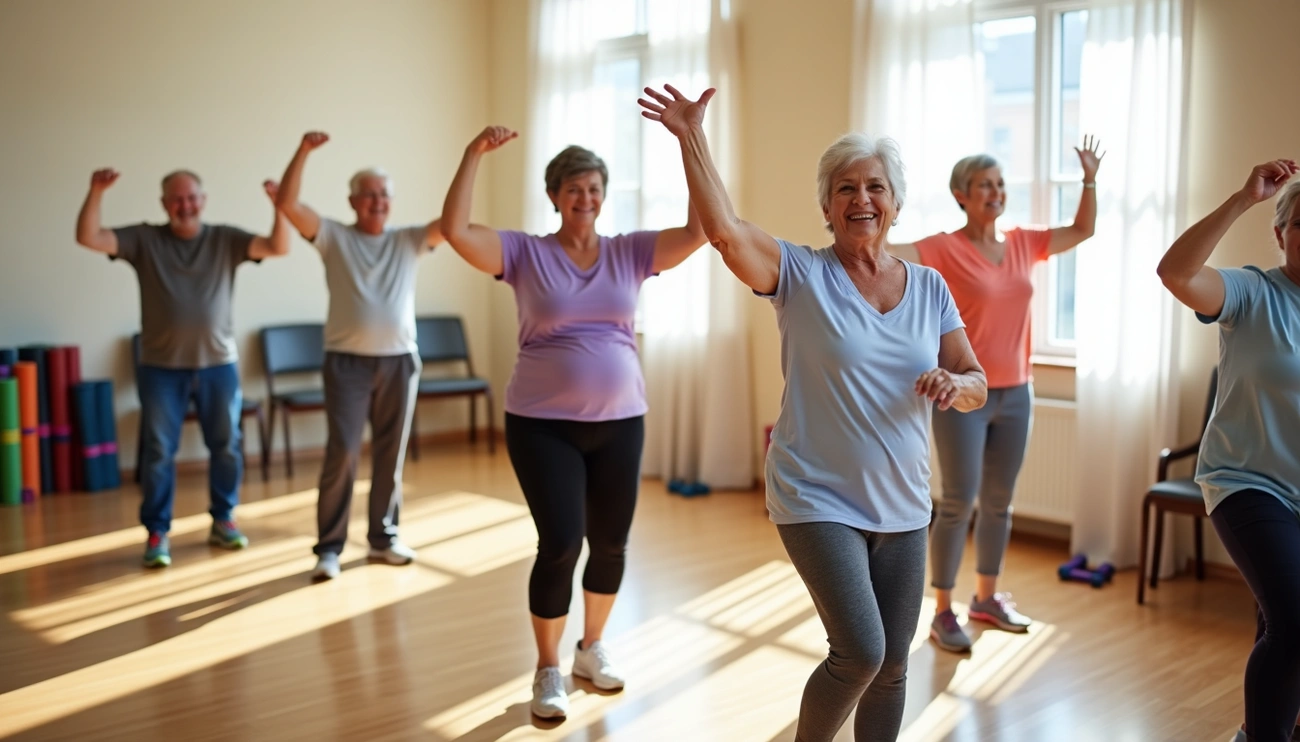
Community-based senior exercise programs provide accessible options that address these challenges. Fitness classes for seniors offer structured activities designed specifically for older adults, with trained instructors who understand the unique needs of this age group. These programs take place in familiar community settings like senior centers, YMCAs, and community centers where older adults already feel comfortable.
This guide examines how elderly exercise classes work, the physical health benefits you can expect from exercise programs for seniors, and the mental and emotional advantages these programs provide. You’ll also discover how senior group fitness classes create social connections that help combat isolation and loneliness.
What Are Community-Based Fitness Classes for Seniors
Community-based fitness classes for seniors operate in accessible locations where older adults already gather. YMCAs across the country host senior exercise class options that include everything from yoga and chair aerobics to aquatic programs. Senior centers provide another popular venue, with facilities like the Boone County Senior Center and Skees Senior Activity Center offering fitness classes alongside social activities such as bingo and educational workshops. Parks and outdoor spaces serve as gathering points for walking groups, while online platforms extend access to those who live far from physical locations or prefer exercising from home.
Group Exercise Settings in Local Communities
These elderly exercise classes meet in spaces designed to welcome older adults. Community centers like the Culver City Community Center host programs such as Forever Fit, which brings participants together three times weekly. The settings vary from traditional gym spaces at fitness centers to dedicated senior activity centers managed by organizations like the YMCA. SilverSneakers programs operate at various fitness centers, giving members access to multiple locations within their network. Some exercise programs for seniors even take place in assisted living communities, where certified trainers work directly with activity directors to accommodate residents at different ability levels.
Key Features of Senior Exercise Class Programs
Instructor-led sessions form the backbone of these elderly fitness programs. Certified trainers with expertise in senior fitness guide participants through exercises that focus on balance, flexibility, strength, and endurance. Programs like EnhanceFitness offer one-hour classes that combine aerobic activity, strength training, stretching, and balance exercises, with instructors setting a pace appropriate for participants. About 60 percent of EnhanceFitness participants are 70 years or older, and more than 20 percent are 80 years or older.
Class options include the following:
- Chair yoga and tai chi: Low-impact movements that improve flexibility and balance
- Indoor cycling: Cardiovascular exercise adapted for senior fitness levels
- Resistance band workouts: Strength training using lightweight, portable equipment
- Pickleball: Social sport that combines elements of tennis and badminton
- Water-based activities: Aquatic programs that reduce joint stress while building strength
Many programs meet multiple times per week, with some requiring twice-weekly attendance and others offering daily options.
Who Can Participate in These Programs
Senior group fitness classes welcome adults aged 65 and older, though some programs accept participants starting at age 50 or 60. These classes accommodate all fitness levels and abilities. Trainers work with seniors who use wheelchairs or walkers, ensuring each person participates to the best of their ability. Programs serve individuals managing chronic conditions, with specialized options like arthritis foundation aquatic programs addressing specific health needs.
Physical Health Benefits of Senior Group Fitness Classes
Fitness classes for seniors provide measurable health improvements that address the physical challenges aging brings. Research shows these exercise programs target specific areas where older adults experience the most difficulty.
Improved Mobility and Balance
About 30% of adults over age 70 have trouble walking, getting up from chairs, or climbing stairs. Balance training addresses this concern by strengthening the neural pathways that control stability. When you participate in senior exercise classes that include balance work, your body learns to respond faster to unexpected movements or obstacles.
These exercises strengthen your core, leg, and stabilizing muscles, making daily activities less tiring. The result is a reduced risk of falls and the injuries that often accompany them.
Strength Building and Muscle Maintenance
Your muscle mass naturally declines at a rate of 3% to 5% per decade after age 30. Most people lose about 30% of their muscle mass during their lifetimes. This age-related loss, called sarcopenia, creates serious health risks. People with sarcopenia face 2.3 times the risk of low-trauma fractures from falls.
Exercise programs for seniors that include resistance training can reverse this decline. Studies of men ages 50 to 83 who participated in progressive resistance training showed an average 2.4-pound increase in lean body mass. This improvement helps you maintain independence in daily activities.
Better Cardiovascular Health
Regular cardiovascular exercise strengthens your heart muscle and promotes healthy blood pressure and cholesterol levels. The most effective approach involves moderate aerobic activity performed at an intensity that allows you to carry on a conversation while exercising.
For adults aged 60 to 80, an 80-20 split between moderate aerobic activity and resistance exercise provides optimal results.
Enhanced Bone Density and Joint Health
More than half of adults 50 or older face risk of fractures due to osteoporosis or low bone density. Weight-bearing exercises stimulate your bones to produce additional tissue, building stronger bones over time.
These elderly fitness programs also improve joint health by increasing blood flow and lubrication to your joints. This reduces stiffness and helps manage arthritis symptoms.
How Elderly Exercise Classes Support Mental and Emotional Wellbeing
Fitness classes for seniors provide significant mental and emotional benefits that extend far beyond physical improvements. Over 20% of individuals aged 60 and older experience mental and neurological disorders, accounting for 6.6% of total disability within this age group. Senior exercise programs address these challenges through several pathways that can improve your daily life.
Cognitive Function and Memory Improvement
Regular physical activity sharpens mental performance when older adults complete at least 52 hours of exercise. You can expect improvements in several key areas:
- Processing Speed: Faster thinking and quicker responses to mental tasks
- Attention: Better focus during conversations and activities
- Executive Function: Improved planning and decision-making abilities
Research shows that higher levels of aerobic exercise increase hippocampal volume in older individuals, suggesting physical activity may lower dementia risk. Exercise training participation by just 5% over five years reduces the percentage of patients with dementia by 11%. The most effective approach involves one hour of activity, three times per week, for 60 hours distributed over 25 weeks.
Reduced Depression and Anxiety
Exercise releases endorphins and serotonin, natural chemicals that improve mood and reduce depression symptoms. Studies show that replacing 30 minutes of sitting with moderate to high-intensity physical activity lowers depressive symptom scores by 0.59 points. Physically active men demonstrate a 68% lower risk of depressive symptoms compared to inactive groups.
Regular participation in fitness classes also builds self-confidence as you achieve small goals and master new movements. The social interaction provides stress-free engagement with others who share similar experiences.
Better Sleep Quality
Physical exercise programs improve sleep quality and efficiency when measured with objective instruments. Exercise helps regulate sleep patterns and reduces the time it takes to fall asleep while decreasing reliance on sleep medication in older adults.
More than 50% of older adults experience sleep disturbances, making structured exercise programs a practical intervention. Poor sleep quality connects closely to mental health problems, creating a cycle that regular exercise can help break.
Stress Management Through Physical Activity
Exercise helps your body’s systems practice working together when dealing with stressful situations. Physical activity can lower resting heart rate and blood pressure while improving immune function.
Mind-body exercises like yoga and qigong practiced between one and three months effectively reduce stress among healthy adults. Sessions lasting twenty to sixty minutes produce the most effective results for stress management. Many senior fitness programs incorporate these gentler exercise forms alongside more traditional activities.
Social Connection and Community Building in Exercise Programs for Seniors
Social connections formed through senior group fitness classes offer benefits that match the physical and mental improvements these programs provide. For many older adults, class sessions represent their only face-to-face interaction during the day.
Meeting New People and Building Friendships
Shared experiences during exercise create natural bonds between participants. Working through the same workout, celebrating small victories together, and sometimes struggling with sore muscles the next day builds trust and friendship. Participants appreciate the social aspects, with one noting the social element helps you “communicate and forget yourself”. As months progress, attendees feel more comfortable with one another, viewing classmates as nice people and forming new friendships seen as a meaningful benefit.
Accountability and Motivation from Group Participation
Knowing others expect your presence provides the motivation needed to stay consistent. Research confirms that regular group exercise helps older adults feel socially connected and experience security in the community through caring for and supporting each other.
Reducing Isolation and Loneliness
More than a third of adults 45 and older feel lonely, and nearly a quarter of those 65 and older are socially isolated. A study tracking 382 participants found a 6.9% decrease in loneliness and a 3.3% improvement in social connectedness after six months in elderly exercise classes.
Creating a Sense of Belonging
Group dynamics create positive exercise environments where participants feel valued. This sense of connection proves particularly meaningful for those who may feel disconnected from previous roles as employees or parents.
Bottom Line
Community-based fitness classes provide seniors with structured exercise, social interaction, and professional guidance in accessible locations. You can find programs at YMCAs, senior centers, and community facilities that accommodate different fitness levels and physical abilities. These classes offer measurable benefits including improved balance, strength maintenance, better cognitive function, and reduced social isolation.
Finding the right program requires considering your current fitness level, any physical limitations, and your preferred activities. Start by contacting local senior centers or visiting YMCA locations to learn about available classes and schedules. Many programs offer trial sessions, allowing you to experience the environment before committing. Whether you choose chair yoga, water aerobics, or strength training, participating in a supportive community makes maintaining your health more achievable and enjoyable.
FAQs
Q1. Are there free fitness programs available for older adults? Many community-based options exist at no cost or low cost for seniors. YMCAs, senior centers, and community centers frequently offer affordable fitness classes specifically designed for older adults. Some programs like those at the Boone County Senior Center and Skees Senior Activity Center provide fitness classes alongside other activities. Additionally, SilverSneakers programs are available at various fitness centers for eligible members, and some assisted living communities offer classes to residents.
Q2. Does Medicare cover fitness center memberships for seniors? While standard Medicare typically doesn’t cover gym memberships, some Medicare Advantage plans include fitness benefits like SilverSneakers or similar programs that provide access to fitness centers and senior exercise classes. It’s worth checking with your specific Medicare plan to see what fitness benefits may be included in your coverage.
Q3. What types of exercises are included in senior fitness classes? Senior fitness classes typically combine multiple exercise types in one-hour sessions. Programs like EnhanceFitness include aerobic activity, strength training with resistance bands or weights, stretching exercises, and balance work. Other popular options include chair yoga, tai chi, indoor cycling, water-based activities, and pickleball. Instructors set an appropriate pace and modify exercises to accommodate different ability levels, including those using wheelchairs or walkers.
Q4. How often should seniors attend group fitness classes to see benefits? Research shows that completing at least 52 hours of physical activity improves cognitive performance in older adults. The most effective approach involves one hour of activity, three times per week, for a total of 60 hours distributed over 25 weeks. Many programs require twice-weekly attendance, though some offer daily options. For cardiovascular health, an 80-20 split between moderate aerobic activity and resistance exercise works best for adults aged 60 to 80.
Q5. Can fitness classes help reduce loneliness in older adults? Yes, group fitness classes significantly reduce social isolation and loneliness among seniors. A study tracking 382 participants found a 6.9% decrease in loneliness and a 3.3% improvement in social connectedness after six months of participation. The shared experiences during exercise create natural bonds, and for many older adults, class sessions represent their only face-to-face interaction during the day. Regular group exercise helps participants feel socially connected and experience security through caring for and supporting each other.