
How to Adopt a Senior for Christmas: A Simple Guide to Bringing Joy
Did you know that over one million children received gifts through The Salvation Army's Angel Tree program last year? While these initiatives are wonderful, another equally important program exists to adopt a senior during the holiday season.

Last year, the Salvation Army's Angel Tree program gave gifts to over one million children. The organization also runs a program to adopt a senior during the holidays.
The holidays can feel isolating for many seniors. Adopt-a-senior programs across the country delivered over 7,100 gifts last year and logged more than 1,471 volunteer hours. For older adults without close family nearby, these programs make a real difference.
Getting involved is simpler than you might expect. Finding a program near you, choosing what to give, and arranging delivery each take just a few steps.
What is an adopt-a-senior program and why it matters
Adopt-a-senior programs exist across the country in different forms, but they all work toward the same goal: supporting older adults who may feel isolated or lack resources, especially around the holidays.
Some programs deliver gift packages to seniors in care facilities. Others send meals or grocery cards to those living alone. Most programs work with social workers, who create profiles for each senior to understand what they actually need and want.
These programs offer more than material gifts. Loneliness takes a real toll. Research shows it increases the risk of heart disease, dementia, stroke, depression, and anxiety. The health damage from isolation rivals smoking 15 cigarettes a day.
Programs that help seniors connect with others can reduce mortality risk by 50%. Social worker visits that come with adopt-a-senior programs also let staff check on a senior's overall health.
Some programs provide financial assistance too, which can prevent seniors from entering nursing facilities too early. In California, nursing home care costs about $6,800 a month per Medi-Cal recipient, a cost taxpayers bear.
Adopting a senior for Christmas creates a connection during a time when older adults might otherwise feel forgotten.
Step-by-step guide to adopting a senior for Christmas
The process is straightforward. Here's how to get started.
Start by finding a program in your area. Check with local senior centers, nursing homes, or community agencies. You can search online for "adopt a senior for Christmas near me." Organizations like Adopt-A-Senior and Office for Aging run annual programs.
Next, pick your senior. Most programs display tags on Christmas trees at participating locations. Each tag shows a senior's name and wish list.
Buy the requested items. Common requests are sweatpants, diabetic socks, blankets, personal care items, and entertainment like puzzle books. Aim to spend $30 to $50 per person, though any amount helps.
Wrap the gifts and write the senior's name and tag number on each one. Return them by the deadline, usually mid-December.
When it comes to delivery, ask the program whether you can hand the gifts over in person; that's your chance to meet the senior and connect. Many programs prefer to deliver gifts themselves to protect seniors' privacy.
If shopping feels like too much, gift cards to grocery stores or retailers work just as well.
Making your adopted senior's holiday special
Once you've adopted a senior, the rewarding part is personalizing their experience. For older adults who live alone or have mobility limits, the holidays can feel especially hard.
Consider adding festive touches to their space, lights, a wreath, or a small tree. Many seniors value time more than objects. Help them send holiday cards or shop for their loved ones if they can't get out.
If you can't visit in person, video calls let them open gifts with family or stay in touch.
Gifts seniors actually appreciate include:
- Personalized memory books about their life
- Audiobook subscriptions for those with vision loss
- Window bird feeders to bring wildlife closer
- Heated blankets or comfortable clothes with easy-access pockets
- Photo albums of family memories to look through together
A handwritten card means a lot to this generation. Keep the message warm and print it clearly. Skip the cursive, especially for seniors reading English as a second language.
The most special part of a senior's holiday comes from real connection, not the price tag.
Conclusion
Adopting a senior for Christmas brings joy that lasts far beyond December. It combats loneliness and gives older adults practical items and a sense of being valued. For many, it reminds them they haven't been forgotten, especially during a season when family gatherings can highlight their isolation.
The process is simple, and it makes a difference. Local organizations across the country make these connections possible, so anyone can participate regardless of budget or available time. A gift card, a wrapped present, or just spending time together all count.
Older adults have built much of what we have today. Brightening their holidays is one way to acknowledge that. And volunteers often say this work becomes the most meaningful part of their own holiday season.
Adopting a senior reflects generosity and kindness. It creates real memories for everyone involved. Making it a yearly habit spreads that joy forward.
Frequently asked questions
Get matched
Looking for senior care for someone you love?
Tell us what you're considering. We'll share independent matches and pricing directly with you. No phone calls until you ask for one.
- Takes about two minutes to complete.
- Pricing details emailed to you. No phone calls until you ask for one.
- Independent matching. We do not own the communities we list.
Loading the matching form…
Powered by SilverAssist. By submitting this form you agree to our privacy policy.
More from our editors
All articles
Senior Monitoring Systems: A Complete Guide to Keeping an Aging Parent Safe at Home
Senior monitoring systems range from one-button medical alerts to passive motion sensors, cameras, GPS trackers, and caregiver apps. Here is how the main types compare on what they do, what they cost, what Medicare covers, and how to choose the right one without crossing privacy lines.
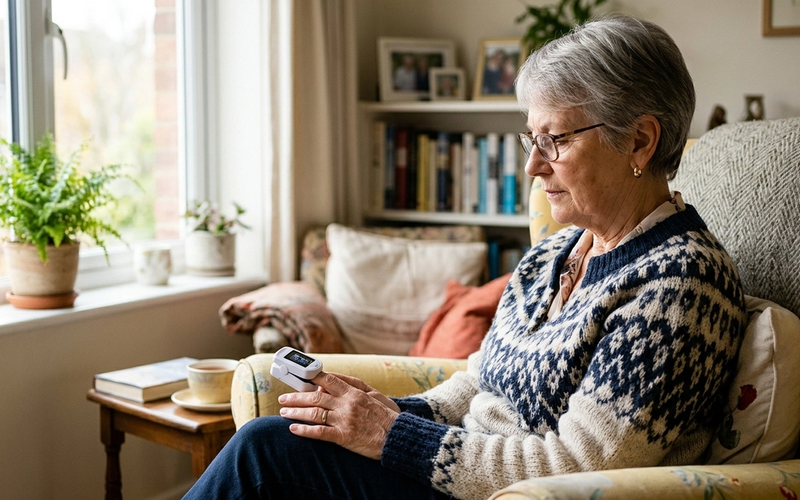
Normal Blood Oxygen Levels by Age for Seniors: What SpO2 Should Be
A normal blood oxygen level for seniors is 95 to 100 percent, the same as for any healthy adult, and it does not drop by the decade the way some charts claim. Here is what your pulse oximeter number means, when a low reading is an emergency, and why the device can read falsely high.

Cholesterol Levels by Age Chart for Seniors: What's Normal After 60
A desirable total cholesterol is under 200, with LDL under 100 and HDL over 60, and those targets are the same at 70 as they are at 40. Here is what your cholesterol numbers mean, how they really change with age, and when the number actually calls for treatment.
Explore senior living options
Comparing care for yourself or a family member? Browse communities by care type and see what each option typically costs.
- Assisted livingHelp with daily activities, costs, and how to choose a community.
- Independent livingMaintenance-free communities for active older adults.
- Home careIn-home support for seniors aging in place.
- Nursing homesSkilled nursing care and Medicare star ratings.
- Senior apartmentsAge-restricted, budget-friendly rental housing.
- Cost of senior livingCompare typical monthly prices by care type and state.