
How to Start Yoga After 60: A Gentle Guide for Complete Beginners
Balance erodes quietly with age, and yoga is one of the few practices that trains it directly while also building strength and easing stiff joints. This is a gentle starting guide for complete beginners over 60: how to set up a safe space, which breathing work and seated poses to begin with, and how to progress to standing poses without risking a fall.

One in three adults 65 and older falls each year, and balance is one of the things that erodes quietly with age.
Here's the encouraging part: a steady practice can shore up that balance, build real strength, and lift your overall sense of well-being. Research from Harvard Health Publishing links yoga to better sleep, sharper body awareness, and greater stability.
You don't need to be flexible or athletic to start. Gentle yoga adapts to any fitness level. Even 12 minutes a day of simple poses can help maintain bone density, which matters as we age.
A few basics make the difference between a practice that helps and one that hurts: setting up your space safely, choosing which poses to try first, and knowing when to progress to standing work.
Start with the right mindset
Coming to yoga for the first time in your 60s or beyond, your mindset matters more than almost anything. A little mental preparation sets up a practice that works with your body instead of straining it.
Why age is not a barrier to yoga
You may have grown up thinking yoga belongs to the young and bendy. The research says otherwise. Study after study points to clear gains for older adults, and international exercise guidelines now recommend it for healthy aging, citing steadier balance and better walking.
Recent research shows yoga benefits cellular aging, mobility, balance, mental health, and helps prevent cognitive decline, all areas where seniors benefit. Multiple meta-analyses support that yoga improves physical capability, cognition, and overall well-being.
You would not be alone in trying it, either. In the 2022 National Health Interview Survey, 8% of adults 65 and older had practiced yoga in the past 12 months, and the evidence behind the benefits has only grown stronger, with results that hold up against other forms of exercise.
Yoga adapts to your needs
Yoga is highly adaptable. Regardless of your current fitness level, there's always a modification that works for your body. One yoga instructor said, "I know many people who have started a practice after 50, even into their 90s, and enjoyed more ease in all aspects of their lives. It's never too late to begin."
Letting go of perfection and comparison
When you start yoga, avoid comparing yourself to others. One expert noted, "Comparing yourself to others is a slippery slope that can compromise your self-worth, self-esteem, and body image."
Many beginners feel discouraged seeing more advanced practitioners. Remember that everyone starts somewhere, and yoga is personal, not competitive.
Try these shifts in how you approach practice:
- Celebrate what's possible today. Each day offers a different body to work with; let go of expectations about what poses should look or feel like.
- Focus on breath and presence. When comparative thoughts arise, return to your breathing and stay in your own experience.
- Practice self-compassion. Approach your practice with kindness toward yourself, understanding that insecurities often come from self-judgment.
Yoga originally helped practitioners feel connected to the world and achieve deeper consciousness. This spiritual aspect remains valuable today, especially for seniors seeking deeper self-connection.
Starting yoga after 60 means moving inward and connecting with your body, not mastering complex poses. This inner focus is valuable as you get older.
Prepare your space and tools
Setting up your space matters as much as your attitude. A few minutes spent getting your area and equipment right makes the practice both safer and a lot more enjoyable.
Choosing a safe and quiet space
Privacy helps you focus, breathe, and listen to what your body needs. Find a dedicated area in your home where you won't be disturbed. This supports both physical practice and personal reflection.
Consider these safety elements:
- Choose a spot with ample room to place your mat and extend your arms without hitting anything
- Ensure good lighting so you can see your movements clearly
- Check for potential hazards that might cause trips or falls
- Position yourself near a wall or sturdy furniture for standing poses to increase stability
Without a teacher's supervision, injury risk increases. Set up your practice area so you can easily follow video instructions if you join virtual classes.
Essential gear for gentle yoga for seniors
The only truly essential equipment is a yoga mat, which prevents slips and falls (the most common yoga injuries) and cushions your joints. Traditional yoga required no props, but modern supportive tools benefit seniors especially.
When selecting a mat, consider thickness:
- Thin mats (1.5mm): Provide better stability but less cushioning
- Standard mats (3mm): Balance support and stability
- Thick mats (6mm): Provide extra cushioning for sensitive joints
Mat thickness matters more than price. A denser, thicker mat costs more but cushions sensitive joints and grips the floor better, which is worth paying for when balance is the thing you are trying to protect.
Additional props can improve comfort and accessibility:
Chair: A sturdy, armless chair with a straight back works well for chair yoga. Make sure it has no wheels, allows your feet to rest flat on the floor, and can support dynamic movements.
Support props: Blocks, straps, or cushions make poses more accessible. A firmly rolled towel can substitute for a yoga bolster.
Comfort accessories: Knee pads made from 15mm thick high-density foam offer excellent joint protection. Non-slip gloves or socks help with stability.
Your equipment should adapt to your needs. Modify poses to accommodate any physical limitations or mobility issues.
Begin with breath and body awareness
Before trying complex poses, breathing exercises and gentle stretches form the foundation. These initial practices offer benefits on their own and prepare your body for more advanced movements.
Simple breathing exercises to calm the mind
Controlled breathing activates your body's relaxation response, slowing heart rate, lowering blood pressure, and calming the nervous system. This promotes calmness and mental clarity, especially valuable for seniors.
Start with these basic practices:
- Diaphragmatic Breathing: Sit comfortably with your back straight. Place one hand on your belly and the other on your lower ribcage. Breathe deeply through your nose, allowing your belly to expand first (notice your hand rising), then your ribcage. Exhale slowly and fully. Practice for 3-5 minutes daily, gradually building to 10 minutes.
- Coherent Breathing: Count to 2 as you inhale, pause briefly, then exhale to the count of 2. As you progress, extend this count to 3, 4, or even 5. This regulated pattern reduces stress and calms your mind, even when anxious.
- Three-Part Breath: Lying down comfortably, inhale deeply in three stages, fill your belly, then ribcage, then upper chest. Exhale in reverse order: empty your upper chest, ribcage, then belly. Practice for 10 breaths, keeping your mind clear and linked to the breath.
Gentle seated stretches to awaken the body
Once breathing has calmed your mind, seated stretches gently activate your body. Chair yoga is a good starting point.
Seated Mountain Pose: Sit tall with feet flat on the floor, hands resting on your thighs. This foundational pose establishes proper alignment and body awareness. From here, try these movements:
Seated Sun Breath: Inhale as you raise your arms above your head, bringing palms together if comfortable. Exhale as you lower your hands to heart center. This simple movement coordinates breath with motion, a key yoga principle for mindfulness.
Seated Cat-Cow: Place hands on your knees. Inhale and gently arch your spine, pushing your chest forward and looking slightly upward. Exhale and round your spine, looking toward your navel. Repeat several times, moving with your breath. This gentle movement enhances spinal flexibility and body awareness.
Neck Stretch: With shoulders relaxed, gently tilt your right ear toward your right shoulder. Hold for several breaths, feeling the stretch along the left side of your neck. Repeat on the opposite side. This releases tension commonly held in the neck and shoulders.
These first practices are your introduction to gentle yoga. They build the breath awareness and body connection that keep you safe once you start moving more. Get comfortable with them before you stand up, and you'll feel steadier and far less likely to hurt yourself.
Try chair yoga before standing poses
Chair yoga is a good transition from seated breathing exercises to full standing poses. This approach builds strength and confidence gradually while maintaining stability.
3 beginner chair yoga poses to build confidence
For beginners, practicing with a chair provides support and stability. Start with these three poses:
Seated Mountain Pose: Sit tall at the edge of your chair with feet flat on the floor, hip-width apart. Straighten your spine, relax your shoulders away from your ears, and place hands on your thighs. This pose helps align your body and can be practiced daily to improve posture.
Seated Cat-Cow: Sit upright with feet on the floor and hands on your knees. As you inhale, lift your chest and move your shoulders back, looking slightly upward (cow). Then exhale while rounding your back, bringing your chin toward your body (cat). Repeat 5-8 times, flowing with your breath. This improves spinal flexibility.
Seated Pigeon Pose: From a tall seated position, place your right ankle onto your left thigh, keeping the right knee and ankle aligned. Hold for several breaths. For a deeper stretch, gently bend forward from the hips. This effectively releases tension in the hips, a common problem area.
Chair yoga offers similar benefits to traditional yoga with added support for muscles and joints. The chair brings the floor closer to you, making poses more accessible.
When to move from chair to standing yoga
You can generally move on once you complete a 45-minute chair yoga session twice weekly without discomfort. Some people feel ready after a few weeks while others need several months. Make sure you can complete these steps before progressing:
- You can perform chair poses with proper form and stable breathing
- Your balance has noticeably improved in everyday activities
- You can stand comfortably for several minutes
- Your healthcare provider approves more challenging exercise
Use the chair as support for standing poses initially. Position it beside you to hold with one hand while performing gentle standing poses. Many seniors begin with partial weight-bearing poses like Mountain Pose or gentle Forward Fold using the chair for balance.
As confidence grows, progress to more challenging standing poses with chair support, such as Triangle Pose or Warrior I. Always listen to your body. If you experience pain, dizziness, or shortness of breath, return to seated practice.
Progress to standing poses safely
Standing poses are the heart of most yoga, and if you're new to it, it's worth easing in. Balance work tends to get skipped, which is a shame, because it does more to cut your fall risk than almost anything else. Stick with it and these poses sharpen your reflexes, steady you, and help you feel more at home in your body.
2 easy standing yoga poses for balance
Mountain Pose (Tadasana): This foundational pose improves posture and balance while strengthening your feet, ankles, and legs.
- Stand with feet hip-width apart, weight evenly distributed across both feet
- Roll your shoulders up, back, and down while lifting your chest
- Relax your arms by your sides with palms facing outward
- Find your balance point and maintain steady breathing
If you struggle initially, practice near a wall for support. As your confidence grows, gradually move away from the wall.
Tree Pose (Vrikshasana): This gentle balancing pose strengthens core, hip, and leg muscles.
- Begin in Mountain Pose
- Shift weight onto your left foot
- Place your right foot against your left ankle (beginners) or inner thigh (advanced)
- Bring hands together at chest or raise above head if balance permits
- Focus on a fixed point to maintain stability
Make this pose easier by keeping one hand on a chair or wall for support. Practice on both sides to develop balanced strength.
Tips to avoid falls and joint strain
Balance training must be thoughtful, primarily to prevent injuries. Start with these principles:
- Use proper support: Begin near a chair, wall, or solid surface until you gain confidence. This creates a safety net as you develop new skills.
- Engage your muscles: Activate your thigh muscles without locking your knees. This helps you maintain balance and develop strength.
- Progress gradually: Follow the natural progression from chair yoga to standing poses with support, then independent standing. Well-designed exercise programs reduce falls by approximately 25% among older adults.
- Wobbling is normal: Occasional wobbling actually helps develop your balance systems. Each wobble strengthens your body's ability to correct itself.
- Listen to your body: If you experience dizziness or discomfort, return immediately to a seated position. Safety always comes first.
Balance improves with continued practice. Over time, standing poses will strengthen your core, improve stability, and build confidence in daily activities.
Conclusion
The takeaway is simple. Starting yoga in your 60s gives back to both body and mind, often in ways you'll notice within a few weeks.
It starts with the right mindset: accepting where you are today and letting go of comparisons. Proper preparation of your space and equipment also ensures safe practice.
Your journey progresses from breathing exercises to chair poses, then to standing poses. Each small step builds on the last, improving balance and flexibility and contributing to overall well-being.
Start slowly, listen to your body, and celebrate small victories. The physical and mental benefits of yoga can enhance your daily life, helping you stay active and independent as you age.
Yoga adapts to meet you exactly where you are. Whether you practice in a chair or stand in Mountain Pose, you can find opportunities for growth and learning.
FAQs
Q: Is it safe to start yoga after 60?
A: Yes. Yoga adapts to any fitness level and offers benefits for seniors, including improved balance, strength, and flexibility. Consult your healthcare provider before beginning any new exercise routine.
Q: What equipment do I need to start yoga as a senior?
A: You need a yoga mat for cushioning and stability. Helpful additions include a sturdy chair for support, yoga blocks, and straps to assist with poses. Wear comfortable, breathable clothing.
Q: How often should seniors practice yoga?
A: Aim for 2-3 sessions per week. Start with 15-20 minute sessions and gradually increase as your strength and flexibility improve. Rest when needed and listen to your body.
Q: Can I do yoga if I have balance issues?
A: Yoga can help improve balance. Start with chair yoga or use a wall for support during standing poses. Progress gradually as your balance improves. Always prioritize safety and move at your own pace.
Q: Which yoga poses are best for beginners?
A: Seated Mountain Pose, Chair Cat-Cow, Seated Pigeon Pose, and standing Mountain Pose help improve posture, flexibility, and balance while being gentle on joints. Breathe deeply and move slowly through each pose.
Sources
Primary sources for the figures and guidance on this page:
National Center for Complementary and Integrative Health (NIH), Yoga: What You Need to Know - Supports the statements that yoga can improve balance in community-dwelling older adults, help with sleep, and support overall wellness.
Sherrington C, et al. Exercise for preventing falls in older people living in the community. Cochrane Database of Systematic Reviews, 2019 (PubMed) - Supports the statement that at least one-third of community-dwelling people over 65 fall each year, and that exercise programs reduce the rate of falls in older adults (the review reports a 23% reduction).
Lu YH, Rosner B, Chang G, Fishman LM. Twelve-Minute Daily Yoga Regimen Reverses Osteoporotic Bone Loss. Topics in Geriatric Rehabilitation, 2016 (PMC) - Supports the statement that a 12-minute daily yoga routine can help maintain bone density; the study found bone mineral density gains in the spine and femur with no yoga-related serious injuries reported.
More from our editors
All articles
Medicare Is Ending the Program That Held Down Part D Drug-Plan Premiums. What It Means for 2027
For two years, a federal program quietly held down the premiums on stand-alone Medicare drug plans. It ends with the 2027 plan year, which is why some Part D premiums could jump more this Open Enrollment than they have recently. Here is what changed, who is affected, and how to protect your drug costs before December 7.
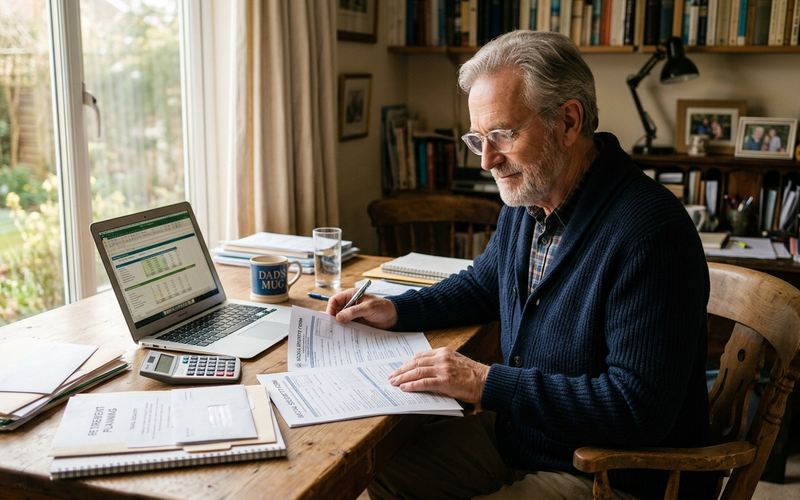
Social Security's Full Retirement Age Reaches 67 in 2027: What It Means for When You Claim
In 2027, the full retirement age for Social Security finishes its long climb to 67. People born in 1960 are the first group to reach a full retirement age of exactly 67. Here is what that changes, what it does not, and how the age you claim still moves your check by hundreds of dollars a month.

Social Security Is Phasing Out Paper Checks by the End of 2026: What to Do Now
The federal government has stopped mailing most paper checks, and Social Security wants every beneficiary on direct deposit or a Direct Express card by the end of 2026. Fewer than 1 percent of recipients still get a check in the mail. Here is who is affected, how to switch, and the narrow exceptions that let a few people keep paper.
Explore senior living options
Comparing care for yourself or a family member? Browse communities by care type and see what each option typically costs.
- Assisted livingHelp with daily activities, costs, and how to choose a community.
- Independent livingMaintenance-free communities for active older adults.
- Home careIn-home support for seniors aging in place.
- Nursing homesSkilled nursing care and Medicare star ratings.
- Senior apartmentsAge-restricted, budget-friendly rental housing.
- Cost of senior livingCompare typical monthly prices by care type and state.