Knowing what to expect during knee replacement recovery helps seniors set realistic expectations and reduces anxiety about the surgical process. Over 90% of knee replacements continue working effectively 15 years after surgery, offering long-term relief from chronic knee pain. Surgery might feel intimidating, but understanding the recovery timeline can help you prepare for what lies ahead.
Knee replacement recovery time varies among elderly patients depending on individual health factors. Most patients see significant improvement in knee function by 12 weeks, though full recovery can extend up to 18 months. This timeline becomes especially important for elderly patients, as over 95% of people 60 and older have at least one chronic disease, and over 80% manage two or more conditions. Many patients notice improvements in strength and flexibility within the first few months following surgery.
This doctor-approved timeline guides you through each recovery stage, from pre-surgical preparation to building independence after 12 weeks. You’ll find clear expectations and practical advice designed specifically for seniors facing knee replacement surgery. Whether you’re wondering how long recovery takes for an 80-year-old or looking for specific milestones to expect, this guide walks you through the complete process.
Preparing for Surgery: Setting the Stage for Recovery
Preparing your home and body before knee replacement surgery can make a significant difference in your recovery experience. Taking these steps now helps create a safer, more comfortable environment for your post-surgery healing. Consider these essential preparations for successful recovery.
Home safety modifications before surgery
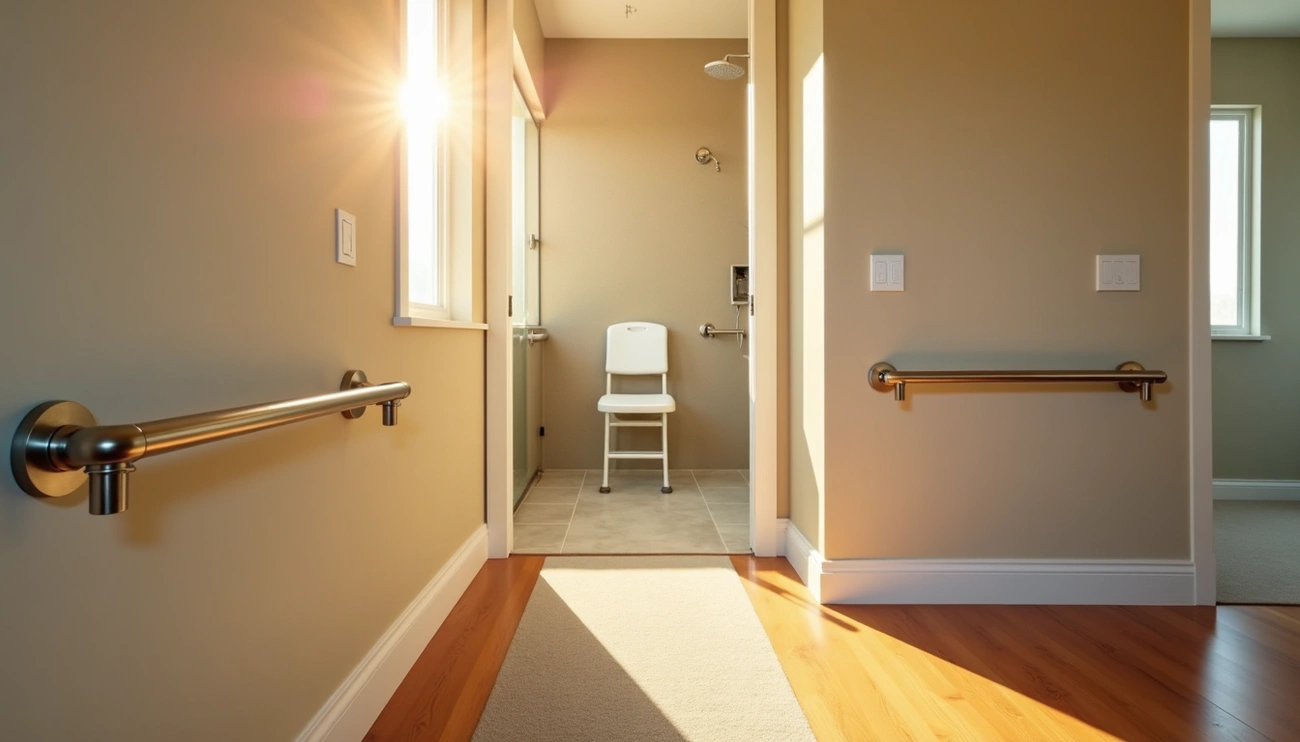
Creating a safer living space prevents falls and complications during your recovery period. Remove potential tripping hazards like throw rugs, electrical cords, and clutter from walkways. Good lighting throughout your home becomes essential, including an easily reached bedside lamp and a night light in the bathroom.
Safety features that support mobility make daily tasks easier. Hand rails in your shower, near the toilet, and along staircases provide crucial support. If your bedroom is upstairs, set up a temporary living area on the ground floor since stair climbing will be challenging initially.
Position essential items within easy reach to avoid excessive bending. Place frequently used kitchen items on countertops and bathroom necessities at accessible heights. Keep a cell phone nearby or ensure easily accessible phones throughout your home for quick help if needed.
Gather these helpful items before surgery:
- A shower chair and raised toilet seat
- Long-handled bathing and dressing tools
- A stable chair with firm seat cushion and good back support
- A secure handrail on staircases
Pre-surgery physical conditioning
Building strength before surgery works like training for any physical challenge. Pre-surgery exercise, often called “prehab,” strengthens muscles that will support your new knee joint and may speed up your recovery time.
Healthcare professionals often recommend supportive exercises for at least 15 minutes twice daily. With your doctor’s approval, start with 5-10 repetitions of each exercise twice a day in week one, increase to 10-15 repetitions in week two, and work toward 15-20 repetitions by week three.
Quad sets, straight leg raises, and chair push-ups offer particular benefits. Chair push-ups build upper body strength, which helps reduce stress on your knee joint and supports easier movement after surgery. Low-impact activities such as stationary biking can improve muscle strength, endurance, and range of motion while managing pain.
Discussing expectations with your doctor
Having an open conversation with your surgeon about expectations helps ensure satisfaction with your knee replacement results. Research shows recovery expectations were misaligned in at least 50% of patients undergoing elective joint replacement surgery.
Before surgery, discuss both short-term and long-term expectations. Ask specific questions about your hospital stay, pain management, physical therapy timeline, and when you can return to normal activities. This conversation should also cover whether you’ll stay overnight in the hospital or go home the same day.
Your surgeon will assess your health status and may recommend lifestyle adjustments to optimize surgical outcomes. This might include controlling risk factors, improving sleep habits, or modifying medications. If you have specific concerns about recovery time as an elderly patient, address these directly with your healthcare team.
Setting realistic expectations prevents disappointment while helping you achieve the best possible function after surgery. These preparations, combined with home modifications and physical conditioning, create the foundation for successful knee replacement recovery.
Hospital Stay: What Happens Right After Surgery
Your hospital stay typically lasts one to three days following knee replacement surgery. This period establishes the foundation for successful elderly knee replacement recovery through early movement, effective pain control, and preventing complications.
Day 1: Standing and walking with assistance
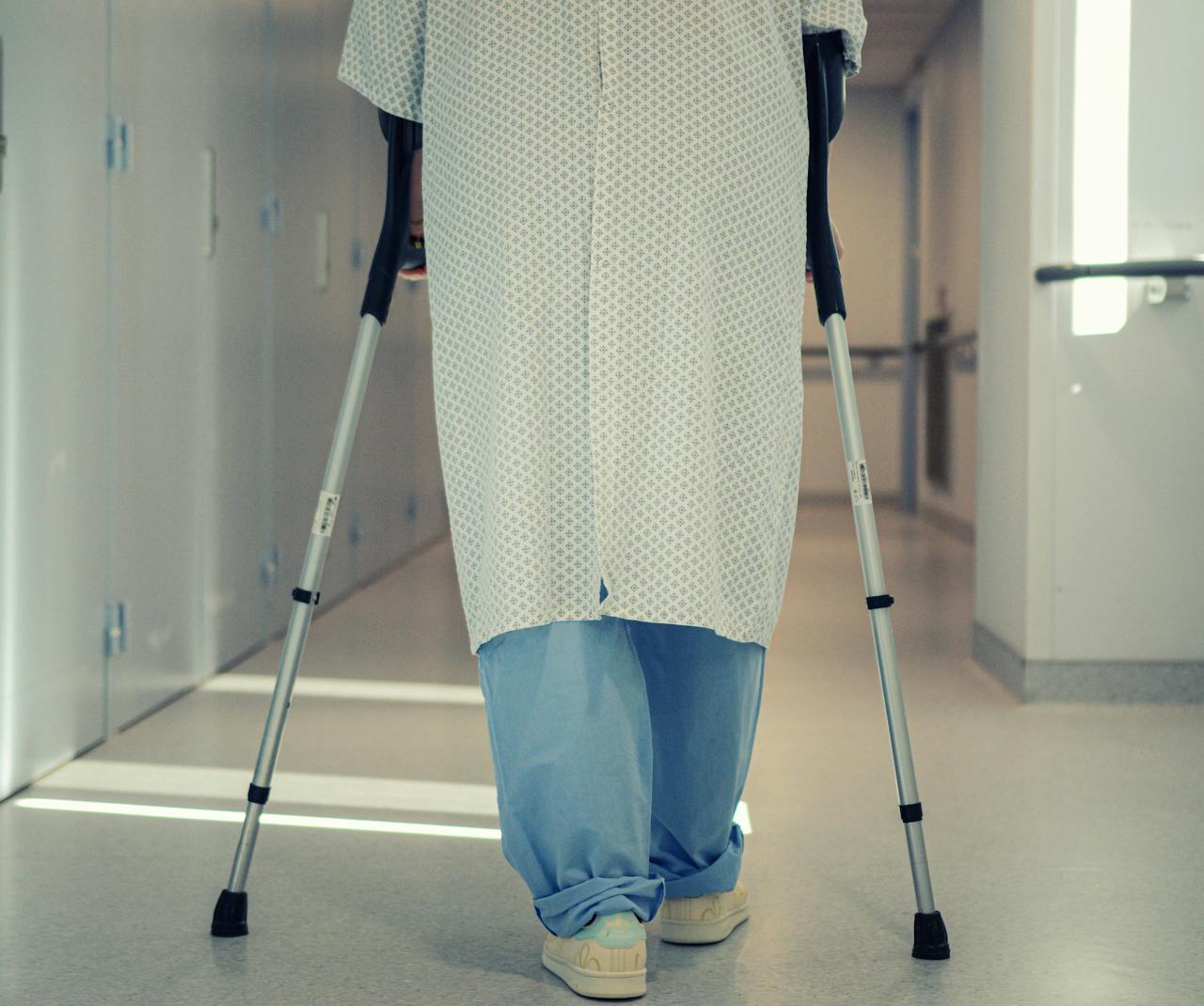
Movement begins within the first 24 hours after surgery. Physical therapists will help you stand and take your first steps using a walker, crutches, or cane. These initial walks may simply involve moving from your hospital bed to the bathroom, but they play a vital role in your recovery process.
Early movement prevents complications, shortens hospital stays, and improves your overall satisfaction with the surgical outcome. Your first physical therapy session occurs during this timeframe, introducing specific exercises to strengthen your knee and improve mobility.
During Day 1, you’ll practice bending and straightening your new knee while learning straight leg raising exercises. Moving early remains essential for recovery, even when it feels challenging.
Pain management and medication
Pain following knee replacement surgery is expected. Studies show 60% of patients report severe pain while 30% experience moderate pain. Your healthcare team will use multiple approaches to manage your discomfort effectively.
Your pain control plan may include:
- Prescription medications administered orally and through IV
- Ice packs applied to reduce swelling and discomfort
- Leg elevation above heart level at regular intervals
- Compression stockings to control swelling
Local infiltration analgesia (LIA) or nerve blocks may provide effective pain relief while reducing the need for opioid medications. Proper pain management improves your comfort and enables better participation in physical therapy.
Preventing blood clots and infections
Blood clots pose a serious risk after knee replacement surgery. Without prevention measures, clots can form in your leg, break away, and travel to your lungs, potentially causing a fatal pulmonary embolism.
Prevention strategies start immediately and include:
- Early mobility through those first walks described above
- Compression stockings or inflatable air sleeves on your lower legs
- Blood-thinning medications such as aspirin, which studies demonstrate can prevent clots effectively with fewer bleeding complications than other anticoagulants
Infection prevention requires equal attention. Registered nurses will monitor your surgical wound closely. Watch for warning signs including fever, unusual redness, or drainage from your incision.
Before discharge, you must demonstrate several abilities: safely using your assistive device, getting in and out of bed independently, walking enough to move around your home, and managing stairs when necessary.
Weeks 1–3: Early Recovery at Home
The first three weeks at home require patience as you adapt to new routines while managing pain and learning to use assistive devices safely. This period marks a critical phase in your recovery journey.
Using assistive devices safely
You’ll need to use a front-wheel walker or crutches to maintain stability while walking. You might transition to a cane after approximately 2-4 weeks, but wait until you can bear weight comfortably on your operated knee rather than rushing this progression.
Bathroom safety becomes essential during this period. Consider these helpful options:
- A raised toilet seat or commode for easier sitting and standing
- Grab bars around your toilet and shower
- A shower chair or tub transfer bench
- A hand-held shower head for controlling water while seated
Certain devices help minimize bending and reaching for daily activities:
- A reacher/grabber for picking up items
- Sock aids for putting on socks without bending
- Elastic shoelaces for easier footwear management
Managing swelling and discomfort
Swelling typically peaks 7-10 days after surgery and may continue for 3-6 months. You can reduce swelling through several methods:
Apply ice to your knee for 20 minutes several times daily. A bag of frozen vegetables works well as it molds around the joint.
Elevate your leg above heart level by placing pillows under your calf or ankle (not your knee). This prevents fluid pooling around the surgical site.
Compression stockings improve circulation and may reduce aching. Your doctor might recommend wearing these for at least two weeks after surgery.
Daily activities and hygiene tips
Choose firm chairs with armrests and avoid recliners or soft couches. Limit sitting in one position to 45 minutes maximum.
For showering, cover your dressing with “Glad Press and Seal” if needed. Transfer into the shower from a seated position when possible.
When dressing, sit on your bed’s edge and always dress your surgical leg first. Use long-handled tools to avoid excessive bending.
When to call your doctor
Contact your surgeon immediately if you notice:
- Fever higher than 101.2°F (38.5°C)
- Increasing redness, swelling, or drainage from your incision
- New or worsening pain in your calf, ankle, or foot
- Chest pain or shortness of breath (call 911)
This period requires balancing activity with rest. Continue your prescribed exercises while listening to your body’s signals about when to pause and recover.
Weeks 4–6: Regaining Strength and Mobility
Most elderly patients experience a significant turning point in their knee replacement recovery journey during weeks 4-6. Swelling decreases noticeably, mobility improves, and many daily activities become more manageable.
Progressing with physical therapy
Physical therapy continues to play a critical role during this phase of elderly knee replacement recovery. Your therapist will gradually introduce more challenging exercises designed to build strength and improve range of motion. Outpatient sessions should continue regularly after in-home therapy ends.
Your home exercise routine should include:
- Prescribed exercises 2-3 times daily
- Progress from 1 set of 8-15 repetitions to 3 sets with short rests between
- Exercise every other day (3-4 times weekly) once you can complete 3 full sets
Stationary cycling becomes particularly valuable during this period. Between 4-6 weeks, you can typically begin adding light resistance to your exercise bike routine. Start with 10-15 minutes twice daily, then gradually increase to 20-30 minute sessions 3-4 times weekly.
Walking with less support
Around week 4, you’ll likely transition from a walker to a cane if you haven’t already. Hold the cane in the hand opposite your surgical side to properly distribute your weight and improve walking mechanics. Most patients can walk longer distances and handle more everyday tasks like cooking and cleaning by the end of week 6.
Continue practicing your walking pattern with your physical therapist for optimal recovery outcomes. Many individuals can walk for 10 minutes or more without any assistive device by approximately six weeks post-surgery.
Driving and returning to light activities
Returning to driving marks a major milestone in regaining independence after knee replacement surgery. Several factors affect your timeline:
- Which knee was replaced
- Whether you’re taking pain medications
- Your reaction time and muscle strength
Patients with left knee replacements who drive automatic transmission vehicles may resume driving as early as 2 weeks post-surgery. For right knee replacements, most surgeons recommend waiting at least 4 weeks. Never drive while taking narcotic pain medications.
Many elderly patients begin returning to light household activities between weeks 4-6. Desk jobs can typically be resumed within 4-6 weeks, while jobs requiring extensive walking or lifting may need up to 3 months.
Recovery timelines vary among individuals. Your surgeon will provide personalized guidance based on your specific progress and needs.
Weeks 7–12: Building Independence
Week seven represents a turning point in knee replacement recovery as your focus shifts from basic mobility to building true independence. Most patients notice substantial progress in knee function during this period, with rehabilitation efforts producing meaningful results.
Advanced exercises for strength
Physical therapy sessions now include more challenging exercises designed to improve knee functionality. Your therapist may introduce:
- Stationary cycling with light resistance (start with 10-15 minutes, gradually building to 20-30 minutes)
- Standing knee bends using ankle weights
- Wall squats and bridges to strengthen supporting muscles
These exercises should continue for at least 2 months after surgery. Exercise until you feel muscle fatigue, then rest a day between strength sessions for optimal results.
Returning to household tasks
You can gradually return to light housekeeping activities such as dusting and washing dishes. Consider these practical adaptations:
Prepare meals by sliding objects along countertops rather than lifting them. A high stool at kitchen counters helps avoid strain while working.
Handle laundry by doing smaller loads and using a backpack or wheeled cart for transport. Grocery shopping becomes manageable with assistance or delivery services.
Monitoring for complications
Stay alert for warning signs even during this recovery stage. Contact your doctor immediately if you experience:
- Persistent fever above 100°F
- Increasing redness, tenderness, or swelling around your wound
- Pain in your calf that’s unrelated to your incision
Most patients experience significantly less pain and improved mobility during this phase, creating a foundation for continued progress toward normal daily activities.
Bottom Line
Knee replacement recovery takes time and patience for elderly patients. Significant improvements typically appear around 12 weeks, though complete recovery can extend to 18 months. Proper preparation before surgery creates the foundation for successful outcomes.
Early mobility prevents complications and speeds healing, even when it feels challenging initially. Most patients transition from walkers to canes between weeks 4-6, with many walking independently by week 6. Physical therapy exercises progress from basic movements to advanced strength training, helping you return to daily activities.
Recovery timelines vary based on individual health factors and dedication to rehabilitation exercises. Following your healthcare team’s guidance throughout each phase improves your chances of successful outcomes. Many elderly patients find their quality of life significantly improved once healing progresses.
Focus on gradual progress rather than rushing through milestones. The effort you invest in recovery leads to years of improved function and relief from the chronic knee pain that brought you to surgery. Each small victory moves you closer to renewed mobility and independence.
Key Takeaways
Understanding the recovery timeline for elderly knee replacement patients helps set realistic expectations and ensures better outcomes through proper preparation and adherence to rehabilitation protocols.
• Prepare your home before surgery – Remove tripping hazards, install grab bars, and arrange essential items within easy reach to prevent falls during recovery.
• Early mobility is crucial – Begin standing and walking within 24 hours after surgery to prevent complications and accelerate healing, even though it may feel challenging.
• Recovery follows a predictable timeline – Expect significant improvement by 12 weeks, with most patients transitioning from walkers to canes by week 4-6.
• Physical therapy drives success – Continue prescribed exercises 2-3 times daily throughout recovery, progressing from basic movements to advanced strength training.
• Monitor for warning signs – Contact your doctor immediately for fever above 101°F, increasing wound redness, or calf pain to prevent serious complications.
While complete recovery can take up to 18 months, most elderly patients experience substantial improvements in mobility and pain relief within the first three months, making the rehabilitation journey worthwhile for long-term quality of life.
FAQs
Q1. How long does knee replacement recovery typically take for seniors? For most elderly patients, significant improvement in knee function is seen by 12 weeks post-surgery. However, full recovery can take up to 18 months. The first 6-12 weeks are crucial, with noticeable progress in mobility and pain reduction.
Q2. When can elderly patients resume driving after knee replacement? The timeline for returning to driving varies. For left knee replacements with automatic transmission vehicles, some patients may resume driving as early as 2 weeks post-surgery. For right knee replacements, most surgeons recommend waiting at least 4 weeks. Always consult your doctor and never drive while taking narcotic pain medications.
Q3. What exercises are beneficial during knee replacement recovery? Early exercises include quad sets, straight leg raises, and chair push-ups. As recovery progresses, stationary cycling, standing knee bends with ankle weights, and wall squats are introduced. It’s important to follow your physical therapist’s guidance and exercise regularly, typically 2-3 times daily.
Q4. How can seniors prepare their homes for knee replacement recovery? Home preparation is crucial. Remove tripping hazards like throw rugs and clutter, install grab bars in the bathroom, prepare a ground floor living area if possible, and place frequently used items within easy reach. Consider using assistive devices like a shower chair, raised toilet seat, and long-handled dressing tools.
Q5. What are the warning signs to watch for after knee replacement surgery? Contact your doctor immediately if you experience a fever higher than 101.2°F (38.5°C), increasing redness, swelling, or drainage from the incision, new or worsening pain in your calf, ankle, or foot, or chest pain or shortness of breath (call 911 for the latter). Vigilance is important even several weeks post-surgery.