
Falls pose a serious threat to elderly individuals, affecting approximately 30 percent of adults older than 65 years each year. For family caregivers, understanding the relationship between falls and life expectancy after fall in elderly individuals becomes crucial when making care decisions for aging loved ones.
The statistics reveal concerning patterns about mortality risks following falls. Elderly patients face three times higher likelihood of death following a ground-level fall compared to younger individuals. Research tracking participants over nine years found that 41.7% of elderly individuals who experienced falls died during the study period. Those experiencing multiple falls showed even greater risk, with at least two falls creating a 1.6 times higher relative risk of death compared to those without falls.
These findings highlight why elderly die after a fall and underscore the importance of recognizing elderly deterioration after fall patterns. For anyone caring for an aging family member, witnessing decline following a fall can feel overwhelming and frightening.
This guide examines why falls create particular dangers for older adults, explores what typically occurs when an elderly person falls, and reviews research findings about survival rates following these incidents. You’ll find practical information about protecting your loved ones and steps that may help prevent these serious events from occurring.
Understanding Why Falls Are So Dangerous for the Elderly
The aging process creates multiple physical changes that directly increase fall vulnerability for elderly individuals. For family caregivers, recognizing these factors helps explain why falls pose such serious threats to older adults.
How aging affects balance and strength
Starting around age 40, adults experience a decline of 1% to 2% per year in lean body mass and 1.5% to 5% per year in strength. This muscle loss occurs through both reduced muscle fiber numbers and decreased fiber size.
Balance deterioration stems from age-related changes to the vestibular system-the sensory network in the inner ear that maintains balance. Around age 40, small hairs in the ears that detect movement and send signals to the brain begin deteriorating. Aging affects three critical systems that work together to prevent falls:
- Vision and hearing decline, making hazard detection more difficult
- Reduced proprioceptive and vibratory sensation
- Decreased reaction time when balance becomes disturbed
These changes help explain why balance problems or dizziness affect approximately 30% of adults aged 65 and over at some point. The situation worsens with advancing age, with fall risk reaching 50% annually among those over 80.
The role of chronic conditions and medications
Chronic health conditions create substantial fall risks. People with arthritis face 2.5 times higher likelihood of reporting multiple falls or experiencing fall-related injuries compared to those without arthritis. Diabetes, heart disease, and neurological disorders also contribute significantly to instability.
Medications present serious risk factors through side effects such as dizziness, confusion, and drowsiness. Particularly problematic medications include:
- Benzodiazepines and sleep medications: These increase fall risk, especially after new prescriptions or with long-term use. Taking two or more benzodiazepines simultaneously doubles hip fracture risk.
- Antidepressants, antipsychotics, and muscle relaxants: These significantly impact stability through sedative effects.
The risk multiplies with polypharmacy-taking multiple medications simultaneously. While 4.5% of elderly patients die following ground-level falls, only 1.5% of younger individuals face this outcome. Taking more than four medications substantially increases fall probability.
Why even minor falls can be life-threatening
Simple falls that might seem harmless can prove deadly for elderly individuals. About 10% of falls result in serious injuries like fractures, with 2% involving hip fractures. Following a hip fracture, elderly individuals face a 27% chance of dying within one year.
The danger extends beyond immediate injuries to cascading health effects. After hospitalization for fall-related injuries, only 22% of elderly patients can function independently, compared to 41% of younger patients. This independence loss often creates:
- Physical deconditioning from reduced activity
- Psychological impacts including fear of falling
- Increased likelihood of long-term care admission
Falls claim approximately 41,400 lives among adults 65 and older annually. Even non-fatal falls create profound consequences-nearly 37% require medical treatment or restrict activity for at least one day.
Frailty, rather than chronological age, determines injury outcomes. Elderly individuals with pre-existing conditions have limited physiological reserves to recover from trauma, making even minor falls potentially catastrophic.
What Happens When an Elderly Person Falls
The aftermath of a fall often proves more challenging than the fall itself. While not every fall causes serious injury, approximately 37% require medical treatment or restrict activity for at least one day. For family caregivers, understanding these potential consequences helps you prepare for what may follow and recognize when immediate action becomes necessary.
Common physical injuries and complications
Fall-related injuries among older adults range from minor bruising to severe trauma requiring hospitalization. About one-third of falls result in injuries needing medical attention. Fractures represent the most serious concern, with nearly all broken hips resulting from falls. Hip fractures account for 88% of fall-related emergency department visits and hospitalizations among seniors.
Head injuries pose another significant threat. Falls cause the majority of TBI-related deaths and hospital admissions in older adults. Even seemingly minor head trauma can create serious complications, as seniors require longer recovery periods from traumatic brain injuries.
When an elderly person cannot get up after falling and remains on the floor for extended periods, additional complications may develop:
- Dehydration
- Hypothermia (dangerously low body temperature)
- Pneumonia
- Rhabdomyolysis (muscle breakdown that can damage kidneys)
- Pressure sores
Emotional and psychological effects
The psychological impact of falls often surprises families with its intensity and duration. Fear of falling again affects 25-50% of community-dwelling seniors. This fear becomes particularly problematic because it creates a cycle where reduced activity leads to muscle weakness, which actually increases future fall risk.
Some seniors develop symptoms similar to post-traumatic stress disorder following a fall. Research demonstrates that fall victims experience significantly higher levels of anxiety (β = 0.28) and depression (β = 0.21). For those who fall repeatedly, depression risk increases by 48.8%.
Medical professionals recognize a condition called “post-fall syndrome,” which involves persistent anxiety, loss of confidence, and avoidance of normal activities. You may notice your loved one withdrawing from social activities or hobbies they previously enjoyed.
Impact on independence and daily life
A fall often marks a critical transition in an elderly person’s ability to live independently. Following hip fractures, approximately 50% of seniors experience functional decline within one year. Research reveals that 19% of fall victims experience increased difficulty with Activities of Daily Living (ADL) after their incident.
The most common challenges involve fundamental daily tasks. About 18% struggle with transferring to and from bed or chairs, while 9% have difficulty walking around their home. These limitations often necessitate major life changes, with falls serving as a primary reason for emergency room visits, hospitalizations, and nursing home placement.
For many families, a fall becomes the deciding factor in transitioning from independent living to assisted care or nursing facilities. The financial burden adds another layer of stress, with health system costs per fall injury ranging from $1,049 in Australia to $3,611 in Finland, creating substantial economic pressure for both families and healthcare systems.
Life Expectancy After a Fall: What the Research Shows
Research provides sobering insights into life expectancy after fall in elderly individuals. The numbers tell a compelling story about how these seemingly minor incidents can dramatically shorten lives among older adults.
Mortality rates after single vs. multiple falls
Long-term studies reveal that experiencing falls significantly increases mortality risk among seniors. During a nine-year follow-up period, 41.7% of elderly participants died after fall registration. The risk escalates dramatically for those experiencing multiple falls, with seniors who had at least two falls showing a 1.6 times greater relative risk of death compared to those without falls.
Short-term outcomes present an even more alarming pattern. Those who experienced more than one fall within a three-month period faced up to 2.6 times higher mortality after just one year. Ground-level falls, which might seem minor, prove fatal for approximately 4.5% of elderly patients compared to just 1.5% of younger patients.
How age and health status influence outcomes
Age serves as a critical factor in determining survival after falls. Elderly patients over 80 years face 1.48 times higher mortality risk compared to those younger than 80. National data reflects this trend, with age-adjusted mortality rates from falls among adults 65+ rising from 29.4 to 69.4 per 100,000 between 1999 and 2020.
Pre-existing health conditions create dramatic differences in outcomes. At three months post-fall, mortality rates reached 17% among those with comorbidities versus 5.7% for those without. Gender also influences survival, with male patients facing 1.85 times higher mortality risk compared to females.
Why do elderly die after a fall?
Several factors contribute to post-fall mortality. Head trauma and internal bleeding often prove fatal, with falls being the leading cause of traumatic brain injury-related deaths in those 65+. Hip fractures create severe complications, resulting in 27% of elderly patients dying within one year following such injuries. Hospitalization complications including pneumonia and infections that develop during immobility compound the risks. Reduced independence after injury affects recovery, with only 22% of elderly patients able to function independently after hospitalization.
The patient’s frailty index, rather than chronological age, ultimately serves as the most accurate predictor of adverse events following a fall. Many elderly individuals simply lack the physiological reserve needed to recover from trauma, making even minor falls potentially fatal.
Consequences of Falls in the Elderly That Caregivers Should Know
Falls create lasting effects that extend well beyond the initial injury. As a caregiver, you should understand these long-term consequences to better prepare for the challenges ahead and make informed decisions about your loved one’s care.
Increased risk of long-term care admission
Falls dramatically increase the likelihood your loved one may need nursing home placement. Research reveals concerning patterns about this transition:
- Elders with a single noninjurious fall face 3.1 times higher risk of nursing home admission compared to those who haven’t fallen
- Multiple noninjurious falls increase this risk to 5.5 times higher
- Those experiencing at least one serious fall injury have 10.2 times greater risk of institutional placement
Falls and resulting injuries often become the primary reason families must consider transitioning from independent living to care facilities.
Elderly deterioration after fall: physical and cognitive decline
You may notice unexpected changes in your loved one’s mental sharpness following a fall. Studies show falls, particularly multiple incidents, are associated with accelerated cognitive decline in older adults. Within the first year after a fall, 10.6% of seniors receive new dementia diagnoses. This decline affects several areas: global cognition, episodic verbal memory, verbal fluency, and processing speed-attention.
Physical deterioration often follows a predictable pattern. Reduced activity after a fall leads to muscle weakness, which increases future fall risk. This cycle compromises independence in activities of daily living over time.
Financial and emotional toll on families
The economic burden of falls affects both healthcare systems and families:
- Total healthcare costs for non-fatal older adult falls reach $80 billion annually
- Costs are projected to exceed $101 billion by 2030
- Medicare covers 67% of costs, Medicaid covers 4%, and families pay 29% out-of-pocket
The emotional impact on caregivers can be even more challenging. You may experience anxiety, worry, fear, shock, anger, and frustration after your loved one falls. Many caregivers blame themselves for not providing adequate supervision. This constant vigilance often leads to limiting your own activities and social engagements, resulting in social withdrawal.
Interestingly, caregivers show higher rates of fear of falling (63.5%) than the elderly themselves (47.6%), highlighting how these incidents affect the entire family’s well-being.
How Family Caregivers Can Help Prevent Future Falls
You can take practical steps to prevent falls and potentially extend your elderly loved one’s independence. Your role as a family caregiver becomes essential in creating safer conditions and reducing fall risks.
Home safety improvements
Creating a safer home environment provides the foundation for fall prevention. You can start with these basic modifications:
- Remove tripping hazards such as loose rugs, electrical cords, and clutter from walkways
- Install proper lighting, especially on staircases and in bathrooms where falls commonly occur
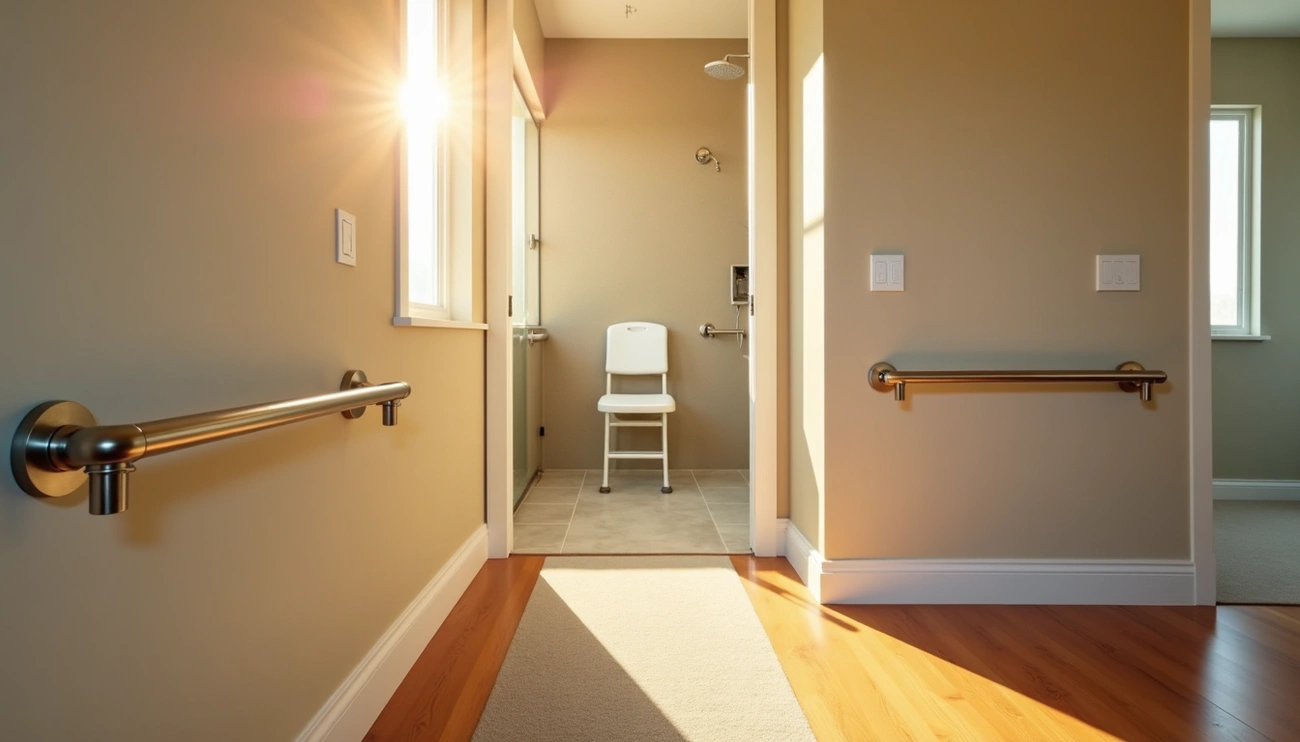
- Add grab bars near toilets and in showers, since 44% of falls happen inside the home
- Place non-slip mats in bathtubs and showers
- Store frequently used items at waist level
Encouraging strength and balance exercises
Physical activity helps seniors maintain stability and prevent falls. Simple balance exercises can make a significant difference:
- One-leg stands
- Heel-to-toe walking
- Sideways stepping
Even short daily practice sessions can improve balance. Regular strength training helps counteract the natural 1-2% annual decline in muscle mass that occurs after age 40. For optimal fall protection, older adults should combine strength and balance programs with walking.
Monitoring medications and hydration
Certain medications increase fall risk through side effects like drowsiness, dizziness, and vision changes. You should request a medication review if your loved one takes five or more medicines, as this significantly raises fall probability.
Proper hydration is equally important. Dehydration can cause low blood pressure, dizziness, and confusion. Older adults need approximately 2.7L (women) to 3.7L (men) of water daily.
Scheduling regular vision and hearing checks
Annual eye examinations are crucial because any level of vision impairment doubles fall risk. Visual problems affecting depth perception, contrast sensitivity, and visual fields are strongly associated with falls. Hearing impairments also impact balance, making regular hearing assessments essential.
When your loved one needs glasses, single-vision lenses might be safer than bifocals or progressives for those at high fall risk.
Using assistive devices and fall alarms
Properly selected assistive devices provide stability and confidence. Canes offer an additional point of contact with the floor, while walkers provide broader support for those with greater mobility challenges.
Medical alert systems with fall detection technology can increase safety. Research shows these systems can make people more active around their homes. For nighttime safety, consider bedside crash mats and motion alarms that provide early fall detection.
Bottom Line
Falls create serious risks for elderly individuals, but understanding these dangers empowers you to take effective protective action. The research demonstrates clear patterns: falls can significantly impact life expectancy and quality of life for older adults, making prevention efforts essential rather than optional.
Age-related changes in balance, strength, and sensory systems increase vulnerability to falls. When combined with chronic health conditions and medication side effects, these factors create heightened risk for serious injury and complications. The consequences extend beyond physical harm to include emotional trauma, loss of independence, and increased likelihood of long-term care placement.
You have practical tools available to help protect your loved ones. Home safety improvements such as removing trip hazards, installing grab bars, and ensuring adequate lighting address many common fall causes. Regular strength and balance exercises help counteract natural muscle decline, while medication reviews and proper hydration reduce additional risk factors. Vision and hearing checks, along with appropriate assistive devices, provide further protection.
Most falls can be prevented through proactive measures. Your role as a caregiver provides opportunities to implement these evidence-based strategies and potentially extend your loved one’s independence. The prevention approaches outlined in this guide offer practical steps you can take to reduce fall risk and support your elderly family member’s continued well-being.
Prevention remains more effective than treatment when it comes to fall-related injuries. The measures you implement today can help preserve both the safety and dignity of your aging loved one, potentially adding years of independent living to their life.
Key Takeaways
Understanding the serious impact of falls on elderly life expectancy empowers family caregivers to take life-saving preventive action and provide better care for their aging loved ones.
• Falls dramatically reduce elderly life expectancy – 41.7% of seniors who fall die within nine years, with multiple falls increasing death risk by 1.6 times
• Age-related muscle loss, balance decline, chronic conditions, and medications create a perfect storm making even minor falls potentially fatal for seniors
• Falls trigger cascading health effects including physical injuries, psychological trauma, loss of independence, and increased nursing home placement risk
• Simple home modifications like removing trip hazards, installing grab bars, and improving lighting can prevent most falls from occurring
• Regular strength and balance exercises, medication reviews, vision checks, and proper hydration are essential protective measures caregivers should prioritize
The key to protecting elderly loved ones lies in proactive prevention rather than reactive treatment. By implementing these evidence-based strategies, family caregivers can potentially add years of independent living while preserving dignity and quality of life for their aging family members.
FAQs
Q1. How does falling affect life expectancy in the elderly? Falls can significantly reduce life expectancy in older adults. Research shows that 41.7% of elderly individuals who experience falls die within nine years, and those with multiple falls have a 1.6 times higher risk of death compared to those without falls.
Q2. What are the main reasons falls are so dangerous for older adults? Falls are particularly dangerous for the elderly due to age-related declines in balance and strength, chronic health conditions, medication side effects, and reduced ability to recover from injuries. Even minor falls can lead to serious complications like fractures or head injuries.
Q3. What are some common consequences of falls in the elderly? Common consequences include physical injuries like hip fractures, increased risk of long-term care admission, accelerated cognitive decline, loss of independence in daily activities, and significant emotional and financial burdens on both the elderly individual and their family caregivers.
Q4. How can family caregivers help prevent falls in elderly loved ones? Caregivers can help prevent falls by making home safety improvements, encouraging strength and balance exercises, monitoring medications and hydration, scheduling regular vision and hearing checks, and considering the use of appropriate assistive devices and fall alarms.
Q5. What role do medications play in fall risk for seniors? Medications can significantly increase fall risk in seniors through side effects like dizziness, drowsiness, and vision changes. Taking multiple medications (polypharmacy) further elevates this risk. Regular medication reviews with healthcare providers are crucial for fall prevention.