Choosing the right senior living option for yourself or a loved one requires understanding what’s available and what you can afford. Modern senior living communities offer much more than basic care services, providing residents with easier living arrangements and opportunities for social engagement.
Senior living includes various housing and lifestyle options designed for aging individuals, addressing both their interests and changing health needs. The costs can vary significantly depending on the level of care required. Independent living communities typically cost around $3,000 per month, while assisted living averages about $4,800 monthly. A semiprivate room in a nursing home costs approximately $276 per day, or $8,200 per month on average.
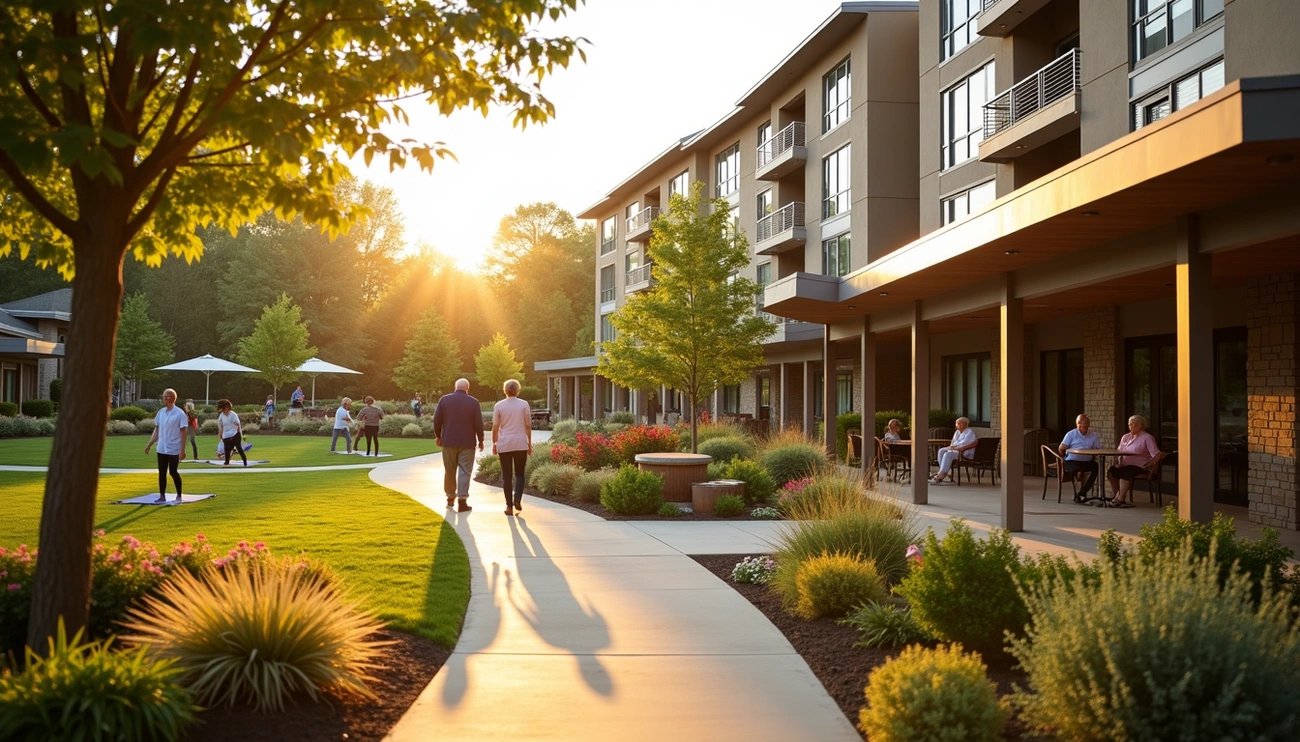
Today’s senior living options often include amenities such as swimming pools, fitness centers, walking paths, and chef-prepared meals served three times daily. You can find everything from independent living for active seniors to continuing care retirement communities that allow residents to transition between care levels without leaving campus. These different types of senior living can accommodate varying needs and preferences.
This guide explains what senior living means, explores the various options available, discusses important factors to consider before making a decision, and outlines the costs and payment methods to help you make an informed choice.
Understanding the Meaning of Senior Living
Senior living has expanded beyond traditional nursing homes to include various housing and lifestyle options for aging individuals. Understanding these distinctions can help you find the right fit for your situation.
What does senior living mean?
Senior living includes various housing and lifestyle options designed specifically for aging individuals, adapting to both their interests and the health challenges that often accompany growing older. This umbrella term covers everything from retirement communities and age-restricted housing to assisted living facilities and nursing homes. The core purpose of senior living is to provide appropriate environments where older adults can maintain independence while accessing necessary support services as their needs change. Unlike conventional housing, senior living communities often feature amenities, activities, and sometimes healthcare services tailored to enhance quality of life for older adults.
Senior living vs. senior housing
These terms are often used interchangeably, but they represent different concepts. Senior housing typically refers to age-restricted apartment buildings or complexes that offer basic accommodations for older adults. These properties primarily provide a place to live with limited or no additional services.
Senior living communities offer a more comprehensive experience with amenities like dining options, planned activities, and access to care services. The main difference lies in the lifestyle experience – senior housing provides accommodation, whereas senior living communities deliver convenience, social opportunities, and supportive services. Senior housing rarely includes organized activities or dining plans, leaving residents responsible for arranging their own meals and social connections.
Who is senior living for?
Senior living caters to adults typically aged 55 or older, depending on the specific community requirements. Different types of senior living options serve individuals with varying levels of independence and care needs.
Independent living communities are designed for active seniors who can care for themselves but desire convenience and social opportunities. Assisted living serves those who need help with daily activities like bathing, dressing, or medication management. Memory care units cater specifically to individuals with Alzheimer’s disease or other forms of dementia. Meanwhile, nursing homes provide round-the-clock skilled nursing care for those with significant medical needs.
The right senior living option depends primarily on the level of assistance required and personal preferences regarding lifestyle, location, and amenities.
Types of Senior Living Options
The spectrum of senior living provides different levels of care based on individual needs. Here are the five main types available:
Independent living communities
Independent living communities cater to active adults who can care for themselves but want freedom from home maintenance. Monthly costs average around $3,000, generally covering apartment rent, utilities, security services, and amenity access.
Benefits typically include:
- Swimming pools, fitness centers, and walking paths
- Multiple dining options and chef-prepared meals
- Housekeeping and laundry services (included or at additional cost)
- Transportation services for appointments and shopping
These communities typically do not provide medical care but may have a nurse on-site periodically for basic health questions.
Assisted living facilities
Assisted living bridges the gap between independent living and nursing homes. These facilities provide housing alongside personal care assistance for daily activities like bathing, dressing, grooming, and medication management. Most assisted living communities cost approximately $4,800 per month, covering housing, utilities, three daily meals, and caregiver access. Staff members are available 24/7 to help residents who need assistance with activities of daily living.
Memory care units
Memory care is specialized residential care for people with Alzheimer’s disease and other forms of dementia. These units feature secure environments with alarmed doors and enclosed outdoor spaces to prevent wandering, as 6 in 10 dementia patients tend to wander.
Memory care is the fastest-growing sector in senior housing, with units increasing by nearly 84 percent to 162,100 units from 2013 to 2023. Activities focus on cognitive stimulation through art, music, and structured routines.
Skilled nursing homes
Skilled nursing facilities provide 24-hour medical care and supervision from licensed nurses and nursing assistants. Unlike assisted living, skilled nursing offers rehabilitation services from licensed physical, occupational, and speech therapists. A semiprivate room typically costs about $276 daily, or $8,200 monthly.
Medicare Part A covers up to 100 days in a skilled nursing facility after a qualifying hospital stay.
Continuing care retirement communities (CCRCs)
CCRCs offer multiple care levels (independent living, assisted living, skilled nursing) in one campus, allowing residents to transition as needs change without relocating. There are approximately 1,900 CCRCs nationwide.
Most charge an entry fee averaging $402,000 (ranging from $40,000 to over $2 million) plus monthly fees averaging $3,555. CCRCs operate under various contract types:
- All-inclusive (Type A): Covers all future care needs
- Modified (Type B): Covers some future care with additional fees
- Fee-for-service (Type C): Residents pay market rates for care
What to Consider Before Choosing a Senior Living Option
Choosing the right senior living option requires evaluating several key factors that will affect both daily life and long-term satisfaction. These considerations help ensure the decision meets current needs while accommodating potential future changes.
Level of care needed
Start by assessing what assistance is needed now and what might be required later. Healthcare professionals typically conduct thorough evaluations to determine abilities with daily activities like bathing, dressing, and medication management. These assessments help categorize care needs into basic, intermediate, or advanced levels.
Consider whether your loved one can manage household tasks independently or needs help with activities of daily living (ADLs). Someone who can cook, clean, and manage medications independently might thrive in independent living, while someone needing daily assistance would benefit more from assisted living.
Lifestyle preferences and amenities
Which features matter most for daily enjoyment and social engagement? Look for communities offering amenities that match personal interests, whether that’s community gardens, walking trails, transportation services, multiple dining options, or fitness facilities. During tours, observe if the environment feels welcoming and if residents appear well-cared for.
Ask about scheduled activities, social programs, and transportation to local attractions. Some communities focus on active lifestyles with fitness programs, while others emphasize arts, crafts, or educational opportunities.
Budget and financial planning
Monthly fees for senior living can range from $1,500 to $10,000 depending on location, amenities, and services. Many communities offer fixed monthly fees covering housing, utilities, transportation, and meals. Comparing these costs to current living expenses helps determine affordability.
Calculate the total cost of current housing, including maintenance, utilities, groceries, and transportation. Senior living may cost less than maintaining a home once you factor in all expenses.
Location and proximity to family
The ideal location should provide easy access to family, healthcare providers, and familiar surroundings. Consider communities near loved ones, medical facilities, and shopping or entertainment venues. Climate and neighborhood safety also significantly impact overall well-being.
Think about how often family visits occur and whether they’ll continue at the same frequency. Proximity to trusted doctors and specialists can be particularly important for seniors with ongoing health conditions.
Future health considerations
Approximately 70% of people turning 65 today will need some form of long-term care during their lifetime. Communities offering multiple care levels provide stability through life’s changes without requiring relocation.
Continuing care retirement communities (CCRCs) allow residents to transition from independent living to assisted living or nursing care on the same campus. This option can provide peace of mind for families concerned about future care needs.
How to Pay for Senior Living
Understanding senior living costs helps you plan financially and explore payment options. Costs vary significantly depending on the level of care and your location.
Senior Living Costs by Care Level
Independent living is typically the most affordable option, averaging $3,000-$3,145 per month. Assisted living costs significantly more at approximately $5,350-$5,900 monthly. Memory care, given its specialized nature, averages around $6,935-$7,899 monthly. Skilled nursing represents the highest cost tier, with private rooms averaging $9,733 monthly and semi-private rooms at $8,669.
Medicare and Medicaid Coverage
Medicare doesn’t cover most long-term care services. It only pays for skilled nursing care for up to 100 days following hospitalization. Medicaid may cover certain assisted living services in 41 states, though eligibility requirements vary and room and board costs are never covered.
Long-Term Care Insurance
Long-term care insurance policies typically cost between $900-$2,700 annually for a 55-65 year old purchasing $165,000 in benefits. Women generally pay more than men due to longer life expectancy. These policies help cover assisted living, nursing home care, and home health services.
Private Pay and Funding Options
Most residents use personal savings, Social Security income, pension payments, or proceeds from home sales. Additional funding sources include:
- Veterans benefits through Aid & Attendance
- Life insurance policy conversions
- Reverse mortgages for homeowners aged 62+
- Home equity loans or lines of credit
Bottom Line
Choosing the right senior living option can significantly impact quality of life for you or your loved one. Senior living has evolved from basic care facilities into communities that offer various lifestyle options and support services.
The decision depends on several key factors. You’ll need to assess current and future care requirements to determine which option fits best. Financial planning plays a crucial role, as costs vary significantly across different types of communities.
Location matters when selecting a community. Many families prefer facilities close to loved ones or essential medical services. Your lifestyle preferences also affect long-term satisfaction, making it worthwhile to evaluate amenities and social programming during visits.
Senior living decisions often affect quality of life for years to come. Taking time to research options, visit communities, speak with current residents, and consult financial advisors generally leads to better outcomes. Many families find that starting this process before immediate need arises allows for more thoughtful consideration.
Communities today offer amenities from chef-prepared meals to fitness programs designed for older adults. This reflects a shift toward viewing senior living as an opportunity for continued engagement rather than merely a care necessity.
The goal remains helping you or your loved one maintain dignity, independence, and meaningful connections during later years. Quality senior living provides not just care, but opportunities for social interaction and personal fulfillment.
Key Takeaways
Understanding senior living options and their costs is essential for making informed decisions that impact quality of life and financial security for years to come.
• Assess care needs honestly – Evaluate current and future assistance requirements for daily activities to determine the appropriate level of care, from independent living to skilled nursing.
• Budget for significant monthly costs – Senior living ranges from $3,000 monthly for independent living to $9,700+ for skilled nursing, with most expenses paid privately since Medicare covers limited services.
• Consider location and lifestyle preferences – Choose communities near family and medical services while ensuring amenities match personal interests for long-term satisfaction.
• Plan ahead for better outcomes – Start researching options before immediate need arises, as 70% of people over 65 will require some form of long-term care during their lifetime.
• Explore CCRCs for future flexibility – Continuing Care Retirement Communities allow transitions between care levels on the same campus, providing stability as health needs change.
The key to successful senior living decisions lies in balancing current needs with future possibilities while ensuring the chosen community enhances rather than limits independence and social connections.
FAQs
Q1. What are the main types of senior living options available? There are five main types of senior living options: independent living communities, assisted living facilities, memory care units, skilled nursing homes, and continuing care retirement communities (CCRCs). Each type caters to different levels of care needs and lifestyle preferences.
Q2. How much does senior living typically cost? The cost of senior living varies depending on the type of care. On average, independent living costs around $3,000 per month, assisted living about $4,800 per month, and a semiprivate room in a nursing home approximately $8,200 per month. Memory care and private rooms in nursing homes can be more expensive.
Q3. What factors should I consider when choosing a senior living option? Key factors to consider include the level of care needed, lifestyle preferences and amenities offered, budget and financial planning, location and proximity to family, and potential future health considerations. It’s important to assess both current and potential future needs.
Q4. Does Medicare cover senior living expenses? Medicare generally does not cover most long-term care services in senior living facilities. It only pays for skilled nursing care for up to 100 days following a qualifying hospital stay. Most senior living expenses are paid for privately or through long-term care insurance.
Q5. What’s the difference between senior living and senior housing? Senior living offers a more comprehensive experience with amenities, planned activities, and access to care services. Senior housing typically refers to age-restricted accommodations with limited or no additional services. Senior living focuses on lifestyle and care, while senior housing primarily provides a place to live.