
Senior Living in 2026: Essential Future Trends Every Family Should Know
The future trends in senior care are rapidly evolving as our aging population grows at an unprecedented rate. By 2050, the number of people aged 60 and older is expected to double, surpassing 2 billion worldwide.

If you are starting to think through care for an aging parent, you are part of a wave far bigger than any one family. The world's population aged 60 and older is expected to roughly double by 2050, topping 2 billion. Here in the United States, the Census Bureau projects the total population will reach 350 million, with adults 65 and older growing faster than any other age group.
Most seniors want to age in place. According to AARP, more than three-quarters of adults 50 and older want to stay in their homes as they age, but fewer than half believe it's feasible. Financial constraints add pressure: the median retirement savings for Baby Boomers is $202,000, and nearly half of 55- to 64-year-olds have saved nothing.
The most reassuring shift in senior care right now is that technology and human connection are no longer treated as an either-or. Research shows that seniors who stay engaged through cognitive training, social activity, and even virtual reality report sharper thinking and greater well-being. What follows are the developments worth understanding as you plan for the years ahead.
Technology is reshaping senior living
Wearable devices, smart medication systems, and telehealth let seniors live more independently while staying safer. These tools address real health risks without forcing seniors to give up control over their daily lives.
AI and wearable health monitors
Wearable devices continuously track vital signs, heart rate, blood pressure, oxygen levels, and alert caregivers to potential problems before they become emergencies. AI in these devices can flag serious conditions like sleep apnea or detect unusual glucose patterns in people at risk for diabetes.
Modern smartwatches and smart rings monitor multiple health markers at once. Sensors also assess fall risk by tracking balance and gait. Research shows that fall detection wearables can identify incidents with up to 95% accuracy, which matters because falls are the leading cause of injury among seniors.
The real benefit is catching problems early, before a fall happens or before a cardiac event becomes a crisis.
Smart medication and fall detection systems
Falls cause 3 million emergency room visits and 28,000 deaths among seniors annually. AI-powered fall detection systems can alert caregivers immediately, which can mean the difference between a quick recovery and serious injury.
Smart medication dispensers have expanded significantly. There are now 114 devices on the market. They address two common problems: forgetting doses and taking medication at the wrong time. The better systems include:
- Automatic dispensing at the right time
- Real-time tracking of whether medication was taken
- Personalized reminders and alerts
- Locked storage to prevent accidental overdose
Three-quarters of these devices send reminders, and over half alert caregivers if a dose is missed or taken incorrectly.
Telehealth and remote diagnostics
Remote patient monitoring is projected to reach 30 million Americans by 2024, mostly because it works for seniors who live far from specialists or have difficulty leaving home.
The results are concrete: remote monitoring reduces hospital readmissions by up to 50%, saves roughly $8,000 per patient per year, and cuts emergency room visits by 24% among seniors.
Remote monitoring now includes ECG sensors in smartwatches, electronic skin patches with wireless transmitters, and continuous glucose monitors. Seniors get constant health assessment without sacrificing independence.
Personalized wellness is the new standard
Senior care facilities are moving away from one-size-fits-all programs. Each senior has different health needs and abilities, and facilities are starting to treat them that way.
Tailored fitness and mobility programs
Custom fitness programs produce measurable results. Seniors in EnhanceFitness programs reported 35% improvement in physical function, 53% lower rates of depression, and spent $945 less per year on healthcare compared to seniors in standard programs.
Effective programs follow evidence-based guidelines: 300 minutes of moderate exercise per week, or 150 minutes of vigorous exercise, plus strength training twice a week and daily balance work. Options include chair yoga, water aerobics, and group walks designed for different mobility levels.
Mental health and cognitive training
About 14% of seniors have a diagnosed mental health condition, yet fewer than 40% receive treatment. Smartphone apps offering cognitive training and coaching are starting to change that.
Programs like Silvia offer one-on-one coaching, daily goal-setting, and personalized cognitive training in 15- to 30-minute sessions, three times a week. CogniFit provides similar training focused on memory, attention, and reasoning through short sessions three days a week. Both show effectiveness at slowing cognitive decline.
Holistic therapies and nutrition plans
Good nutrition is fundamental to senior wellness. Personalized meal plans emphasize lean proteins, whole grains, fruits, and vegetables. Most seniors should drink 6 to 8 cups of water daily, plus herbal tea and water-rich foods.
Nutrition becomes especially important when seniors have chronic conditions. Many facilities now offer Mediterranean diet options, unprocessed plant foods, moderate fish, limited red meat, and adjust plans for specific needs like low-sodium for heart disease or calcium-rich foods for bone health.
Comprehensive wellness programs also include meditation, yoga, and pet therapy. This combination has been shown to reduce pain, improve sleep, lift mood, and sharpen cognitive function.
Community and connection take center stage
Isolation is a serious health risk for seniors. New senior living communities are shifting away from isolated retirement compounds toward designs that bring people together and connect seniors to the wider community.
Co-housing and intergenerational living
Intergenerational communities blend seniors with younger generations. Research shows this reduces isolation, increases socializing, creates opportunities to learn and teach, and improves quality of life.
Broadview at Purchase College exemplifies the approach: residents and college students interact through a Learning Commons where they mentor each other and share knowledge. Some communities also open coffee shops, dining areas, and fitness centers to the public, which naturally integrates residents with younger people.
These models tend to fill faster than traditional senior housing and stand out in the market.
Combating isolation through group activities
Loneliness affects seniors differently depending on where they live. Only 14% of seniors in senior living communities report feeling lonely, compared to 30% of seniors living alone. Seniors who exercise regularly or participate in activities show 15 to 30% lower rates of social isolation.
Effective communities offer varied activities, fitness classes, art workshops, book clubs, gardening groups, and cultural events. Routine and purpose matter as much as the social contact itself.
Designing spaces for social interaction
Physical space matters. Community areas work best when they're centrally located, flexible for different activities, and encourage chance encounters between residents.
Therapeutic gardens with accessible paths and seating areas encourage both movement and conversation. Communal dining, lounges, and recreation spaces all support these connections.
Senior living works best when it prioritizes community as essential to health, recognizing that meaningful relationships matter as much as medical care.
New regulations and compliance trends
Senior care facilities face stricter oversight and more detailed accountability requirements. These changes affect how facilities operate and deliver care.
Updated medication management standards
Medication errors remain a leading cause of hospitalization among seniors, so stricter guidelines are now standard. Medicare requires Medication Therapy Management (MTM) programs developed with licensed pharmacists and physicians. These programs aim to reduce errors and adverse events while improving medication adherence across different care settings.
Staffing and training requirements
Staffing regulations remain in flux. The Centers for Medicare & Medicaid Services initially set a standard of 3.48 hours of staff per resident per day, with at least 0.55 hours from registered nurses and 2.45 from nurse aides. In April 2025, a federal judge struck down portions of these rules, including the requirement for 24-hour nursing coverage, leaving uncertainty about what comes next.
Training requirements vary dramatically by state. Thirty-one states plus D.C. have consistent training standards for personal care aides funded by Medicaid, while 7 states have no requirements. Among states with hour minimums, 15 states and D.C. require at least 40 hours of training.
Routine audits and digital documentation
Oversight gaps exist. A recent Georgia audit found that 43% of senior communities had no inspection between January 2019 and November 2024. Of those inspected, 63% were overdue for their next inspection.
Facilities should conduct regular internal audits covering health and safety, resident care, and all operational areas. Electronic health records and compliance software make it easier to organize documentation and maintain audits. The 21st Century Cures Act also requires Electronic Visit Verification (EVV) compliance starting in 2025.
Conclusion
Senior living in 2026 looks different than it did five years ago. Technology has made it safer, personalized programs get better results, and communities finally treat connection as part of care.
Wearable monitors and telehealth preserve independence while catching problems early. Personalized fitness and cognitive training help seniors stay sharp. Intergenerational communities and social activities combat isolation, which has real health consequences.
Stricter regulations add burden to facilities, but they also drive improvements in safety and care quality.
Families choosing senior care face tough decisions. Most seniors want to stay home, but many lack the savings or support to make that work. The trends outlined here suggest realistic options that balance independence with practical support.
The goal remains unchanged: care that respects each senior's needs and dignity. The solutions are improving, even if challenges around cost and access persist.
Understanding these trends now helps families make decisions aligned with current needs and future possibilities. Senior care in 2026 will look different, and for most people, better.
Frequently asked questions
Get matched
Looking for senior care for someone you love?
Tell us what you're considering. We'll share independent matches and pricing directly with you. No phone calls until you ask for one.
- Takes about two minutes to complete.
- Pricing details emailed to you. No phone calls until you ask for one.
- Independent matching. We do not own the communities we list.
Loading the matching form…
Powered by SilverAssist. By submitting this form you agree to our privacy policy.
More from our editors
All articles
Senior Monitoring Systems: A Complete Guide to Keeping an Aging Parent Safe at Home
Senior monitoring systems range from one-button medical alerts to passive motion sensors, cameras, GPS trackers, and caregiver apps. Here is how the main types compare on what they do, what they cost, what Medicare covers, and how to choose the right one without crossing privacy lines.
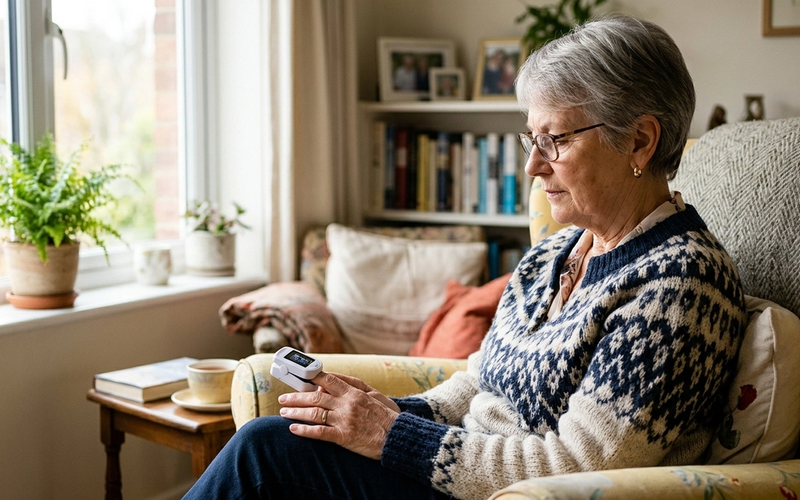
Normal Blood Oxygen Levels by Age for Seniors: What SpO2 Should Be
A normal blood oxygen level for seniors is 95 to 100 percent, the same as for any healthy adult, and it does not drop by the decade the way some charts claim. Here is what your pulse oximeter number means, when a low reading is an emergency, and why the device can read falsely high.

Cholesterol Levels by Age Chart for Seniors: What's Normal After 60
A desirable total cholesterol is under 200, with LDL under 100 and HDL over 60, and those targets are the same at 70 as they are at 40. Here is what your cholesterol numbers mean, how they really change with age, and when the number actually calls for treatment.
Explore senior living options
Comparing care for yourself or a family member? Browse communities by care type and see what each option typically costs.
- Assisted livingHelp with daily activities, costs, and how to choose a community.
- Independent livingMaintenance-free communities for active older adults.
- Home careIn-home support for seniors aging in place.
- Nursing homesSkilled nursing care and Medicare star ratings.
- Senior apartmentsAge-restricted, budget-friendly rental housing.
- Cost of senior livingCompare typical monthly prices by care type and state.