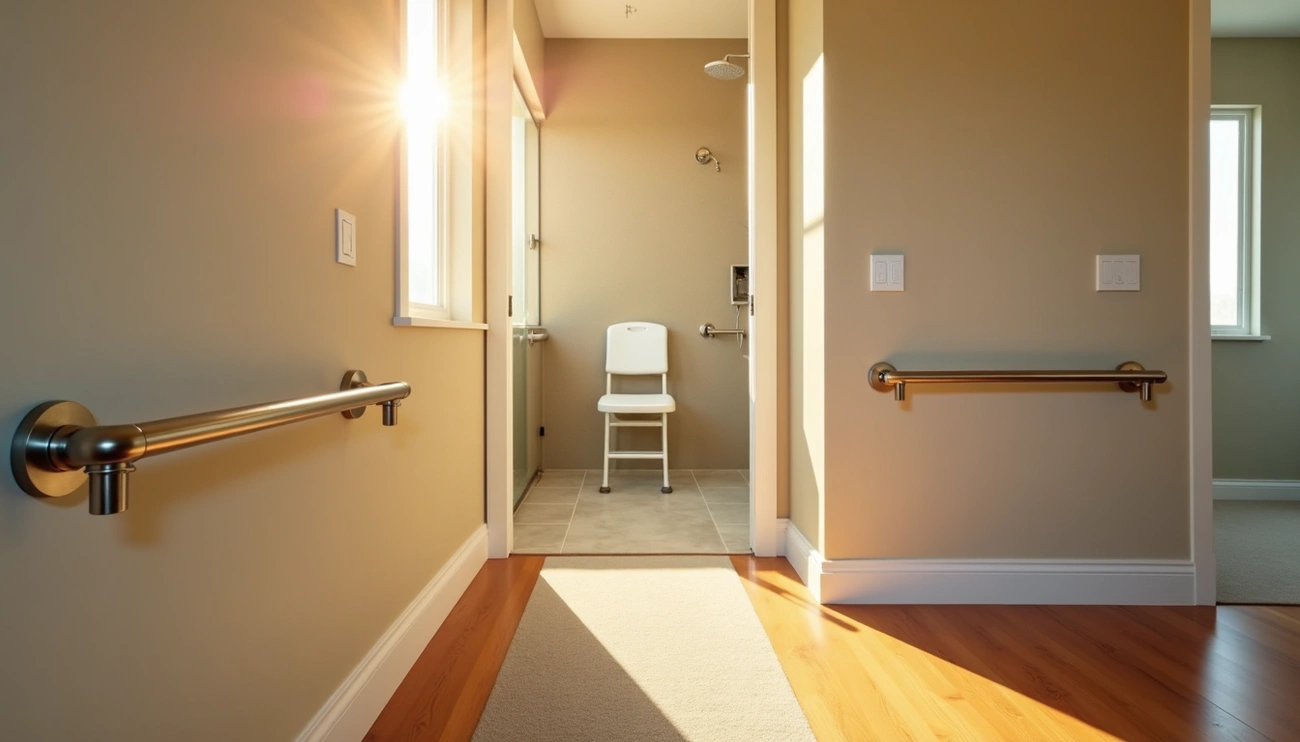

Elderly monitoring systems can make the difference between safe independence and unnecessary worry for families with aging loved ones. More than three quarters of people 50 and over intend to remain in their homes as they age, according to an AARP survey. With nearly 58 million people over age 65 living in the U.S., this preference for aging in place creates real safety concerns for adult children and caregivers.
The numbers highlight why these monitoring technologies matter. One in four Americans 65 years or older who live alone fall annually, creating serious safety risks. Yet technology adoption among seniors continues growing, with adults 50 and older spending $140 billion on technology in 2018. Remote elderly monitoring systems represent part of “AgeTech” – technology designed specifically for our aging population.
This guide covers what you need to know about setting up home monitoring systems for elderly family members. You’ll find information about different types of monitoring devices, step-by-step setup instructions, and practical guidance to help you choose and implement these systems. The goal is making the process straightforward while helping your loved ones receive appropriate care and maintain their independence.
Understanding Elderly Monitoring Systems
A monitoring system for elderly individuals uses technology to track health, safety, and daily activities while seniors maintain their independence. These systems consist of various devices that collect information about older adults and share data with caregivers or healthcare providers when needed.
What is a monitoring system for elderly?
An elderly monitoring system combines different technologies that observe various aspects of a senior’s daily routine and health. These systems include sensors, communication devices, and data collection tools that work together to support safety and independence.
Monitoring systems generally fall into two categories:
- Wearable sensors: Devices attached directly to the person, such as wrist-worn monitors that track vital signs or activity levels
- Environmental sensors: Devices placed throughout the home that monitor room activity through motion detection without requiring direct interaction
Many home monitoring systems operate quietly in the background, collecting important information while requiring minimal effort from seniors. The data can include vital signs like heart rate and blood pressure, movement patterns, and medication adherence. Advanced systems use artificial intelligence to spot unusual behaviors or health changes that might signal problems.
Why they matter for aging in place
Aging in place – allowing seniors to live independently in their own homes – has become a priority as our population ages. Nearly 90% of older adults prefer this arrangement over institutional care. This preference connects to greater life satisfaction, improved quality of life, and better overall well-being.
Remote monitoring technologies help make aging in place practical. They give caregivers tools to track vital signs, manage medication schedules, and monitor daily activities from a distance. These systems can reduce the burden on family caregivers while supporting seniors’ independence and potentially delaying or avoiding expensive institutional care.
Monitoring systems provide several health benefits:
- Help manage chronic conditions
- Prevent hospital readmissions
- Create opportunities for telehealth consultations
- Enable better understanding of disease progression over time rather than relying only on periodic doctor visits
Common concerns they help address
Elderly monitoring systems tackle numerous health and safety issues that affect seniors. Falls represent a primary concern – studies show that 30-40% of seniors fall each year, often causing serious injuries. Fall detection sensors in monitoring systems can immediately alert caregivers when falls occur, enabling quick response.
These systems also support medication management through reminders and automated dispensers, helping seniors take the right medications at correct times. For those with cognitive impairments, GPS tracking features can prevent wandering and ensure safe return home.
Monitoring systems can detect early warning signs of health problems before they become serious complications. They identify subtle changes in behavior or health measurements that might go unnoticed, enabling proactive care. This early detection proves particularly valuable for conditions like depression, which might show up through disrupted sleep patterns or reduced mobility.
Many systems now address social isolation – a serious health concern among seniors that increases dementia risk by 50% and heart disease by 29%. Through communication features, these platforms create connections between seniors, healthcare providers, and family members.
Types of Monitoring Devices for Senior Care
Monitoring technology for seniors comes in various forms, each designed to address specific safety and health concerns. The right combination of devices depends on your loved one’s needs and living situation.
Wearable Devices for Daily Monitoring
Wearable monitoring devices offer continuous health tracking without restricting seniors’ daily activities. These lightweight devices can be worn as watches, pendants, or clip-on units throughout the day. Many seniors prefer smartwatches because they combine health monitoring with familiar communication features.
Modern wearables track heart rate, blood oxygen levels, body temperature, and physical activity. Advanced models include electrocardiogram (ECG) capabilities, which can be particularly valuable for seniors with heart arrhythmia or heart disease.
Medication adherence improves significantly with wearable reminders. In one study, the percentage of people who forgot medications dropped from 46% to 5% after implementing reminder technology. This improvement can prevent serious health complications and hospital readmissions.
In-Home Sensors for Background Monitoring
In-home sensors operate quietly in the background, tracking movement patterns without requiring any action from your loved one. These systems use motion detectors placed strategically throughout the residence to monitor daily routines.
Motion sensors detect both normal activity and concerning changes. If your senior hasn’t triggered a sensor at their usual time or has left the house without returning after an unusually long period, the system alerts designated caregivers.
Door sensors provide extra security for those with dementia, sending notifications if a front door opens at unusual hours. Pressure sensors under mattresses or chair cushions can alert you if your loved one gets up during the night or hasn’t returned to bed within a set timeframe.
GPS Tracking for Wandering Prevention
GPS tracking devices offer essential safety for seniors with Alzheimer’s or dementia who may wander. These devices come as watches, pendants, shoe insoles, or clip-on units that can be worn discreetly.
Most GPS trackers include geofencing capabilities, allowing you to establish virtual safety zones around your loved one’s home and other familiar locations. If they venture outside these predetermined boundaries, the system immediately sends alerts to your phone. This feature addresses a serious concern since wandering affects people with dementia at any stage of the disease.
Fall Detection for Emergency Response
Fall detection technology serves as a critical safety net since falls cause both fatal and nonfatal injuries in older Americans more than any other type of accident. These systems use accelerometers and barometers to detect sudden changes in motion and air pressure that indicate a fall has occurred.
Fall detection devices worn on the chest demonstrate up to 98% accuracy in clinical studies. When a fall is detected, the system automatically contacts a response center through two-way communication, even if your loved one is unconscious or unable to press an emergency button.
Smart Medication Management
Medication errors cause between 7,000 and 9,000 deaths annually, making smart dispensers an important safety tool. Devices like Hero can store up to a 90-day supply of 10 different medications and dispense the correct dose at scheduled times.
These systems use multiple reminder methods including audible chimes, flashing lights, and smartphone notifications. Many also alert caregivers when doses are missed, allowing you to follow up with your loved one. This feature helps prevent serious complications from missed medications.
Environmental Safety Monitoring
Environmental sensors detect potential hazards in your loved one’s living space. Indoor air quality can be two to five times worse than outdoor air quality, significantly impacting respiratory health.
These monitors detect airborne dust, pollen, mold, carbon dioxide, volatile organic compounds (VOCs), and other harmful substances. Advanced environmental sensors also track temperature changes, humidity levels, and detect smoke or carbon monoxide, providing complete safety monitoring throughout the home.
How to Choose the Right System
Selecting the right elderly monitoring system requires careful consideration of your loved one’s specific circumstances and needs. Research shows that 87% of older adults believe appropriate technology can help them adjust to aging with confidence.
Assessing your loved one’s needs
Start by identifying the specific issues you want to address. Does your loved one need general security, fall detection, medication reminders, or wandering prevention? Conduct a thorough needs assessment by evaluating their ability to perform activities of daily living (ADLs) like dressing and bathing, as well as instrumental activities like managing medications and preparing meals. Medical conditions, fall history, mobility level, and cognitive state should all factor into your decision.
Comparing features and device types
Focus on essential features that match your identified needs. Devices with fall detection typically cost about $10 more monthly but can automatically call for help when falls occur. Battery life varies considerably between devices; most offer at least 20-24 hours of operation before needing a recharge. Coverage range matters too, with in-home systems offering between 200-1,400 feet of coverage. For optimal protection, choose a range of at least 1,000 feet.
Checking compatibility with existing tech
Consider whether the monitoring system works with your loved one’s current technology. For in-home systems, decide between landline connections (reliable for those with existing service) or cellular options (more versatile but dependent on signal strength). Look for systems that facilitate communication between legacy and modern technologies without requiring complete overhauls. Adaptable, plug-and-play solutions often integrate more smoothly with existing infrastructure.
Evaluating ease of use for seniors
Choose user-friendly systems that seniors can operate independently. Studies show that technological complexity is a major barrier to adoption, with 43% of seniors over 70 abandoning devices within the first two weeks. Look for intuitive interfaces with clear instructions, ergonomic designs, and minimal configuration requirements. Devices with large buttons, simple menus, and straightforward activation methods will likely see greater adoption and consistent use over time.
Step-by-Step Setup Guide
Setting up an elderly monitoring system can be straightforward with proper planning. You can create a reliable safety network for your loved ones without complicated technical knowledge. The following steps guide you through establishing an effective monitoring solution.
1. Plan the monitoring goals
Identify exactly what you want to monitor before purchasing any equipment. Consider your loved one’s specific needs and medical conditions. Are you most concerned about falls, wandering, medication adherence, or general activity levels? Elderly monitoring systems work best for seniors who remain relatively independent. If your loved one requires more hands-on assistance with daily activities, you may need to combine monitoring technology with in-home care services.
2. Choose the right location for devices
Strategic placement determines how well your system works. For base stations that connect to landlines, select a central location to maximize coverage throughout the home. Most systems offer a range between 800-1,400 feet, with 1,000 feet providing adequate coverage for standard homes. Building materials can affect signal strength-concrete walls or metal frames may reduce transmission range. Test thoroughly from every room after installation.
3. Install and test each component
Installation typically follows this process:
- Unbox the system and charge all components
- Place sensor pads correctly (under mattresses, on chairs, or doorways)
- Connect base stations to power outlets and phone lines/internet
- Turn on all devices following manufacturer instructions
For bed sensor pads, place them over the mattress and underneath a fitted sheet. Use anti-slip stickers to prevent false alarms. Under-mattress sensors should be positioned according to manufacturer guidelines to ensure accurate readings.
4. Connect to caregiver apps or platforms
Most modern monitoring systems include caregiver portals or smartphone apps. After physical installation, download the companion app and create an account. The setup process walks you through connecting devices and customizing settings. These platforms let you view your loved one’s location, check battery life, and monitor connection status. Spend time learning the interface on both mobile devices and computers.
5. Set up alerts and emergency contacts
Create a detailed emergency contact list with at least three contacts. Many systems distinguish between “responders” (those who can physically reach the senior quickly) and “notifiers” (those who should be informed but live too far away to help immediately). Local emergency services are typically included automatically as a backup. Test the system monthly by pressing the help button and informing the monitoring center it’s a test.
Privacy, Security, and Data Sharing
Privacy questions naturally arise when considering monitoring systems for elderly family members. How these technologies handle personal health information affects both the senior’s comfort and your family’s peace of mind.
What data is collected and why
Elderly monitoring systems typically collect health metrics like heart rate and blood pressure, movement patterns, medication adherence, and sometimes location data. This information serves specific medical purposes rather than general observation. The data helps identify health changes that may require medical attention. For seniors with conditions like diabetes or atrial fibrillation, this tracking becomes particularly valuable for ongoing care.
Who can access the information
Data access should remain strictly controlled. Most seniors feel comfortable sharing health information with their healthcare providers, while some approve of sharing with family members. However, many seniors express strong concerns about insurance companies, businesses, or unknown parties accessing their personal data. You’ll need to establish clear consent agreements before anyone receives this information.
HIPAA compliance and device certifications
The Health Insurance Portability and Accountability Act (HIPAA) sets national standards for protecting electronic health information. HIPAA mandates administrative, physical, and technical safeguards to ensure data confidentiality and integrity. Monitoring systems that handle health data must comply with these regulations, including proper encryption and access controls.
Tips for protecting senior privacy
Consider these practical steps to safeguard your loved one’s personal information:
- Choose systems without cameras or microphones when possible
- Verify that providers maintain HIPAA compliance with encrypted data storage
- Discuss data collection practices openly with your senior
- Select devices with clear, understandable privacy policies
- Look for de-identified data options when available
- Schedule regular security reviews of the monitoring system
These precautions help balance safety benefits with appropriate privacy protection for your family’s sensitive information.
Bottom Line
Elderly monitoring systems provide a practical way to balance independence with safety for aging family members. These technologies give you peace of mind while allowing your loved ones to remain in their homes. Various monitoring options, from wearable devices to motion sensors, address different safety and health concerns.
Choosing the right system depends on your loved one’s specific circumstances. You’ll want to consider their health conditions, mobility level, and comfort with technology. Systems with simple interfaces tend to work better since they’re more likely to be used consistently.
The setup process can be straightforward when you approach it systematically. Proper device placement, thorough testing, and clear emergency contacts ensure the system works when needed. Regular monthly tests help maintain reliability over time.
Privacy considerations matter when implementing these technologies. You should choose systems with strong data protection, involve your loved one in decisions about monitoring, and ensure they understand what information is being collected and shared.
These monitoring tools serve one main purpose: helping elderly family members live independently while providing appropriate safety support. The technology continues improving, offering more options that are both effective and unobtrusive.
Caring for aging loved ones presents challenges, but monitoring systems can help families address safety concerns while preserving the independence seniors value. The right system provides reassurance for everyone involved while supporting dignified aging in place.
Key Takeaways
Setting up an elderly monitoring system can significantly enhance senior safety while preserving independence. Here are the essential insights for implementing these life-changing technologies:
• Assess specific needs first – Identify whether your loved one needs fall detection, medication reminders, or wandering prevention before choosing devices
• Strategic placement maximizes effectiveness – Position sensors centrally with 1,000+ feet coverage and test thoroughly from every room after installation
• User-friendly design drives adoption – Choose systems with large buttons and simple interfaces, as 43% of seniors abandon complex devices within two weeks
• Privacy protection requires HIPAA compliance – Select encrypted systems with clear data policies and limit access to essential caregivers only
• Regular testing ensures reliability – Test emergency features monthly and maintain updated contact lists to guarantee the system works when needed
These monitoring systems bridge the gap between independence and safety, allowing nearly 90% of seniors who prefer aging in place to do so with confidence while providing peace of mind to their families.
FAQs
Q1. What are the key components of an elderly monitoring system? An elderly monitoring system typically includes wearable devices, in-home sensors, fall detection systems, and smart medication reminders. These components work together to track health metrics, detect falls, monitor daily activities, and ensure medication adherence.
Q2. How can I choose the right monitoring system for my elderly loved one? To choose the right system, assess your loved one’s specific needs, compare features of different devices, check compatibility with existing technology, and evaluate ease of use. Consider factors like fall detection capabilities, battery life, coverage range, and user-friendly interfaces.
Q3. Are elderly monitoring systems difficult to set up? Setting up an elderly monitoring system is generally straightforward. The process typically involves planning monitoring goals, choosing appropriate device locations, installing and testing components, connecting to caregiver apps, and setting up alerts and emergency contacts.
Q4. How do elderly monitoring systems address privacy concerns? These systems address privacy by limiting data access, ensuring HIPAA compliance, and implementing strong encryption protocols. It’s important to choose systems with clear privacy policies, educate seniors about data collection practices, and regularly audit security measures.
Q5. Can elderly monitoring systems help seniors age in place? Yes, elderly monitoring systems can significantly support aging in place. They provide continuous health tracking, fall detection, medication management, and emergency alert capabilities, allowing seniors to maintain independence while giving caregivers peace of mind about their safety and well-being.