
Virtual Exercise Classes for Seniors: Your Complete Guide to Working Out From Home
Approximately 60% of older adults sit for more than four hours daily, creating significant health risks for this growing population. This sedentary lifestyle contributes to concerning statistics: approximately 31% of the global population aged 15 and older fails to engage in sufficient physical activity, leading to around 3.2 million deaths annually. The numbers become more alarming…

About 60% of older adults sit for more than four hours daily. Prolonged sitting increases the risk of heart disease, diabetes, and early death. Globally, roughly 31% of people over 15 don't get enough physical activity, contributing to about 3.2 million deaths each year.
Falls are common in older age. One in three people over 65 experiences a fall that causes serious injury. For many seniors, exercise feels out of reach due to transportation issues, mobility limits, or discomfort exercising around others.
Virtual exercise classes address these barriers. You can work out from home without arranging transportation. The classes are built for older bodies, with options to modify movements based on your abilities.
These programs work. About 60% of participants in online fitness initiatives are 70 or older. An overwhelming 99% say they would recommend virtual exercise to a friend, reflecting genuine satisfaction with the approach.
This guide covers what you need to know about exercising at home as a senior: how to pick a program, what obstacles to expect, and how virtual fitness can improve both your physical health and sense of connection.
- Why virtual exercise matters for seniors
- Improved mobility and independence
- Reduced risk of chronic illness
- Mental and emotional well-being
- Key benefits of online exercise programs for seniors
- 1. Convenience and flexibility
- 2. Access to professional instruction
- 3. Social connection and reduced isolation
- 4. Safety and low-impact options
- Common challenges and how to overcome them
- 1. Navigating technology
- 2. Limited space or equipment at home
- 3. Motivation and consistency
- 4. Safety concerns and injury prevention
- How to choose the right online fitness class
- Look for senior-specific programs
- Check instructor credentials
- Consider live vs. recorded sessions
- Read reviews and try free trials
- Match classes to your fitness goals
- Bottom line
- FAQs
Why virtual exercise matters for seniors
Physical activity keeps older adults independent and helps prevent age-related health problems. Virtual exercise classes let you stay active even with mobility challenges or limited access to gyms.
Improved mobility and independence
Exercise strengthens the areas that naturally weaken with age: your upper back, shoulders, hips, and legs. A 12-week study of seniors in virtual exercise programs showed significant gains in lower-body strength, balance, and walking speed. These improvements lasted for up to 12 weeks after the program ended.
Stronger legs matter in real life. Better lower-body strength means fewer falls and more ability to move around independently without help.
Reduced risk of chronic illness
Seniors with chronic conditions benefit from regular physical activity. Online classes can be tailored to address specific health concerns.
- Cardiovascular health: Exercise lowers blood pressure and reduces heart disease risk. Just 90 minutes a week of moderate activity makes a measurable difference.
- Diabetes management: Regular movement improves blood sugar control and slows disease progression.
- Arthritis relief: Gentle stretching and tai chi put less stress on joints while reducing pain and improving how your joints work.
Online classes let you modify exercises on the fly if a move aggravates pain or causes discomfort.
Mental and emotional well-being
Exercise improves mood. In one study, seniors in an 8-week online exercise program saw depression scores drop from 4.2 to 2.2. Older adults in group exercise programs reported fewer symptoms of depression compared to those who didn't exercise.
The social part matters too. Group classes combat isolation, which is a real problem for many older adults. Participants said things like "I felt better... I felt more energetic." The classes create a sense of community, not just a workout.
Key benefits of online exercise programs for seniors
Online exercise programs offer advantages that traditional gyms can't match. They solve problems older adults actually face.
1. Convenience and flexibility
You can join from home, while traveling, or visiting family. This matters especially for rural seniors who might otherwise drive 50 miles round trip to reach a gym. With online classes, that drive disappears.
You also exercise when you want. Many platforms offer both live and on-demand classes, so you're not locked into a fixed schedule. This flexibility helps you stick with it, even when weather is bad or you're not feeling your best.
2. Access to professional instruction
You get certified instructors without paying for private training. These professionals teach proper form, show you how to modify movements, and give you personal attention.
Good programs bring in physical therapists or geriatric exercise specialists. Some even have an orthopedist do an initial assessment so the instructor knows your past injuries or surgeries and can set appropriate limits.
3. Social connection and reduced isolation
Virtual classes build real friendships. In one program, 80% of participants reported feeling less lonely, and 76% made new friends. Another study found 60% felt more connected to others through the classes.
Instructors help this happen by calling people by name, making class engaging, and encouraging interaction. One participant called it "really a great lifeline for keeping me in condition and having interaction."
4. Safety and low-impact options
Online programs offer seated versions of exercises alongside standing ones, so you can choose what works for your body. Falls are a real risk as you age, so good programs build in balance training to restore strength and reduce fall hazards.
Some platforms use rotating webcams so instructors can watch your form and catch problems in real time. You get professional oversight while exercising in the comfort of your home.
Common challenges and how to overcome them
Starting with virtual workouts can feel daunting. But the common obstacles have straightforward solutions.
1. Navigating technology
Many older adults struggle with technology. Some don't know how to use devices. Others have physical limitations that make tech harder.
Here's what helps:
- Ask a family member to set up your device and walk you through the basics
- Look for tech classes at community centers or libraries aimed at seniors
- Choose platforms designed for older adults, with larger text and simpler menus
- Consider a few private sessions to learn the basics before joining group classes
2. Limited space or equipment at home
A safe workout space is the foundation of safe exercise. You don't need much room to participate in virtual classes.
Pick a spot with good light and air. Make sure the floor is level and clear of clutter or throw rugs that could trip you. For gear, focus on things that don't take up much space: resistance bands or light dumbbells.
If space is tight, find programs with seated exercises or modifications that don't require a lot of movement. A sturdy chair and a wall are often enough.
3. Motivation and consistency
Staying motivated is hard. Half of sedentary people who start exercising quit after six months.
To keep going:
- Exercise at the same time every day to build a habit
- Find instructors whose energy and encouragement inspire you
- Set small goals instead of overwhelming targets
- Track progress in a journal or fitness app to see how far you've come
4. Safety concerns and injury prevention
Safety comes first, especially for older adults. Talk to your doctor before starting a new exercise program, particularly if you have chronic conditions.
Keep your form correct to avoid strains and sprains. A mirror in your exercise space helps you watch yourself and catch bad form. Start with simpler moves and gradually increase difficulty as you gain confidence.
To prevent falls, wear shoes with good support and non-slip soles. Keep a sturdy chair nearby in case you need it for balance. A good warm-up increases your range of motion and prepares your body safely.
How to choose the right online fitness class
Picking the right program takes some thought. With so many options out there, knowing what matters helps you find classes that fit your needs as an older adult.
Look for senior-specific programs
Choose programs built for seniors, not general fitness classes. Programs like EnhanceFitness are designed to work for both frail and active older adults. Healthy Moves for Aging Well targets sedentary seniors living at home who are at high risk of decline.
Senior-specific programs understand aging bodies. They pace movements appropriately and offer modifications that make sense for older joints and muscles.
Check instructor credentials
An instructor's qualifications directly affect your safety and results. Look for certifications like Certified Group Fitness Instructor, Certified Personal Trainer, or Certified Exercise Expert for Aging Adults from organizations like AFAA, ACSM, or NASM.
Programs that work with physical therapists or geriatric exercise specialists are better positioned to keep you safe and effective.
Consider live vs. recorded sessions
Live classes let you ask questions and get real-time feedback. They also create social connection, which matters if you're feeling isolated. In live sessions, choose smaller groups so the instructor can see you and correct your form.
Recorded classes let you exercise whenever it suits you and rewatch parts you want to practice again. Pick based on whether you need the instructor's eye on you or prefer flexibility.
Read reviews and try free trials
Ask friends who've tried programs what they think. Read online reviews about both the class and the instructor to check on safety and how well it actually works. Most platforms offer free trials so you can experience the teaching style before you commit.
Match classes to your fitness goals
Be clear about what you want. Do you want better cardiovascular fitness, more strength, more flexibility, or help recovering from an injury? Fit and Strong! focuses on flexibility, strength, and aerobic walking for people with arthritis in the lower body. Stay Active and Independent for Life works on balance, strength, and flexibility.
Bottom line
Virtual exercise classes solve real problems for seniors. No transportation needed. Classes fit your schedule. You get professional instruction designed for aging bodies.
The evidence is clear: seniors who do virtual fitness improve their mobility, balance, and strength while reducing fall risk and chronic disease. Equally important, they get social connection that fights isolation.
Getting started takes some planning but it's straightforward. Pick programs designed for seniors, not general fitness classes. Check that instructors have experience with older adults. Try the free trials to find teaching styles you like.
Technology worries shouldn't stop you. Family can help with setup, and many community centers offer tech help for seniors. Most platforms are built with older adults in mind.
Think about your specific goals. Want better heart health? More strength? Better flexibility? Different programs focus on different things, so matching your goals to the right class helps you succeed.
Virtual fitness makes regular exercise possible regardless of mobility limits, where you live, or health ups and downs. If you want to stay independent and active, these classes fit into daily life much better than traditional gyms.
Take the first step. Try a few programs, sample some free classes, and find an instructor you click with. That investment can pay off in better health, more mobility, and a better quality of life.
FAQs
Q1. Are virtual exercise classes safe for seniors with limited mobility? Yes, most programs offer modifications and seated options. Pick classes designed for older adults and talk to your doctor before starting anything new.
Q2. How can seniors overcome technology challenges when joining online fitness classes? Ask a family member for help with setup. Look for tech classes at community centers. Start with platforms designed for older adults. Some programs offer one-on-one sessions to teach you the basics.
Q3. What are the main benefits of virtual exercise classes for seniors? Convenience, flexibility, professional instruction, social connection, and safe, low-impact options. They improve mobility, reduce chronic disease risk, and boost mood.
Q4. How often should seniors participate in virtual exercise classes? It depends on your fitness level and goals. The key is consistency. Aim for at least 150 minutes of moderate-intensity exercise per week, spread across multiple sessions.
Q5. What should seniors look for when choosing an online fitness class? Look for programs designed for older adults. Check instructor credentials. Consider live vs. recorded. Read reviews and try free trials. Make sure the class fits your goals and offers appropriate modifications and safety guidance.
Frequently asked questions
Get matched
Looking for senior care for someone you love?
Tell us what you're considering. We'll share independent matches and pricing directly with you. No phone calls until you ask for one.
- Takes about two minutes to complete.
- Pricing details emailed to you. No phone calls until you ask for one.
- Independent matching. We do not own the communities we list.
Loading the matching form…
Powered by SilverAssist. By submitting this form you agree to our privacy policy.
More from our editors
All articles
Senior Monitoring Systems: A Complete Guide to Keeping an Aging Parent Safe at Home
Senior monitoring systems range from one-button medical alerts to passive motion sensors, cameras, GPS trackers, and caregiver apps. Here is how the main types compare on what they do, what they cost, what Medicare covers, and how to choose the right one without crossing privacy lines.
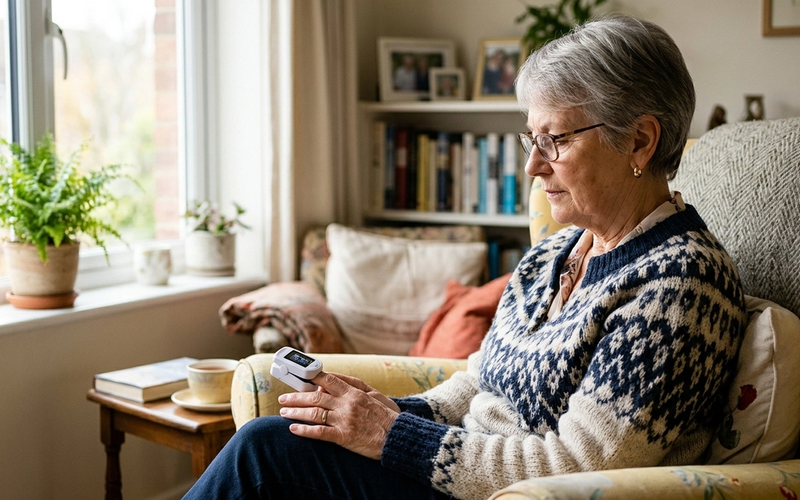
Normal Blood Oxygen Levels by Age for Seniors: What SpO2 Should Be
A normal blood oxygen level for seniors is 95 to 100 percent, the same as for any healthy adult, and it does not drop by the decade the way some charts claim. Here is what your pulse oximeter number means, when a low reading is an emergency, and why the device can read falsely high.

Cholesterol Levels by Age Chart for Seniors: What's Normal After 60
A desirable total cholesterol is under 200, with LDL under 100 and HDL over 60, and those targets are the same at 70 as they are at 40. Here is what your cholesterol numbers mean, how they really change with age, and when the number actually calls for treatment.
Explore senior living options
Comparing care for yourself or a family member? Browse communities by care type and see what each option typically costs.
- Assisted livingHelp with daily activities, costs, and how to choose a community.
- Independent livingMaintenance-free communities for active older adults.
- Home careIn-home support for seniors aging in place.
- Nursing homesSkilled nursing care and Medicare star ratings.
- Senior apartmentsAge-restricted, budget-friendly rental housing.
- Cost of senior livingCompare typical monthly prices by care type and state.