
Why Smart Technology in Senior Living Facilities Changes Everything
Technology in senior living facilities is expanding as more than 90% of older adults prefer to age in their own homes. Smart devices and monitoring systems now support this preference while maintaining safety protocols. Senior care technology adoption has increased substantially.

Ask almost any older adult where they'd rather grow old, and the answer is overwhelmingly the same: at home. More than 90% say so. What's changed is that smart devices and monitoring systems can now make that wish safer to honor, quietly watching for trouble so a person doesn't have to trade independence for security.
The old assumption that seniors won't touch new technology hasn't aged well. Nearly 90% of Americans over 50 now own a smartphone, and 53% of adults 55 and over use some form of health-related or assistive technology. In one survey, 88% of people said their health monitoring devices had made their lives measurably better.
The tools themselves are branching out in every direction. Telemedicine brings the doctor into the living room, wearables keep an eye on vital signs and activity and can flag a fall the moment it happens, and connected homes handle the rest. Roughly 34% of seniors over 65 already own at least one smart home device beyond a smart speaker.
That support shows up in several forms: smart home systems, wearable health monitors, telehealth, social engagement tools, and a growing set of artificial intelligence applications, each aimed at a different part of daily life.
Smart home systems that support independence
Smart home tech is one of the biggest reasons more seniors can stay put. Falls hit more than 25% of older adults every year, per the CDC, and the right setup handles that risk without stripping away a person's dignity.
Voice-activated controls for daily tasks
About 29% of adults aged 50 and older use voice assistant devices like Amazon Echo, Google Nest Hub, and Apple HomePod. These respond to simple voice commands, so seniors can handle tasks hands-free.
Voice assistants set medication reminders, make emergency calls, control connected devices, and provide weather updates without requiring physical interaction. Seniors with limited mobility or vision can turn on lights, adjust thermostats, or call family members by speaking a command.
Voice assistants also work as emergency tools. Alexa Emergency Assist connects seniors to live responders who can request emergency services and relay critical medical information when needed.
Automated lighting and temperature settings
Smart lighting with motion sensors prevents falls by automatically illuminating pathways at night. These systems can adjust throughout the day to match seniors' natural sleep-wake cycles.
Smart thermostats like Nest and Ecobee learn residents' preferences and can be controlled remotely by family members. This matters because seniors can develop hypothermia or heat stroke indoors without noticing.
Automatic light sensors improve confidence and safety for older people at risk of falling, and they reduce worry for family caregivers of loved ones who live alone.
Fall detection and emergency alerts
Falls are the leading cause of both fatal and nonfatal injuries among older Americans. Fall detection technology addresses this directly.
These systems use accelerometers, barometric sensors, and algorithms to distinguish between actual falls and false alarms. When a fall occurs, the system automatically contacts a response center, even if the person is unconscious or unable to press a button.
Fall detection helps prevent "long lies", situations where seniors remain on the ground for extended periods after falling. Up to 30% of falls result in long lies. About half of older adults who experience a long lie die within six months afterward.
Smart appliances with safety features
Smart appliances provide convenience and critical safety features:
- Smart stoves with automatic shutoff mechanisms prevent fire hazards from unattended cooking
- Smart refrigerators alert seniors when food expires or needs restocking
- Water leak and smoke detectors automatically notify residents and caregivers about potential hazards
- Smart pill dispensers store and automatically dispense medications at preset times
Smart plugs allow remote control of electrical devices through WiFi, smartphone apps, or voice commands.
For anyone determined to age in place, a connected home is where independence and safety stop being a tradeoff. And as the underlying AI gets sharper, these setups only get better at it.
Wearable devices for health monitoring
More older adults are adopting wearable technology as device designs become easier to use. These devices provide continuous health monitoring while looking like consumer electronics rather than medical equipment.
Tracking vital signs and sleep patterns
Modern wearables attach to the body without restricting movement, monitoring health metrics continuously. They track heart rate, blood pressure, oxygen levels, body temperature, physical activity, calories burned, sleep duration, and sleep quality.
Sleep monitoring is particularly valuable for seniors, since sleep quality affects overall health and many conditions first show up in sleep pattern changes. Studies of wearable sleep tracking found that total sleep time, wake time after sleep, and sleep efficiency were the most commonly measured metrics.
Research using pressure sensors beneath mattresses found that body movements during sleep predicted health changes in seniors. These patterns helped detect heart failure, high blood pressure, abdominal tumors, seasonal flu, and urinary tract infections before they became severe.
Seniors' sleep patterns vary significantly night to night, making continuous tracking useful. In research studies, approximately 77% of participants found trackers helpful, and 45% reported increased motivation for healthier living.
Fall detection and emergency response
One out of four seniors falls in their home annually. These incidents often need immediate response to prevent serious harm.
Modern fall detection devices use accelerometers to detect sudden speed changes, barometers to measure pressure variations, and algorithms that distinguish between actual falls and false alarms. The system automatically contacts monitoring centers when falls occur, even if users cannot press emergency buttons.
This technology helps prevent long lies, where seniors remain on the ground for extended periods. Studies show these systems reduce fear of undetected falls, encouraging seniors to stay active in their homes.
Testing of 12 different fall detection devices showed varying accuracy. The best performers detected 80% of test falls while generating zero false alarms during week-long evaluations. Continuous wear remains essential for effectiveness, making device comfort important.
Integration with caregiver apps
Wearable health monitoring integrates with specialized caregiver applications for comprehensive oversight. Apps like eCare21 connect with wearable devices to monitor vital signs, medication adherence, and activity levels.
These applications enable 24/7 monitoring using wireless devices and smartwatches. Healthcare providers can track heart rate, glucose levels, activity, calorie intake, sleep patterns, medication compliance, and weight changes through continuous data.
Remote monitoring allows healthcare providers and caregivers to maintain oversight from any location. Notification systems reduce the burden of constant supervision while maintaining safety.
The more advanced systems layer in automated alerts, location tracking, and a direct line to family through a phone app. The point isn't surveillance; it's stepping in only when someone actually needs it.
Telehealth and remote care access
Telehealth usage among older Medicare beneficiaries jumped from 4.6% before the pandemic to 21.1% during it. This shift shows how remote care technologies fill gaps in senior healthcare delivery.
Virtual doctor visits from home
Virtual doctor visits eliminate transportation barriers for seniors with mobility challenges and reduce exposure to illnesses in medical facilities. These appointments connect older adults with healthcare providers through video calls, phone consultations, or secure online portals.
Most telehealth visits are for routine primary care (over 75% of cases), followed by urgent health issues (approximately 45%) and mental or behavioral health (just under 30%). Virtual appointments have cut emergency room visits by 31% and hospitalizations by 38% among elderly telehealth users.
Most older adults reported high satisfaction after experiencing telehealth during the pandemic and wanted virtual care options to remain available. About one-third of adults age 50 and over said they were extremely or very interested in using telehealth for themselves or loved ones.
Remote patient monitoring systems
Remote monitoring technologies connect seniors and healthcare providers through digital devices that track vital health metrics. These systems use wireless devices to collect data on glucose levels, blood pressure, weight, oxygen levels, and other measurements.
The I-Care platform connects older adults with cognitive impairment to family members living far away. The system alerts individuals when subtle changes suggest cognitive or health decline. Some monitoring systems use vibration sensors about the size of prescription bottles that plug into wall outlets, mapping seniors' daily routines by recording vibrations from activities.
These monitoring systems reduce mortality rates by 45% among older adults with chronic conditions. Studies of elderly participants showed high adherence rates: 75% for blood pressure readings, 81% for daily weight measurements, and 77% for continuous monitoring.
Medication management through connected devices
Nearly two-thirds of seniors take five or more medications. Connected devices that organize, schedule, monitor, and dispense prescriptions help manage this complexity.
Solutions like Karie automatically organize prescription medications and remind users when to take them. These devices have cellular connectivity, automatically connecting to pharmacies, loading prescription schedules, and alerting patients and caregivers about issues.
Clinical trials showed a 300% increase in medication adherence with automated systems. Other medication reminder tools include electronic pill bottles, ingestible sensors, electronic medication management systems, and blister packs with microchips that record when medication was taken.
Senior living communities lean on these telehealth tools to keep care steady while residents hold onto their independence and dignity.
Social engagement through technology
Social isolation carries significant health risks for seniors. Studies show that social interaction decreases the risk of depression, dementia, and anxiety. Technology-enabled connections have become important in modern senior living.
Video calling and messaging apps
The pandemic accelerated video calling adoption among older adults, with tech and internet usage rising substantially in this age group. Traditional video calling tools can be challenging for seniors with limited technical knowledge or cognitive impairments.
Specialized video calling systems address this. These devices connect directly to seniors' televisions, technology they already understand, eliminating complicated interfaces. Systems like ONSCREEN automatically turn on the TV, switch from regular programming to connect calls, and return to normal viewing afterward. Caregivers report their loved ones seem happier and show improved well-being.
Messaging apps designed for seniors include:
- WhatsApp: Allows voice messaging instead of typing, helpful for those with arthritis
- Facebook Messenger: Uses existing Facebook connections
- Specialized platforms like Heedy: Offer simple functions without passwords, settings, or complicated touch screens
Virtual activities and online communities
Virtual senior centers provide platforms for ongoing learning and social engagement through internet-enabled devices. These centers offer online classes including memory workouts, yoga, and painting. Seniors can participate from their homes.
Interest-based online groups connect like-minded individuals. Communities range from book clubs and cooking classes to hobby-specific forums. These groups remove physical barriers for those with limited mobility or transportation challenges.
Digital memory albums and storytelling tools
Digital memory books offer cognitive and emotional benefits by helping seniors reconnect with their past. For those experiencing memory challenges, these tools anchor identity and can spark discussions with family members.
The storytelling process provides therapeutic value. Studies show that digital storytelling activities improve relationships between seniors and their caregivers. Family members report better communication as past events are remembered and discussed.
Voice notes and video clips enrich these digital albums, creating more dynamic experiences than physical books alone. Memory books become collaborative family projects where everyone contributes stories about the senior's life.
AI and robotics in assisted living technology
AI and robotics are showing up in more assisted living communities as operators look for ways to stretch their care further. Done well, they back seniors up without taking over.
Predictive analytics for early health warnings
AI-powered analytics monitor health metrics and identify patterns to predict potential health issues before they become serious. This allows caregivers to intervene early, preventing health deterioration and reducing hospitalizations.
The McKinsey Global Institute reports that widespread adoption of predictive analytics in senior care could reduce healthcare costs by up to 20% over the next decade. These systems can detect subtle changes in daily routines that might indicate cognitive decline or health issues.
Predictive models analyze data from over 1,200 interventions and therapies to monitor Activities of Daily Living scores and prevent decline.
Robotic companions for emotional support
About 37% of American adults aged 50 to 80 experience loneliness. Robotic companions like ElliQ, an AI-powered companion robot, provide social connection by remembering conversations and building relationships with users.
In company-reported data, most ElliQ users said the robot reduced loneliness and improved their sense of well-being, though independent evidence remains limited.
These robots engage in conversations, play games, and discuss topics including religion and the meaning of life. They also connect seniors with family members through video calls and messaging.
AI-powered reminders and task automation
AI systems handle repetitive tasks while supporting human caregivers. These systems provide medication reminders, helping seniors follow complex prescription schedules.
AI-enabled systems can review resident care plans, identify medication errors, and alert staff to potential problems. They track vitals and symptoms, providing real-time monitoring for early detection of abnormalities.
Automation frees caregivers to focus on tasks that require empathy, creativity, judgment, and critical thinking.
Technology integration continues in senior living
Technology adoption in senior living facilities has expanded across multiple areas, creating new options for aging in place. Smart home systems with voice controls, automated lighting, and fall detection enable seniors to stay independent while addressing safety concerns. Wearable devices provide continuous health monitoring, tracking vital signs and detecting emergencies.
Telehealth services have improved accessibility for seniors with mobility limitations. Virtual doctor visits and remote monitoring systems have reduced hospitalizations and emergency room visits among elderly users. Connected medication management devices help seniors manage complex prescription schedules.
Social isolation affects older adults' health outcomes. Video calling systems, virtual activities, and digital memory tools now provide connection options for seniors with limited mobility or transportation access. These technologies offer engagement opportunities from home.
Artificial intelligence and robotics represent emerging areas in senior care technology. Predictive analytics monitor health patterns to identify potential issues early. Robotic companions like ElliQ have shown results, with 95% of users reporting reduced loneliness according to company data.
However, technology adoption faces challenges. Some seniors may find new devices difficult to learn initially. The effectiveness of these systems depends on proper implementation and ongoing support from caregivers and family members.
Senior living facilities continue to evaluate which technologies provide the most benefit for their residents. The integration of smart home systems, health monitoring, and communication tools creates options for seniors who prefer aging in place while maintaining safety.
Frequently asked questions
Get matched
Looking for senior care for someone you love?
Tell us what you're considering. We'll share independent matches and pricing directly with you. No phone calls until you ask for one.
- Takes about two minutes to complete.
- Pricing details emailed to you. No phone calls until you ask for one.
- Independent matching. We do not own the communities we list.
Loading the matching form…
Powered by SilverAssist. By submitting this form you agree to our privacy policy.
More from our editors
All articles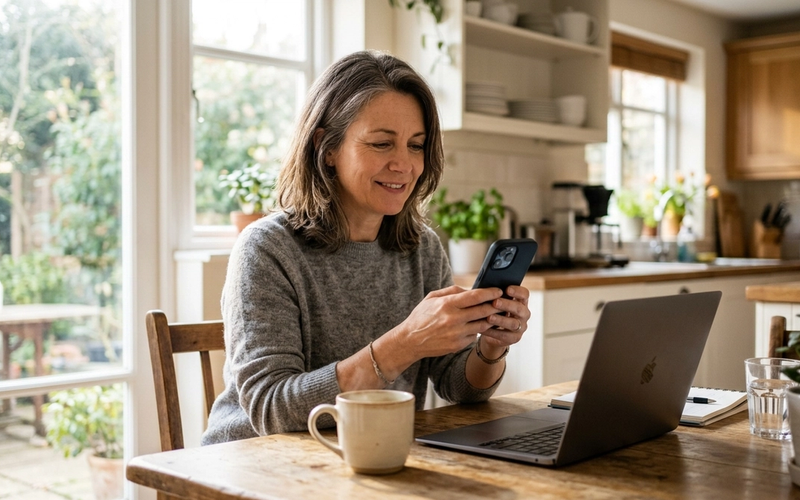
Senior Monitoring Systems: A Complete Guide to Keeping an Aging Parent Safe at Home
Senior monitoring systems range from one-button medical alerts to passive motion sensors, cameras, GPS trackers, and caregiver apps. Here is how the main types compare on what they do, what they cost, what Medicare covers, and how to choose the right one without crossing privacy lines.
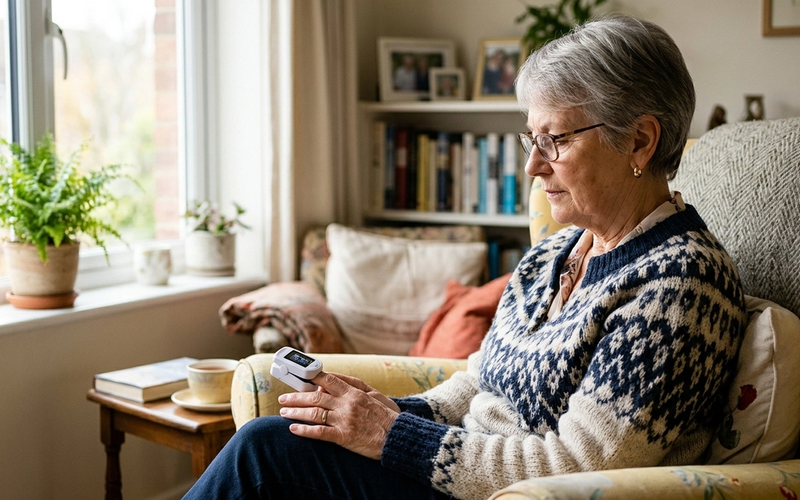
Normal Blood Oxygen Levels by Age for Seniors: What SpO2 Should Be
A normal blood oxygen level for seniors is 95 to 100 percent, the same as for any healthy adult, and it does not drop by the decade the way some charts claim. Here is what your pulse oximeter number means, when a low reading is an emergency, and why the device can read falsely high.

Cholesterol Levels by Age Chart for Seniors: What's Normal After 60
A desirable total cholesterol is under 200, with LDL under 100 and HDL over 60, and those targets are the same at 70 as they are at 40. Here is what your cholesterol numbers mean, how they really change with age, and when the number actually calls for treatment.
Explore senior living options
Comparing care for yourself or a family member? Browse communities by care type and see what each option typically costs.
- Assisted livingHelp with daily activities, costs, and how to choose a community.
- Independent livingMaintenance-free communities for active older adults.
- Home careIn-home support for seniors aging in place.
- Nursing homesSkilled nursing care and Medicare star ratings.
- Senior apartmentsAge-restricted, budget-friendly rental housing.
- Cost of senior livingCompare typical monthly prices by care type and state.