Exercise, mobility, nutrition, and healthy-aging guidance.
35 articles
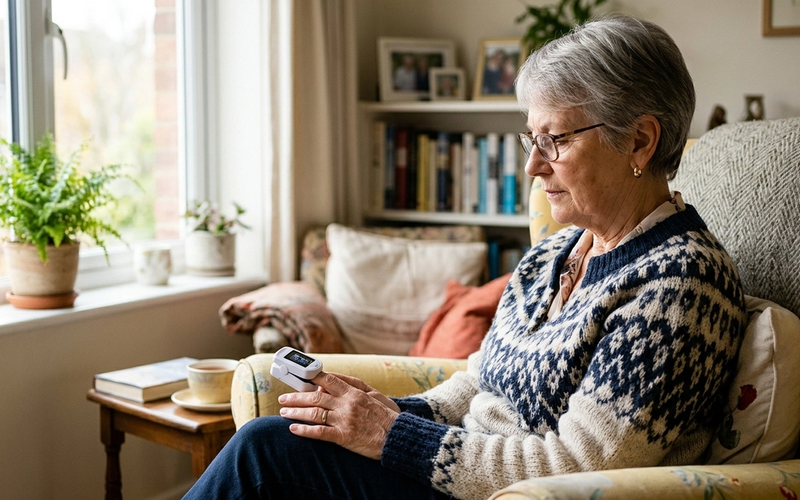
A normal blood oxygen level for seniors is 95 to 100 percent, the same as for any healthy adult, and it does not drop by the decade the way some charts claim. Here is what your pulse oximeter number means, when a low reading is an emergency, and why the device can read falsely high.
July 8, 2026

A desirable total cholesterol is under 200, with LDL under 100 and HDL over 60, and those targets are the same at 70 as they are at 40. Here is what your cholesterol numbers mean, how they really change with age, and when the number actually calls for treatment.
July 7, 2026
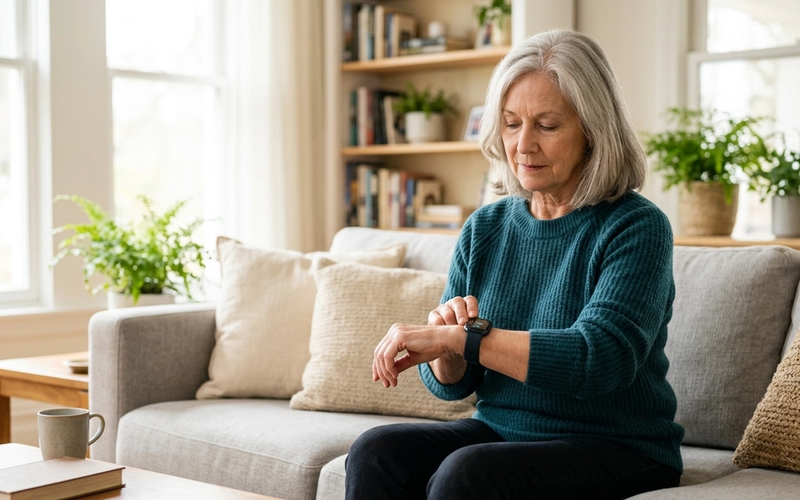
A normal resting heart rate for seniors is 60 to 100 beats per minute, and it does not drop into neat age brackets the way many charts claim. Here is what your number means, target heart rates by age, and when a slow, fast, or irregular pulse needs a doctor.
July 5, 2026
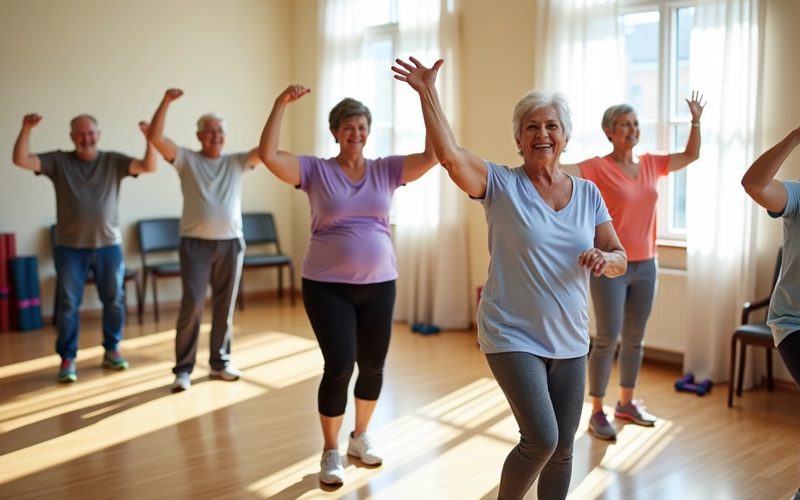
Tai chi walking, chair-based classes, warm-water sessions and strength work are what most senior centers actually offer. What each one suits, what the evidence says about falls, and the questions worth asking before you sign up.
April 28, 2026
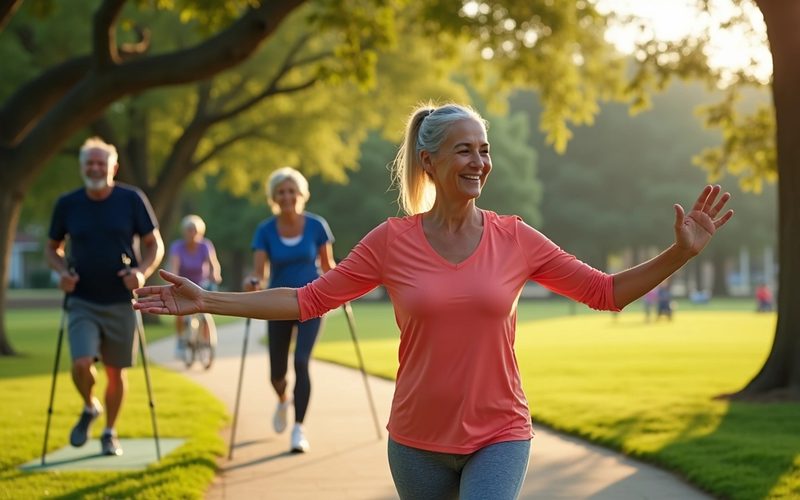
The right hobbies for seniors can add years to your life. The National Institute of Aging indicates that having a hobby can increase life expectancy and decrease depression, in fact. Research shows that regular participation in enjoyable physical activities boosts mental, physical and social well-being among older adults. The best hobbies for seniors are a great way…
April 7, 2026

These 17 hobbies provide practical ways for men over 50 to support physical health, mental clarity, and social engagement while finding new sources of meaning.
March 1, 2026
Staying healthy as we age presents unique challenges that many seniors face daily. As many as half of aged patients don’t comply with their medication regimen once they’re home, creating significant health risks that proper support could help prevent. You may find yourself managing multiple medications, tracking dietary needs, or wondering how to maintain an exercise…
January 6, 2026
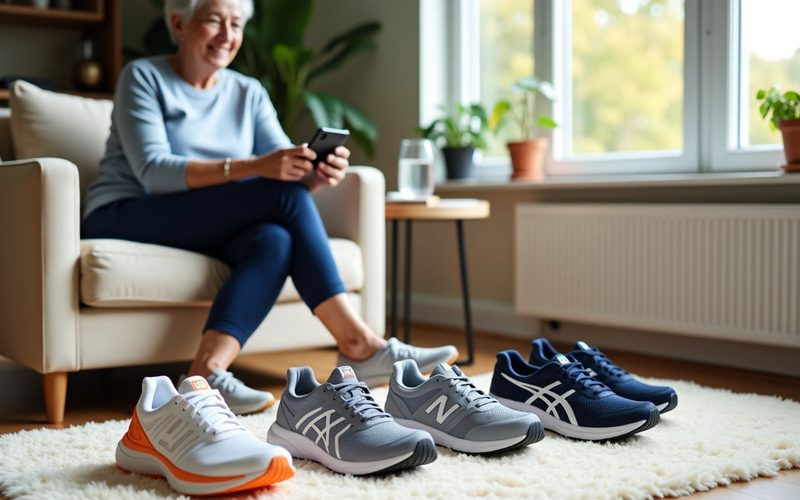
Comfortable walking shoes for seniors represent more than a comfort preference-they’re essential for maintaining mobility. One out of every three people over age 65 experiences aching feet, making proper footwear crucial for staying active and independent. Walking provides excellent health benefits, but the right shoes determine whether you stay comfortable or face injury. For senior women, finding…
December 16, 2025
Just under 14 percent of adults 65 and older met federal physical activity guidelines in 2022, according to CDC National Health Statistics. The Centers for Disease Control and Prevention (CDC) recommends older adults get at least 30 minutes of daily exercise to strengthen muscles and prevent or delay chronic health problems.
November 3, 2025
Posture problems creep up on most of us well before old age, and by 60 somewhere between 20% and 40% of people have a pronounced forward curve in the upper spine. These simple daily fixes can ease the back pain that follows.
October 17, 2025
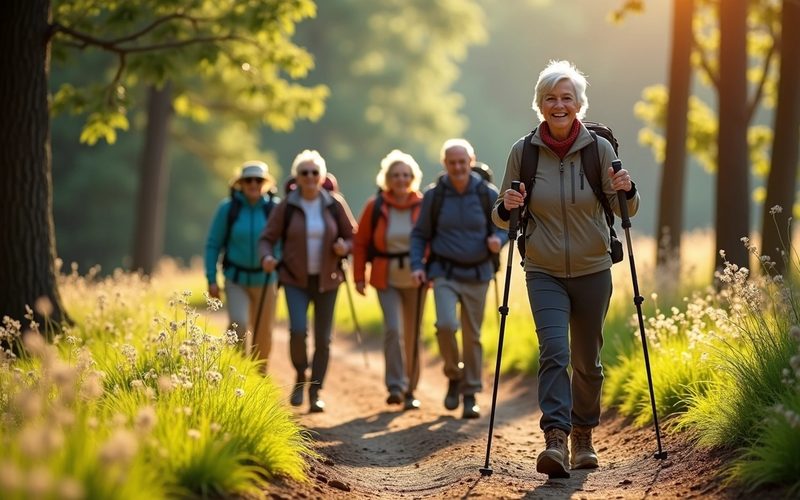
Recent research from the University of York in the U.K. shows that time spent in nature can improve mental health, even for individuals with a history of mental illness. Additional studies reveal that hearing birdsong helps reduce depression, stress, and anxiety. For seniors looking to stay active while addressing health concerns, these findings point to hiking…
October 16, 2025
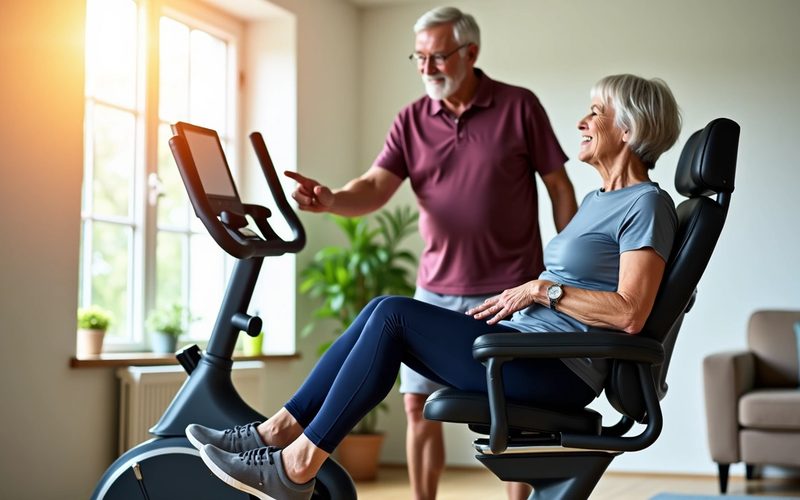
Staying active becomes more challenging as we age, particularly when joint pain or mobility issues limit exercise options. The CDC recommends that older adults get at least 30 minutes of exercise per day, but finding the right equipment to meet this goal safely can take some research. Recumbent exercise bikes for seniors offer a practical solution for maintaining.
September 12, 2025
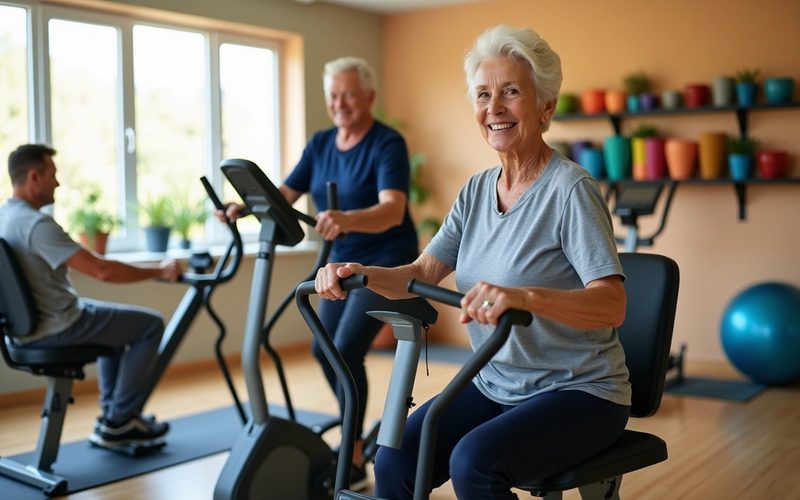
Regular exercise can make the difference between dependency and active, independent living for older adults. According to the American Academy of Family Physicians, getting at least 30 minutes of daily exercise can help lower the risk of chronic disease among older adults. The Centers for Disease Control (CDC) recommends that adults 65 and older need at.
August 27, 2025
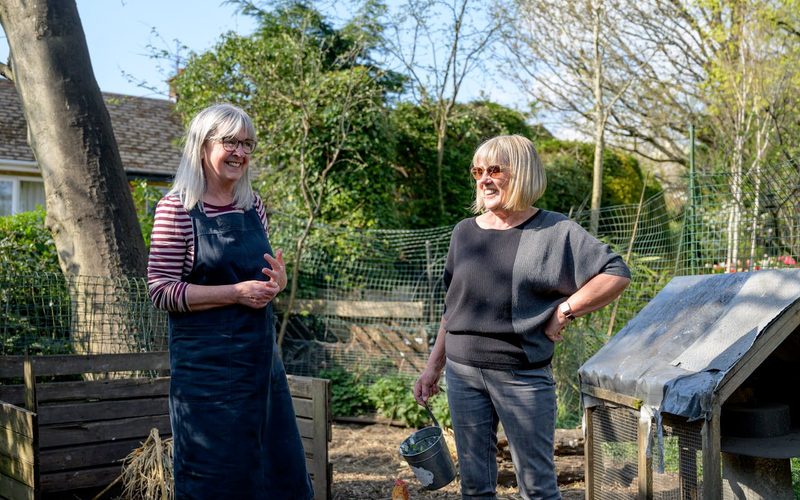
Spending too much time indoors can lead to depression, anxiety, isolation, and decreased vitamin D levels in seniors. Outdoor activities for seniors offer a practical solution with benefits that extend far beyond fresh air and sunshine. The CDC recommends that all adults 65 and older participate in at least 150 minutes of moderate physical activity each week.
August 13, 2025

Qigong exercises can provide seniors with a practical approach to staying active while accommodating the physical changes that come with aging. This ancient Chinese practice combines controlled breathing, gentle movements, and focused attention to support both physical and mental well-being. Many seniors face challenges with traditional exercise programs due to joint pain, balance concerns, or mobility…
August 12, 2025
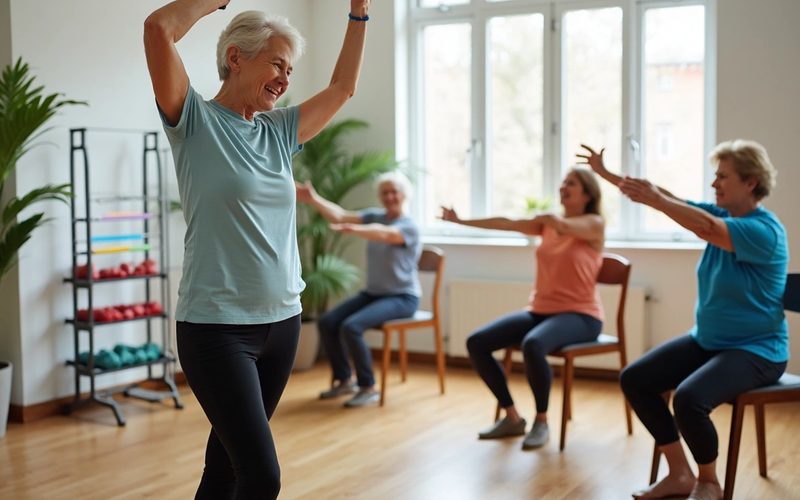
Staying active as you age presents real challenges, and a lot of Americans 65 and older fall short of the recommended activity levels even though regular physical activity contributes significantly to independence and daily function. Many seniors want to stay fit but struggle to find suitable and affordable options.
August 4, 2025
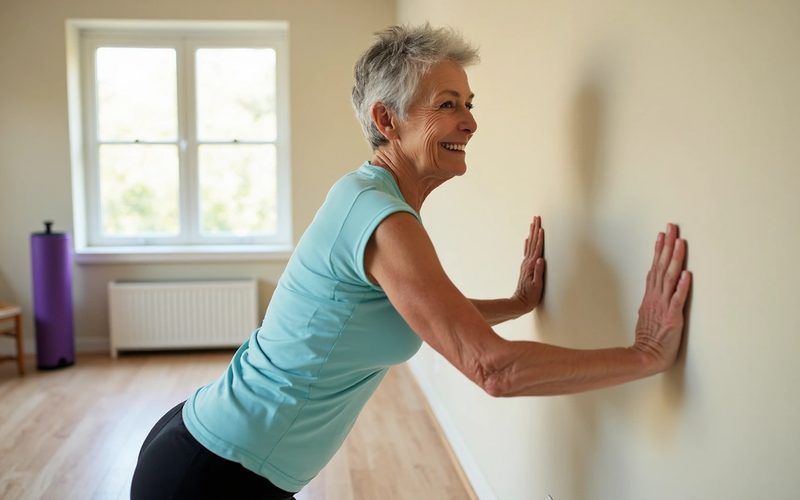
Did you know that more than half of adults over 50 are at risk of breaking a bone due to osteoporosis or low bone density? Weight bearing exercises for osteoporosis are crucial for maintaining bone health as we age. Osteoporosis is a major cause of disability in older women , but fortunately, regular physical activity can significantly…
July 24, 2025
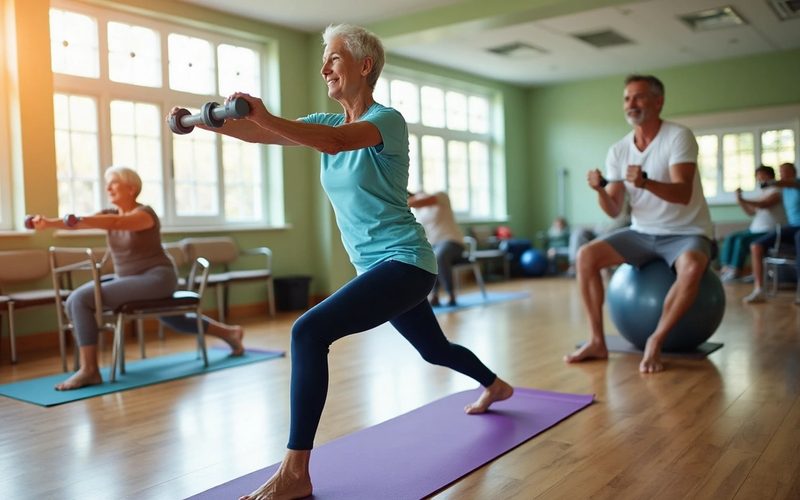
Most adults over 65 fall short of the recommended exercise levels, but starting later in life still pays off. Here is how to begin safely, what the federal guidelines actually ask for, and which activities are easiest to stick with.
June 13, 2025
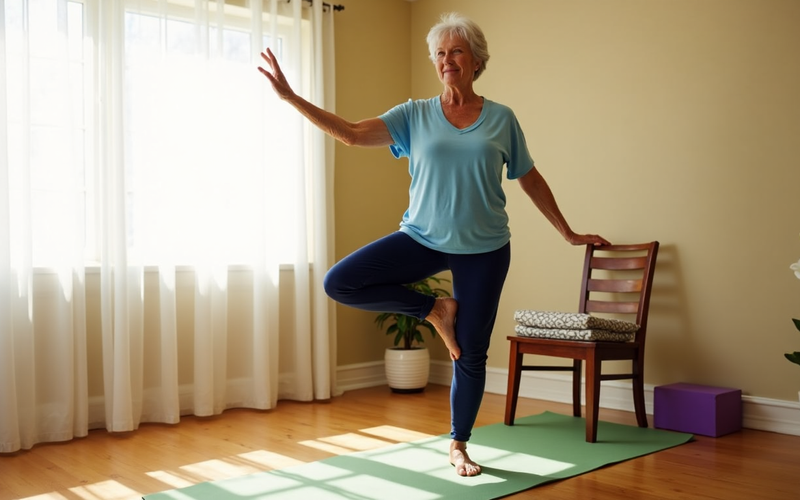
Balance erodes quietly with age, and yoga is one of the few practices that trains it directly while also building strength and easing stiff joints. This is a gentle starting guide for complete beginners over 60: how to set up a safe space, which breathing work and seated poses to begin with, and how to progress to standing poses without risking a fall.
April 19, 2025
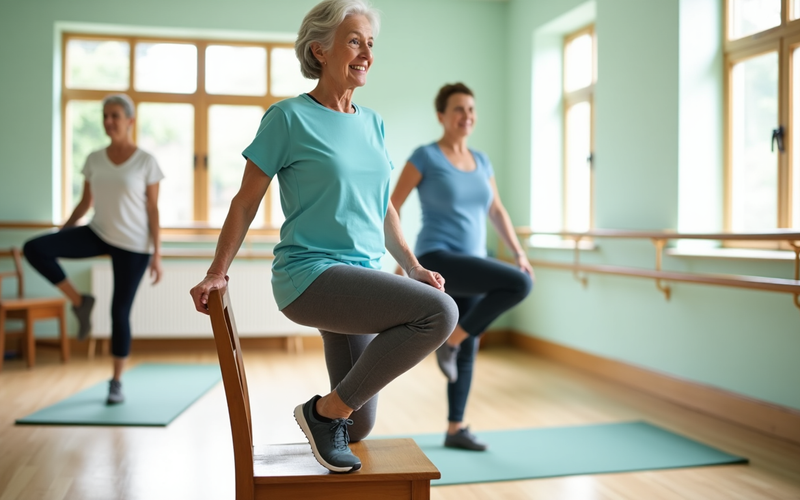
More than one in four adults 65 and older falls each year, and 3 million end up in an emergency room. Balance is trainable at any age. This guide covers simple balance exercises you can do at home, how to set up safely, and how to progress without risking a fall.
April 12, 2025

The mobile app marketplace now has over 2 million apps, which makes finding a senior fitness app feel like searching for a needle in a haystack. Older adults need tailored exercise solutions that put safety first and actually work. Regular exercise is vital for seniors.
March 31, 2025
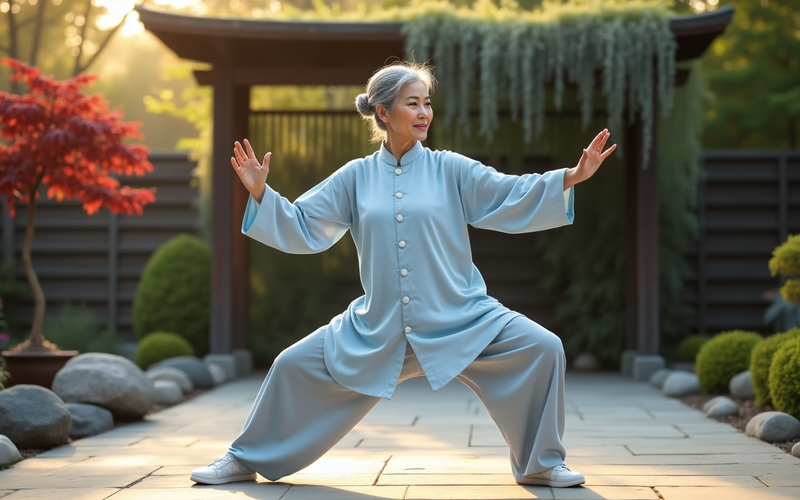
Seniors practicing tai chi reduce their fall risk by 50%, according to new research from Emory University School of Medicine. The ancient Chinese practice tai chi for seniors demonstrates significant benefits for balance and stability compared to other exercise methods. Medical studies show tai chi’s effects extend beyond fall prevention. Regular practitioners experience improved leg strength, cardiovascular…
March 3, 2025
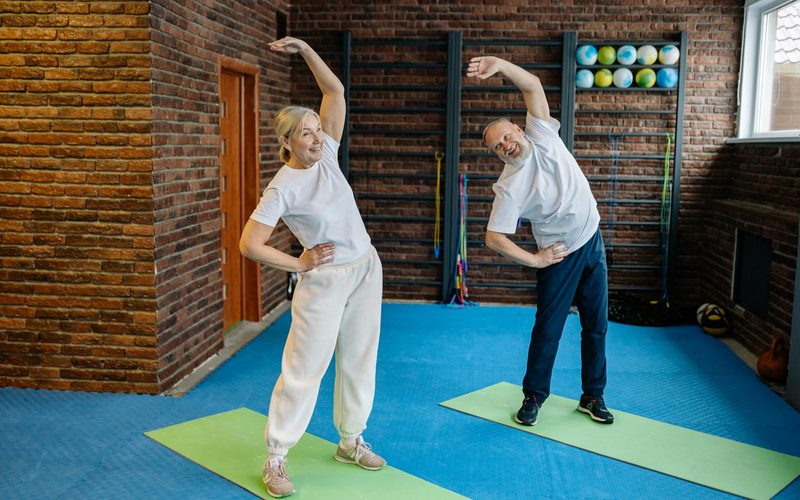
CDC data shows only one-third of Americans aged 65 and older meet recommended exercise guidelines. The remaining 60% report no regular physical activity, according to federal health statistics. Senior fitness classes provide structured solutions for meeting CDC’s recommended 150 minutes of weekly moderate-intensity exercise. Group programs deliver both physical benefits and social connections, helping participants…
March 3, 2025

Recent data shows significant growth in online learning adoption among adults aged 65 and older, Reuters reports. Digital education platforms report a 43% increase in senior enrollment over the past year, challenging traditional retirement learning patterns. Online education platforms offer flexible alternatives to traditional classrooms, allowing seniors to access courses from home. The shift comes…
December 22, 2024
Staying mobile, strong, and well-nourished is the single best predictor of a long, independent older life. Our fitness and wellness coverage is built on what the research actually shows: resistance training matters more than cardio after 65, balance work prevents falls more than walking does, and dietary protein needs go up - not down - with age. We avoid the marketing-driven supplement coverage and the cardio-mythology coverage that dominate older-adult wellness writing.
Articles are anchored in peer-reviewed exercise science and clinical nutrition guidance, written for adults who want practical, age-appropriate advice they can act on this week.
Other categories
