Conditions, medications, screenings, and managing chronic illness in older adults.
103 articles

A normal blood oxygen level for seniors is 95 to 100 percent, the same as for any healthy adult, and it does not drop by the decade the way some charts claim. Here is what your pulse oximeter number means, when a low reading is an emergency, and why the device can read falsely high.
July 8, 2026

A desirable total cholesterol is under 200, with LDL under 100 and HDL over 60, and those targets are the same at 70 as they are at 40. Here is what your cholesterol numbers mean, how they really change with age, and when the number actually calls for treatment.
July 7, 2026

Standard weight charts may not provide the complete picture when it comes to health for women over 60. The National Institutes of Health continues to report that a BMI between 25 and 27, typically labeled as overweight for younger adults, may actually support bone health and help protect against ost
July 6, 2026

A normal resting heart rate for seniors is 60 to 100 beats per minute, and it does not drop into neat age brackets the way many charts claim. Here is what your number means, target heart rates by age, and when a slow, fast, or irregular pulse needs a doctor.
July 5, 2026

Over-the-counter hearing aids let adults with mild to moderate hearing loss skip the clinic and buy directly. Here is what they cost, who they fit, who should avoid them, and how they compare with prescription devices.
June 21, 2026

A cool home in summer is a health need, not a luxury. Here is how seniors can get help paying cooling bills, find a free air conditioner, and stay safe when the heat climbs.
June 18, 2026
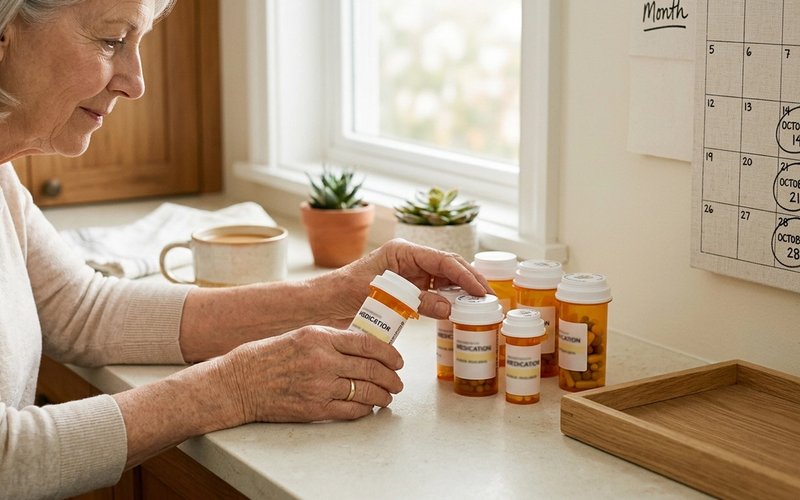
For the first time, Medicare Part D has a hard ceiling on what enrollees pay out of pocket for covered prescriptions: $2,000 a year. The cap took effect January 1, 2025, replacing the old open-ended catastrophic phase. A separate sign-up, the Medicare Prescription Payment Plan, lets you spread that $2,000 across monthly bills instead of paying it all in the first weeks of a year. Here is what is covered, who saves the most, and how to actually use it.
June 3, 2026

Walk-in tubs solve a real bathroom safety problem, but Medicare classifies them as home modifications, not durable medical equipment, so original Medicare does not cover them. Here is what they actually cost in 2026, who else pays, and the brand and sales-tactic patterns to recognize before you sign anything.
May 27, 2026

Up to 50% of patients undergoing joint surgery meet malnutrition criteria before their procedure. This statistic highlights why proper nutrition becomes essential for seniors facing orthopedic recovery. Your body needs specific nutrients to heal from injuries, yet aging creates unique challenges in tissue repair and nutrient absorption. Recovery from orthopedic injuries demands more from your body…
April 25, 2026

Proper footwear can make the difference between confident walking and fear of falling. For seniors, shoes affect more than comfort, they influence balance, joint health, and overall mobility. Many older adults struggle with foot pain, swelling, or difficulty managing traditional laces, making everyday activities more challenging than necessary.
April 23, 2026

Nausea can flatten a whole day, and an over-the-counter antiemetic will often settle it without a trip to the doctor. Which one to reach for depends on what set it off, what else you take, and a few safety details worth knowing before you swallow anything.
March 22, 2026

California brought back asset requirements for certain Medi-Cal programs starting January 1, 2026, after suspending them for nearly two years. The reinstated limits affect non-expansion programs serving older adults and people with disabilities, while leaving most enrollees unaffected. The new requirements set asset limits at $130,000 for individuals, with an additional $65,000 for each household member…
March 17, 2026

Dementia progresses through seven stages, each with distinct symptoms and care needs that help families plan appropriate support. The progression differs for each person, but understanding these stages helps families make informed decisions about medical care, living arrangements, and support services. Understanding dementia stages helps you prepare for the care needs ahead.
March 12, 2026

Whey, plant, casein, or collagen: the label on the tub matters less than the daily total, which the PROT-AGE study group puts at 1.0 to 1.2 grams of protein per kilogram of body weight after 65. Here is how the types differ and what to check before you buy.
March 3, 2026

These 17 hobbies provide practical ways for men over 50 to support physical health, mental clarity, and social engagement while finding new sources of meaning.
March 1, 2026

Farxiga costs become much more manageable with Medicare once you understand your coverage options and the savings available in 2026. Medicare's negotiated price and the annual out-of-pocket cap give real financial protection to beneficiaries managing diabetes, heart failure, or chronic kidney disease. This page covers cost, not whether the drug is right for you.
February 25, 2026

Key Takeaways Urinary tract infections in older adults require different recognition strategies than those used for younger patients. Caregivers and family members need to understand these differences to identify infections early and prevent complications. • Look for mental changes instead of typical urinary symptoms – Sudden confusion, agitation, or personality changes often signal UTI in seniors before…
February 18, 2026

Key Takeaways Choosing glasses that work for you requires balancing vision needs with personal style. Here are the most important considerations for older women selecting eyewear: • Focus on comfort features – Look for titanium or TR90 frames with spring hinges and adjustable nose pads to prevent discomfort during daily wear. • Consider progressive lenses for multiple distances –…
February 15, 2026

Key Takeaways Monthly costs for identity protection typically range from $7-30, which can provide significant value when you consider that the average victim loses $1,000 and spends hundreds of hours resolving identity theft issues. Every 22 seconds, another American becomes a victim of identity theft, with seniors facing particularly high risks. Nearly a million Americans fell…
February 15, 2026

Finding the best vitamins for women over 60 becomes increasingly important as age brings specific nutritional challenges. We know that aging can cause certain health conditions, especially for women over their sixth decade, making proper supplementation a vital consideration for daily health. Most o
February 2, 2026

Finding the right snacks becomes increasingly important as we age, yet many seniors struggle with choosing options that support their health goals. Smart snacking can help you maintain steady energy levels and meet essential nutritional needs throughout the day. Research from the European Journal of
January 18, 2026

Standard BMI guidelines were not written with men over 65 in mind. The CDC and NHLBI put a healthy BMI at 18.5 to 24.9 for every adult, but in adults 65 and older the death-risk curve looks different: higher below a BMI of 23, and not rising again until above 33. Waist size, muscle mass, and a steady weight tell you more than the chart does.
November 6, 2025

Sarcopenia affects about 5% to 13% of people ages 60 to 70, and up to 50% of people who are 80 or older. This gradual loss of muscle mass and strength occurs as we age, with muscle decline starting as early as age 30.
October 25, 2025

Finding the right aging skin care routine becomes more important as women enter their 70s and face new skin challenges. Skin naturally becomes drier with age, and many women notice increased irritation and fragility as the outer layer grows thinner and loses elasticity. Skin care over 60 requires understanding these changes to create an effective daily routine.
October 23, 2025
Most older adults manage at least one chronic condition; many manage three or four. Our health library covers the conditions that disproportionately affect adults over 65: cardiovascular disease, type 2 diabetes, COPD, osteoporosis, urinary incontinence, dementia, and the medication-management complications that arise when polypharmacy meets aging kidneys and liver. Articles are written in plain language but anchored in clinical evidence - we cite the actual studies and guidelines rather than summarizing wellness blogs.
The goal is reader literacy, not medical advice: a family that understands what an A1c is or why beta-blockers and falls don't mix is going to ask sharper questions of the doctor.
Other categories
