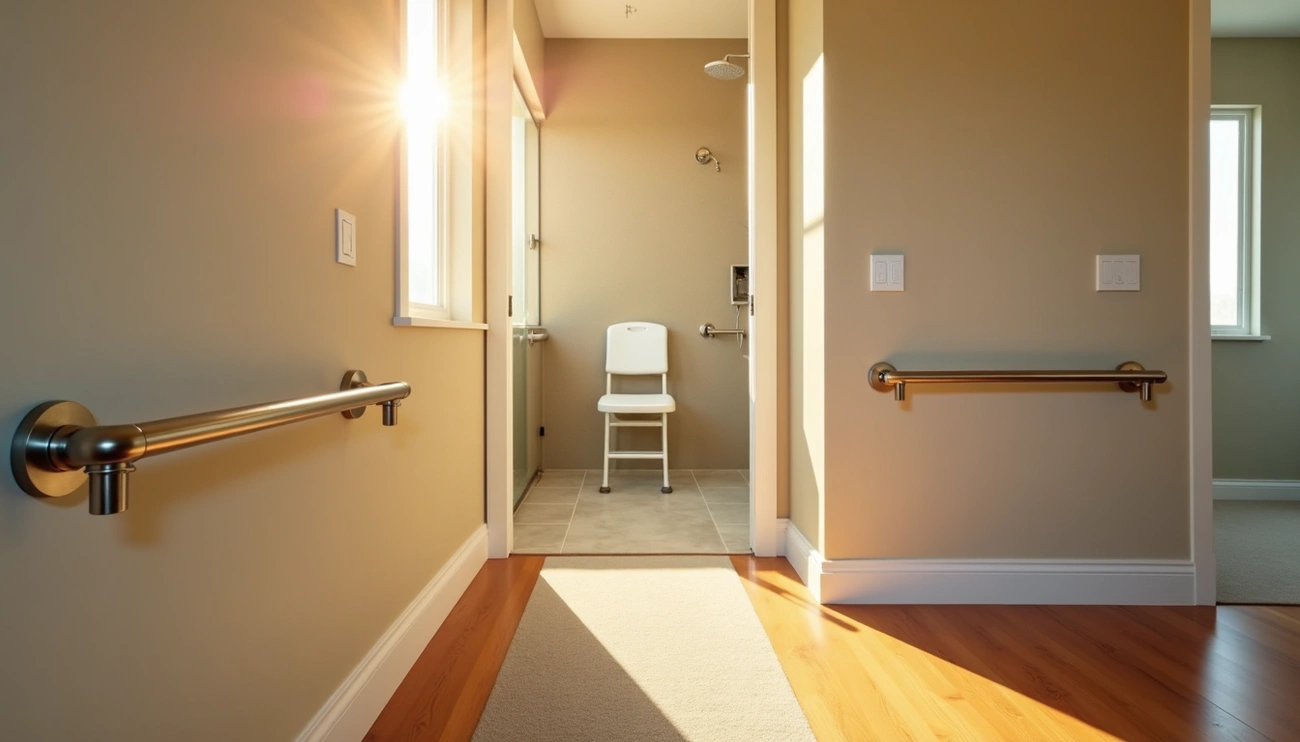

Falls represent a significant concern for older adults, with one in ten falls resulting in an injury that restricts activities for a day or more. Physical therapy offers a practical solution to this challenge. Research shows that targeted programs can reduce falls by up to 50%, while helping seniors build strength at any age, even without previous exercise experience.
Physical therapy for seniors focuses on improving flexibility, strengthening muscles, and increasing joint range of motion. This guide explores what geriatric physical therapy involves, the key benefits for older adults, and what you can expect during treatment sessions. Understanding these aspects can help you make informed decisions about physical therapy options for yourself or your loved one.
What is Physical Therapy for Seniors
Geriatric physical therapy is a specialized branch of rehabilitation designed for older adults, typically those 60 years and above. This type of therapy addresses the specific challenges that come with aging, including decreased muscle strength, reduced coordination, slower reaction times, and lower tolerance for physical activity.
Physical therapists who specialize in geriatric care are movement experts. They work to improve quality of life through hands-on treatment, patient education, and prescribed exercises. What sets geriatric physical therapy apart is its focus on multiple body systems at once, recognizing that older adults often manage several health conditions simultaneously.
This form of rehabilitation serves a wide range of seniors. Physical therapists work with:
- Healthy adults who want to safely pursue sports and leisure activities
- People at risk for fall-related injuries
- Those with medical conditions that limit movement
- Critically ill or injured older adults in hospitals
- Individuals recovering from surgery
- Frail adults requiring skilled nursing care
- Those in hospice care seeking to remain as independent as possible
You can receive senior care physical therapy in various settings, including outpatient clinics, hospitals, nursing homes, rehabilitation centers, assisted living facilities, and at home. Medicare covers most of these services, with outpatient and home care services falling under Part B coverage, while inpatient services are covered under Part A.
Key Benefits of Physical Therapy for Seniors
Physical therapy provides measurable outcomes that extend beyond basic exercise. Patients receiving treatment within three months of a dizziness diagnosis experience an 86% lower fall risk up to 12 months later. Falls account for 90% of injury-related emergency department visits among adults 65 and older, making balance-focused interventions essential for maintaining independence.
Benefits of physical therapy vary depending on individual needs and conditions, but the following areas show consistent improvement for older adults:
- Pain Relief: Therapists use stretching, nerve stimulation, and strength exercises to address chronic discomfort. Strengthening muscles around affected joints reduces pain while helping you regain function. For instance, arthritis symptoms often improve enough to delay surgical interventions.
- Enhanced Mobility: Personalized exercise programs rebuild muscle strength and increase endurance, allowing you to stay active for longer periods. This improvement translates to easier activities of daily living (ADLs) like climbing stairs or carrying groceries.
- Post-Surgery Recovery: Recovery accelerates when guided by a physical therapist. Therapy promotes proper healing, restores mobility, and prevents complications like muscle atrophy. Regular movement also releases endorphins that reduce depression and anxiety symptoms.
- Fall Prevention: Progressive balance training programs reduce fall rates by up to 23%, while improving confidence in performing everyday activities. These programs address coordination and reaction timing that naturally decline with age.
What to Expect During Physical Therapy Sessions
Your first appointment includes a detailed evaluation where the physical therapist reviews your medical history, current pain levels, strength capacity, balance status, and daily activity limitations. You might be asked to walk, bend, climb steps, or perform other movements so the therapist can assess your specific needs. The therapist will also examine your balance, flexibility, range of motion, and posture to establish starting measurements.
Setting goals becomes the foundation of your treatment plan. Your physical therapist works with you to establish realistic, measurable objectives that align with your personal priorities. For instance, if returning to gardening matters most to you, your treatment plan will include exercises that support that specific activity.
Treatment sessions typically occur two to three times per week initially, with each visit lasting 45 minutes to an hour. Your program may include strength training exercises, balance activities, flexibility work, and manual therapy techniques to reduce stiffness. The therapist may also use therapeutic modalities such as heat therapy, cold therapy, or electrical stimulation for pain management.
You will receive a home exercise program to maintain progress between clinic visits. These exercises typically require 10 minutes once or twice daily. Your treatment plan adapts as you improve, with your therapist adjusting intensity and activities to match your advancing capabilities.
Bottom Line
Physical therapy provides seniors with practical tools to maintain independence and enhance quality of life. The benefits range from reducing fall risk to managing chronic pain and supporting post-surgery recovery. Geriatric physical therapy addresses individual needs through customized treatment plans that adjust as you progress. Whether your goal is returning to gardening, walking with confidence, or preserving your independence, working with a qualified therapist can help you achieve these objectives safely and effectively.
FAQs
Q1. How often should seniors attend physical therapy sessions? Seniors typically attend physical therapy sessions two to three times per week initially, with each visit lasting 45 minutes to an hour. As progress is made, the frequency may be adjusted based on individual needs and improvement levels.
Q2. Does Medicare cover physical therapy for older adults? Yes, Medicare covers physical therapy for seniors with no limit on the number of outpatient sessions under Part B, as long as the treatment is medically necessary. Inpatient services are covered under Part A, while most outpatient and home care services fall under Part B coverage.
Q3. What activities should a 70-year-old do daily to stay healthy? A 70-year-old should engage in gentle physical activities like walking, stretching, or yoga to support mobility and strength. Mental stimulation through reading, puzzles, learning new skills, or hobbies is equally important for maintaining cognitive health and overall well-being.
Q4. How does physical therapy help prevent falls in seniors? Physical therapy reduces fall risk through targeted balance training programs and strength exercises. Studies show these programs can reduce falls by up to 50%, with patients receiving treatment within three months of a dizziness diagnosis experiencing an 86% lower fall risk up to 12 months later.
Q5. What happens during the first physical therapy appointment for seniors? The initial appointment includes a comprehensive assessment where the therapist reviews your medical history, pain levels, strength, balance, and daily activity limitations. You may be asked to perform movements like walking, bending, or climbing steps so the therapist can establish baseline measurements and create a personalized treatment plan.