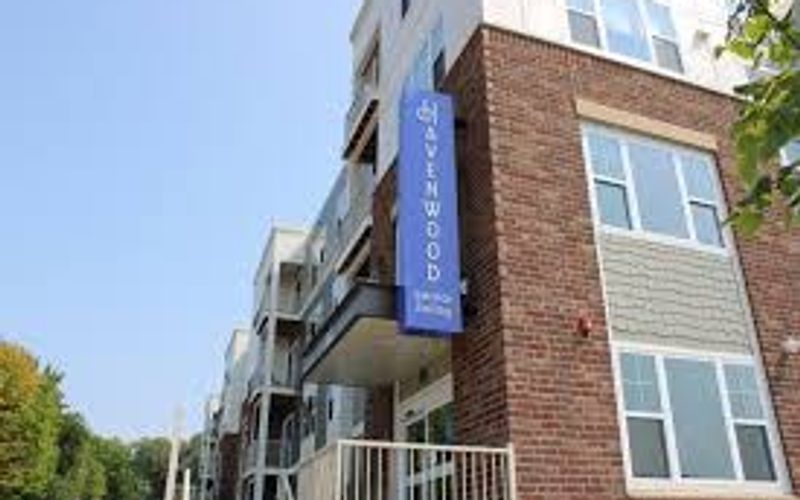
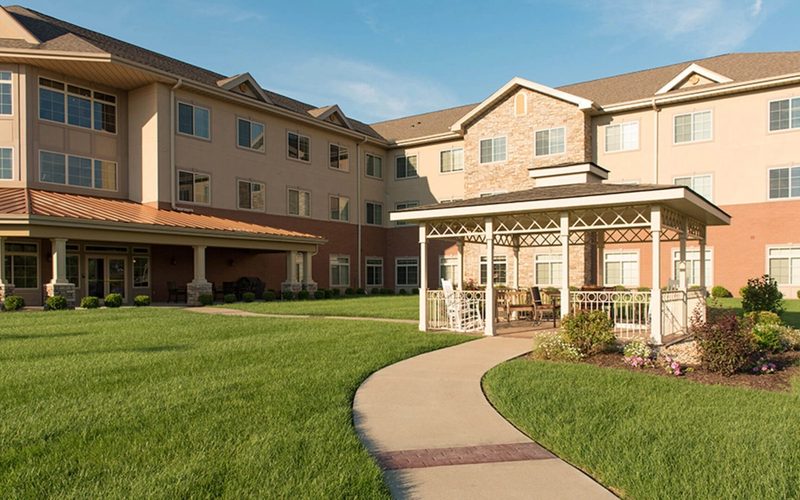
Personal-care residential communities for seniors who need help with daily tasks.
581 articles
Assisted living is the most common starting point in senior care: a residential community for seniors who need help with two or three activities of daily living (bathing, dressing, medication management, mobility) but don't need round-the-clock medical care. The resident has a private apartment, eats meals in a shared dining room, and gets the level of care their assessment indicates. It's also the most variable category in pricing and quality.
State licensing rules differ widely, the term "assisted living" covers everything from a converted six-bedroom house to a 200-resident high-rise, and the difference between a great community and a mediocre one is staff retention - which doesn't show up on a tour. Our assisted-living coverage focuses on what families should actually ask, how to read a resident-care assessment, what's typically included in the base rate versus added as a fee, and how to spot a community that's understaffed before signing a lease.
Other categories
Key Takeaways Moving your parent to assisted living means packing strategically to create a safe, comfortable space while downsizing from a full home to a smaller apartment. • Start with daily essentials: Pack 7-10 days of clothing, personal care items, comfortable furniture with proper measurements, and electronics your parent uses regularly. • Skip safety risks: Leave behind…
February 22, 2026









![21 Top Retirement Communities in the US: Luxury Living [Expert Guide 2026]](https://cdn.sanity.io/images/ivjibjpd/production/cb7ed7ce7c38e234bfafec5617ce87a54248009b-1344x768.png?rect=58,0,1229,768&w=800&h=500&q=82&fit=crop&auto=format)