Background reading on care levels, conditions, and how the senior-care system works.
370 articles · Page 14 of 16

Did you know that recognizing symptoms of dehydration in elderly individuals could be lifesaving? With 17-28% of older adults in the United States chronically dehydrated, this condition has become a frequent cause of hospital admissions. Our senior loved ones are particularly vulnerable to this silent threat. Unfortunately, the signs and symptoms of dehydration in elderly people…
April 23, 2025

Expert Guide to Aging in Place Home Modifications Did you know that 77% of Americans over the age of 50 would prefer aging in place home modifications rather than relocating to assisted living facilities? That’s right – according to AARP, 9 out of 10 seniors want to remain in their homes for as long as possible. However,…
April 23, 2025

Choosing the right agency for caregiver services is a decision that shouldn’t be taken lightly, especially when you consider that 7 out of 10 people over age 65 will require long-term care in their lifetime. As someone who has navigated this journey, I understand the weight of this responsibility. When comparing a caregiving agency to hiring a…
April 23, 2025

Family caregivers in America increased by 9.5 million between 2015 and 2020, highlighting the growing importance of understanding differences between caregivers and caretakers in senior care. While both roles support others, they serve distinct functions in the care system. Caregivers, particularly common across the United States and Canada, provide hands-on care with significant emotional involvement and help…
April 21, 2025

By 2030, one in six people worldwide will be 60 years or older, yet mental health in older adults remains a critically underaddressed concern. The numbers paint a sobering picture. Up to 25% of adults aged 65 and older live with conditions like anxiety or depression, while approximately 14% of those over 60 face some form of…
April 19, 2025
![Expert Guide: Nutrition for Seniors Living With Chronic Conditions [2025 Update]](https://cdn.sanity.io/images/ivjibjpd/production/9deb6b03289a831357aacbb6870384a6be6848b0-1344x768.png?rect=58,0,1229,768&w=800&h=500&q=82&fit=crop&auto=format)
Specific dietary choices significantly impact how chronic conditions progress and how well symptoms are managed in seniors, according to recent health studies. Nearly 95% of older adults have at least one chronic condition, with about 80% living with two or more. Proper nutrition for seniors helps control conditions like hypertension, type 2 diabetes, and dementia. Research shows…
April 19, 2025

Supplement use among older adults continues to rise despite growing evidence questioning their effectiveness. Studies show more than 4 out of 5 middle-aged and older Americans regularly use dietary supplements. This widespread adoption stems from two key issues that lead many seniors to take supplements they don’t actually need. 1. Misleading marketing and health claims The…
April 19, 2025

Adults over 50 now represent the fastest-growing segment of the homeless population in America. Current statistics show 1 in 5 homeless individuals are over 55 years old, with projections indicating these numbers will reach 225,000 by 2026. The housing crisis affects millions more seniors who remain housed but financially vulnerable. Approximately 2.35 million older adults…
April 18, 2025

Did you know that almost 18 million American adults are currently caring for elderly parents or relatives over 65? That’s a staggering number, and here’s another eye-opening fact: nursing homes cost around $80,000 per year, while assisted living facilities average $43,000 annually. Whether you’re already caring for aging parents or anticipating this responsibility in the future, the…
April 18, 2025

The United States will have 98 million adults aged 65 and older by 2060, representing nearly 25% of the entire population. Caring for aging parents is becoming more challenging as access to assistance programs remains difficult for many caregivers. A majority of Americans (51%) believe the government should pay for elder care, yet finding and…
April 18, 2025

Senior companion program volunteers donated more than 8,365 hours of their time last year, helping 47 clients through weekly visits and phone calls. Just 14 dedicated volunteers achieved this significant impact. The volunteers provide assistance to older adults with daily living tasks, transportation to appointments, and companionship. This support system reduces isolation and improves the…
April 18, 2025

Family caregivers in Texas provide 3.2 billion hours of care annually, saving the state $34 billion in healthcare costs. This dedication comes with significant personal consequences, as approximately 20% of caregivers develop depression. Family caregiving involves managing doctor’s appointments, assisting with daily tasks, and sometimes providing round-the-clock support. These responsibilities often lead to physical and…
April 18, 2025

More than 2.9 million U.S. workers currently provide in-home personal and health care for older adults, a number that has doubled since 2014. This growth reflects a significant need – 56% of people turning 65 will require long-term health services at some point. Finding appropriate private home care for elderly parents often presents challenges for…
April 18, 2025

Social connections become increasingly important for health and wellbeing as people age. California communities have developed programs specifically targeting adults 60 and older through information services and engagement opportunities. Trained volunteers conduct regular check-ins up to three times weekly for seniors needing social contact, while multilingual support lines operate around the clock in more than…
April 18, 2025

More than 2,000 public and private senior citizen benefits programs exist nationwide, yet thousands of older Americans miss these resources each year. The primary reason? They simply don’t know these programs exist. Seniors aged 60 and older qualify for numerous free government services that could significantly reduce their monthly expenses. The Senior Farmers Market Nutrition Program provides…
April 18, 2025

Between 5 to 15 percent of adults struggle with vitamin B12 deficiency, making incorrect b12 dosage for seniors a serious health concern. This number jumps even higher as we age, affecting over 10% of those 75 and older. The current recommended daily intake of 2.4 micrograms falls short for many older adults. In fact, research suggests seniors…
April 18, 2025

Did you know that 8 out of 10 people will experience back pain during their lifetime? In fact, it’s the second most common reason people visit their doctor’s office. If you’re a senior dealing with lower back pain, you’re certainly not alone. However, there’s good news – gentle exercises and stretches can help ease your…
April 18, 2025

Caregiver burnout affects thousands of Americans who neglect their own health while caring for others, studies show. Support groups have emerged as a critical solution to this growing problem, with AARP’s Family Caregivers Discussion Group now connecting over 19,000 members who share experiences and mutual support. Health professionals consider these groups the first line of…
April 18, 2025

Caregivers manage over a dozen essential duties and responsibilities each day, from personal care to medication management. These individuals handle everything from bathing and grooming to meal preparation and health monitoring. Their role extends far beyond basic assistance, as they’re often the first line of defense in detecting potential health issues and ensuring the overall…
April 18, 2025
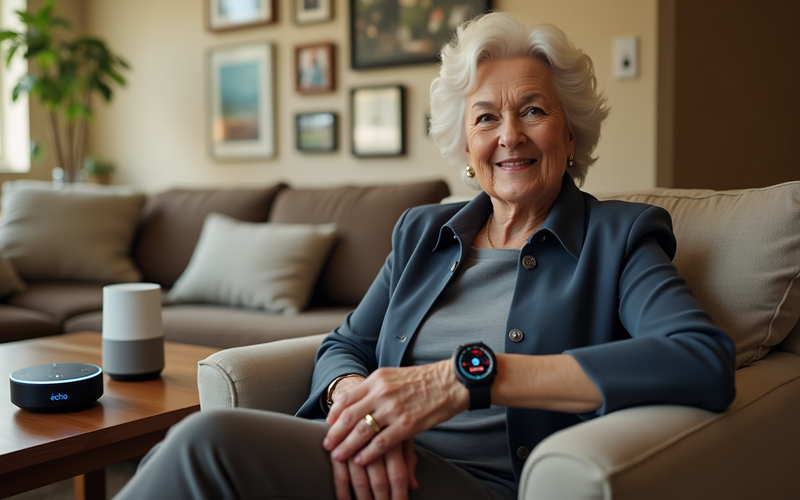
Studies show that 62% of fall victims who don’t receive help during the first hour may lose their ability to live independently. Choosing the right medical alert system isn’t just about convenience-it’s about survival. Our testing of 22 different medical alert systems revealed significant differences in performance. Some devices responded in as little as 14.6…
April 18, 2025

A recent study of 3,500 adults over 60 found that daily vitamin supplements can reverse up to three years of age-related cognitive decline, reports show. Despite this promising discovery, selecting effective supplements remains difficult. Research indicates that different vitamins affect brain health through distinct pathways – omega-3 fatty acids reduce inflammation associated with cognitive decline,…
April 17, 2025

Falls rank among the leading causes of injury and death in older adults, making mobility assessment crucial for this population. The Elderly Mobility Scale (EMS) emerged in 1994 as a standardized tool to evaluate functional mobility in frail older adults, specifically designed for hospital settings. This mobility test takes less than 15 minutes to complete, evaluating essential…
April 17, 2025

Seniors accounted for over 35% of travelers in 2023, showing that age and mobility challenges aren’t preventing people from exploring accessible vacation destinations. Locations worldwide now offer improved accessibility features for travelers with limited mobility. Wheelchair-accessible boardwalks at Yosemite National Park, barrier-free cities like Vienna and Barcelona, and specially equipped ocean cruises make travel increasingly…
April 16, 2025

Science reveals a fascinating connection between nature and memory: spending time outdoors can significantly boost cognitive function in seniors. According to research, outdoor activities for seniors offer more than just fresh air – they provide crucial benefits for brain health and memory retention. In fact, when older adults engage in outdoor activities, they experience multiple cognitive advantages…
April 16, 2025
The senior-care system is dense with jargon (CMS, MDS, ADLs, IADLs, NOA), licensing acronyms, and care-level distinctions that mostly only make sense from the inside. Families researching senior care for the first time benefit from a few hours of background reading before touring a community or talking to an advisor. Our education library is the explainer track: what each care level actually means, how the system is funded, who licenses what, what kinds of conditions tend to trigger which level of care, and the basic medical vocabulary families encounter (mild cognitive impairment, vascular dementia, ADLs, IADLs, Activities of Daily Living). Read three articles here and the rest of the site starts to make sense.
Other categories
