Background reading on care levels, conditions, and how the senior-care system works.
167 articles · Page 7 of 7

The United States will have 98 million adults aged 65 and older by 2060, representing nearly 25% of the entire population. Caring for aging parents is becoming more challenging as access to assistance programs remains difficult for many caregivers.
April 18, 2025

Senior companion program volunteers donated more than 8,365 hours of their time last year, helping 47 clients through weekly visits and phone calls. Just 14 dedicated volunteers achieved this significant impact. The volunteers provide assistance to older adults with daily living tasks, transportation to appointments, and companionship. This support system reduces isolation and improves the…
April 18, 2025

A caregiver manages over a dozen essential duties on any given day, from bathing and grooming to meals, medications, and keeping a close watch on health. Here is what each of those jobs actually involves.
April 18, 2025
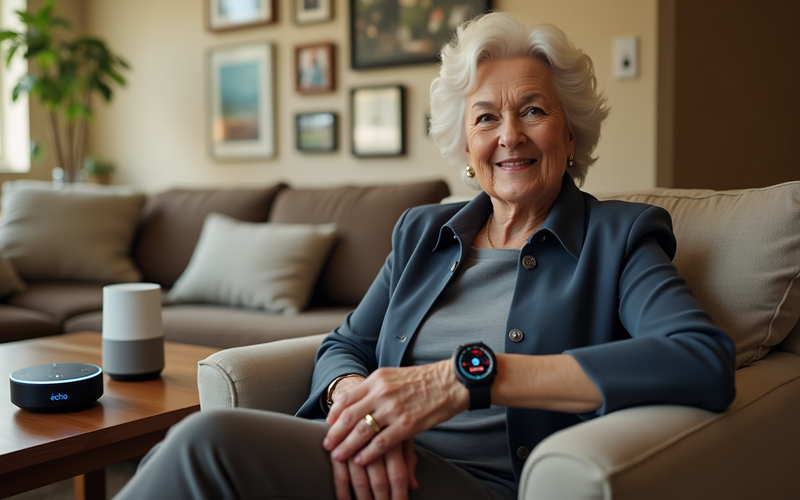
Studies show that 62% of fall victims who don’t receive help during the first hour may lose their ability to live independently. Choosing the right medical alert system isn’t just about convenience-it’s about survival. Our testing of 22 different medical alert systems revealed significant differences in performance. Some devices responded in as little as 14.6…
April 18, 2025

Falls rank among the leading causes of injury and death in older adults, making mobility assessment crucial for this population. The Elderly Mobility Scale (EMS) emerged in 1994 as a standardized tool to evaluate functional mobility in frail older adults, specifically designed for hospital settings.
April 17, 2025

Age and mobility limits are no longer keeping people home. More destinations now offer step-free access, accessible transit and adapted tours, and this guide covers the places that have actually done the work, plus how to plan a trip around them.
April 16, 2025

Did you know that muscle mass naturally decreases after age 50, making traditional gardening activities increasingly challenging? While gardening can be physically demanding, we don’t have to give up this rewarding hobby as we age. In fact, raised garden beds can significantly reduce strain on our backs and knees, and ergonomically designed tools make gardening…
April 15, 2025

Housing is the largest line in most older adults' budgets, and rents have risen faster than Social Security checks. This guide covers the programs that help: Housing Choice Vouchers, public housing, Section 202 supportive housing, and LIHTC apartments, with the income limits and application steps for each.
April 12, 2025

Seniors who maintain an active lifestyle live longer, think better, and experience greater happiness, according to the National Institute on Aging. Researchers at Edinburgh University found that even learning a new language can improve brain function and delay Alzheimer's symptoms. Studies show that enjoyable hobbies directly impact both psychological and physical well-being.
April 10, 2025
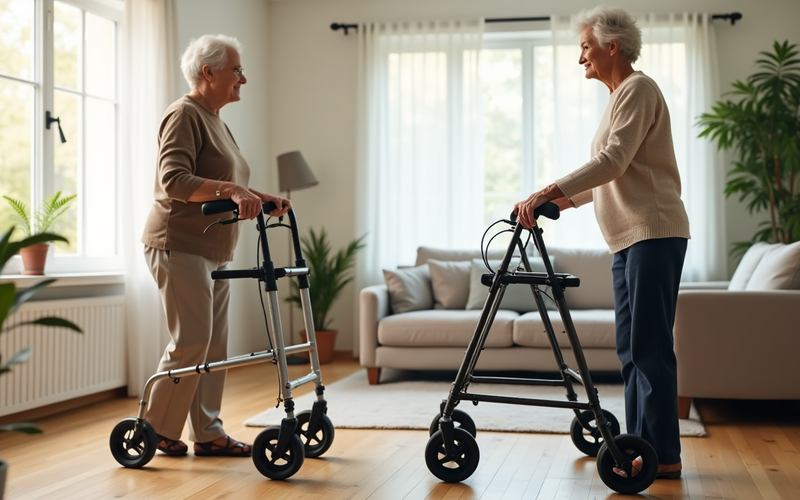
Traditional walkers force seniors to bend forward when walking, causing back pain and discomfort over time. Upright walkers address this problem by supporting weight on the forearms rather than the wrists, allowing users to maintain a straight posture. The differences between these mobility aids extend beyond their basic function. Upright walkers specifically reduce pressure on…
April 10, 2025

Seniors who spend just a few hours socializing each day are happier, healthier, and significantly less likely to experience depression, according to recent research. Studies show that even adults in their 80s who maintain social connections demonstrate higher cognitive function and emotional stability than their isolated counterparts. Finding opportunities for older adults to meet peers…
April 10, 2025

Did you know that malnutrition is surprisingly common among seniors, often leading to declining health? Whether it’s due to swallowing difficulties (dysphagia), dental problems, or other health issues, many older adults struggle with eating regular foods. In fact, these challenges can make mealtimes frustrating and potentially dangerous, causing some seniors to avoid eating altogether. That’s…
April 9, 2025

Did you know that 2025 will offer some of the most extraordinary trips for seniors over 60? From Boston's 250th Revolutionary War anniversary celebrations to a rare 90% chance of witnessing the northern lights in Fairbanks, Alaska, next year promises unique travel experiences.
March 29, 2025

AARP membership costs $20 a year and unlocks hundreds of dollars in senior travel discounts, yet many travelers over 55 miss these savings opportunities. British Airways provides AARP members up to $200 off round-trip flights, while Amtrak reduces fares by 10% for passengers 65 and older. Major hotel chains extend significant discounts to senior travelers.
March 28, 2025

In-home care and nursing home care in Tennessee both run into the tens of thousands of dollars a year. The state offers multiple assistance programs to help manage those costs, from TennCare CHOICES long-term care to property tax relief, Medicare Savings Programs, food help, and transportation.
March 20, 2025

Senior fraud cases reached record levels in 2023, with Americans over 65 accounting for half of all reported scams, Federal Trade Commission (FTC) data shows. Financial losses topped $3.4 billion last year, marking an 11% increase from 2022. Scammers increasingly target elderly Americans through sophisticated schemes, exploiting their accumulated wealth and limited social connections.
March 11, 2025

ChatGPT reached 100 million monthly active users last January, setting a record as the fastest-growing consumer application, industry reports show. The AI chatbot remains unfamiliar territory for many seniors despite its widespread adoption. The platform functions as a digital assistant, helping users manage daily tasks and access information through text conversations.
March 3, 2025

Senior citizens lost $3.4 billion to cyber scams in 2023, marking an 11% increase from the previous year. The Federal Trade Commission (FTC) reports this surge despite 88% of seniors actively using the internet. Sophisticated scams increasingly target older adults through multiple channels.
March 2, 2025

Senior internet usage has reached record levels, with 81% of older adults accessing the internet daily, according to recent data from the Pew Research Center. The pandemic sparked this dramatic shift as millions of seniors turned to digital platforms for connection and education. Research shows virtual learning environments offer significant health benefits for older adults…
February 28, 2025

The 5-word memory test is a simple way to check memory in older adults: you show someone five unrelated words, then ask them to recall the words after a brief distraction. It is a screening prompt rather than a verdict. Here is how the test is run, how the validated version is scored, and why a run at the kitchen table is not something to grade yourself.
January 4, 2025

Recent data shows significant growth in online learning adoption among adults aged 65 and older, Reuters reports. Digital education platforms report a 43% increase in senior enrollment over the past year, challenging traditional retirement learning patterns. Online education platforms offer flexible alternatives to traditional classrooms, allowing seniors to access courses from home. The shift comes…
December 22, 2024

Retirement opens up a world of opportunities for seniors to give back to their communities and find fulfillment through volunteer work. Volunteer opportunities for seniors abound, ranging from helping at animal shelters and national parks to supporting nonprofit organizations like Meals on Wheels. These activities not only benefit society but also provide retirees with a sense of purpose…
August 28, 2024

Senior Activities Near Me Upcoming events for seniors near you in 2023: (details at the bottom of the page) Introduction: Finding activities near you that are age-appropriate can be hard without the proper resources, contacts, or information especially as you get older.
March 29, 2021
The senior-care system is dense with jargon (CMS, MDS, ADLs, IADLs, NOA), licensing acronyms, and care-level distinctions that mostly only make sense from the inside. Families researching senior care for the first time benefit from a few hours of background reading before touring a community or talking to an advisor. Our education library is the explainer track: what each care level actually means, how the system is funded, who licenses what, what kinds of conditions tend to trigger which level of care, and the basic medical vocabulary families encounter (mild cognitive impairment, vascular dementia, ADLs, IADLs, Activities of Daily Living). Read three articles here and the rest of the site starts to make sense.
Other categories
